In Vitro Activity of Rezafungin Against Planktonic and Biofilm Forms of Candida albicans and Nakaseomyces glabratus Clinical Isolates from Vascular Infections in Poland: A Pilot Study
Iwona Skiba-Kurek, Magdalena Namysł, Katarzyna Kania, Joanna Czekajewska, Anna Sepioło, Tomasz Gosiewski, Aldona Olechowska-Jarząb

TL;DR
This study tests a new antifungal drug, rezafungin, against yeast infections in blood, showing it works well against drug-resistant strains and biofilms.
Contribution
The study evaluates rezafungin's in vitro activity against biofilms of Candida albicans and Nakaseomyces glabratus from vascular infections.
Findings
Rezafungin showed activity against all tested isolates with MIC50 = 0.016 and MIC90 = 0.25.
Nakaseomyces glabratus isolates showed high susceptibility to rezafungin despite azole resistance.
Rezafungin had reduced activity against biofilms compared to planktonic cells.
Abstract
Background/Objectives: Certain yeast species are recognized as significant opportunistic pathogens, capable of causing severe systemic infections, particularly in immunocompromised individuals or those with disrupted physiological barriers. The rising incidence of invasive candidiasis associated with vascular infections poses a significant clinical challenge due to the high mortality rates and the limited efficacy of conventional antifungal therapies. The formation of resilient biofilms on vascular catheters by species such as Candida albicans and Nakaseomyces glabratus further complicates treatment, often leading to persistent fungemia and necessitating device removal. With the emergence of multidrug-resistant (MDR) strains, there is a critical need for new therapeutic agents like rezafungin—a novel, long-acting echinocandin with potential enhanced antibiofilm activity. Methods: This…
Genes, proteins, chemicals, diseases, species, mutations and cell lines named across the full text — each resolved to its canonical identifier and authoritative record.
Click any figure to enlarge with its caption.
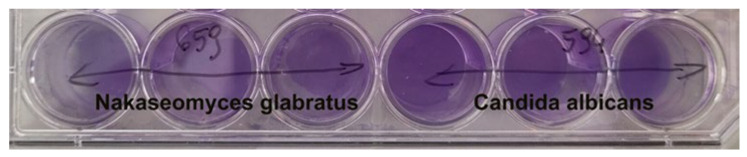 Figure 1
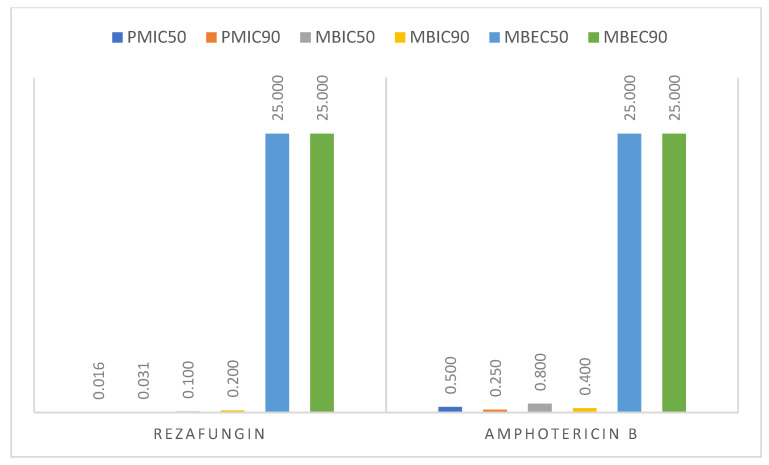 Figure 2
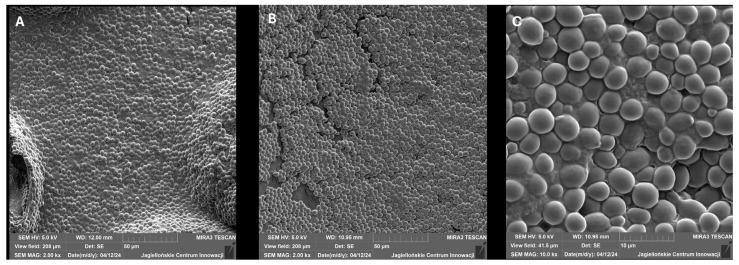 Figure 3
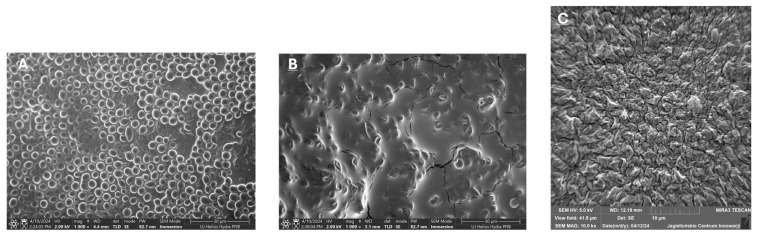 Figure 4
Peer Reviews
No public reviews on file for this paper yet. If you reviewed it on a platform where reviews are public (OpenReview, ICLR, NeurIPS, ICML), you can paste yours below so the community can read it here.
Videos
No videos yet. Explain this paper in a talk, walkthrough, or lecture? Add one.
Taxonomy
TopicsAntifungal resistance and susceptibility · Fungal Infections and Studies · Nail Diseases and Treatments