Discovery of Peptide-Based Tubulin Inhibitors Through Structure-Guided Design
Nicolás Osses-Bagatello, Esteban Rocha-Valderrama, José Ortega-Campos, Mauricio Moncada-Basualto, Matías Zúñiga-Bustos

TL;DR
Researchers designed a new peptide that inhibits tubulin, showing selective cancer cell toxicity with minimal side effects.
Contribution
A novel structure-guided peptide, NH2-P14-COOH, was developed with improved selectivity and reduced toxicity for tubulin inhibition.
Findings
NH2-P14-COOH inhibits tubulin polymerization with an IC50 of 11.24 ± 3.82 μM.
The peptide shows selective cytotoxicity against lung carcinoma cells with minimal toxicity to endothelial cells.
Flow cytometry analysis confirms apoptosis induction via microtubule disruption.
Abstract
Background: Tubulin plays a pivotal role in cell division and other essential cellular processes, making it a key pharmacological target for cancer therapy, antiparasitic treatments, and neurodegenerative diseases. Numerous compounds have been developed to regulate microtubule polymerization through tubulin binding; however, most have shown significant limitations, including adverse side effects, poor bioavailability and limited specificity. In recent years, peptide-based therapies have gained considerable attention, particularly for their ability to modulate protein–protein interaction while offering improved selectivity and safety profiles. Methods: In this study, we employed an integrated computational–experimental approach combining molecular docking, molecular dynamics simulations, and MM-GBSA free energy calculations to design and evaluate 14 peptides derived from the αβ-tubulin…
Genes, proteins, chemicals, diseases, species, mutations and cell lines named across the full text — each resolved to its canonical identifier and authoritative record.
Click any figure to enlarge with its caption.
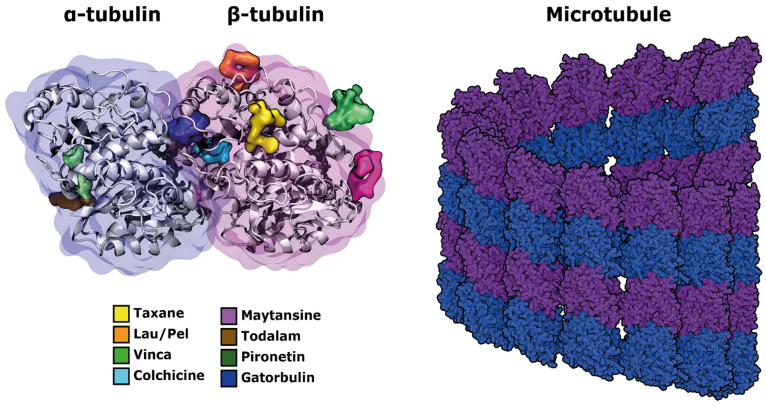 Figure 1
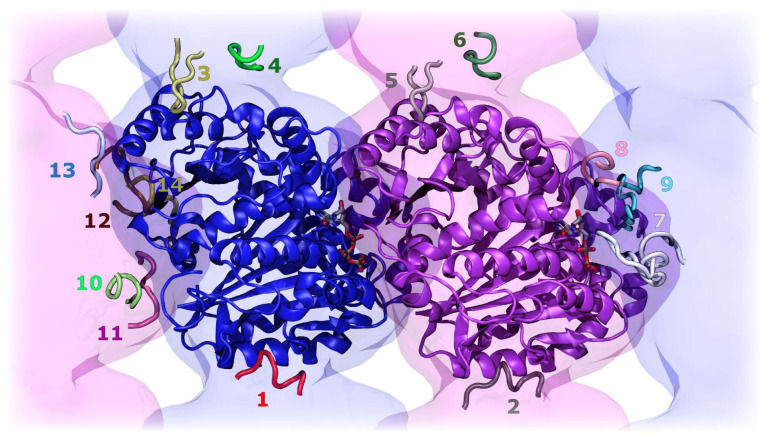 Figure 2
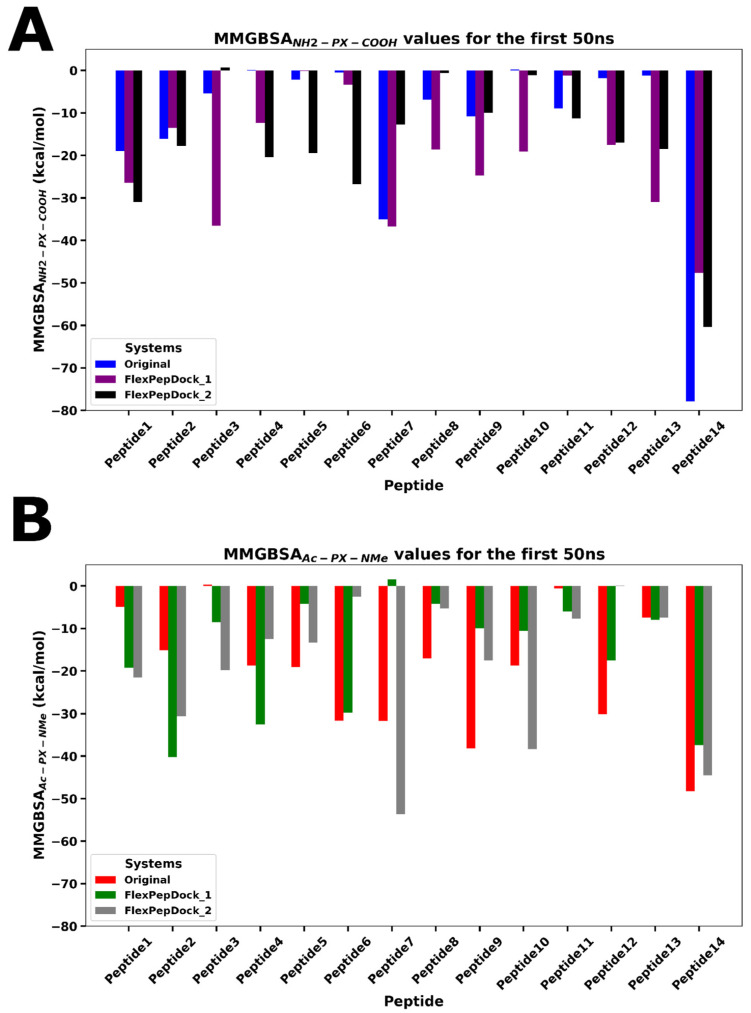 Figure 3
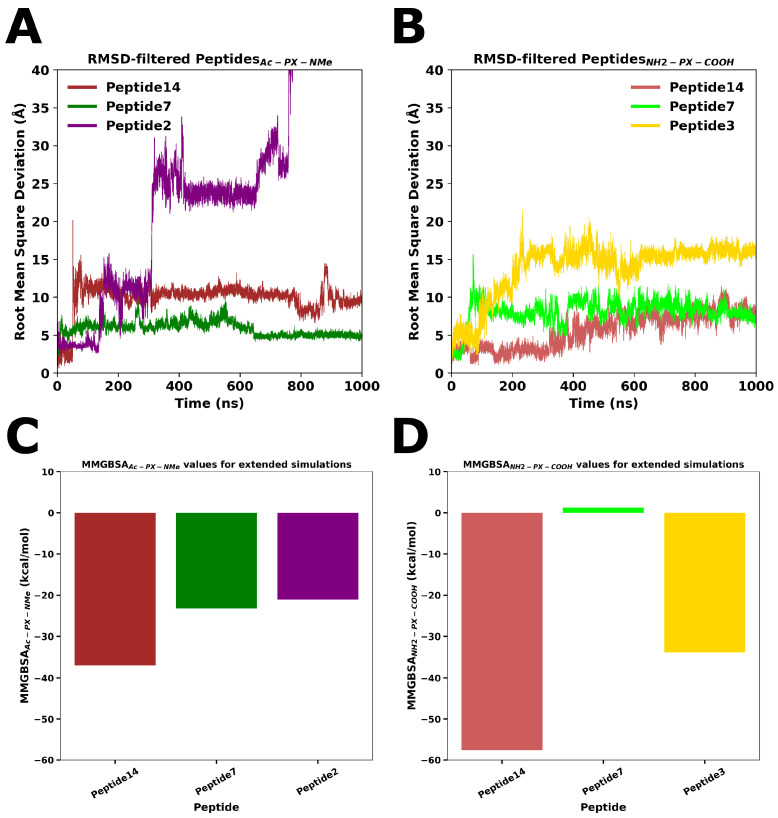 Figure 4
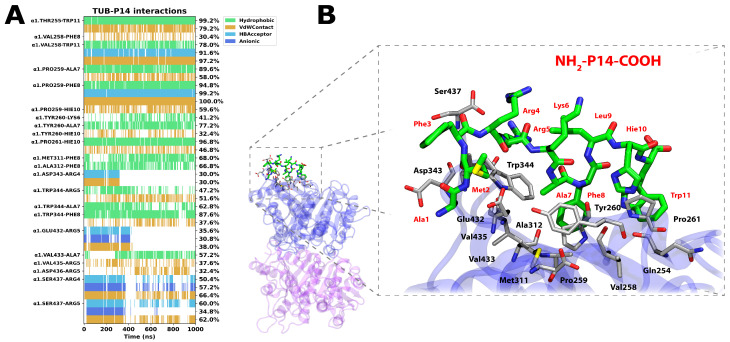 Figure 5
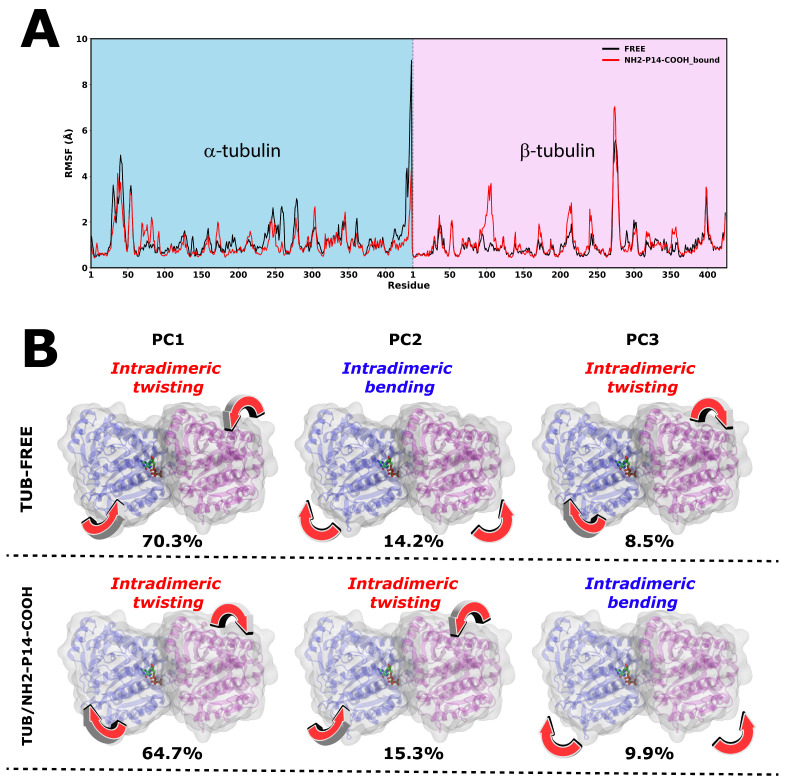 Figure 6
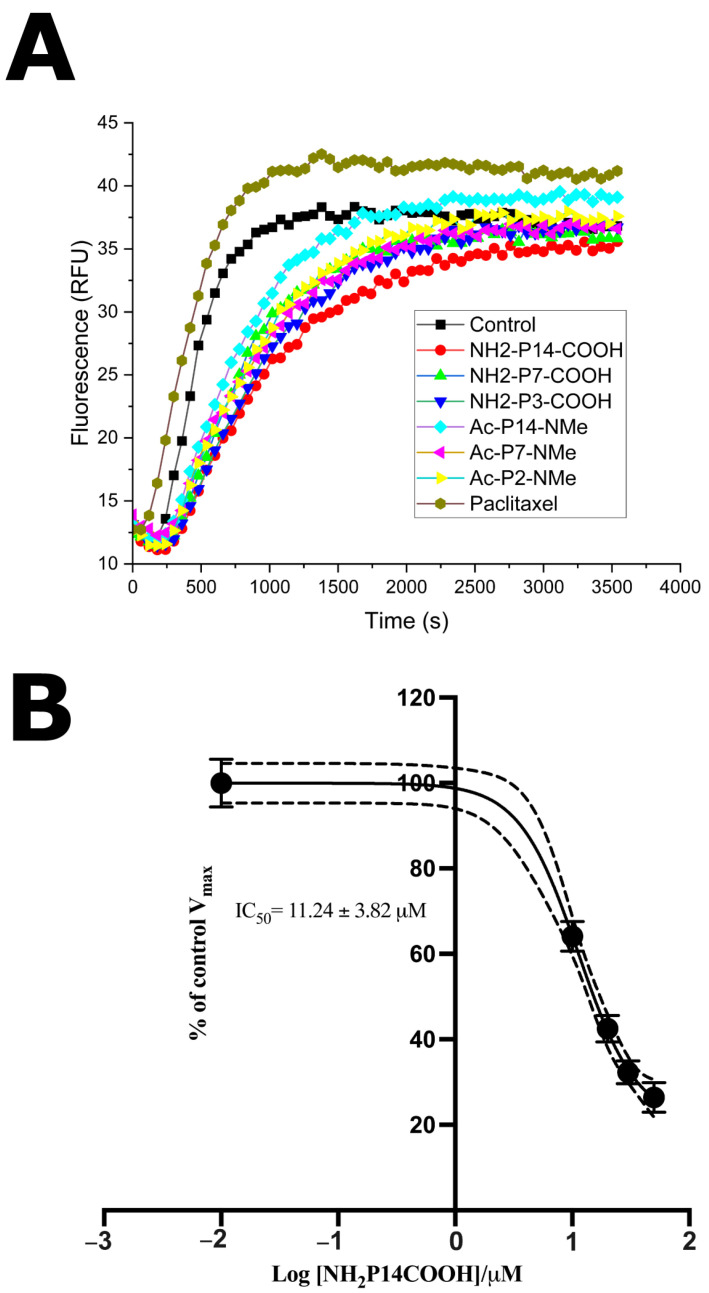 Figure 7
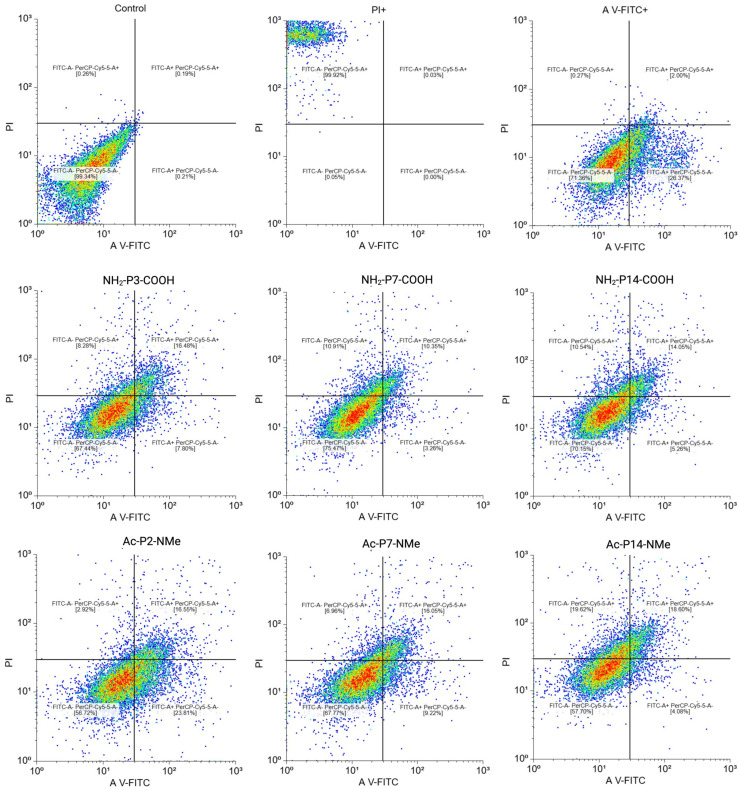 Figure 8
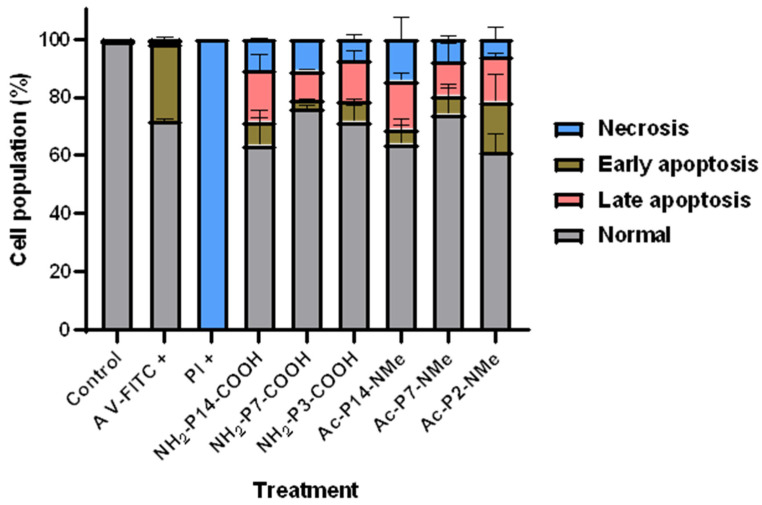 Figure 9
Peer Reviews
No public reviews on file for this paper yet. If you reviewed it on a platform where reviews are public (OpenReview, ICLR, NeurIPS, ICML), you can paste yours below so the community can read it here.
Videos
No videos yet. Explain this paper in a talk, walkthrough, or lecture? Add one.
Taxonomy
TopicsMicrotubule and mitosis dynamics · Synthesis and biological activity · Click Chemistry and Applications