Polymer Gels Exhibiting High Pressure-Sensitive Adhesion to Polytetrafluoroethylene
Toshiya Yamasaki, Yuchen Mao, Hiroshi Ito, Jin Gong

TL;DR
Researchers developed a polymer gel that strongly adheres to PTFE without surface treatment, which is useful for high-frequency communication applications.
Contribution
A new copolymer gel with high adhesion to PTFE was developed, avoiding the need for surface treatments.
Findings
The copolymer gel P(DEAE-co-DA) showed the highest adhesive strength (430.0 N/m) and peel energy (713.4 J/m²) to PTFE.
Surface roughness had minimal impact on adhesion, with the smoothest gel surface showing the best performance.
Balancing viscoelastic deformation and cohesion in the gel explains its superior adhesion to PTFE.
Abstract
Polytetrafluoroethylene (PTFE) is attractive for high-frequency communications but adheres very poorly to other materials due to its very low surface energy. Conventionally, surface treatments of PTFE are used to increase the polarity of the PTFE surface and enable bonding to materials with increased surface free energy. However, surface treatments are difficult to scale, can damage surfaces, and often lack reproducibility. Therefore, developing a material that can make PTFE adhere well to other materials without surface treatment is highly desirable. In this study, we aimed to develop a new material with strong adhesion to PTFE. We synthesized three polymer gels from dodecyl acrylate (DA) and 2-(dimethylamino) ethyl acrylate (DMAE): the homopolymer gels PDEAE and PDA, and the copolymer gel P(DEAE-co-DA). The copolymer gel P(DEAE-co-DA) exhibited high pressure-sensitive adhesion to…
Genes, proteins, chemicals, diseases, species, mutations and cell lines named across the full text — each resolved to its canonical identifier and authoritative record.
Click any figure to enlarge with its caption.
 Figure 1
 Figure 2
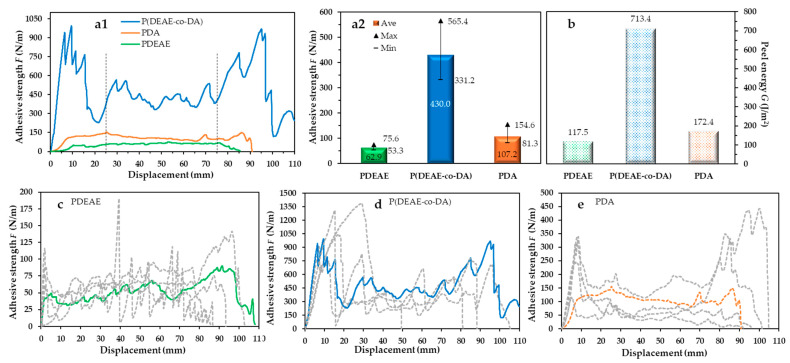 Figure 3
 Figure 4
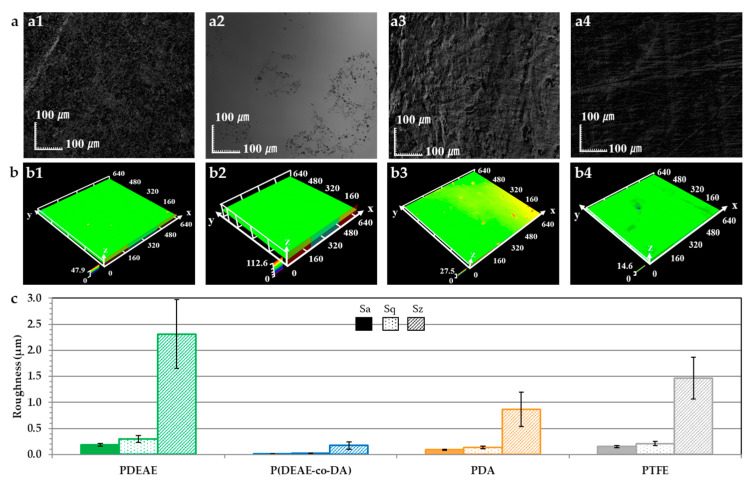 Figure 5
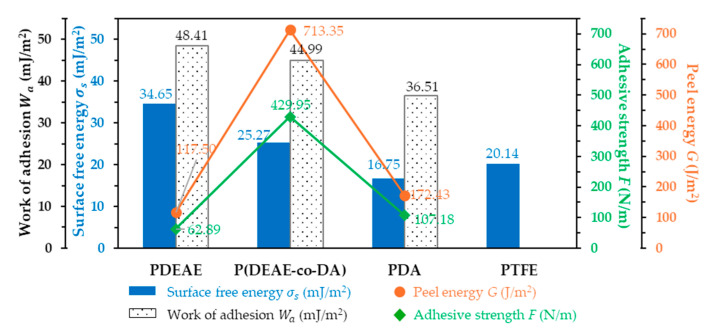 Figure 6
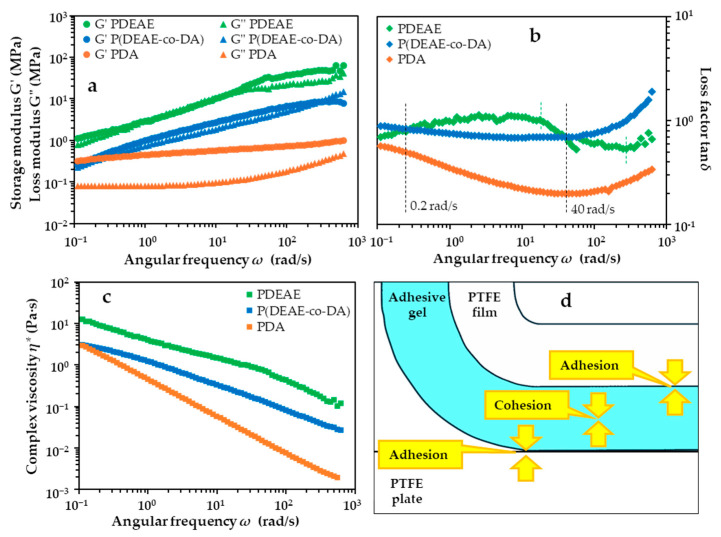 Figure 7
 Figure 8
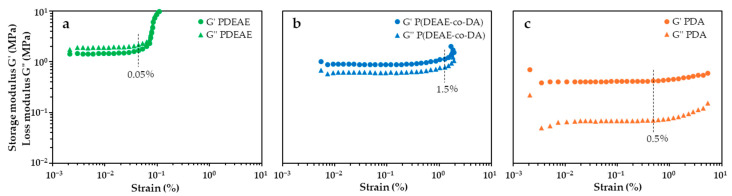 Figure 9
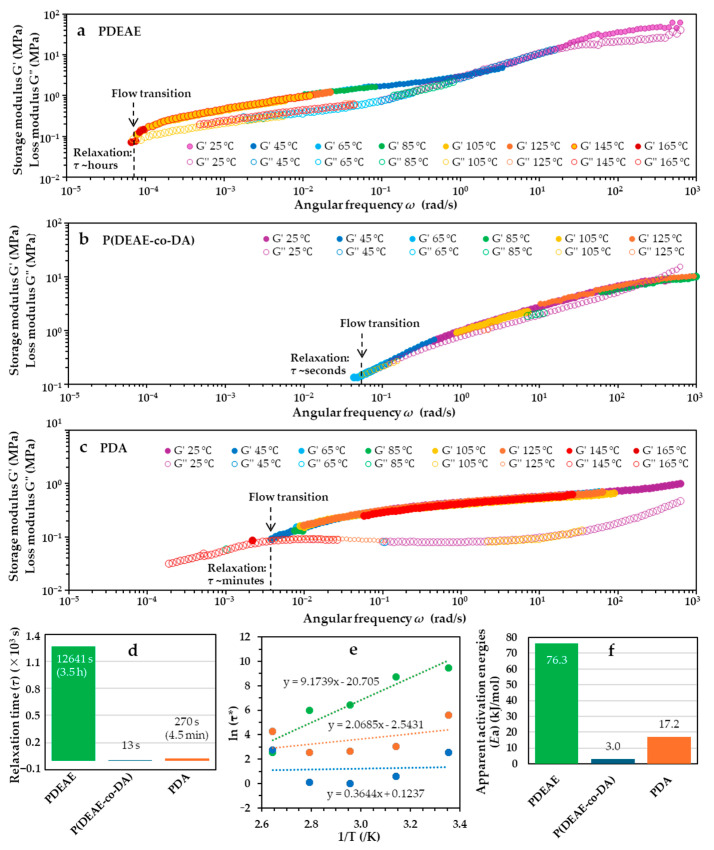 Figure 10
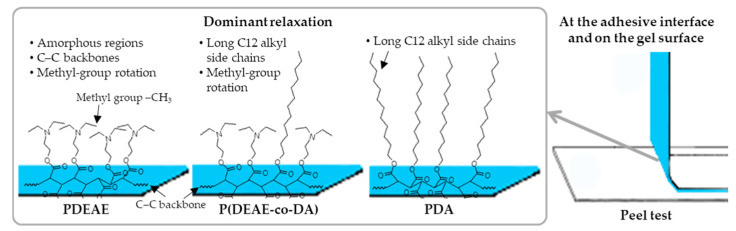 Figure 11
 Figure 12
 Figure 13
 Figure 14
 Figure 15
 Figure 16
 Figure 17
 Figure 18
 Figure 19
 Figure 20
 Figure 21
 Figure 22
 Figure 23
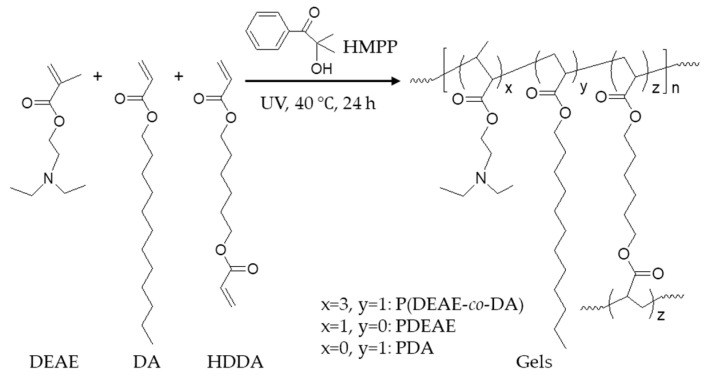 Figure 24
Peer Reviews
No public reviews on file for this paper yet. If you reviewed it on a platform where reviews are public (OpenReview, ICLR, NeurIPS, ICML), you can paste yours below so the community can read it here.
Videos
No videos yet. Explain this paper in a talk, walkthrough, or lecture? Add one.
Taxonomy
TopicsTribology and Wear Analysis · Polymer Nanocomposite Synthesis and Irradiation · Surface Modification and Superhydrophobicity