Integrating Habitat Suitability and Quality Assessments to Identify Conservation Priorities for Cycas panzhihuaensis
Yuanfeng Yang, Yuting Ding, Xuefeng Peng, Juan Wang, Peilong Li, Mengjie Wu, Ying Zhang, Xing Liu, Peihao Peng

TL;DR
This study identifies conservation priorities for Cycas panzhihuaensis by combining habitat suitability and quality assessments in the Jinsha River region.
Contribution
The novel integration of MaxEnt and InVEST models provides a spatially explicit framework for conservation planning in human-impacted landscapes.
Findings
Highly suitable habitat for Cycas panzhihuaensis spans 799.12 km2, concentrated in dry-hot valleys of the Jinsha, Yalong, and Anning Rivers.
January land surface temperature is the most significant environmental driver of the species' distribution.
Conservation hotspots show moderate spatial autocorrelation and overlap with areas at risk of habitat degradation.
Abstract
This study assessed the conservation priorities for Cycas panzhihuaensis, a relict plant endemic to the dry-hot valleys of the Jinsha River, by integrating habitat suitability prediction with habitat quality evaluation. We used the MaxEnt model to identify its potential distribution and key environmental drivers and the InVEST model to evaluate habitat quality and degradation risk within the study area. Conservation priorities—categorized as hotspots, transition zones, and coldspots—were delineated by overlaying suitability classes with habitat quality levels. Spatial clustering of hotspots was examined using global spatial autocorrelation analysis. The results indicate that: (1) The highly suitable habitat for C. panzhihuaensis covers an area of 799.12 km2, primarily concentrated in the dry-hot valleys of the Jinsha, Yalong, and Anning Rivers. January land surface temperature was the…
Genes, proteins, chemicals, diseases, species, mutations and cell lines named across the full text — each resolved to its canonical identifier and authoritative record.
Click any figure to enlarge with its caption.
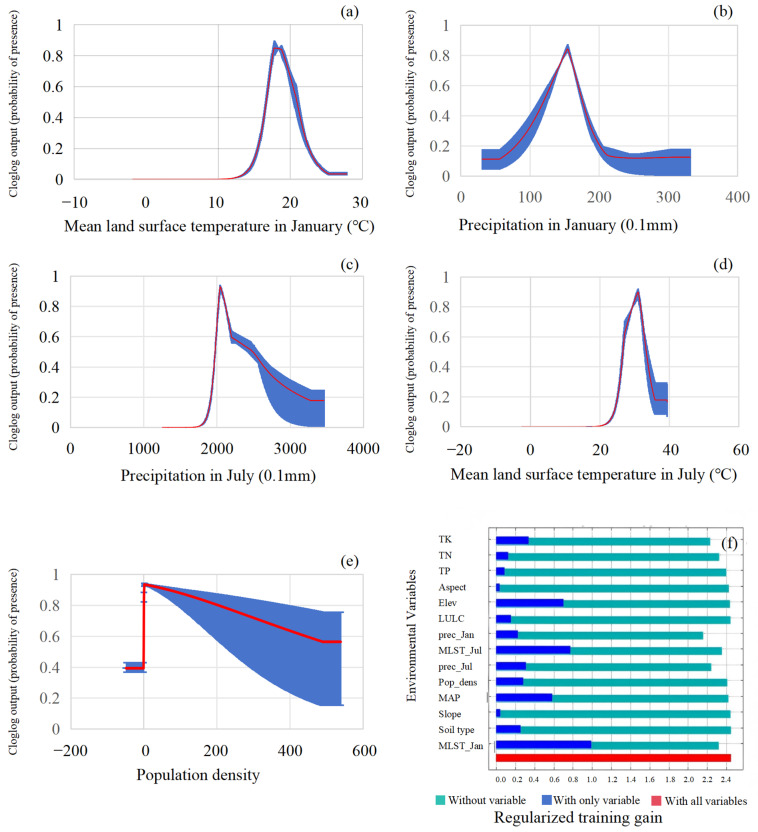 Figure 1
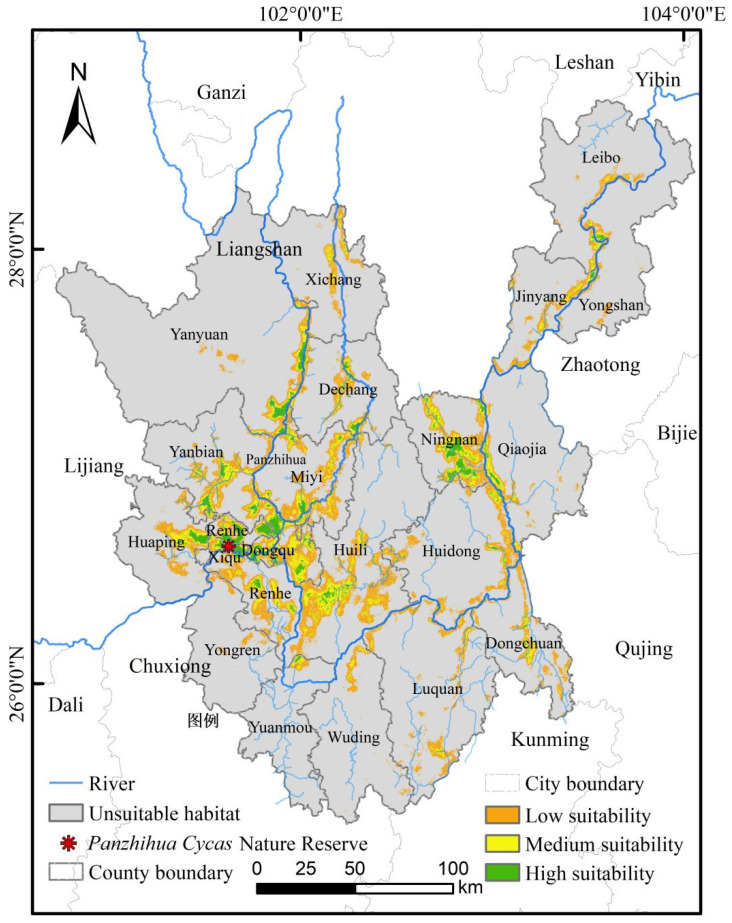 Figure 2
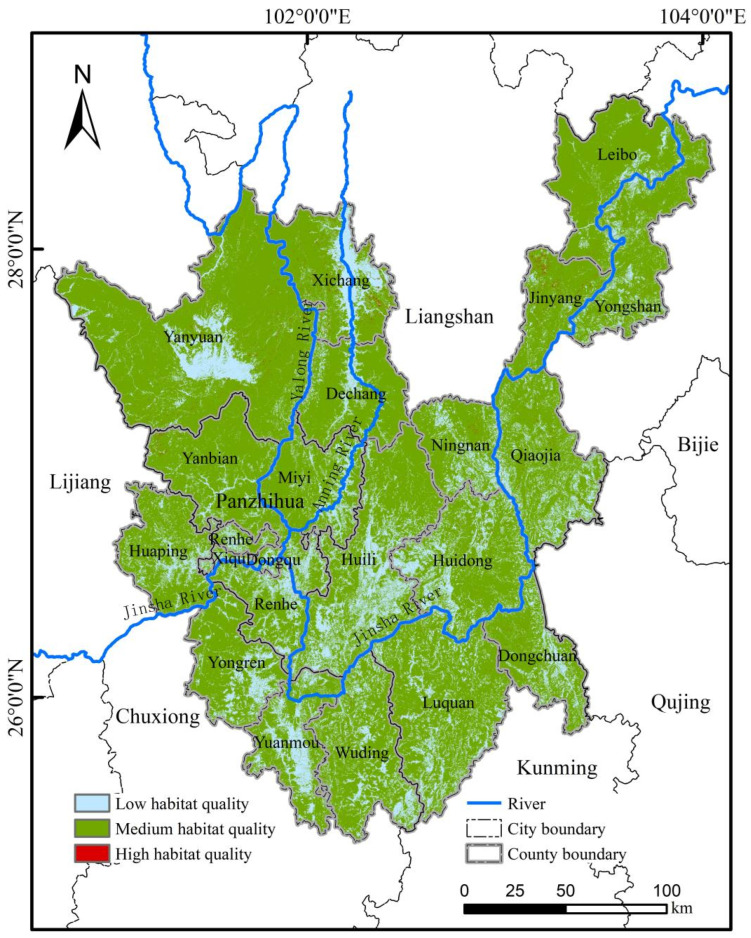 Figure 3
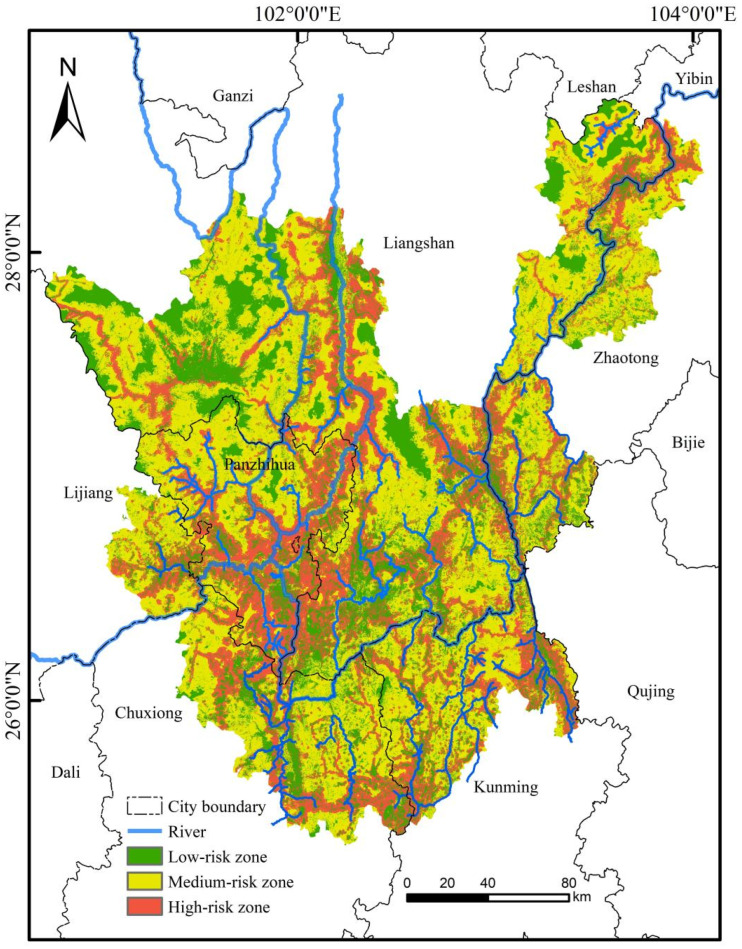 Figure 4
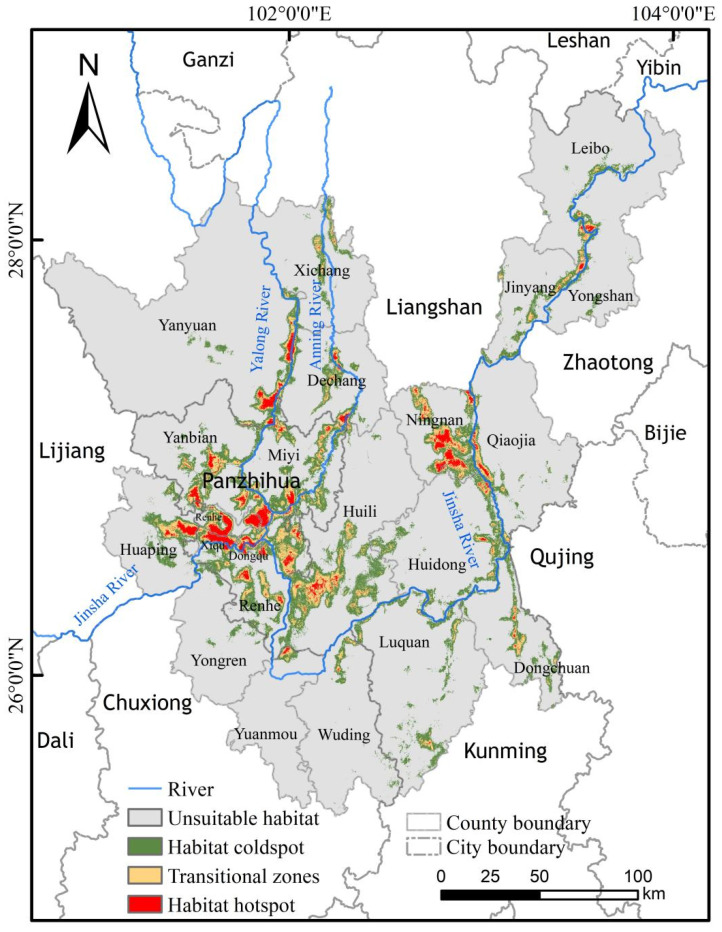 Figure 5
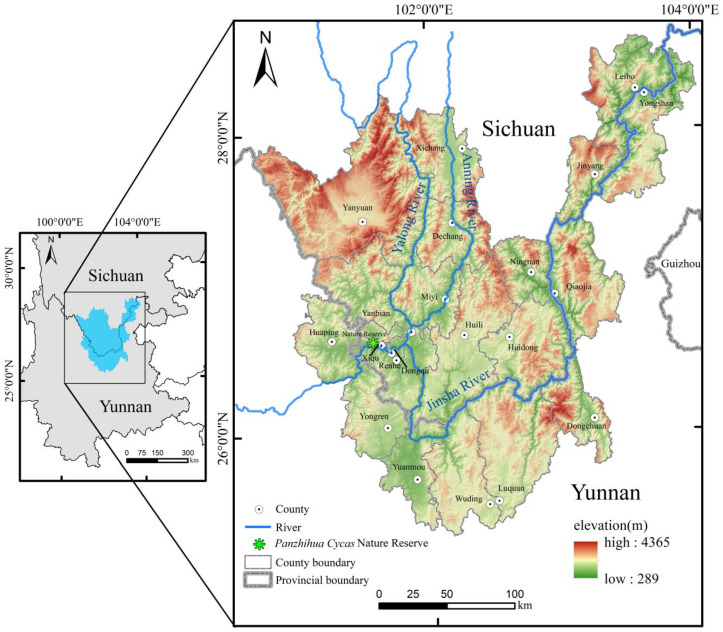 Figure 6
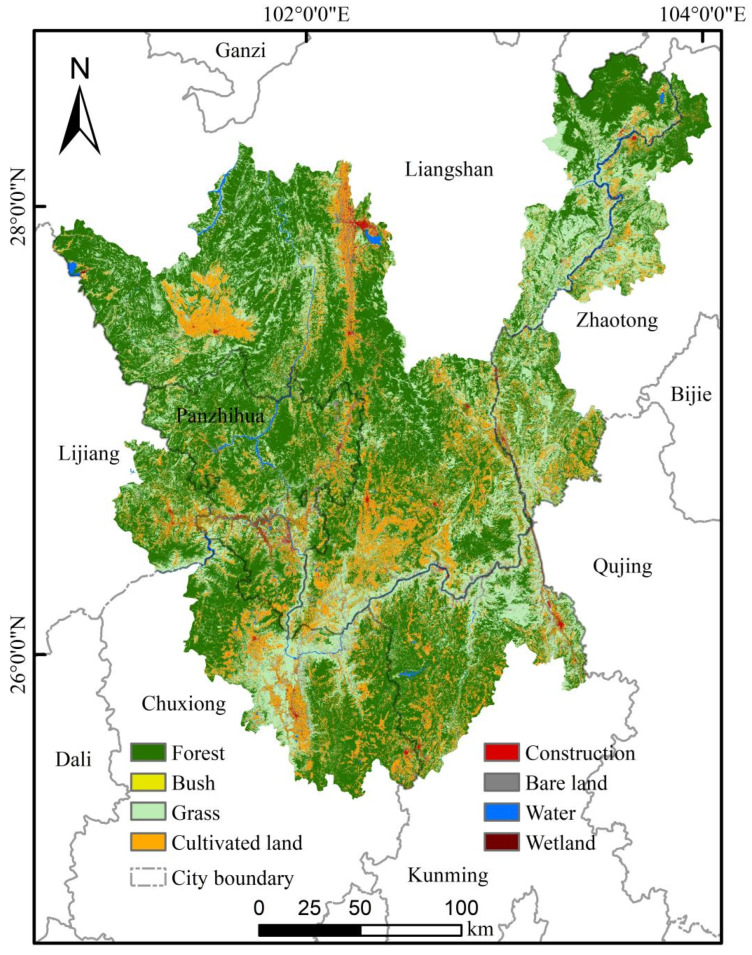 Figure 7
Peer Reviews
No public reviews on file for this paper yet. If you reviewed it on a platform where reviews are public (OpenReview, ICLR, NeurIPS, ICML), you can paste yours below so the community can read it here.
Videos
No videos yet. Explain this paper in a talk, walkthrough, or lecture? Add one.
Taxonomy
TopicsBotany and Geology in Latin America and Caribbean · Species Distribution and Climate Change · Environmental and Cultural Studies in Latin America and Beyond