Identification of Novel Extracellular-Signal-Regulated Kinase 2 Inhibitors Through Machine Learning-Driven De Novo Design, Molecular Docking, and Free-Energy Perturbation
Ibrahim A. Alsarra, Mahima Sudhir Kolpe, Md Ataul Islam

TL;DR
This study uses machine learning and computational methods to design new ERK2 inhibitors, which could lead to better drugs for targeting cell signaling pathways.
Contribution
A novel ML-driven de novo design approach identifies ERK2 inhibitors with high binding affinity and drug-like properties.
Findings
Four molecules (Ek1-Ek4) showed high ERK2 binding affinity (-9.50 to -10.50 kcal/mol) via molecular docking.
MD simulations confirmed strong ERK2 binding and low backbone deviation for the proposed molecules.
Ek1 exhibited higher FEP energy (-26.85 kJ/mol) than a standard molecule, indicating stronger binding.
Abstract
Background: The extracellular-signal-regulated kinase (ERK) cascade regulates cell proliferation, differentiation, and survival, and ERK2 mediates substrate phosphorylation, influencing gene expression and cellular functions. Methods: In the current study, a pool of new molecules was generated using the DeLA-Drug, a machine learning (ML)-assisted de novo design tool. The chemical space was reduced through a similarity search against active ERK2 inhibitors and molecular docking with AutoDock vina, followed by pharmacokinetic assessment in DeepPK. Poses of the final selected molecules were refined in DiffDock, and dynamicity was assessed through molecular dynamics (MD) simulation. Finally, the free-energy perturbation (FEP)-based binding affinity was explored in Gromacs2023.4. Results: From the above approaches, four molecules (Ek1, Ek2, Ek3, and Ek4) were identified as promising…
Genes, proteins, chemicals, diseases, species, mutations and cell lines named across the full text — each resolved to its canonical identifier and authoritative record.
Click any figure to enlarge with its caption.
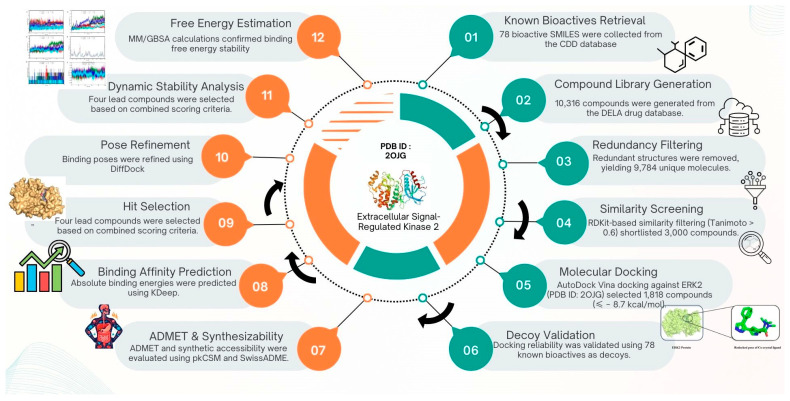 Figure 1
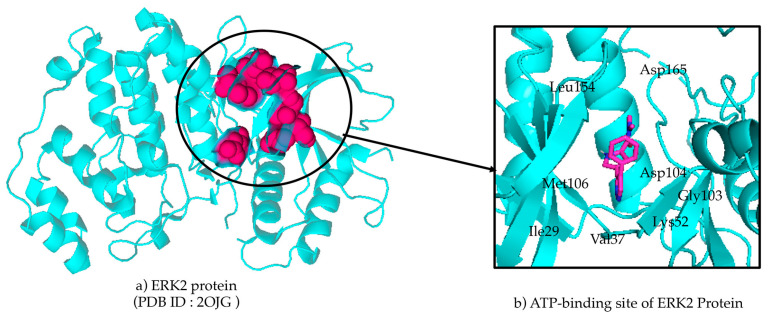 Figure 2
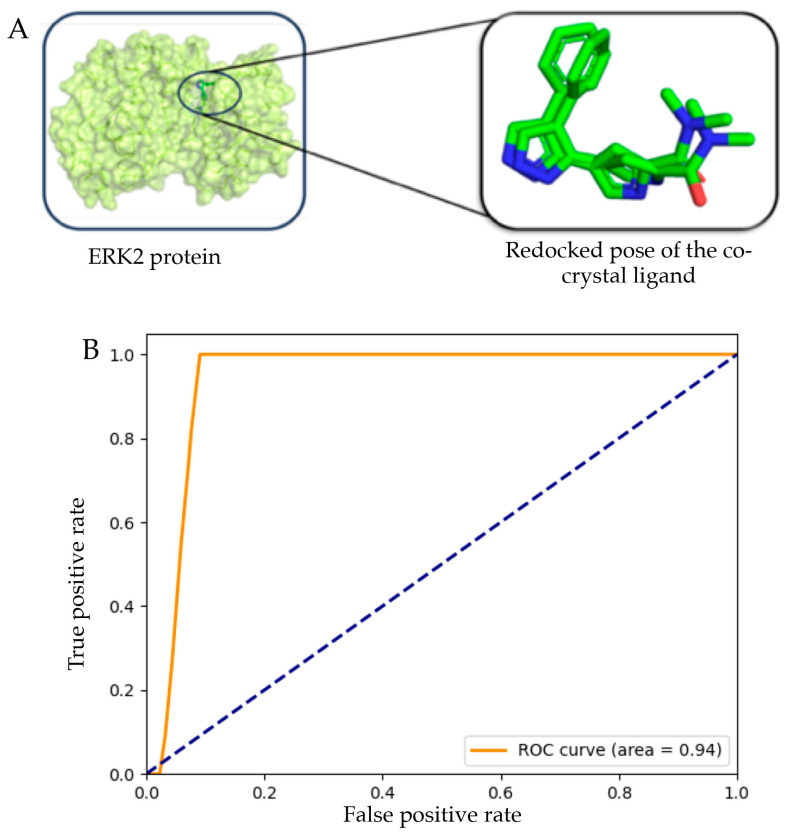 Figure 3
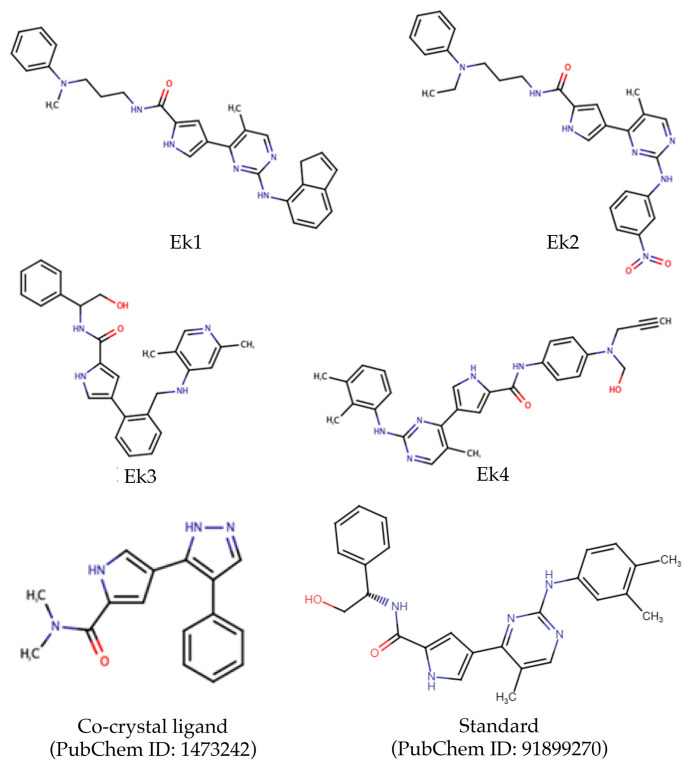 Figure 4
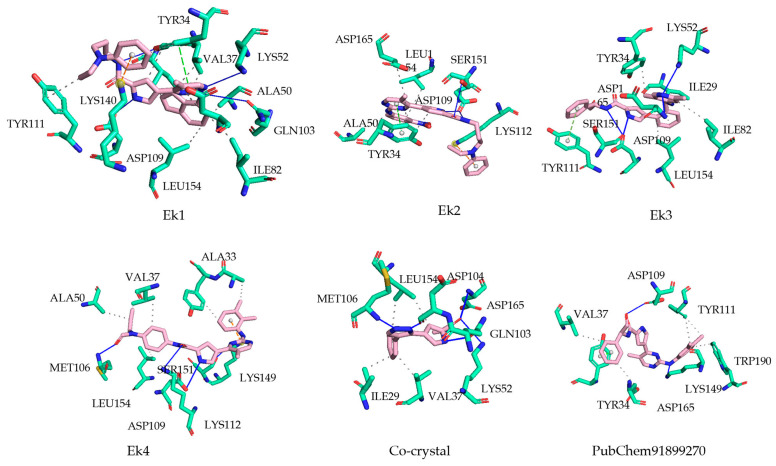 Figure 5
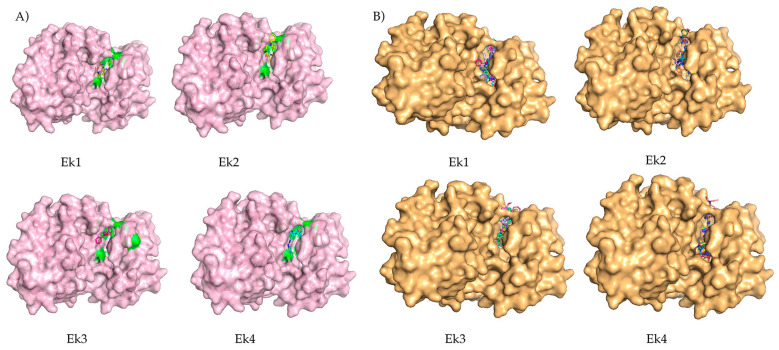 Figure 6
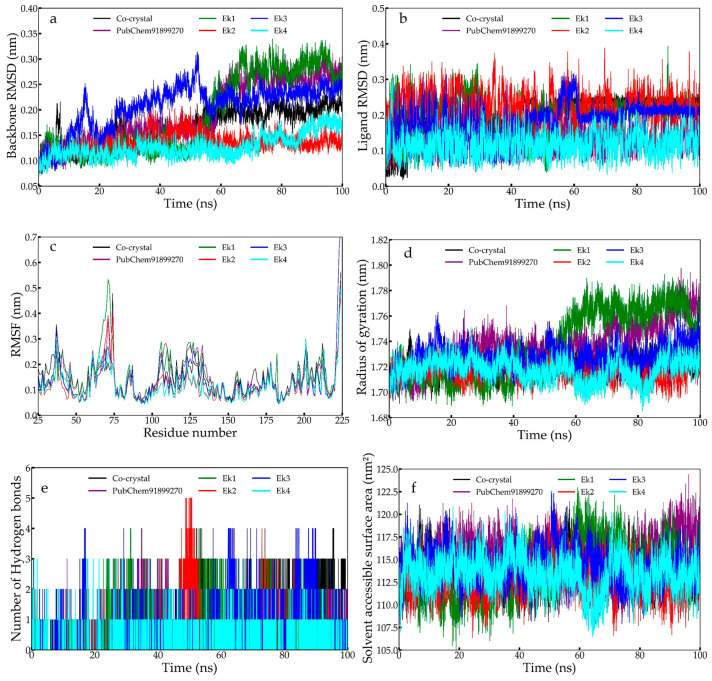 Figure 7
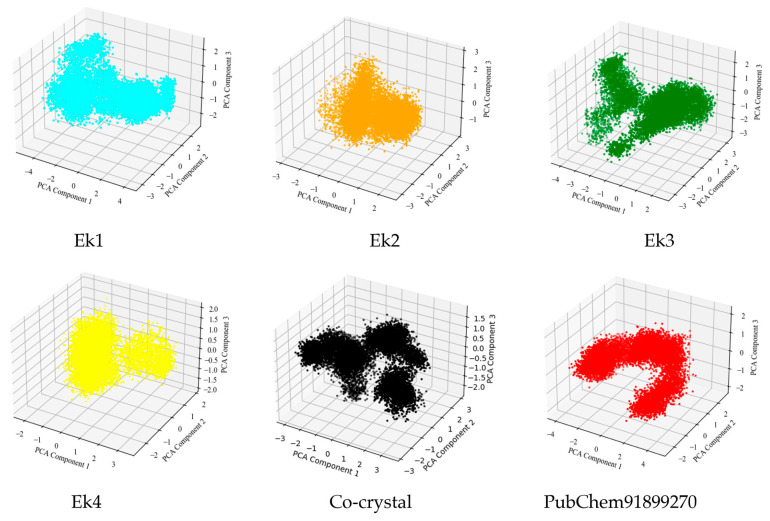 Figure 8
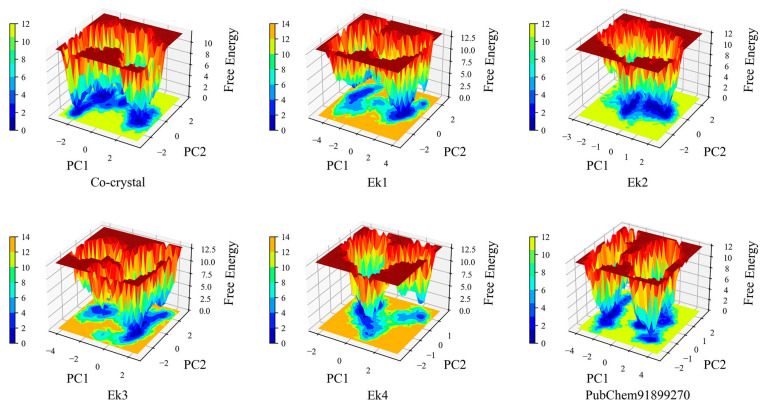 Figure 9
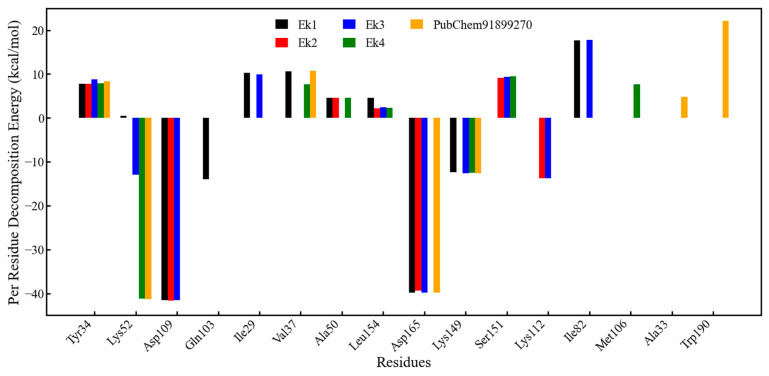 Figure 10
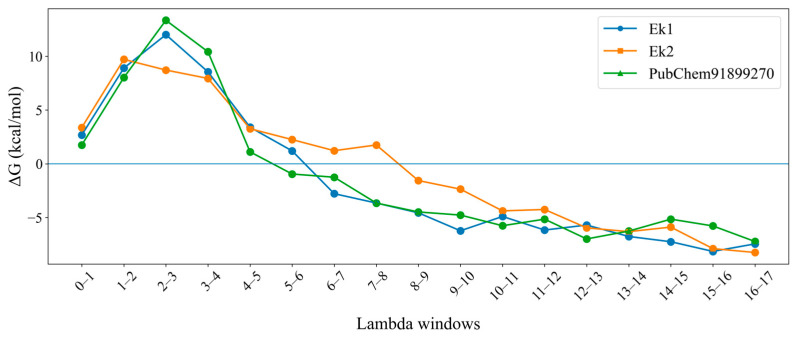 Figure 11
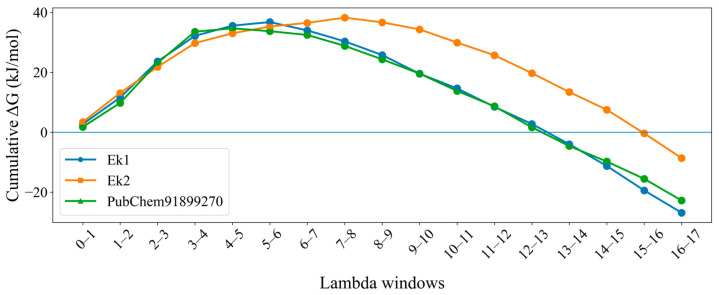 Figure 12
Peer Reviews
No public reviews on file for this paper yet. If you reviewed it on a platform where reviews are public (OpenReview, ICLR, NeurIPS, ICML), you can paste yours below so the community can read it here.
Videos
No videos yet. Explain this paper in a talk, walkthrough, or lecture? Add one.
Taxonomy
TopicsMelanoma and MAPK Pathways · Computational Drug Discovery Methods · Synthesis and biological activity