Compressing Experiences of Optical Resolution Trials, Based on Diastereomeric Salt or Co-Crystal Formation, into Ternary Equilibrium Melting Phase Diagrams of Two Chiral Enantiomers and a Resolving Agent Molecule with the Help of DSC and Powder XRD
János Madarász

TL;DR
This paper explores using simple methods to predict successful optical separation of enantiomers through diastereomeric salt formation and phase diagrams.
Contribution
The study introduces a method to predict enantiomer separation success using DSC and XRD to create ternary phase diagrams.
Findings
Ternary melting diagrams can predict favorable conditions for enantiomer separation.
DSC and powder XRD are effective for constructing these diagrams.
Indexing and modeling of a diastereomeric salt's unit cell was successfully performed using DASH software.
Abstract
This study contains a combination of a review and a related individual case study, which discusses the possibility of predicting the success of enantiomers’ optical separation using fractional crystallization of diastereomeric salts. The key idea is to use relatively simple and rapid experimental methods, such as differential scanning calorimetry (DSC) and powder X-ray diffraction (XRD), to construct ternary melting diagrams. These diagrams can be used for visualization and predicting compositional conditions favorable for successful separation. The main limitations are also mentioned, such as the ideal eutectic behavior of components and the need to identify all crystalline phases in the system. For demonstration, three novel studies, attempts in ternary resolution systems of racemic o- and p-chloromandelic acids with chiral 1-cyclohexylethylamine or pregabalin, resulting in either…
Genes, proteins, chemicals, diseases, species, mutations and cell lines named across the full text — each resolved to its canonical identifier and authoritative record.
Click any figure to enlarge with its caption.
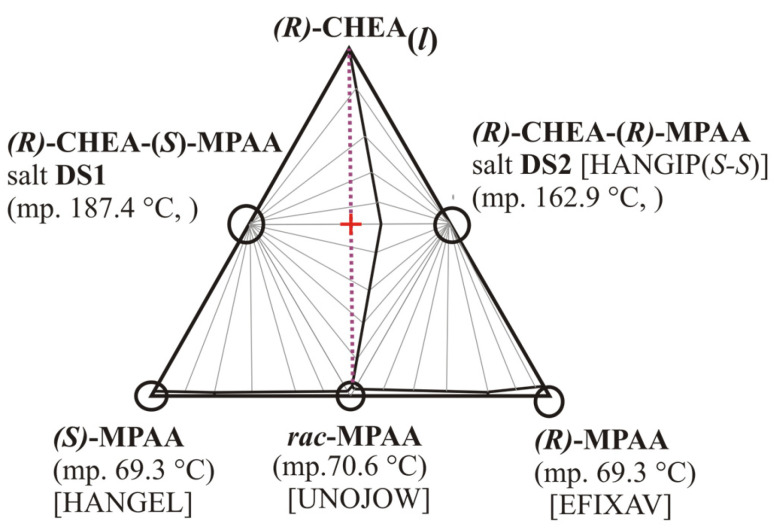 Figure 1
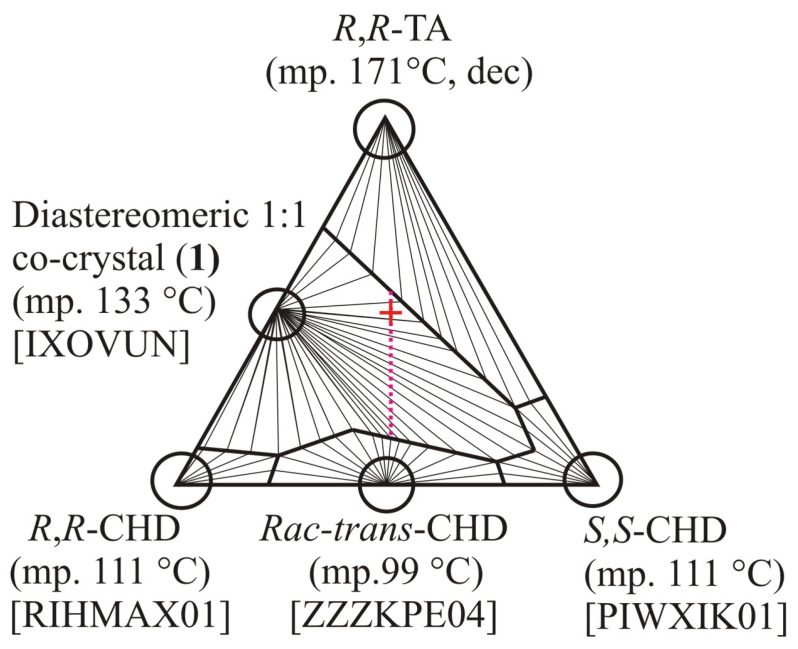 Figure 2
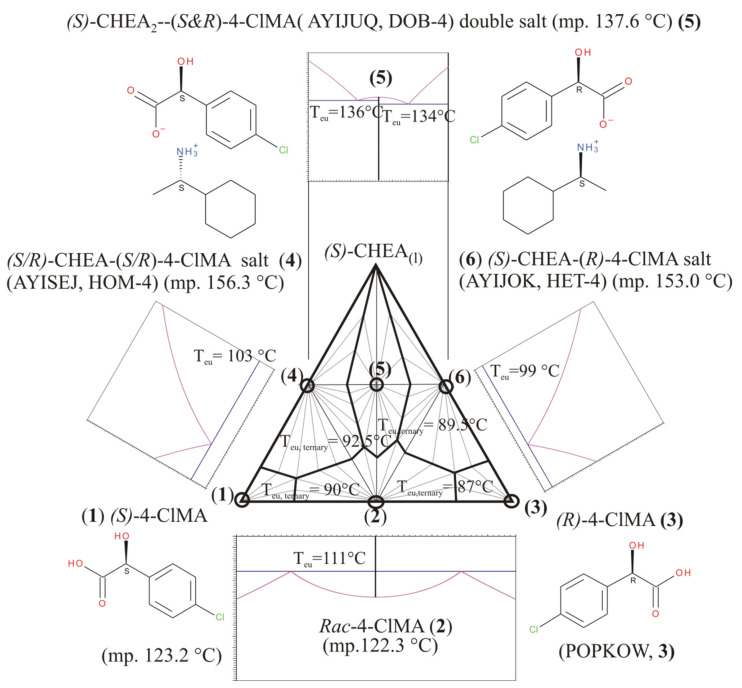 Figure 3
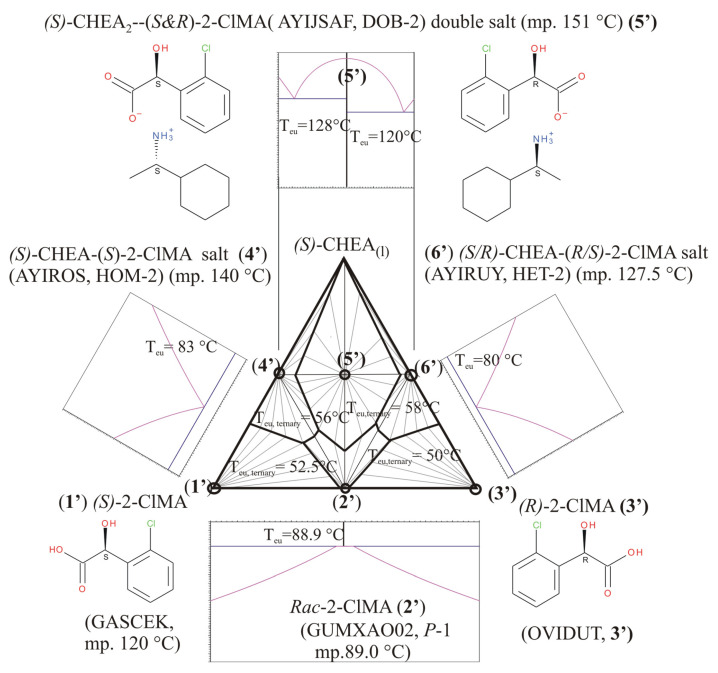 Figure 4
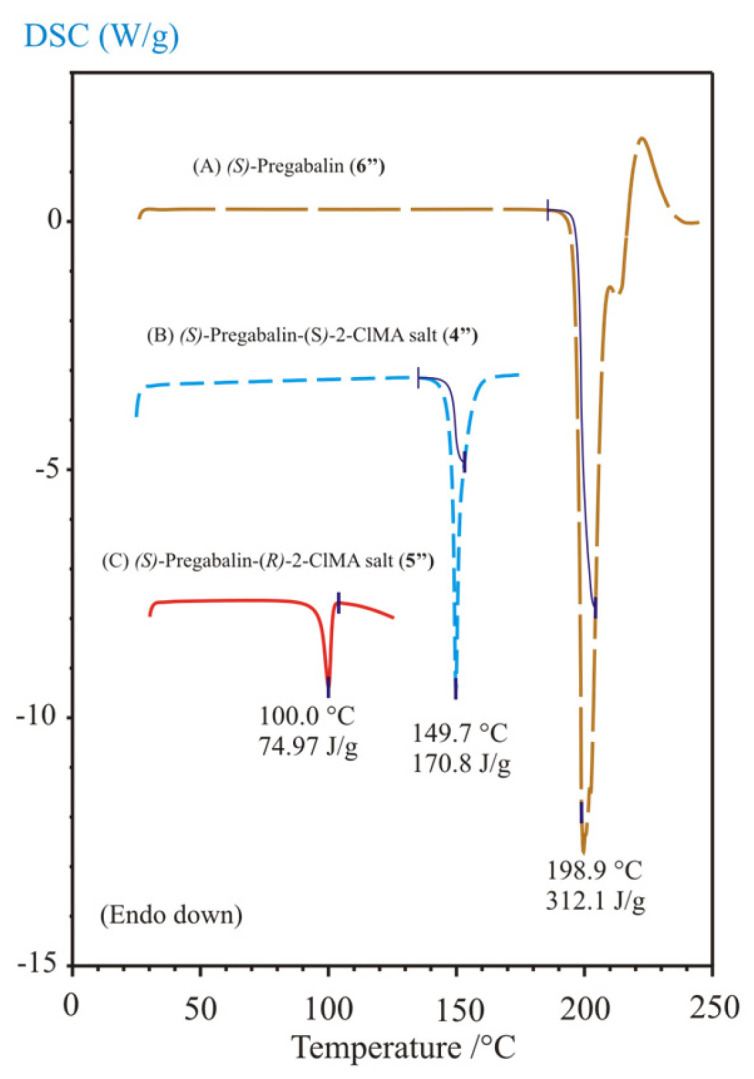 Figure 5
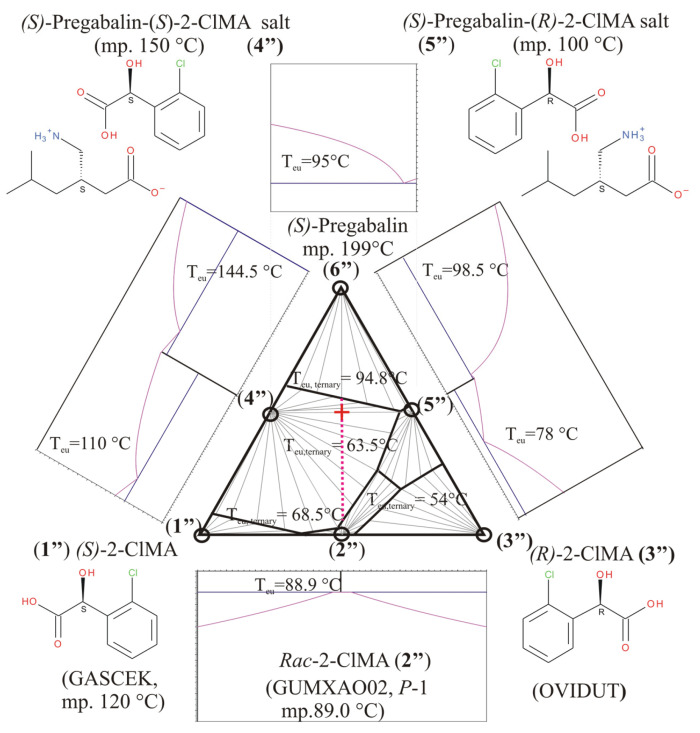 Figure 6
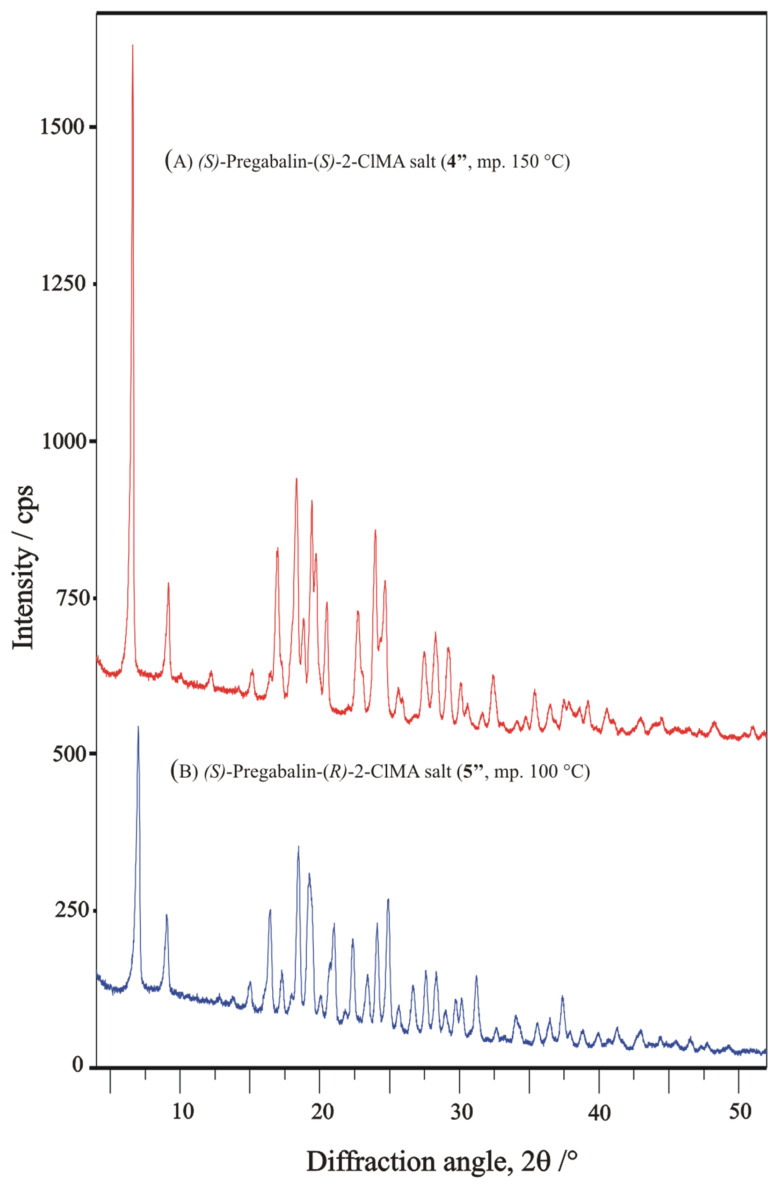 Figure 7
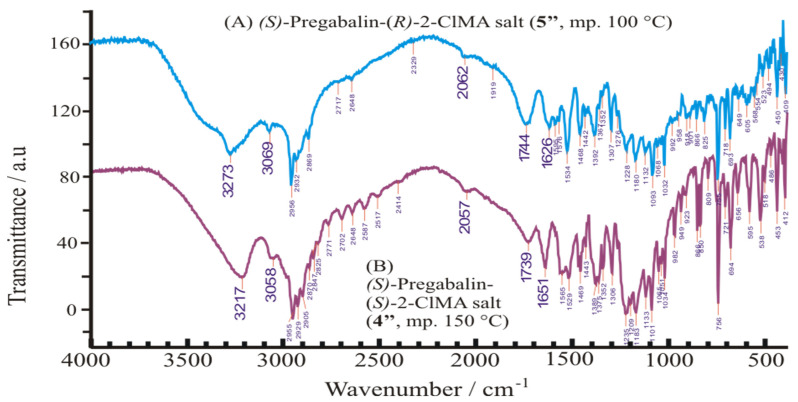 Figure 8
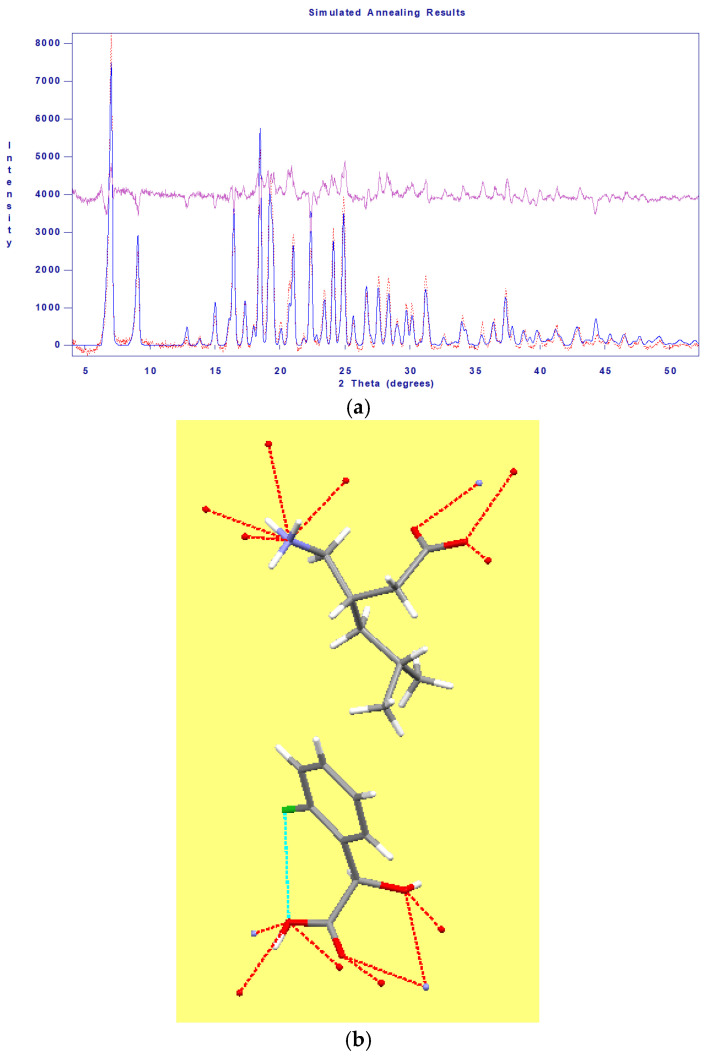 Figure 9
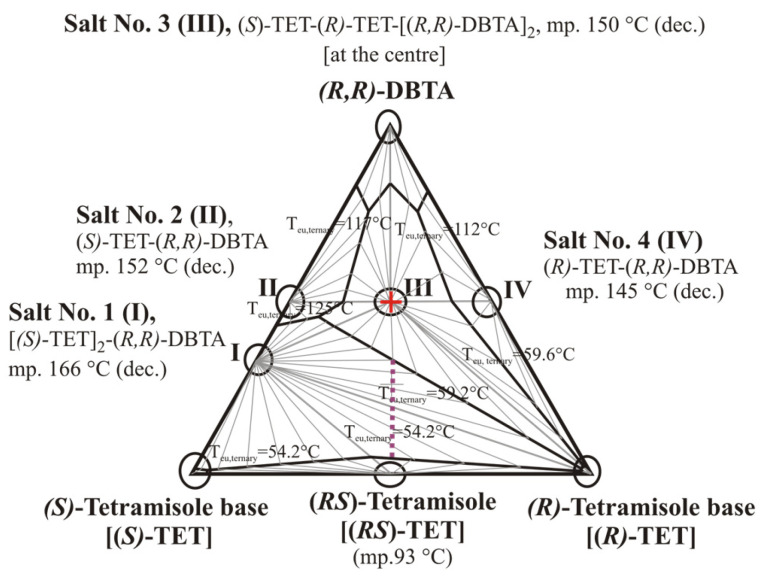 Figure 10
Peer Reviews
No public reviews on file for this paper yet. If you reviewed it on a platform where reviews are public (OpenReview, ICLR, NeurIPS, ICML), you can paste yours below so the community can read it here.
Videos
No videos yet. Explain this paper in a talk, walkthrough, or lecture? Add one.
Taxonomy
TopicsCrystallization and Solubility Studies · X-ray Diffraction in Crystallography · Crystallography and molecular interactions