An Integrated Network Biology and Molecular Dynamics Approach Identifies CD44 as a Promising Therapeutic Target in Multiple Sclerosis
Mohammad Abdullah Aljasir

TL;DR
This study uses network biology and molecular simulations to identify CD44 as a potential treatment target for multiple sclerosis, with Obeticholic acid showing strong binding potential.
Contribution
The novel integration of network-based gene profiling and molecular dynamics simulations identifies CD44 as a therapeutic target in MS.
Findings
CD44 had the highest degree score (15) among differentially expressed genes in MS.
Obeticholic acid showed the best docking score (-6.3 kcal/mol) and stability in MD simulations.
MD simulations confirmed structural stability and flexibility consistency for Obeticholic acid.
Abstract
Background: Multiple sclerosis (MS) is a neuroinflammatory disease characterized by autoimmune-driven inflammation in the central nervous system that damages axons and destroys myelin. It is difficult to diagnose multiple sclerosis due to its complexity, and different people may react differently to different treatments. While the exact cause of multiple sclerosis (MS) and the reasons for its increasing prevalence remain unclear, it is widely believed that a combination of genetic predisposition and environmental influences plays a significant role. Methods: Finding biomarkers for complicated diseases like multiple sclerosis (MS) is made more promising by the emergence of network and system biology technologies. Currently, using tools like Network Analyst to apply network-based gene expression profiling provides a novel approach to finding potential medication targets followed by…
Genes, proteins, chemicals, diseases, species, mutations and cell lines named across the full text — each resolved to its canonical identifier and authoritative record.
Click any figure to enlarge with its caption.
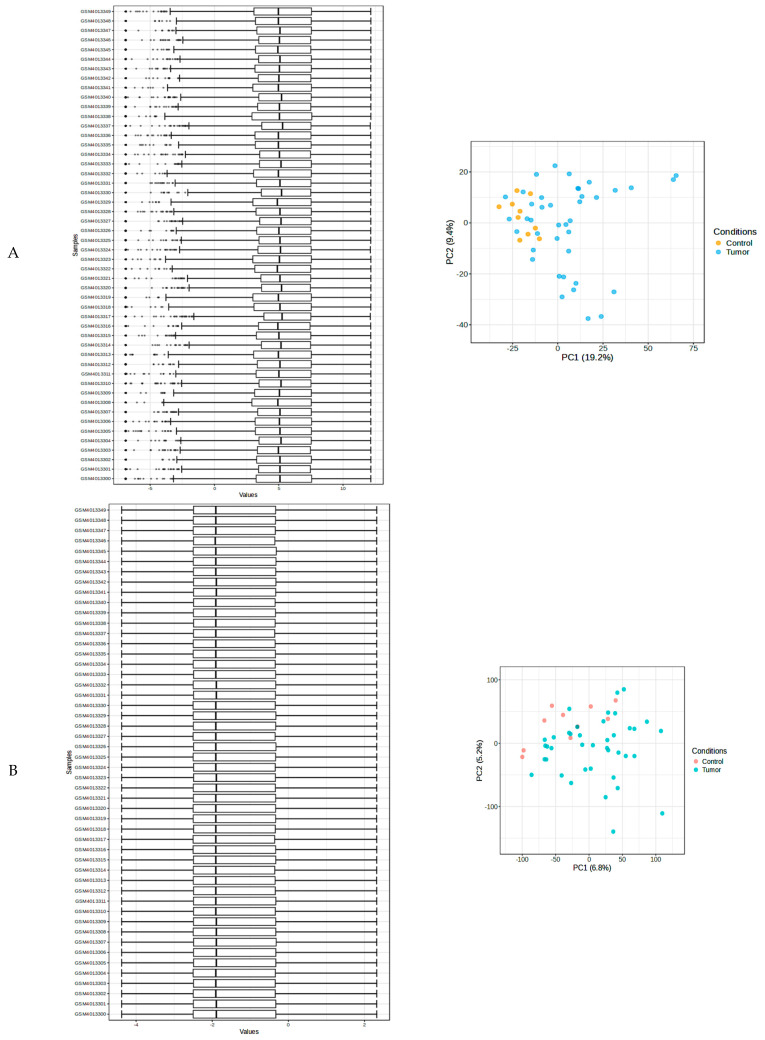 Figure 1
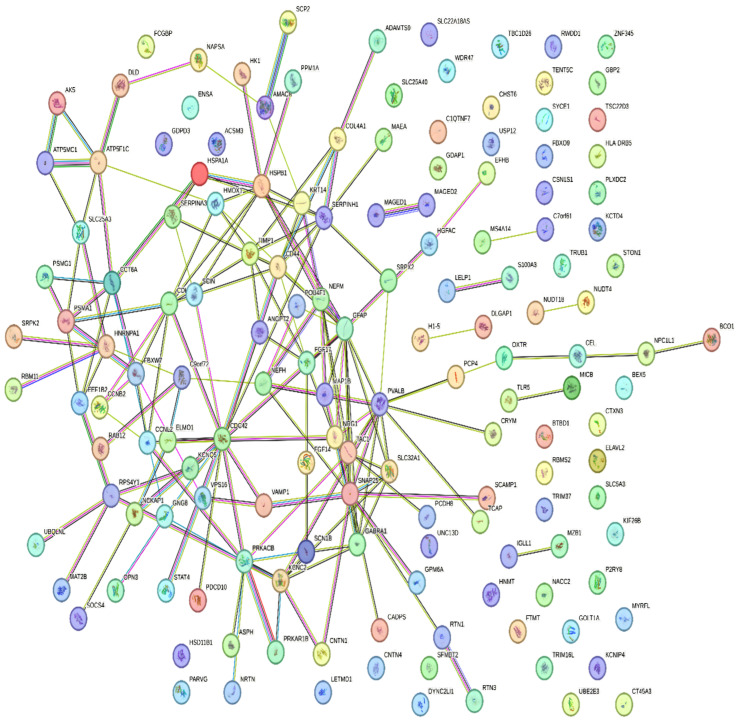 Figure 2
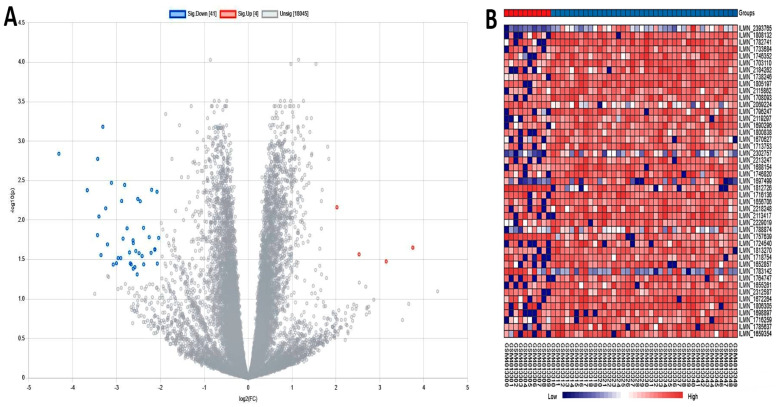 Figure 3
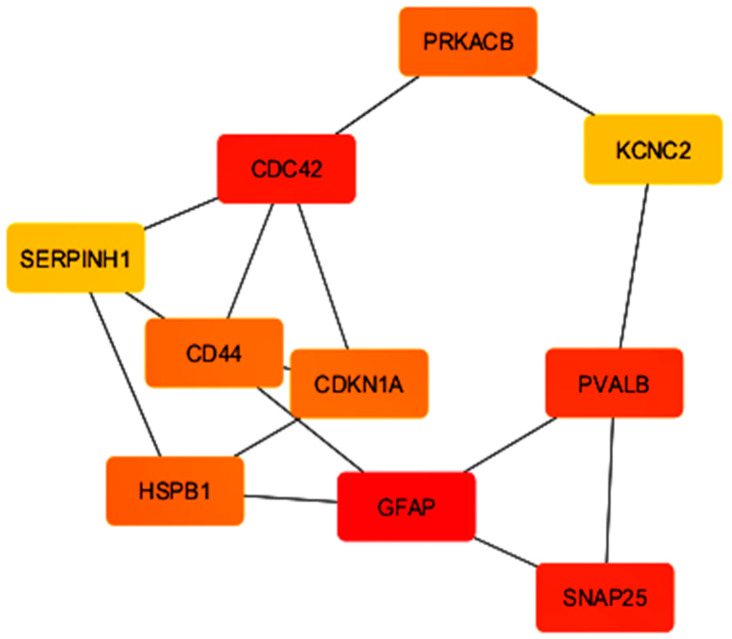 Figure 4
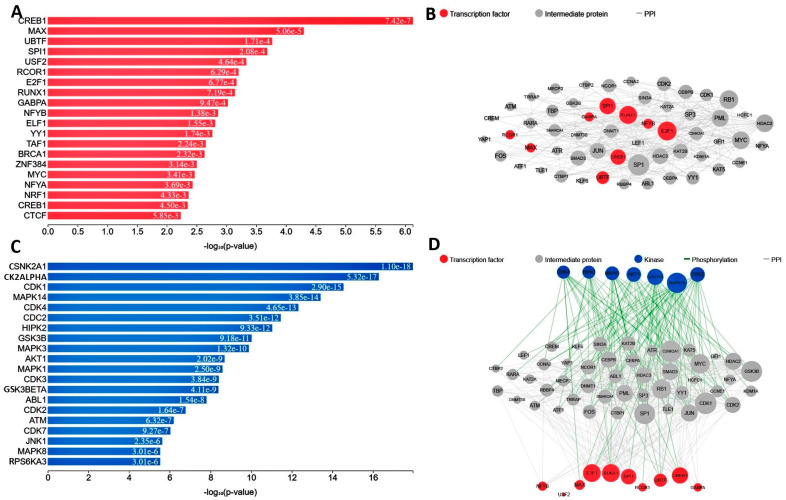 Figure 5
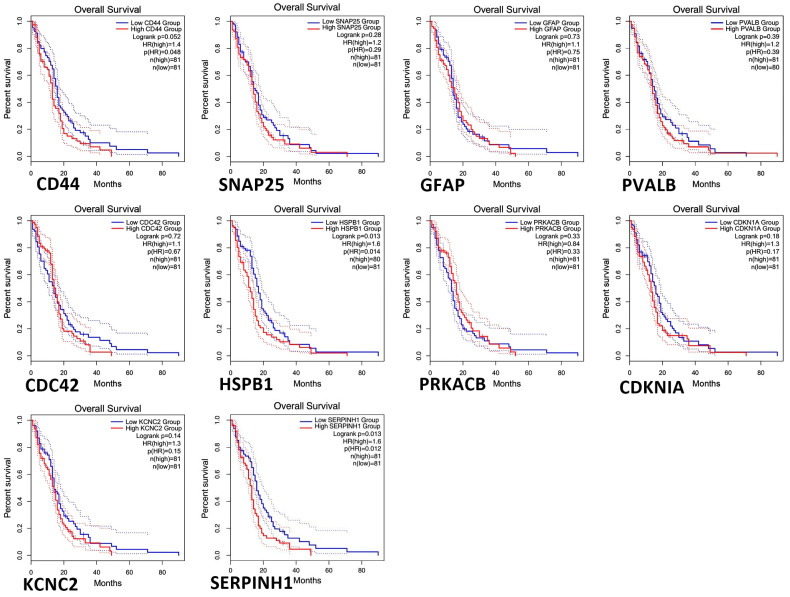 Figure 6
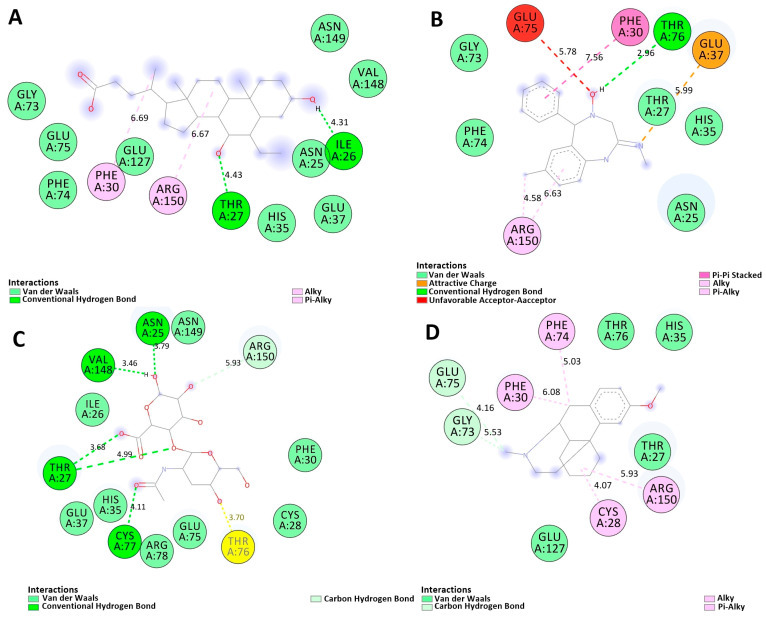 Figure 7
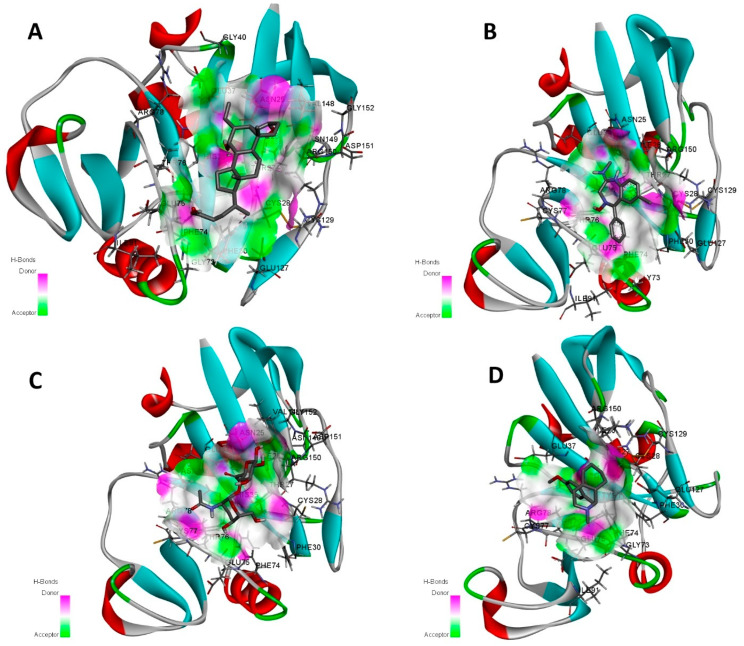 Figure 8
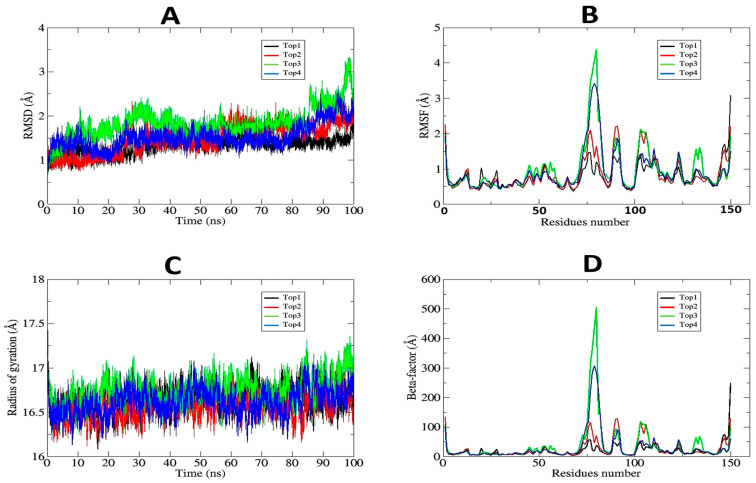 Figure 9
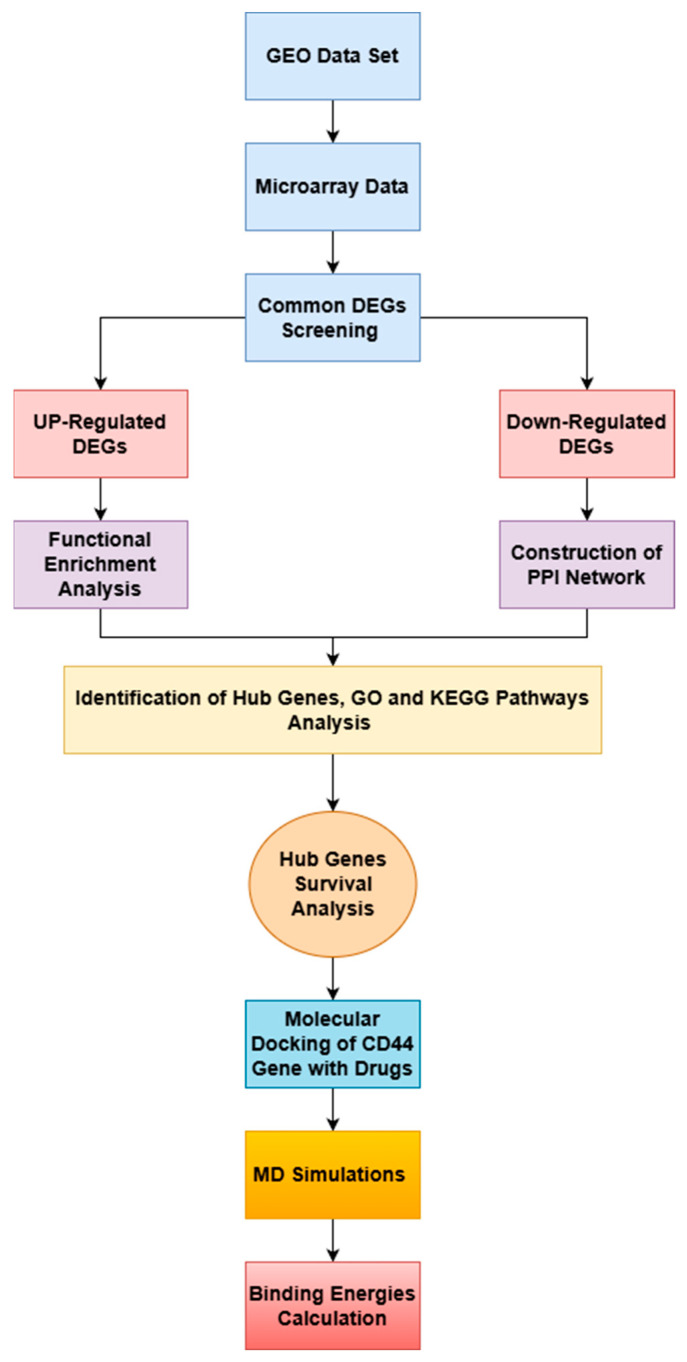 Figure 10
Peer Reviews
No public reviews on file for this paper yet. If you reviewed it on a platform where reviews are public (OpenReview, ICLR, NeurIPS, ICML), you can paste yours below so the community can read it here.
Videos
No videos yet. Explain this paper in a talk, walkthrough, or lecture? Add one.
Taxonomy
TopicsProteoglycans and glycosaminoglycans research · Multiple Sclerosis Research Studies · Advanced Biosensing Techniques and Applications