Navigating the Challenges of Metallopharmaceutical Agents: Strategies and Predictive Modeling for Skin Cancer Therapy
Fernanda van Petten Vasconcelos Azevedo, Ana Lúcia Tasca Gois Ruiz, Diego Samuel Rodrigues, Douglas Hideki Nakahata, Raphael Enoque Ferraz de Paiva, Daniele Ribeiro de Araujo, Ana Carola de La Via, Wendel Andrade Alves, Michelle Barreto Requena, Cristina Kurachi

TL;DR
This review explores innovative strategies and modeling techniques to improve metal-based drugs for skin cancer treatment, addressing challenges like poor solubility and skin permeability.
Contribution
The paper provides a comprehensive overview of recent advances in metallopharmaceuticals and delivery systems for skin cancer, emphasizing predictive modeling and novel formulations.
Findings
Metallopharmaceuticals show promise in inducing oxidative stress and modulating cancer pathways.
Drug delivery systems like nanoparticles and microneedles enhance skin permeation and stability of metal complexes.
Computational modeling supports the design of effective nanocarriers for targeted skin cancer therapy.
Abstract
Skin cancer (SC) is the most prevalent malignancy worldwide, with subtypes varying in aggressiveness: basal cell carcinoma tends to be locally invasive, squamous cell carcinoma has a higher metastatic risk, and melanoma remains the deadliest form. Current treatments such as surgery, radiotherapy, and systemic chemotherapy are associated with aesthetic and functional morbidity, recurrence, and/or systemic toxicity. Although targeted therapies and immunotherapies offer clinical benefits, their high cost and limited accessibility underscore the need for innovative, affordable alternatives. Metal-based compounds (metallopharmaceuticals) are promising anticancer agents due to their ability to induce oxidative stress, modulate redox pathways, and interact with DNA. However, clinical translation has been limited by poor aqueous solubility, rapid degradation, and low skin permeability. This…
Genes, proteins, chemicals, diseases, species, mutations and cell lines named across the full text — each resolved to its canonical identifier and authoritative record.
Click any figure to enlarge with its caption.
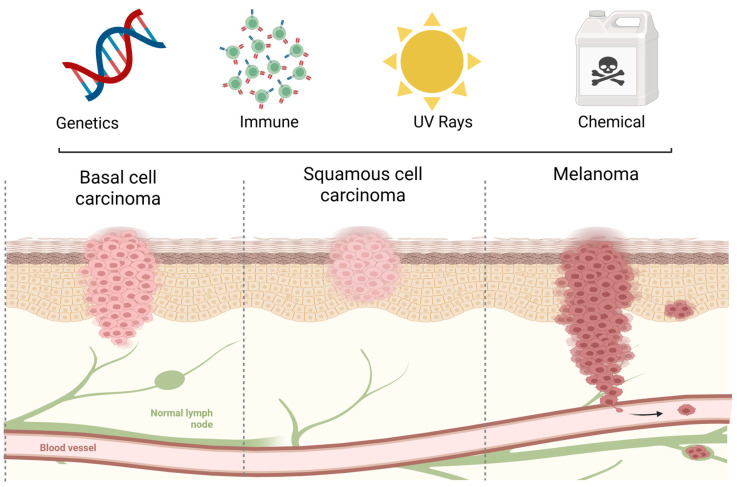 Figure 1
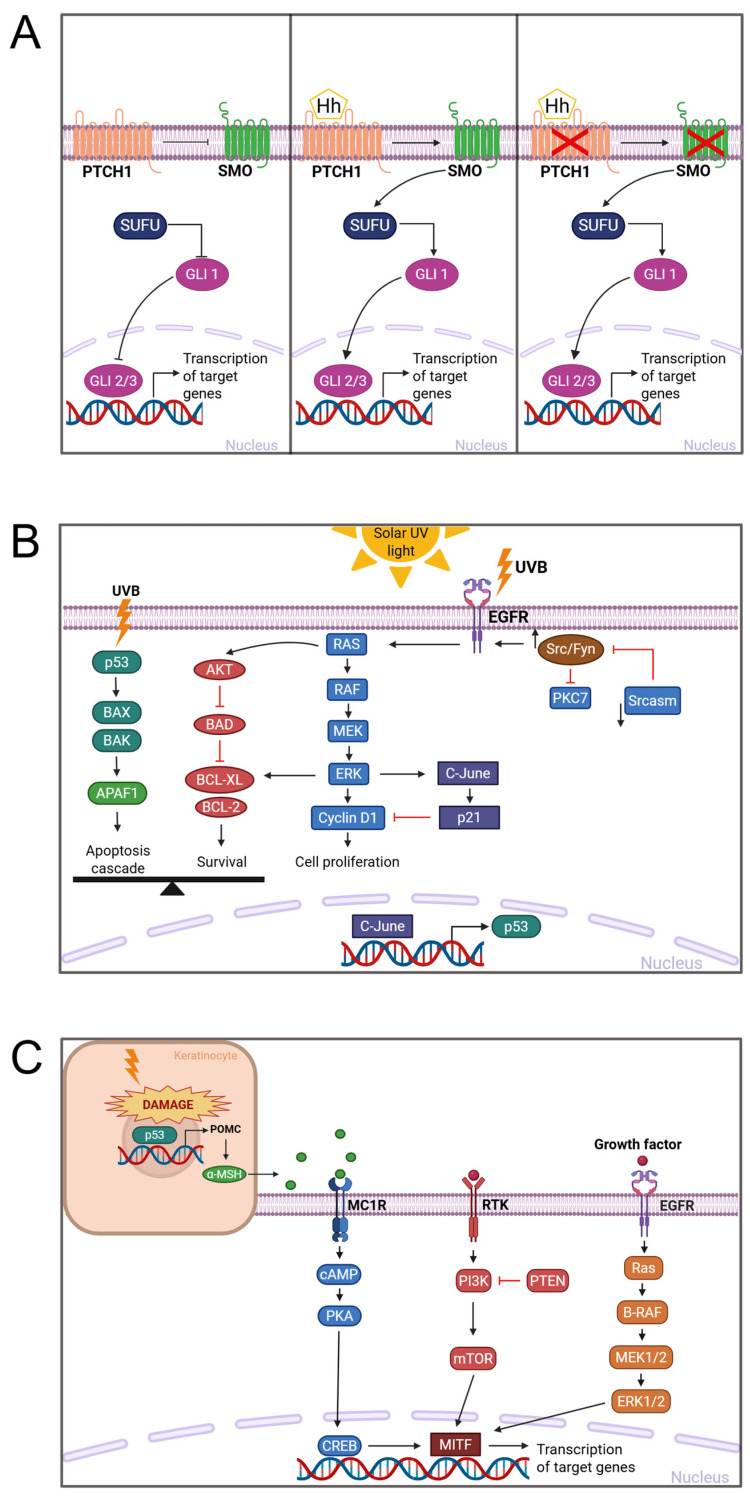 Figure 2
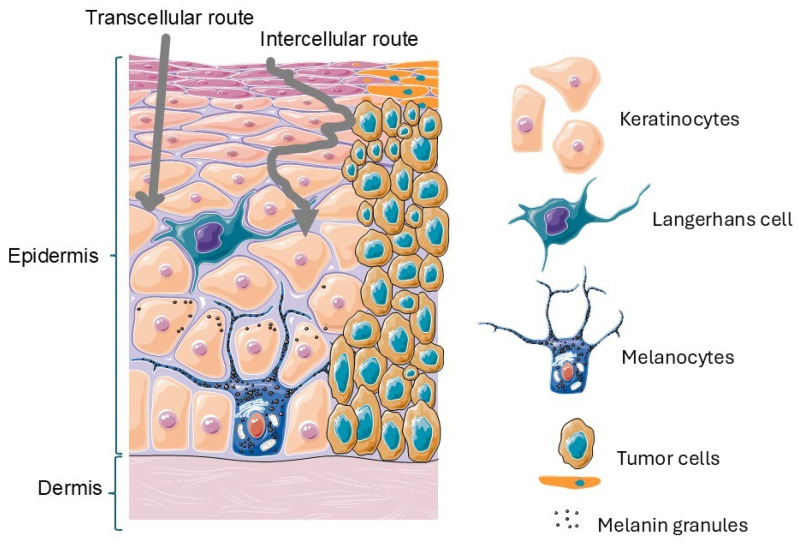 Figure 3
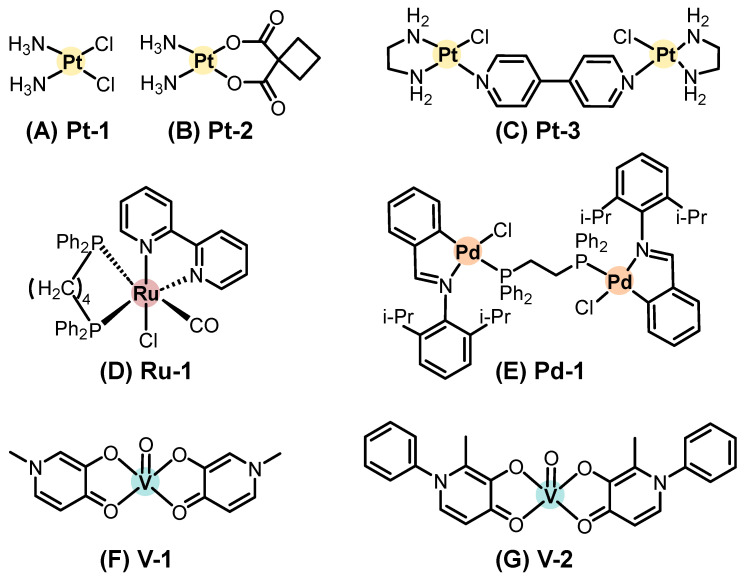 Figure 4
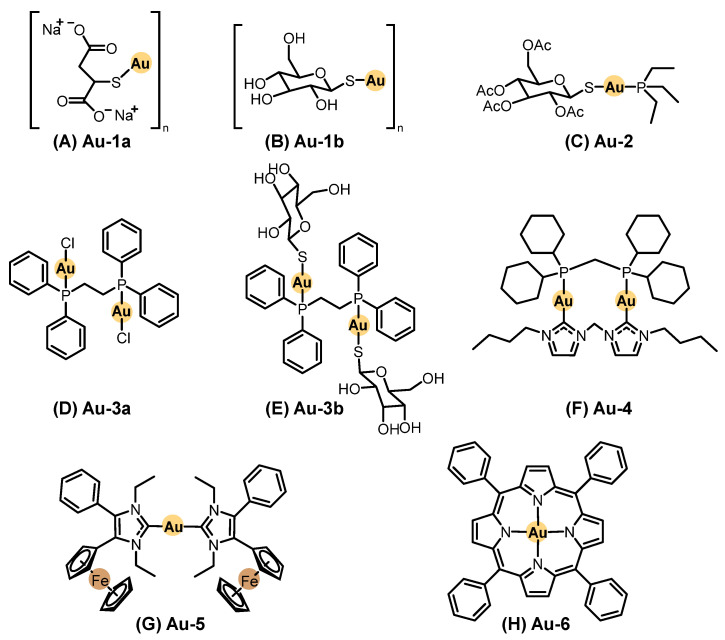 Figure 5
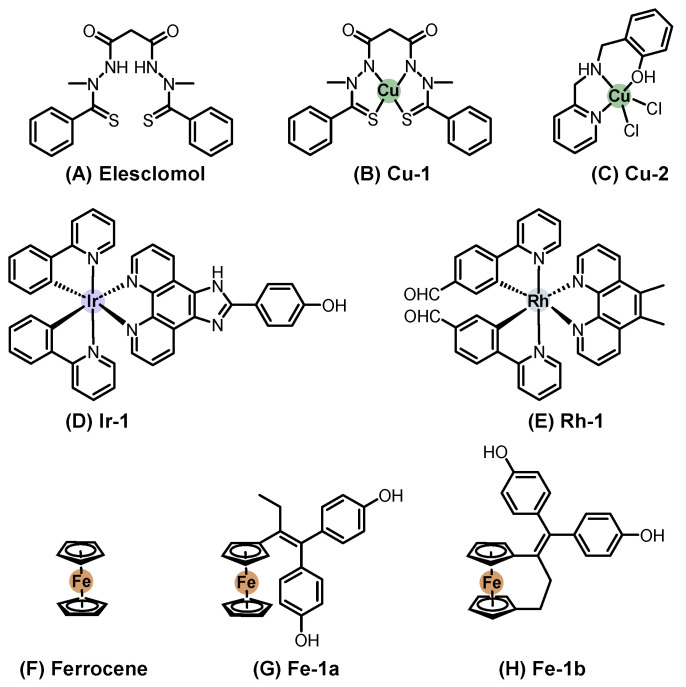 Figure 6
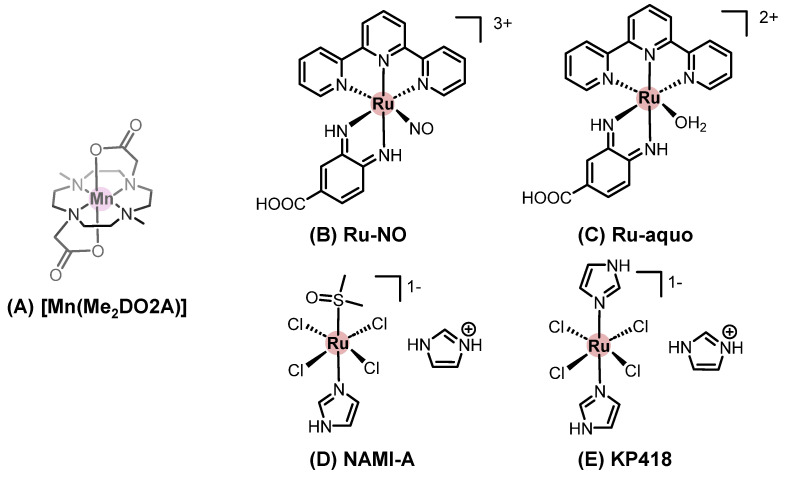 Figure 7
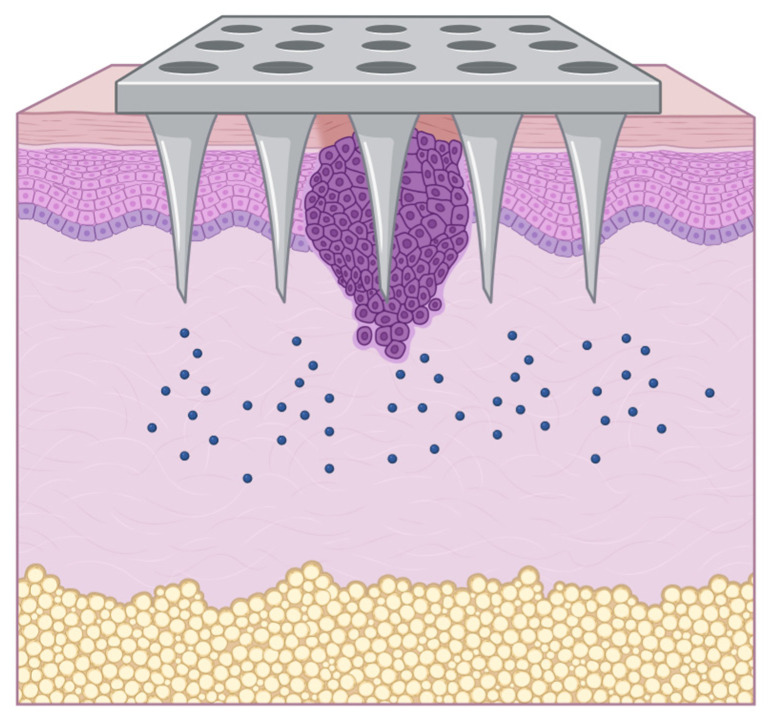 Figure 8
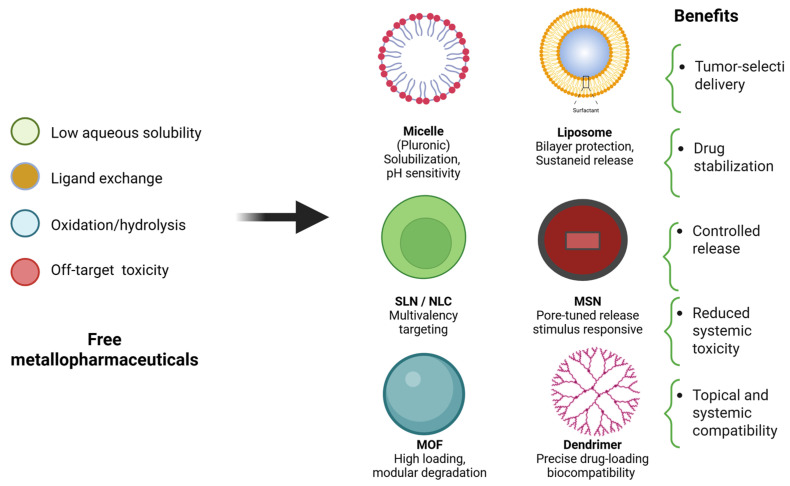 Figure 9
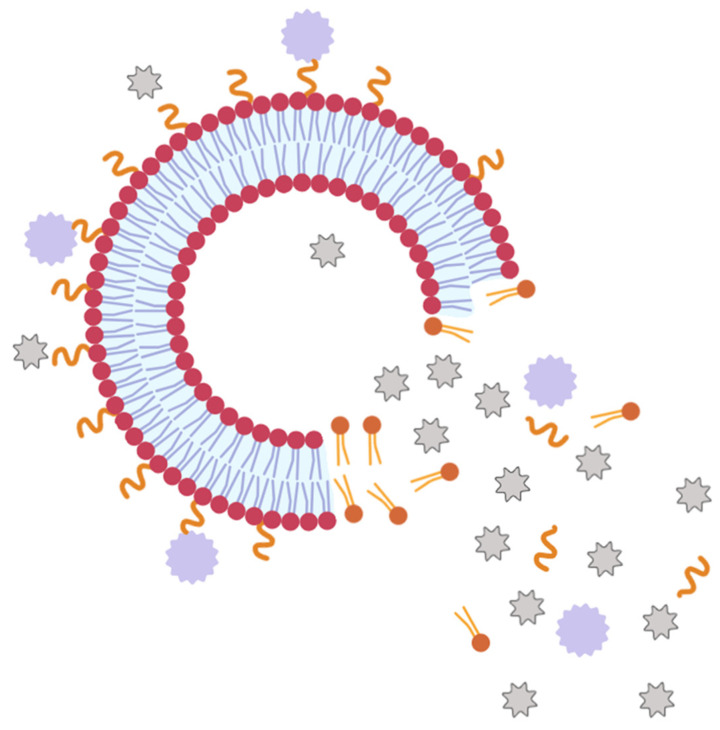 Figure 10
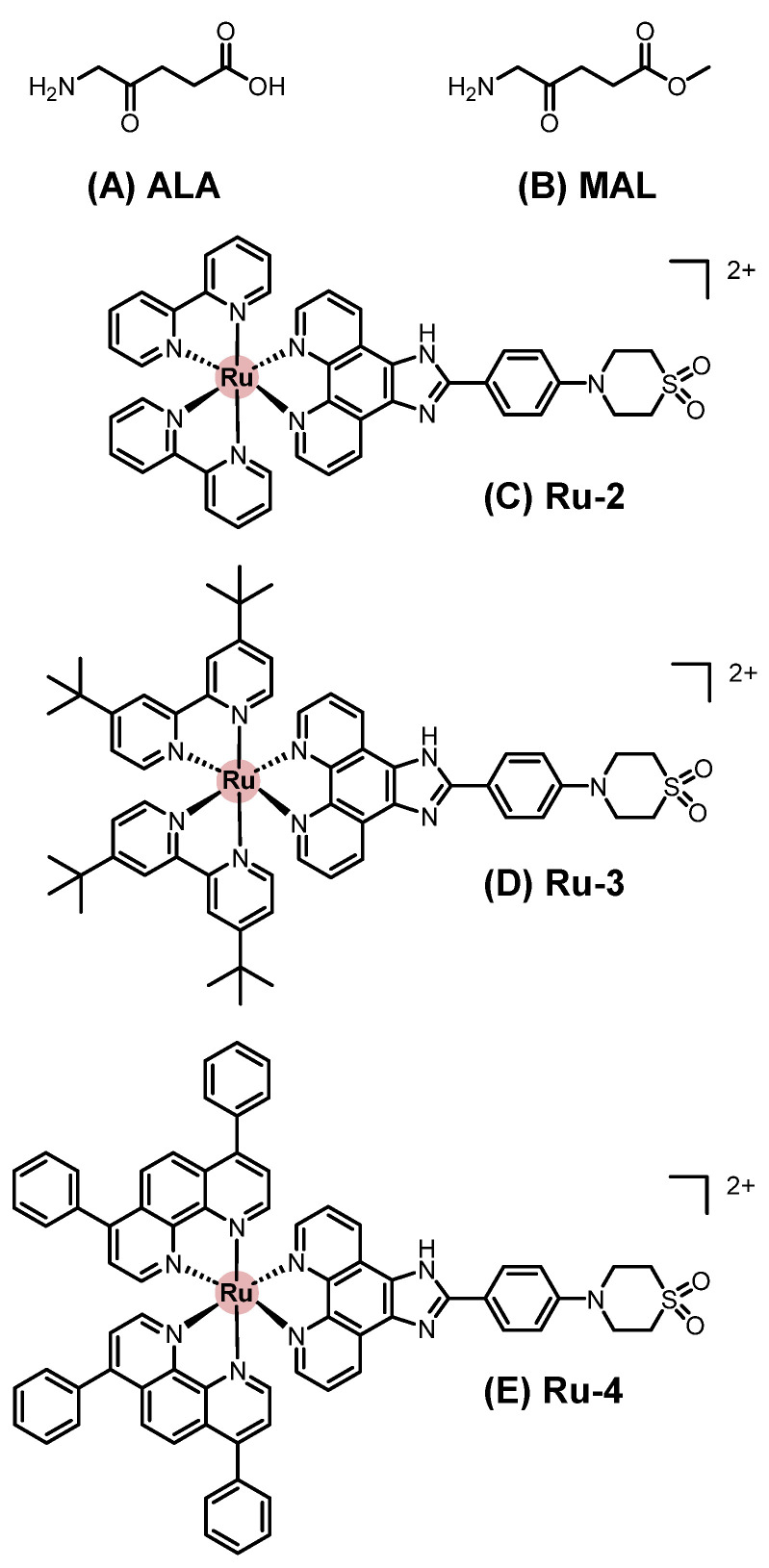 Figure 11
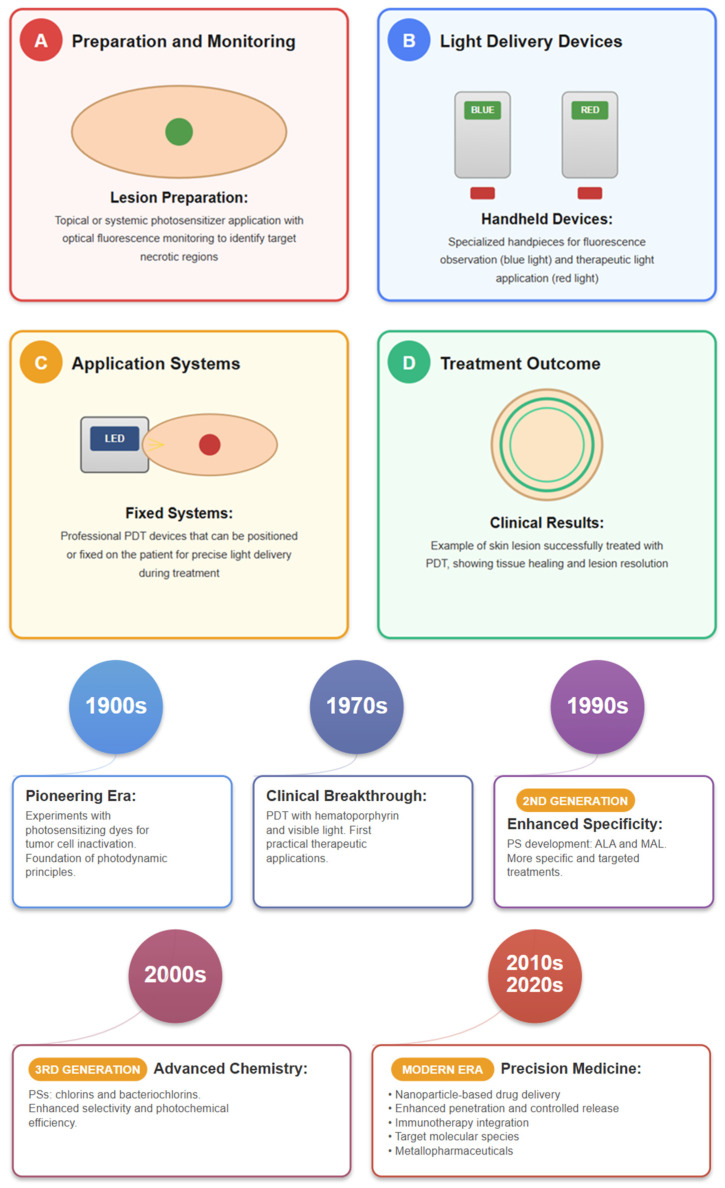 Figure 12
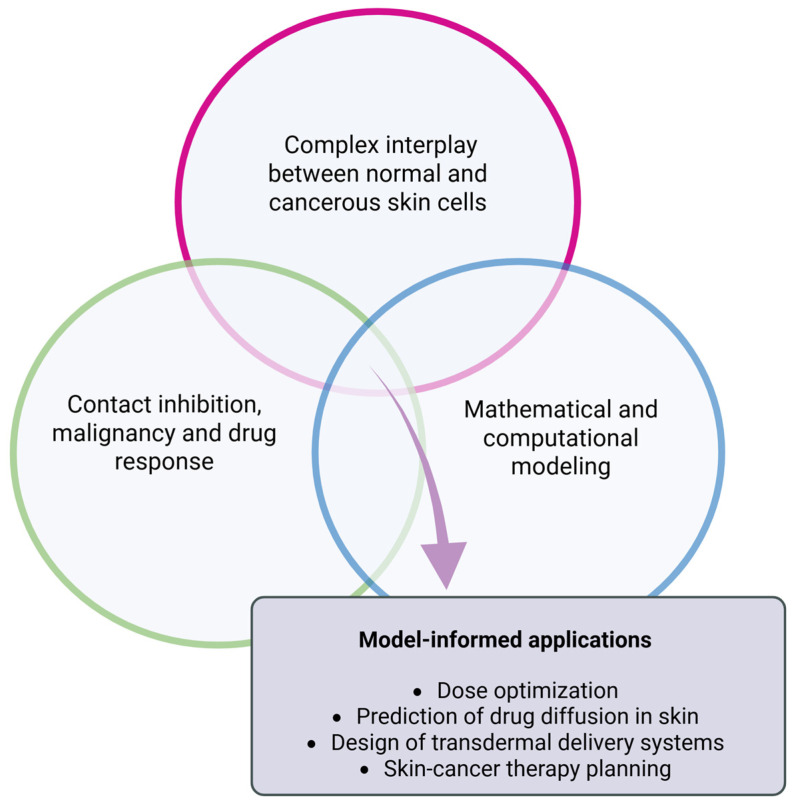 Figure 13
Peer Reviews
No public reviews on file for this paper yet. If you reviewed it on a platform where reviews are public (OpenReview, ICLR, NeurIPS, ICML), you can paste yours below so the community can read it here.
Videos
No videos yet. Explain this paper in a talk, walkthrough, or lecture? Add one.
Taxonomy
TopicsSkin Protection and Aging · Advancements in Transdermal Drug Delivery · Curcumin's Biomedical Applications