Physiologically Based Pharmacokinetic Modelling of Hydroxyurea in Patients with Sickle Cell Disease: A Special Focus on Lactating Women and Breastfed Infants to Inform Safe Dosing and Breastfeeding Strategies
Khaled Abduljalil, Neel Deferm, Anna Murphy, Iain Gardner

TL;DR
This study uses a model to predict hydroxyurea levels in breast milk and infants, helping determine safe dosing and breastfeeding strategies for mothers with sickle cell disease.
Contribution
The novel use of a lactation PBPK model to assess hydroxyurea exposure in breastfed infants and guide clinical recommendations.
Findings
The PBPK model accurately predicted hydroxyurea pharmacokinetics in both adult and pediatric subjects with SCD.
Neonatal exposure via breast milk peaks at 10% of maternal exposure in the first month postpartum.
Disposing of early milk after maternal dosing could significantly reduce infant exposure.
Abstract
Background/Objectives: Hydroxyurea is currently the standard disease-modifying therapy for reducing sickle cell disease (SCD) complications; however, drug labels currently advise discontinuation of breastfeeding during hydroxyurea therapy due to limited human data on the risk of hydroxyurea exposure in breastfed neonates. Methods: A physiologically based pharmacokinetic (PBPK) model for hydroxyurea was built and verified with data from non-lactating adult patients with SCD. The model was then extended to predict hydroxyurea in nursing and in paediatric populations. Predictions were compared to the observed data. Results: The PBPK model predictions for hydroxyurea pharmacokinetics described the observed data in both adult and paediatric subjects with SCD. Observed concentration profiles were within the 5th–95th prediction intervals, and predicted PK parameters were within 2-fold of the…
Genes, proteins, chemicals, diseases, species, mutations and cell lines named across the full text — each resolved to its canonical identifier and authoritative record.
Click any figure to enlarge with its caption.
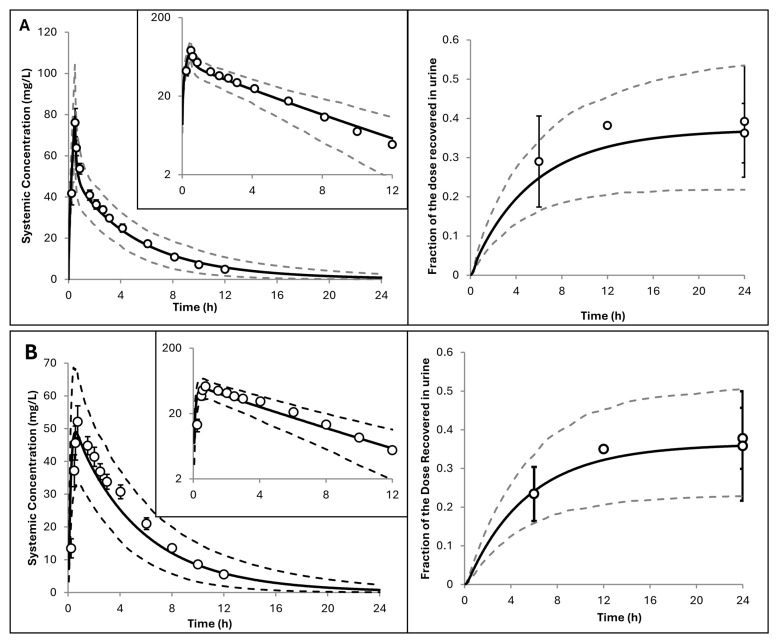 Figure 1
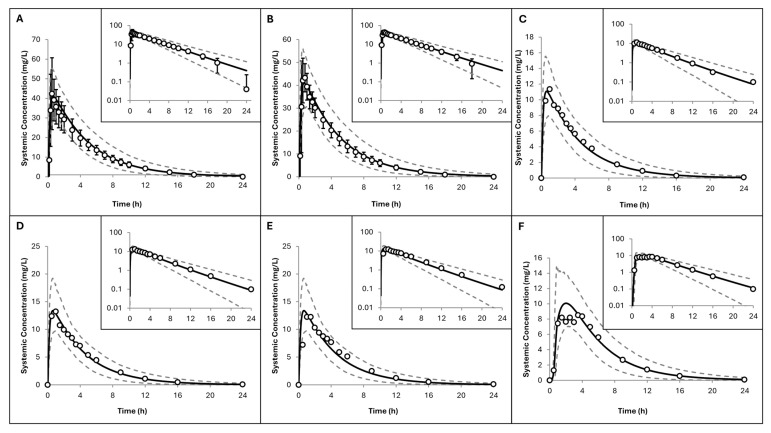 Figure 2
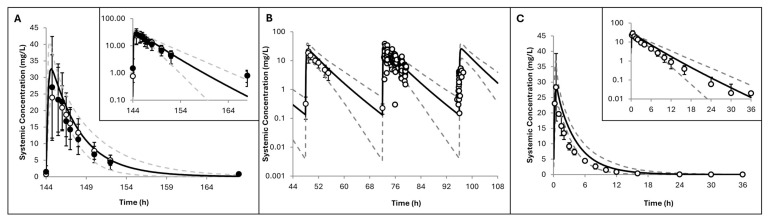 Figure 3
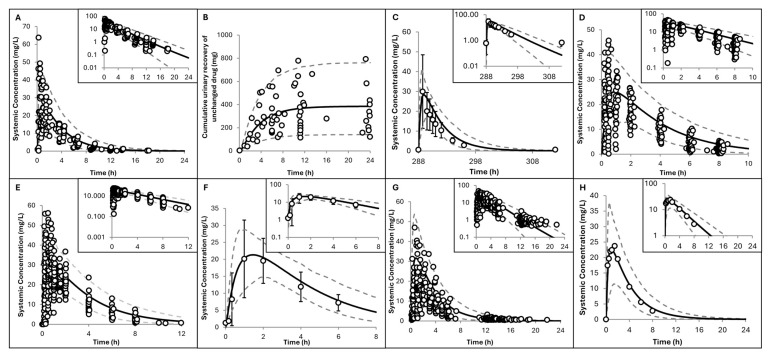 Figure 4
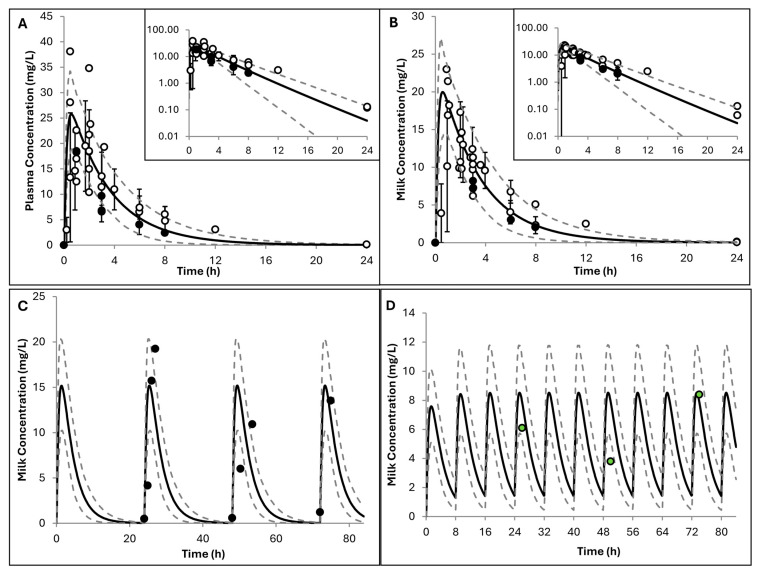 Figure 5
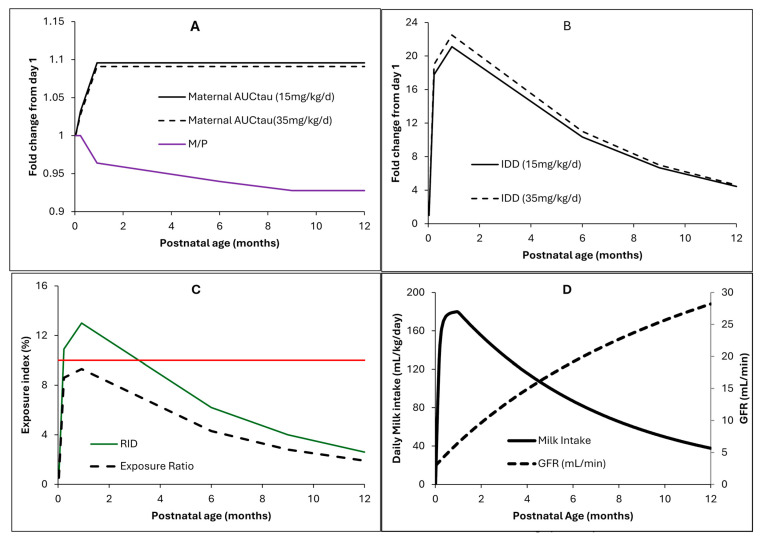 Figure 6
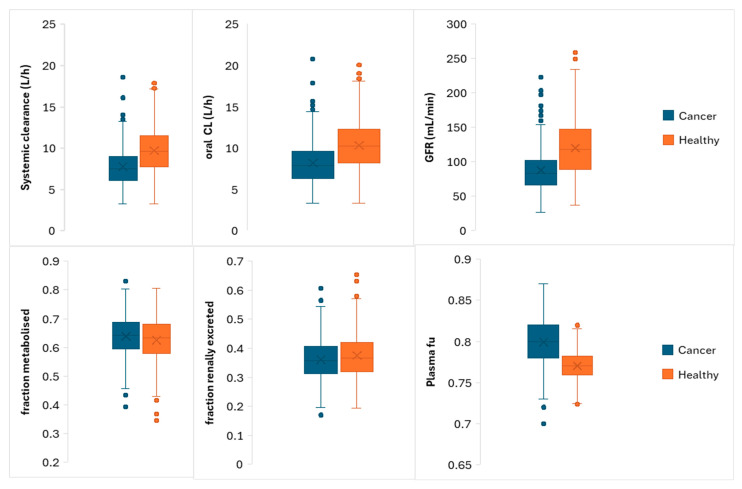 Figure 7
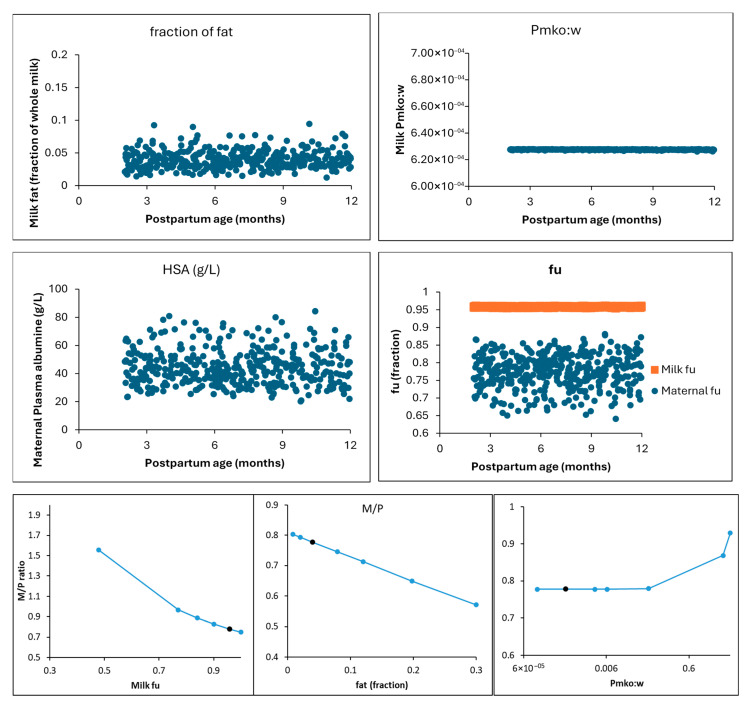 Figure 8
Peer Reviews
No public reviews on file for this paper yet. If you reviewed it on a platform where reviews are public (OpenReview, ICLR, NeurIPS, ICML), you can paste yours below so the community can read it here.
Videos
No videos yet. Explain this paper in a talk, walkthrough, or lecture? Add one.
Taxonomy
TopicsHemoglobinopathies and Related Disorders · Blood groups and transfusion · Iron Metabolism and Disorders