Simulation and Experimental Study of Multi-Grain Diamond Cutting of Monocrystalline Silicon
Guofu Luo, Shuo Sun, Liwei Li, Yan Lv, Wuyi Ming

TL;DR
This paper studies how multi-grain diamond cutting affects monocrystalline silicon, using simulations and experiments to optimize cutting parameters for better efficiency and reduced stress.
Contribution
The study introduces a novel algorithmic optimization scheme based on multifactor orthogonal design to reduce cutting force and residual stress in diamond wire sawing.
Findings
Radial spacing and height difference between abrasive grains significantly influence cutting force and surface damage.
Optimized parameters reduced residual stress by 33% and cutting force by 75%.
A high-precision 3D simulation model was developed using the JH-II constitutive model.
Abstract
Diamond wire sawing, as the core process for monocrystalline silicon wafering, has gained widespread application in the photovoltaic and microelectronics industries due to its high efficiency and low material loss. This study investigates the cutting mechanism of monocrystalline silicon with (100) crystal orientation under multi-abrasive and multi-scratch conditions using explicit finite element dynamics simulation. It focuses on analyzing the effects of radial spacing and height difference between abrasive grains on surface morphology, cutting force, and residual stress. Based on the Johnson-Holmquist-II (JH-II) constitutive model, a high-precision three-dimensional finite element simulation model was constructed. Simulation results indicate that the spacing and height difference between abrasive grains significantly affect the grain-to-grain coupling, thereby influencing the peak…
Genes, proteins, chemicals, diseases, species, mutations and cell lines named across the full text — each resolved to its canonical identifier and authoritative record.
Click any figure to enlarge with its caption.
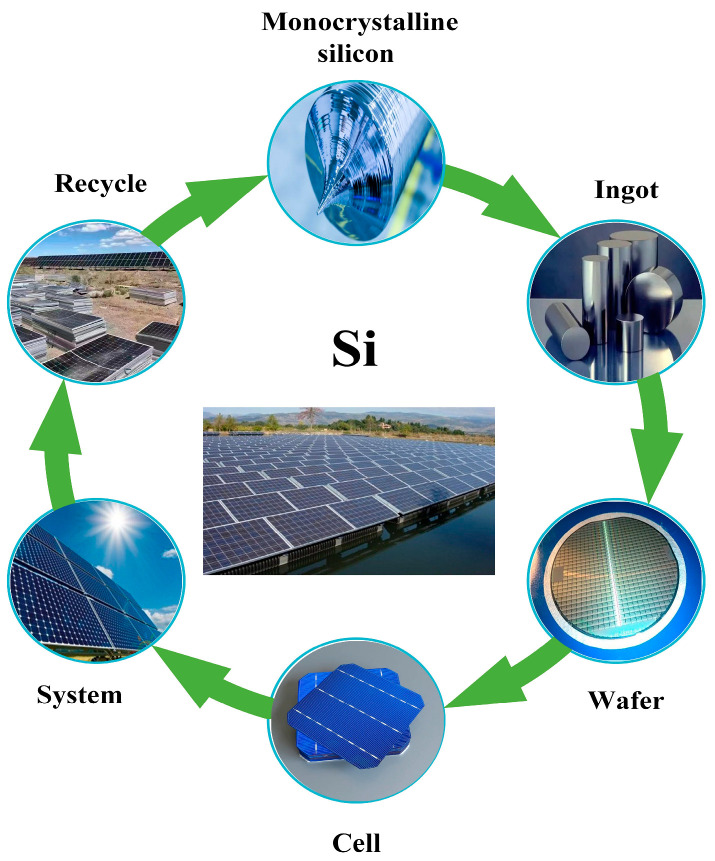 Figure 1
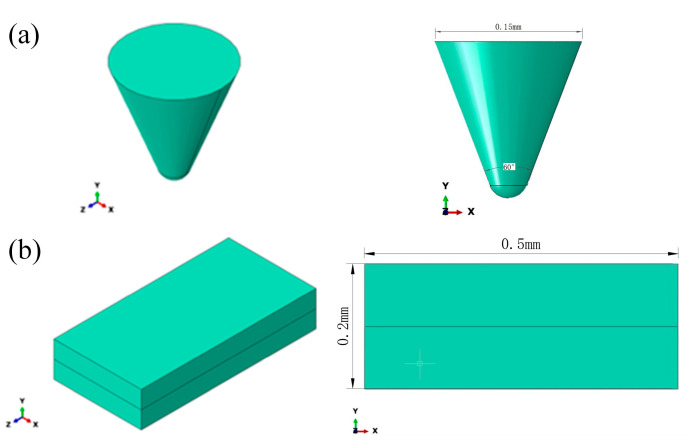 Figure 2
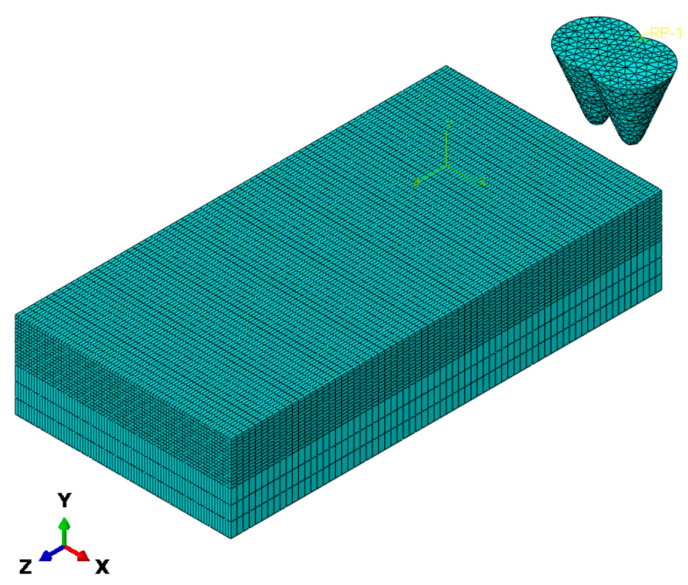 Figure 3
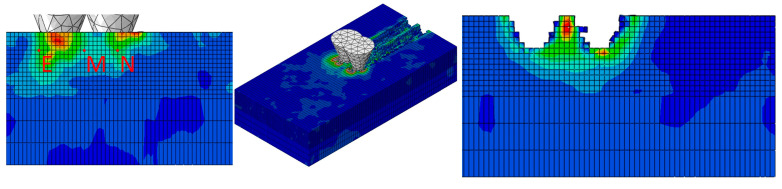 Figure 4
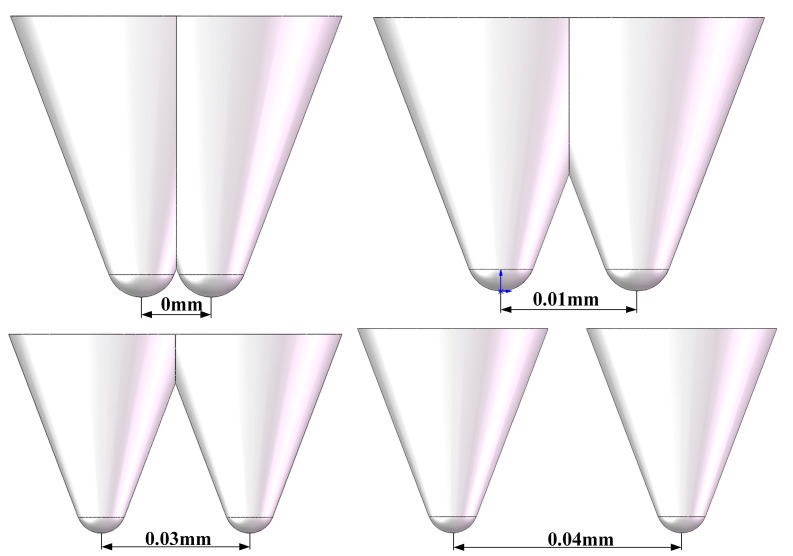 Figure 5
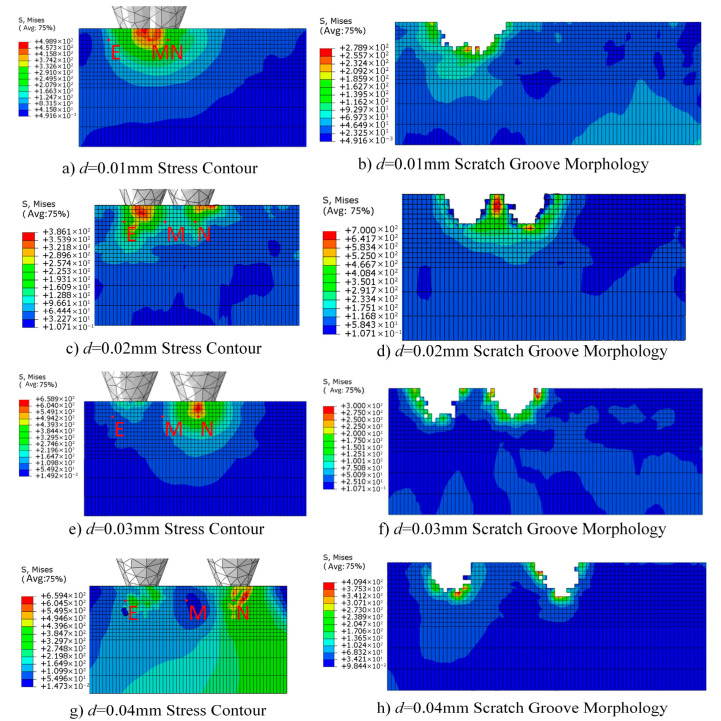 Figure 6
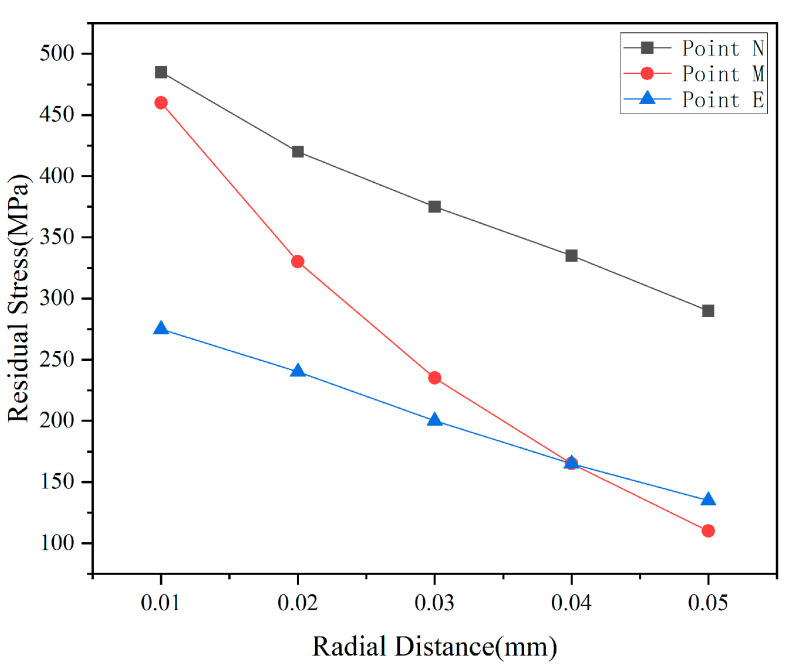 Figure 7
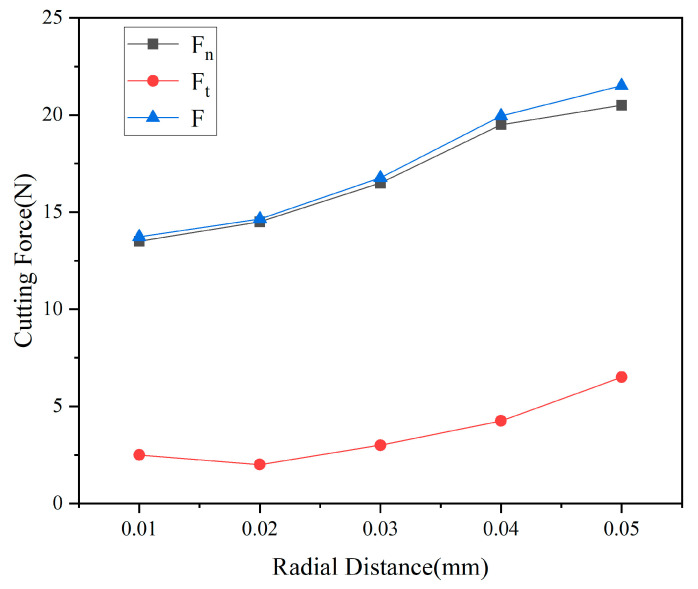 Figure 8
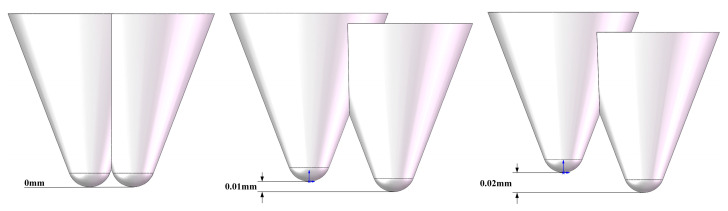 Figure 9
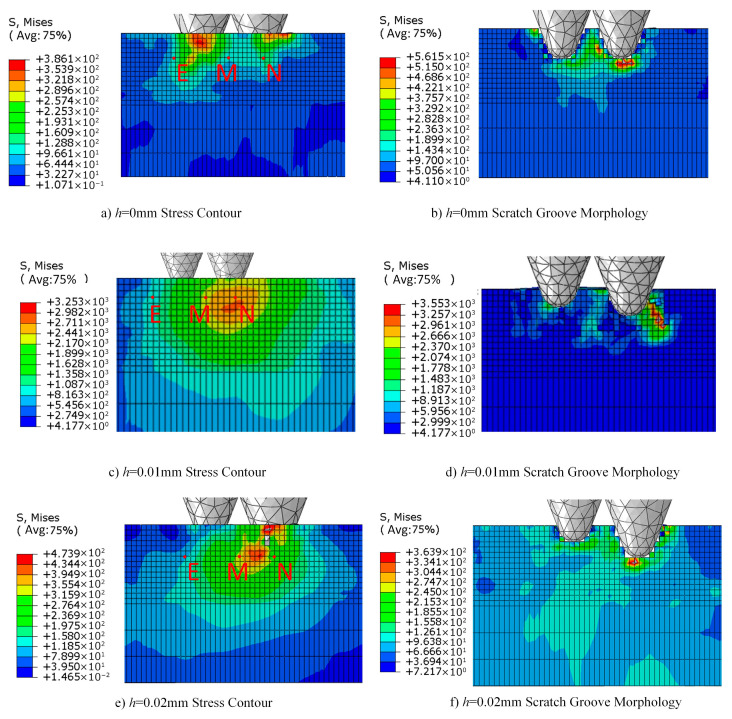 Figure 10
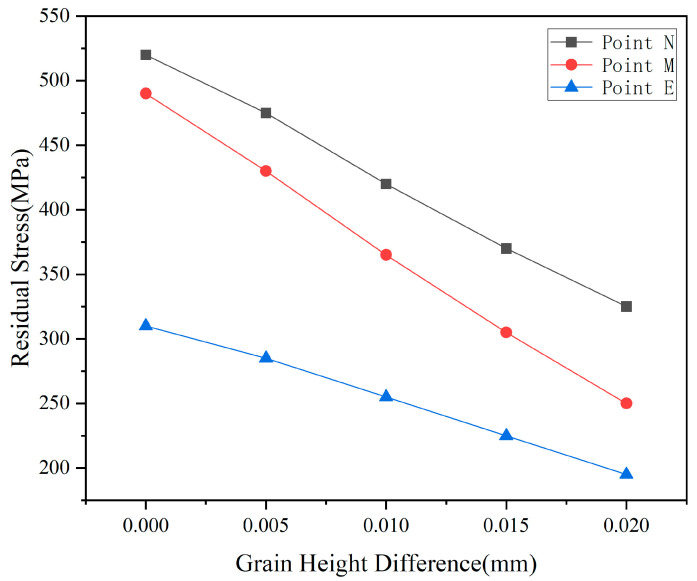 Figure 11
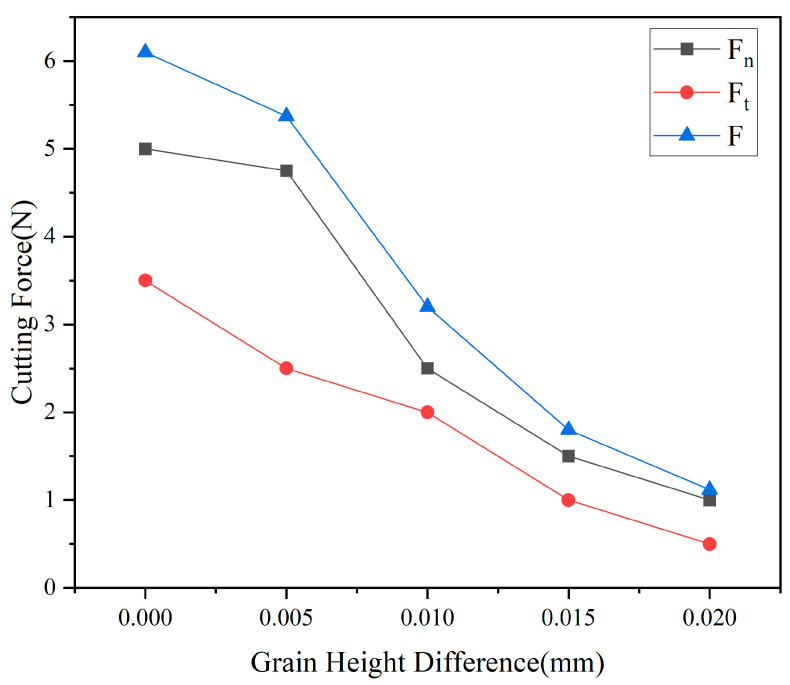 Figure 12
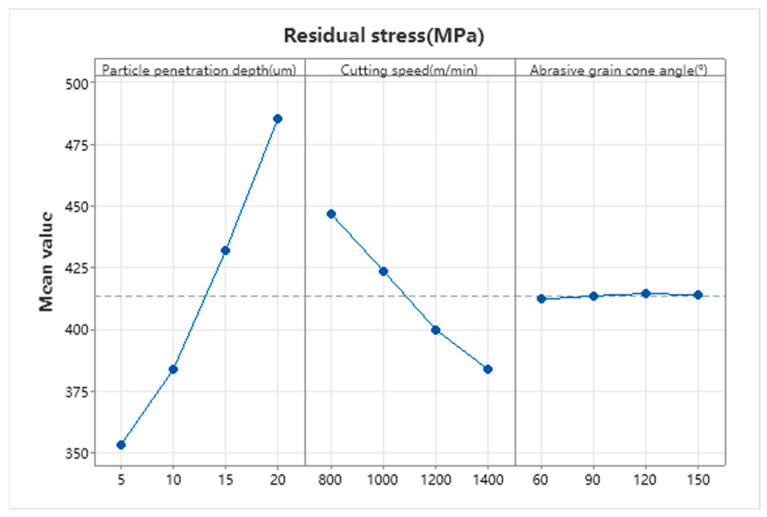 Figure 13
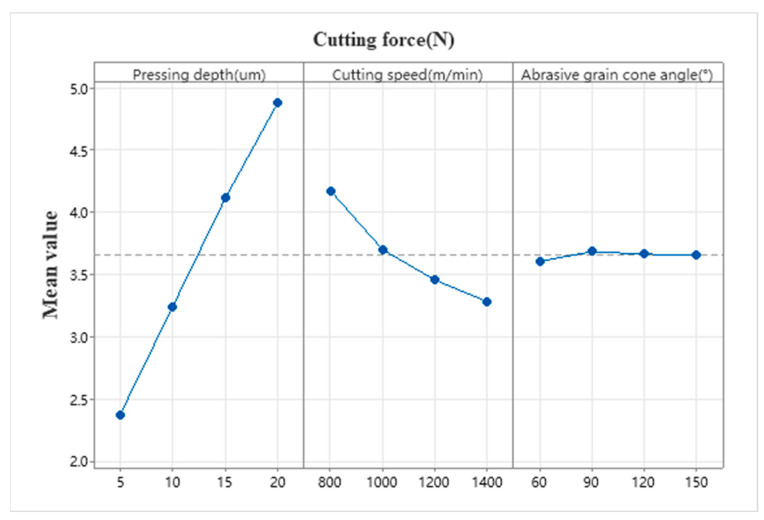 Figure 14
 Figure 15
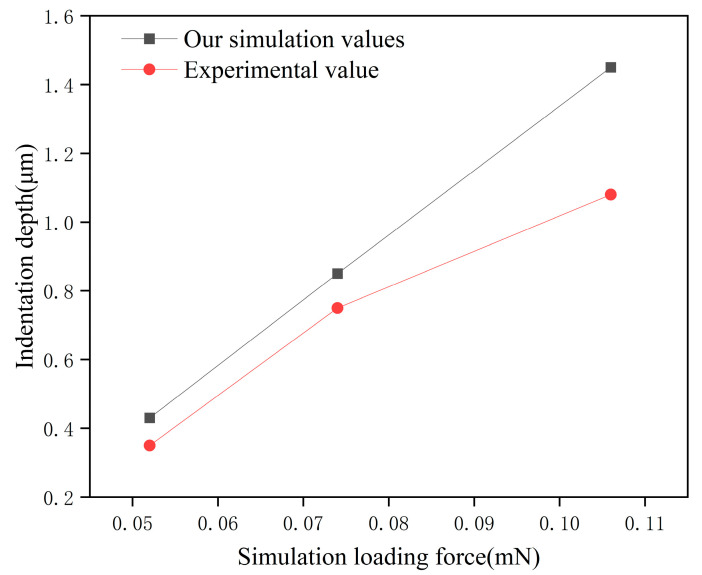 Figure 16
Peer Reviews
No public reviews on file for this paper yet. If you reviewed it on a platform where reviews are public (OpenReview, ICLR, NeurIPS, ICML), you can paste yours below so the community can read it here.
Videos
No videos yet. Explain this paper in a talk, walkthrough, or lecture? Add one.
Taxonomy
TopicsAdvanced Surface Polishing Techniques · Advanced machining processes and optimization · Tunneling and Rock Mechanics