Investigation of the Mechanisms of Transition of Gram-Negative Bacterial Cells into Induced Anabiosis Using Computational Methods of Classical Molecular Dynamics
Ksenia Tereshkina, Eduard Tereshkin, Licheng Zhang, Petr Zaytsev, Vladislav Kovalenko, Yuriy Litti, Olga S. Sokolova, Yurii Krupyanskii, Nataliya Loiko

TL;DR
This paper investigates how Gram-negative bacteria become dormant using computational methods and 4HR, revealing how it affects their cell membranes.
Contribution
The study reveals novel dose-dependent mechanisms of 4HR-induced dormancy in Gram-negative bacteria through molecular dynamics and experimental validation.
Findings
4HR micelles penetrate and redistribute within bacterial membranes, causing structural changes.
High concentrations of 4HR lead to membrane saturation and cell death via mummification.
TEM images show a third black band in membranes treated with 4HR, indicating structural disruption.
Abstract
Studying the mechanisms by which Gram-negative heterotrophic bacteria transition from active metabolism to dormancy is an important task, as it is directly related to the problem of bacterial antibiotic resistance and the spread of nosocomial infections. Using electron microscopy, microbiology, and molecular modeling, we investigated the dose-dependent mechanisms of action of 4-hexylresorcinol (4HR), a chemical analog of the anabiosis autoinducer, on the cell membranes of Gram-negative bacteria (using Escherichia coli as an example), leading to the formation of stressed, dormant, and mummified cells. It was shown that 4HR penetrates membranes equally easily both as single molecules and as micelles, distributing itself across the membrane so that the hydrocarbon radicals are aligned parallel to the lipid tails. When micelles penetrate the membrane, uneven distribution of 4HR within and…
Genes, proteins, chemicals, diseases, species, mutations and cell lines named across the full text — each resolved to its canonical identifier and authoritative record.
Click any figure to enlarge with its caption.
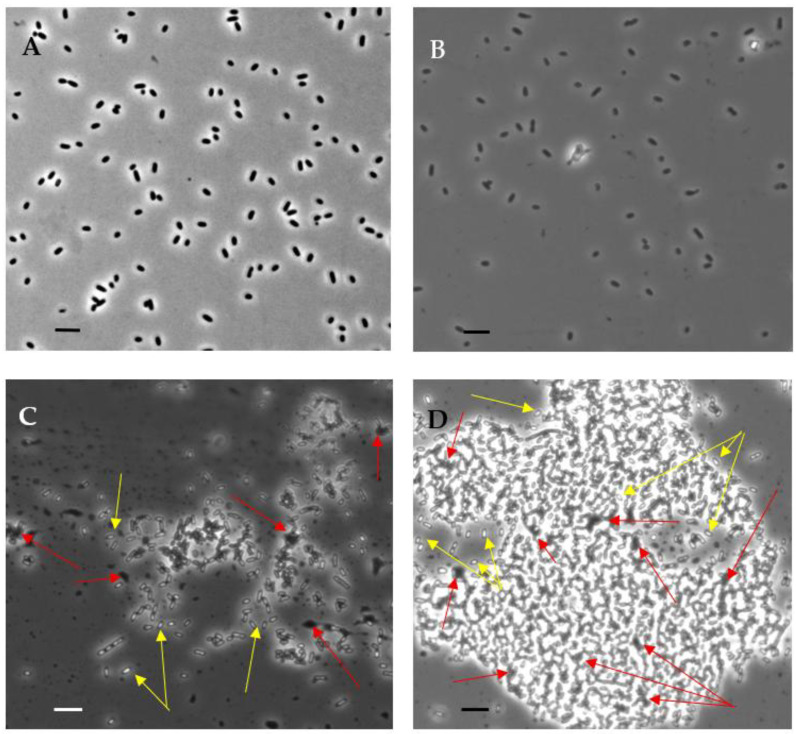 Figure 1
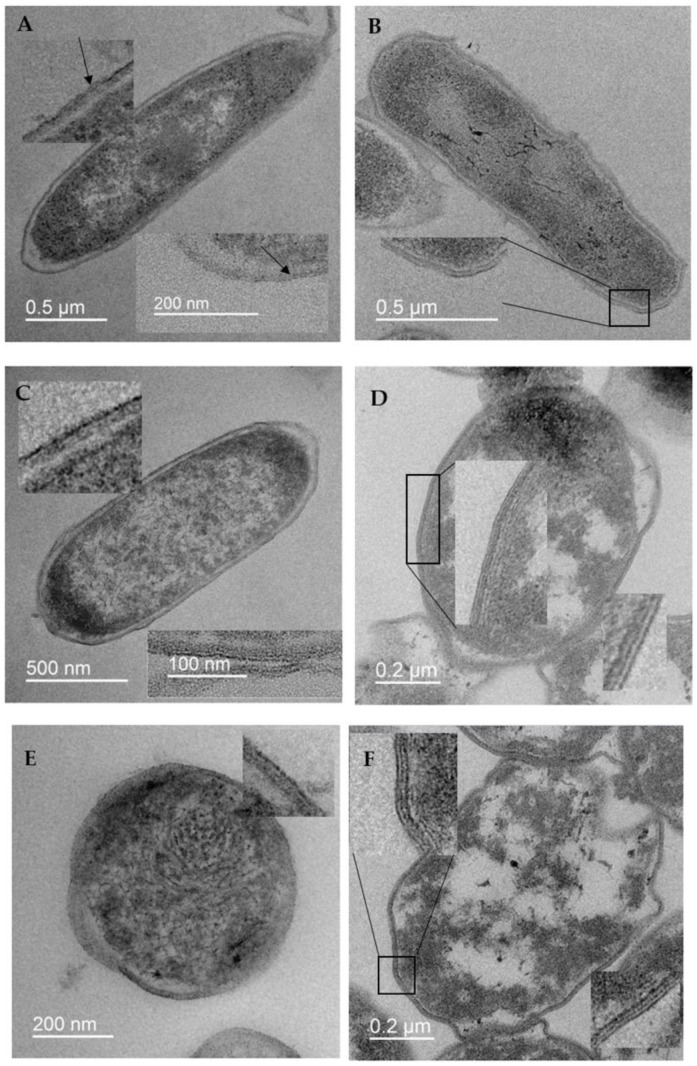 Figure 2
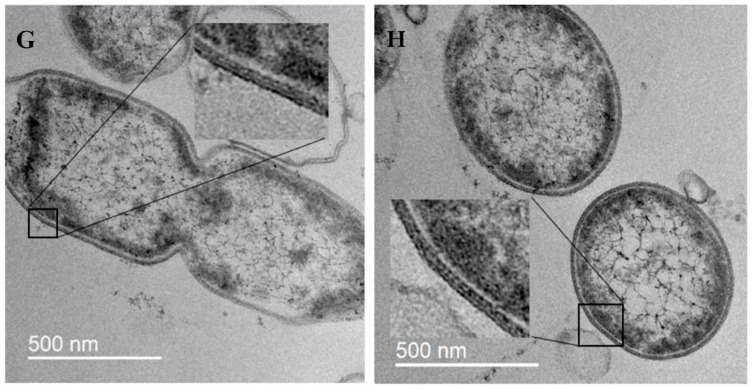 Figure 3
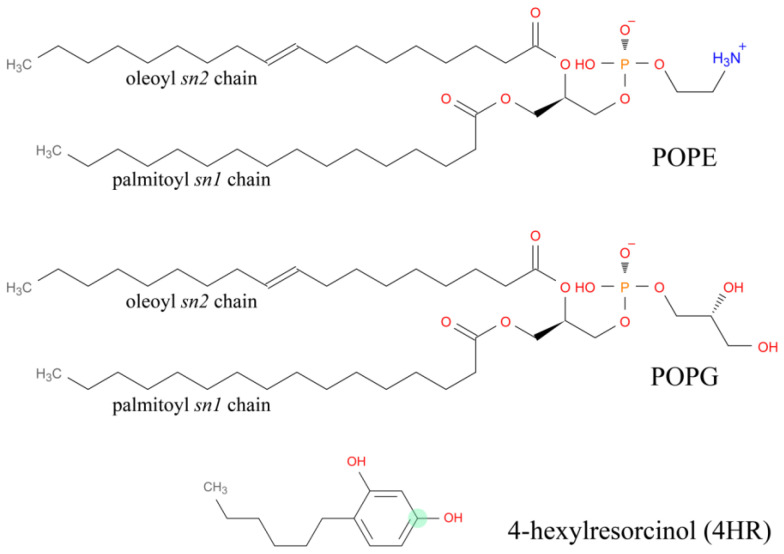 Figure 4
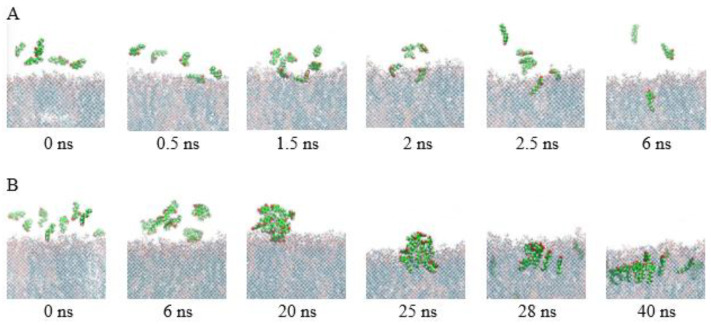 Figure 5
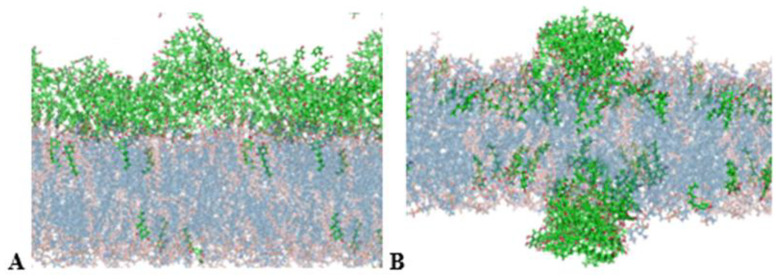 Figure 6
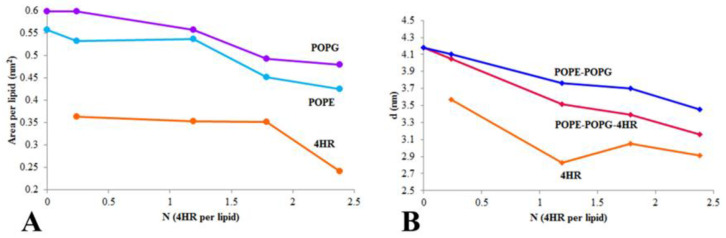 Figure 7
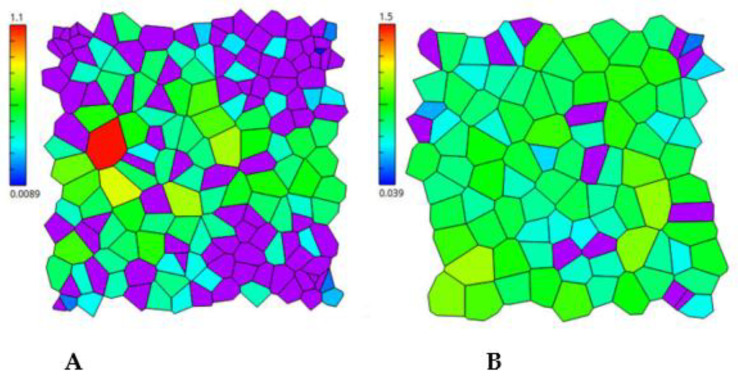 Figure 8
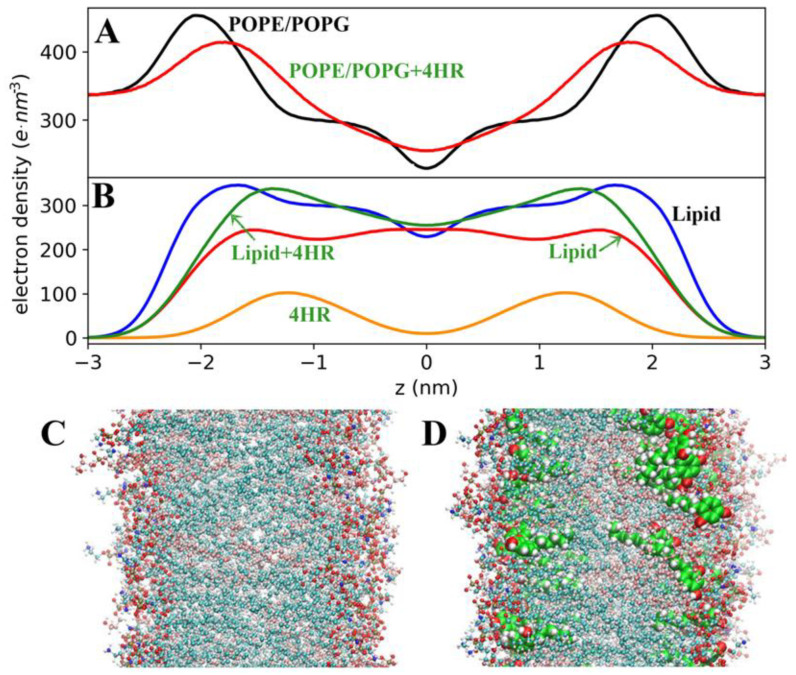 Figure 9
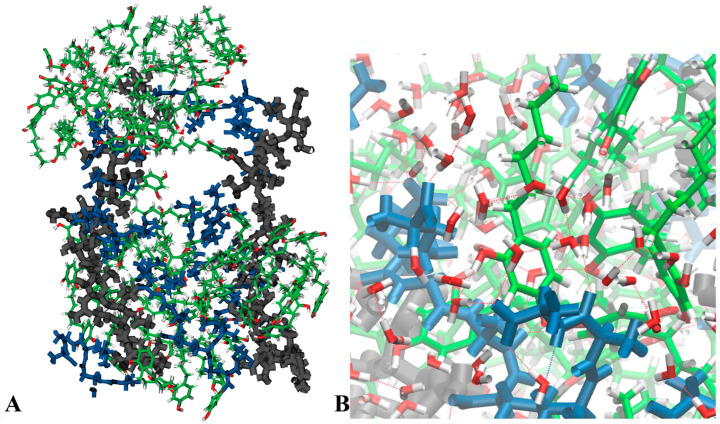 Figure 10
Peer Reviews
No public reviews on file for this paper yet. If you reviewed it on a platform where reviews are public (OpenReview, ICLR, NeurIPS, ICML), you can paste yours below so the community can read it here.
Videos
No videos yet. Explain this paper in a talk, walkthrough, or lecture? Add one.
Taxonomy
TopicsLipid Membrane Structure and Behavior · Chemical and Physical Studies · Bacterial Genetics and Biotechnology