Zn(HQ)2-Phenanthroline/PEDOT:PSS Hybrid Film Engineering as a Promising Active Layer in Organic Photoconductive Devices
María Elena Sánchez Vergara, Omar Jimenez Correa, Emilio Iván Sandoval Plata, Edgar Alvarez-Zauco, Monserrat Bizarro

TL;DR
A new hybrid film made of Zn(HQ)2-phen and PEDOT:PSS is developed for organic photoconductive devices, showing good performance on both glass and recycled substrates.
Contribution
A novel Zn(HQ)2-phen/PEDOT:PSS hybrid film is engineered for use in flexible and efficient organic photoconductive devices.
Findings
The hybrid film showed a maximum current of 1.8 × 10⁻² A on TP–graphite and 1.1 × 10⁻² A on glass–ITO under UV irradiation.
The film exhibited a power output of 198 mW and 139 mW on TP–graphite for shortwave and longwave, respectively.
The film's energy gap was measured as 3.5–3.8 eV, and it demonstrated mechanical properties suitable for flexible devices.
Abstract
Zinc(II) bis(8-hydroxyquinolinate) (Zn(HQ)2) and 1,10-phenanthroline (phen) were combined to fabricate an organic semiconductor in a bulk heterojunction architecture and subsequently embedded in a poly 3,4-ethylene dioxythiophene–polystyrene sulfonate (PEDOT–PSS) matrix. The resulting Zn(HQ)2-phen/PEDOT–PSS was deposited as a film upon tin-oxide-coated glass and graphite-covered Tetra Pak (TP)-recycled substrates for the manufacture of organic photoconductive devices. The topographical and micromechanical characteristics of the hybrid films were assessed by atomic force microscopy, with an average roughness of 5.6 nm, maximum tensile strength of 7.95 MPa, and Knoop microhardness of 14.7. The fundamental energy gap (Eg) was determined employing the Kubelka–Munk function, with Eg of 3.5–3.8 eV. These results were complemented with a computational DFT molecular orbital analysis of the…
Genes, proteins, chemicals, diseases, species, mutations and cell lines named across the full text — each resolved to its canonical identifier and authoritative record.
Click any figure to enlarge with its caption.
 Figure 1
 Figure 2
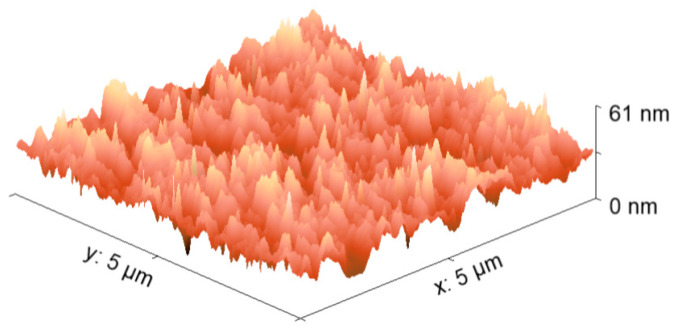 Figure 3
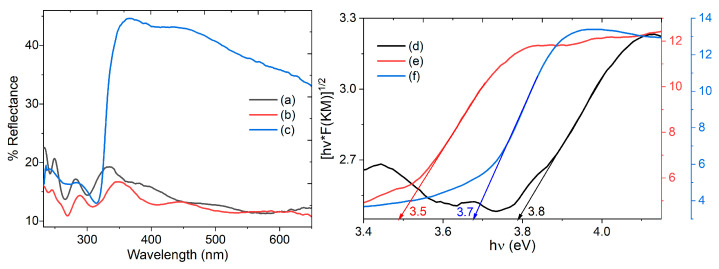 Figure 4
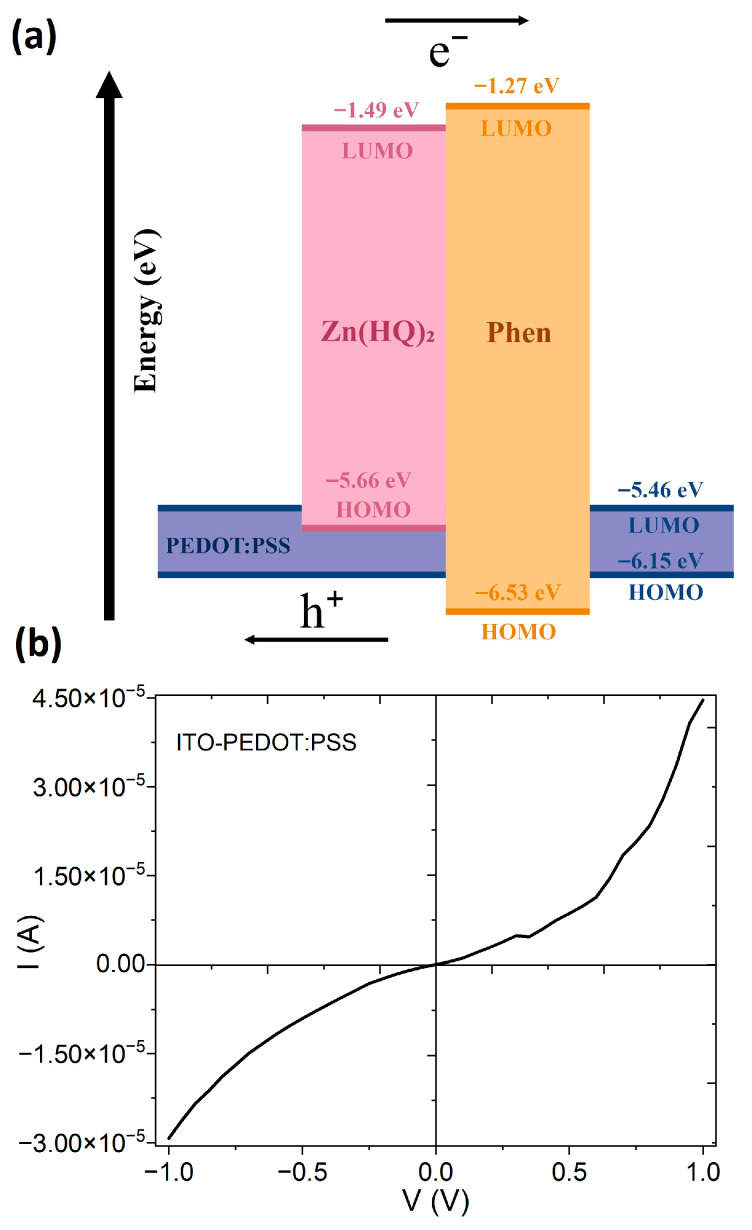 Figure 5
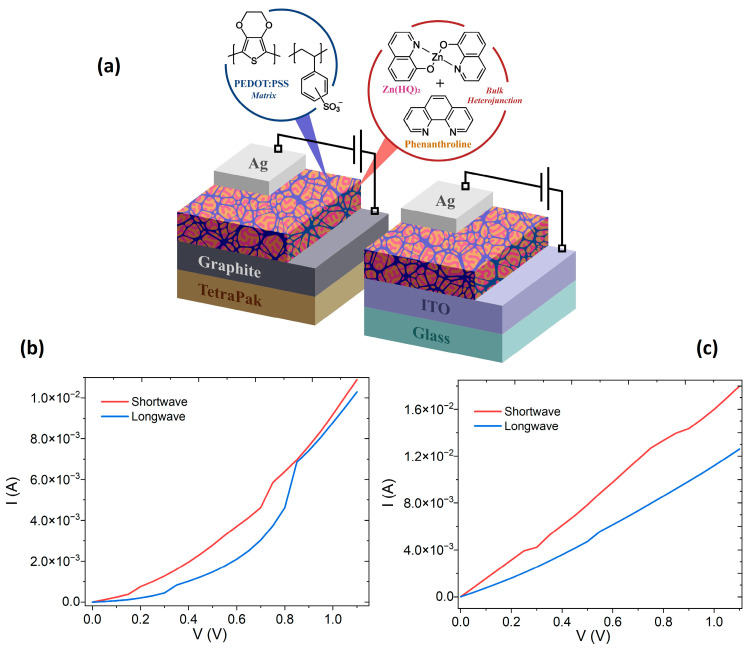 Figure 6
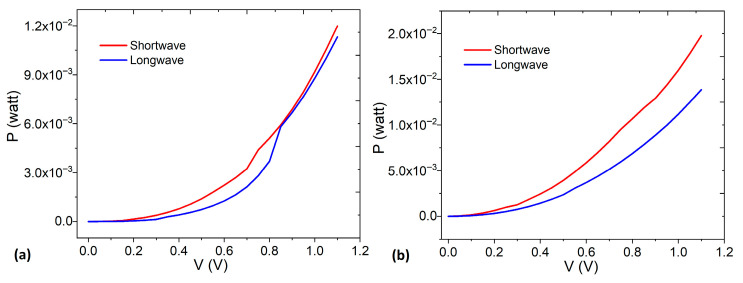 Figure 7
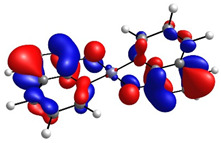 Figure 8
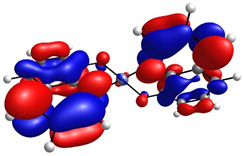 Figure 9
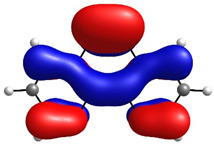 Figure 10
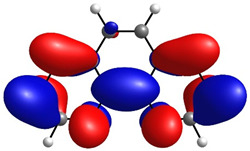 Figure 11
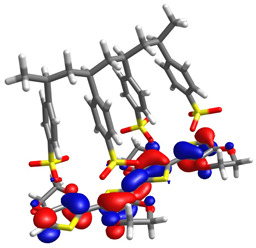 Figure 12
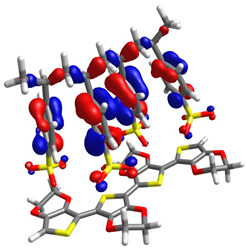 Figure 13
Peer Reviews
No public reviews on file for this paper yet. If you reviewed it on a platform where reviews are public (OpenReview, ICLR, NeurIPS, ICML), you can paste yours below so the community can read it here.
Videos
No videos yet. Explain this paper in a talk, walkthrough, or lecture? Add one.
Taxonomy
TopicsConducting polymers and applications · Organic Electronics and Photovoltaics · Polymer Nanocomposite Synthesis and Irradiation