An LLM-Based Intelligent Agent and Its Application in Making the Lanolin Saponification Process Greener
Qinglin Wang, Yu Wang, Xingchu Gong

TL;DR
This paper introduces SapoMind, an AI-powered system that makes the production of lanolin alcohol more environmentally friendly by optimizing the saponification process.
Contribution
The novel integration of large language models with microfluidic technology to optimize a green chemical process.
Findings
SapoMind optimized saponification to reduce carbon emissions by 53% and solid waste by 37%.
The optimized process achieved a greenness score of 93, up from 82 in traditional methods.
Lanolin alcohol produced met European Pharmacopoeia standards under the new conditions.
Abstract
Objectives: The industrial production of lanolin alcohol currently employs batch saponification, which suffers from high energy consumption, prolonged processing time, and excessive solid waste generation, rendering it incompatible with green chemistry principles. This study aimed to develop an efficient, sustainable saponification process by addressing these limitations through integrating large language models (LLMs) with microfluidic technology. Methods: An LLM-based intelligent agent called SapoMind (version 1.0) was constructed. SapoMind employs LLMs as its software core and a continuous-flow microreactor as the experimental platform. Its performance was enhanced through supervised fine-tuning. The system enables automated recommendation of saponification process parameters, autonomous experimental design, and automatic execution of experiments. Saponification conditions were…
Genes, proteins, chemicals, diseases, species, mutations and cell lines named across the full text — each resolved to its canonical identifier and authoritative record.
Click any figure to enlarge with its caption.
 Figure 1
 Figure 2
 Figure 3
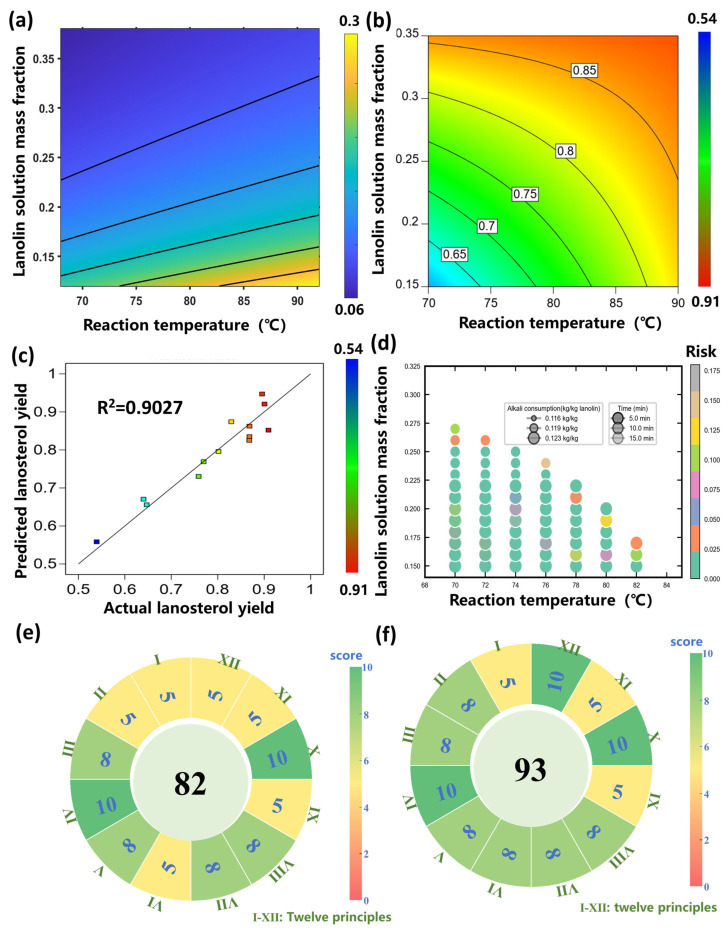 Figure 4
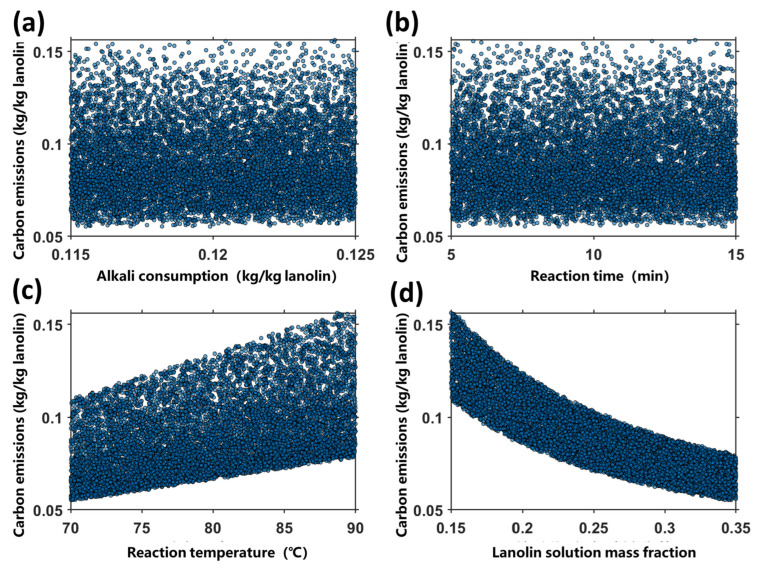 Figure 5
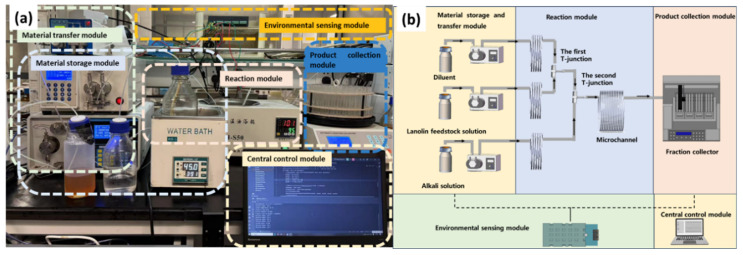 Figure 6
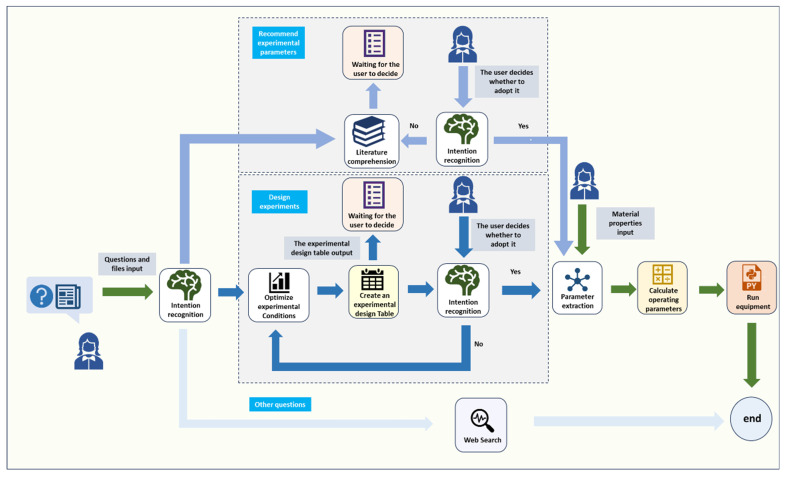 Figure 7
Peer Reviews
No public reviews on file for this paper yet. If you reviewed it on a platform where reviews are public (OpenReview, ICLR, NeurIPS, ICML), you can paste yours below so the community can read it here.
Videos
No videos yet. Explain this paper in a talk, walkthrough, or lecture? Add one.
Taxonomy
TopicsInnovative Microfluidic and Catalytic Techniques Innovation · Plant-Derived Bioactive Compounds · Process Optimization and Integration