Ischemia-Induced Neurodegeneration in Glaucoma: Mechanistic Insights and Translational Opportunities for Psychoplastogen-Based Therapies
Petra Dolenec, Goran Pelčić, Kristina Pilipović, Jasenka Mršić-Pelčić, Anja Harej Hrkać

TL;DR
This paper explores how glaucoma involves ischemia-driven neurodegeneration and suggests psychoplastogens as potential therapies to restore neural plasticity and reduce inflammation.
Contribution
The paper introduces psychoplastogens as a novel therapeutic approach for glaucoma by targeting ischemia-induced neurodegeneration and neuroinflammation.
Findings
Glaucoma involves ischemia, oxidative stress, and chronic neuroinflammation, which current therapies fail to address.
Psychoplastogens promote neuroplasticity and have immunomodulatory effects, making them promising for neurorestoration in glaucoma.
Preclinical evidence supports the potential of psychoplastogens in treating ocular ischemic neurodegeneration.
Abstract
Glaucoma is increasingly recognized as an ischemic neurodegenerative disorder that extends beyond elevated intraocular pressure (IOP) to involve complex vascular, metabolic, and inflammatory mechanisms. Retinal ganglion cells are particularly vulnerable to ischemia–reperfusion injury, oxidative stress, and chronic neuroinflammation, leading to progressive disconnection from central visual pathways. Current therapies primarily target IOP reduction but fail to address ischemia-driven neurodegeneration or to restore lost neuronal connectivity. Ischemia triggers excitotoxicity, oxidative stress, and a maladaptive inflammatory response involving activated microglia and astrocytes, perpetuating neuronal injury and suppressing intrinsic regenerative capacity. Thus, restoring neural plasticity and mitigating neuroinflammation represent key unmet therapeutic needs. Psychoplastogens are a class…
Genes, proteins, chemicals, diseases, species, mutations and cell lines named across the full text — each resolved to its canonical identifier and authoritative record.
Click any figure to enlarge with its caption.
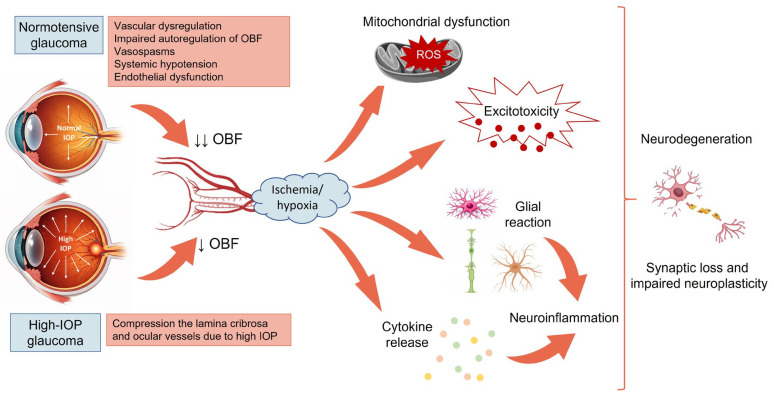 Figure 1
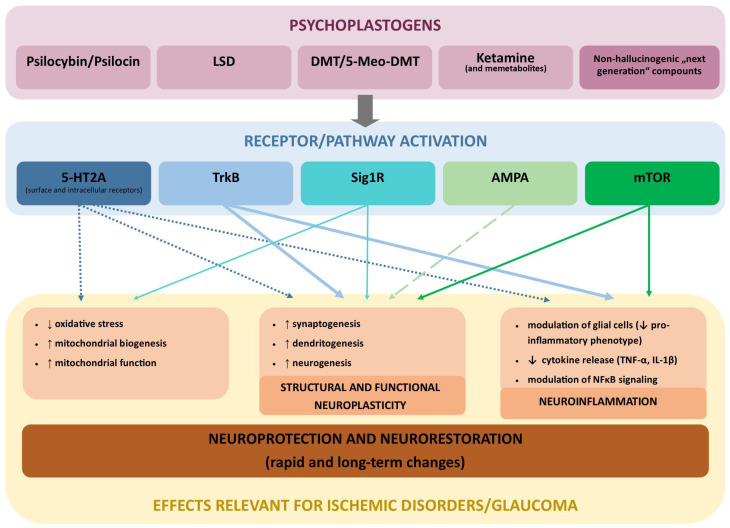 Figure 2
Peer Reviews
No public reviews on file for this paper yet. If you reviewed it on a platform where reviews are public (OpenReview, ICLR, NeurIPS, ICML), you can paste yours below so the community can read it here.
Videos
No videos yet. Explain this paper in a talk, walkthrough, or lecture? Add one.
Taxonomy
TopicsPsychedelics and Drug Studies · Chemical synthesis and alkaloids · Sleep and Wakefulness Research