Genomic Insights into Chromosomal Colistin Resistance and Virulence–Resistance Convergence in MDR/XDR Klebsiella pneumoniae from Tertiary Hospitals in Peshawar, Pakistan
Aiman Waheed, Sumera Afzal Khan, Sajjad Ahmad, Jody E. Phelan, Gulab Fatima Rani, Susana Campino, Taj Ali Khan, Taane G. Clark

TL;DR
This study examines drug-resistant and highly virulent Klebsiella pneumoniae bacteria in Pakistan, revealing genetic factors that contribute to resistance and virulence.
Contribution
The study identifies chromosomal mutations and plasmid-mediated resistance genes in MDR/XDR K. pneumoniae isolates from Pakistan, highlighting virulence-resistance convergence.
Findings
19 (34.5%) of 55 K. pneumoniae isolates were MDR and 10 (18.2%) were XDR.
Genomic analysis revealed chromosomal mutations and plasmid-borne resistance genes contributing to colistin resistance and virulence.
One isolate showed an expanded virulence gene repertoire, indicating hypervirulence in an MDR background.
Abstract
Background: Klebsiella pneumoniae is a World Health Organization-listed critical priority pathogen and a major cause of healthcare-associated infections, driven by the global emergence of multidrug-resistant (MDR) and extensively drug-resistant (XDR) lineages and their alarming convergence with hypervirulence. Methods: In this study, 152 clinical specimens, including urine, blood, pus, wound swabs, and respiratory samples, were collected from tertiary care hospitals in Peshawar, Pakistan. Standard microbiological and biochemical methods identified 55 K. pneumoniae isolates. Antimicrobial susceptibility testing (AST) was performed using the Kirby–Bauer disk diffusion and broth microdilution methods, with results interpreted according to Clinical and Laboratory Standards Institute (CLSI) guidelines. MDR and XDR phenotypes were defined based on European Centre for Disease Prevention and…
Genes, proteins, chemicals, diseases, species, mutations and cell lines named across the full text — each resolved to its canonical identifier and authoritative record.
Click any figure to enlarge with its caption.
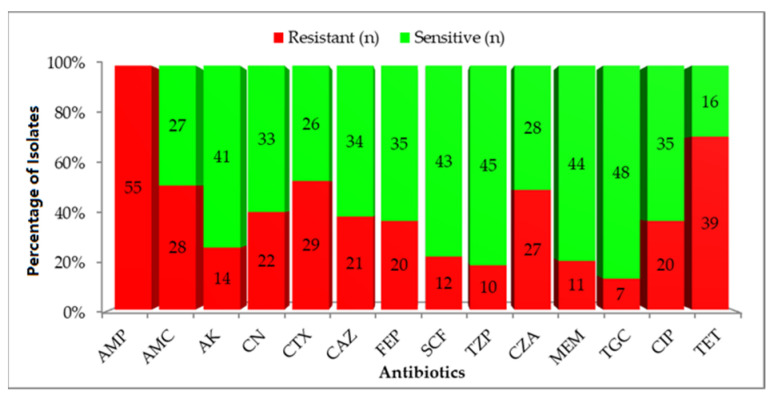 Figure 1
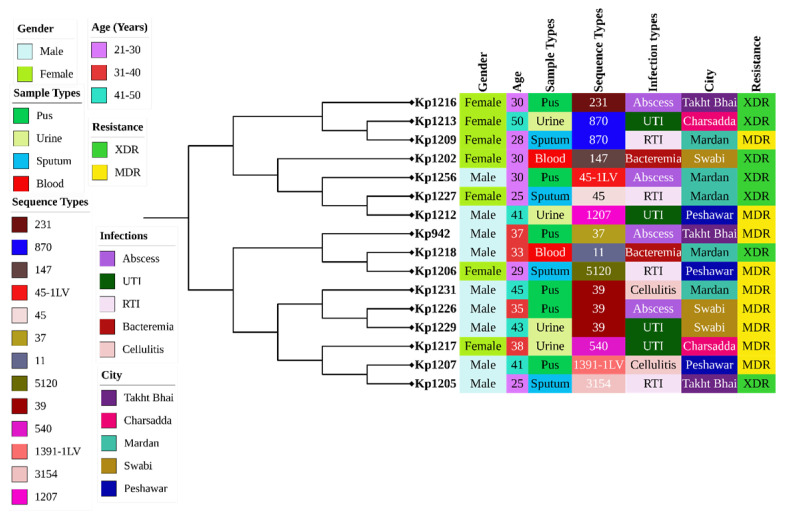 Figure 2
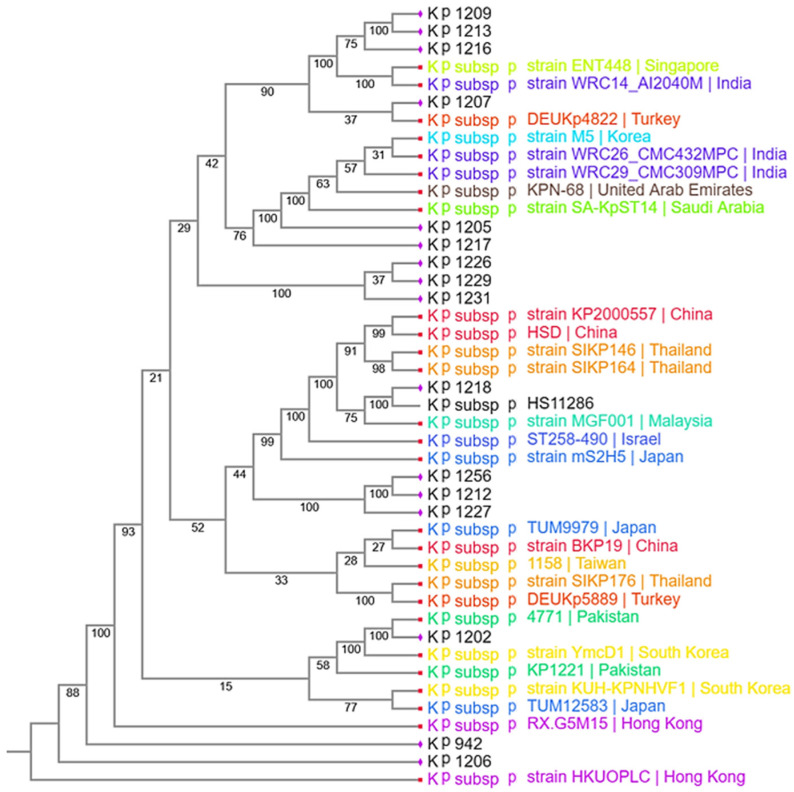 Figure 3
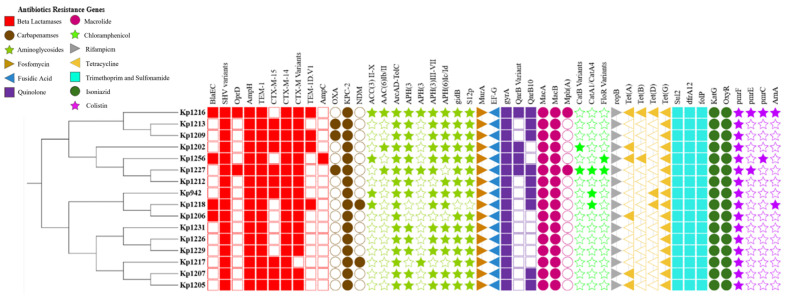 Figure 4
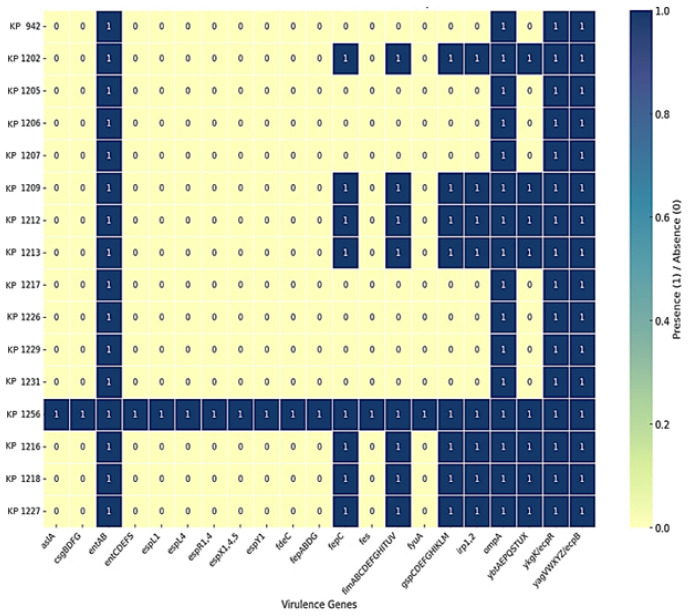 Figure 5
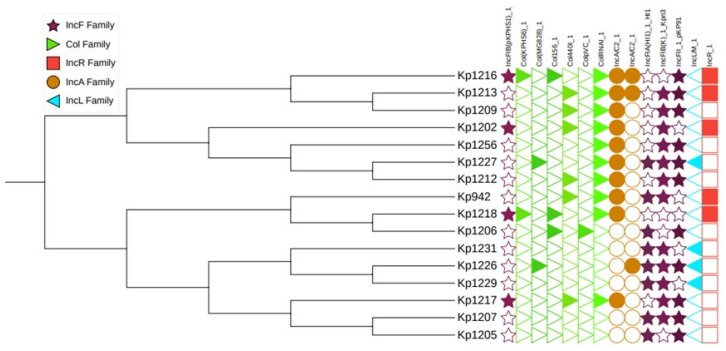 Figure 6
Peer Reviews
No public reviews on file for this paper yet. If you reviewed it on a platform where reviews are public (OpenReview, ICLR, NeurIPS, ICML), you can paste yours below so the community can read it here.
Videos
No videos yet. Explain this paper in a talk, walkthrough, or lecture? Add one.
Taxonomy
TopicsAntibiotic Resistance in Bacteria · Antimicrobial agents and applications · Bacterial Identification and Susceptibility Testing