Construction of Highly Active Interfaces on Screen-Printed Carbon Electrodes via Controllable Electrochemical Exfoliation for High-Performance Flexible Enzyme-Free Glucose Sensing
Wenjing Xue, Ziyan Chen, Xiao Peng, Haocheng Yin, Yimeng Zhang, Yuming Zhang

TL;DR
Researchers developed a flexible glucose sensor using a new method to improve electrode performance for wearable health monitoring.
Contribution
A controllable electrochemical exfoliation method is introduced to enhance electrode interfaces for high-performance enzyme-free glucose sensing.
Findings
Electrochemical exfoliation increases electrode surface area and introduces oxygen-containing groups, reducing charge transfer resistance.
Optimized exfoliation with 150 cycles improves AuNP deposition density by 158% and reduces particle size to 125 nm.
The resulting sensor achieves high sensitivity, low detection limit, and good mechanical flexibility for glucose detection.
Abstract
Enzyme-free flexible glucose sensors hold great promise in the field of wearable health monitoring. However, their performance is limited by the balance between the catalytic interface activity and stability. This paper reports a strategy for interface gradient roughening of screen-printed carbon electrodes (SPCE) via controllable electrochemical exfoliation (EE). It systematically reveals the inherent relationships among the degree of EE treatment, electrode morphology, surface chemistry, and electrochemical performance. On this basis, the deposition of gold nanoparticles (AuNPs) with high density and uniform distribution is achieved, and a high-performance flexible enzyme-free glucose sensor is constructed. The study finds that EE treatment can significantly increase the true surface area of the electrode and introduce abundant oxygen-containing functional groups, thus effectively…
Genes, proteins, chemicals, diseases, species, mutations and cell lines named across the full text — each resolved to its canonical identifier and authoritative record.
Click any figure to enlarge with its caption.
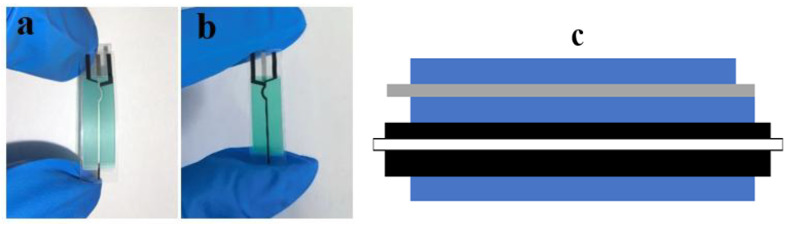 Figure 1
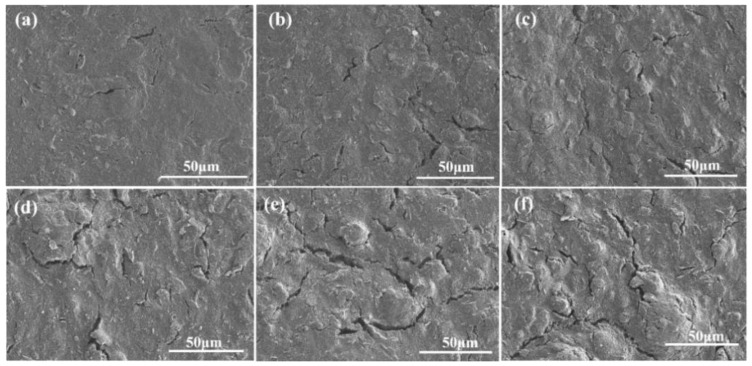 Figure 2
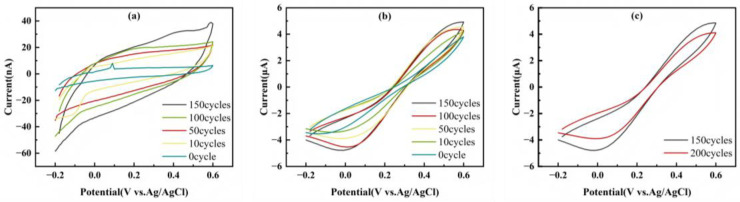 Figure 3
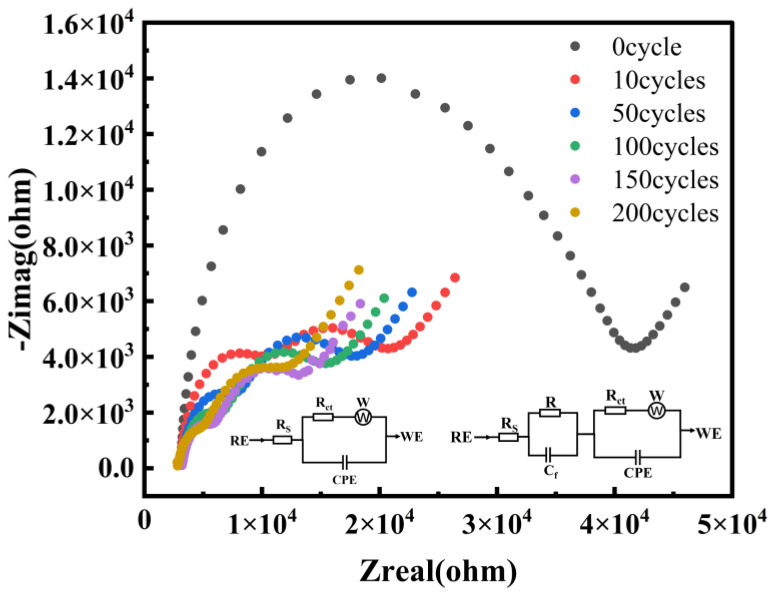 Figure 4
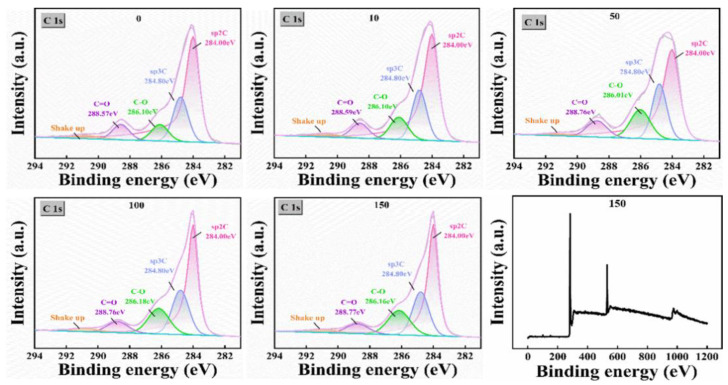 Figure 5
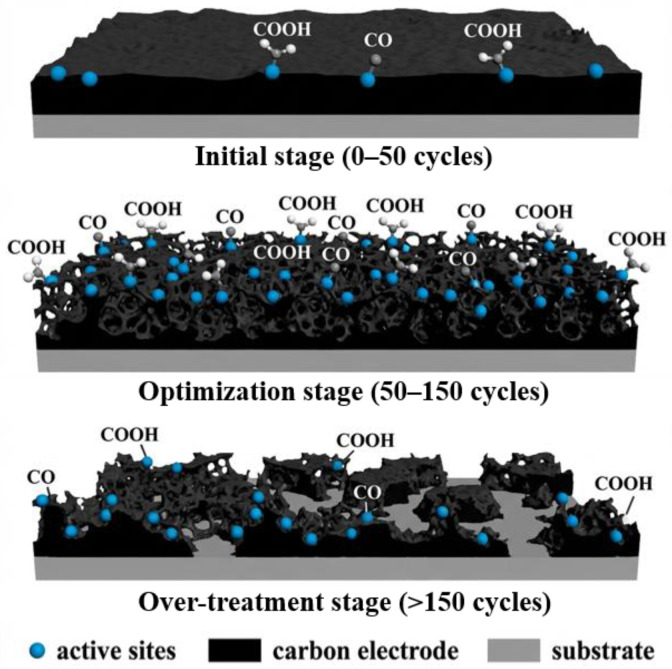 Figure 6
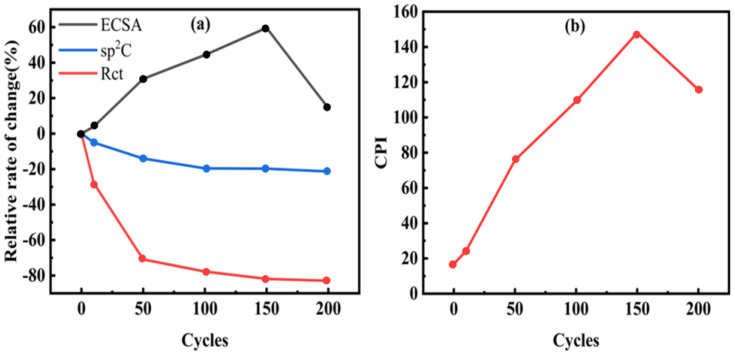 Figure 7
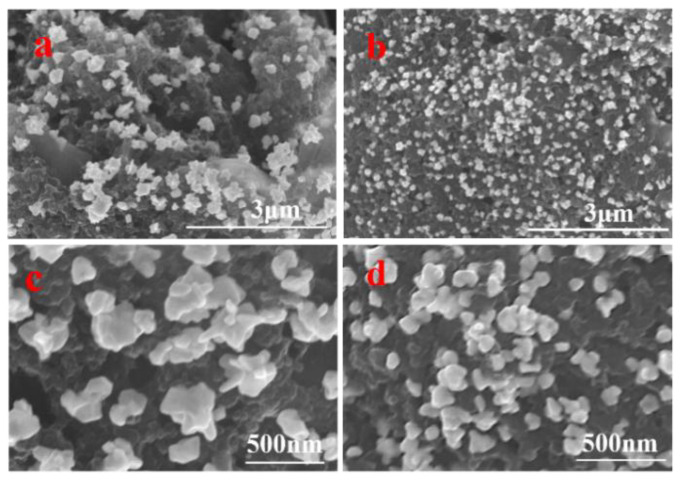 Figure 8
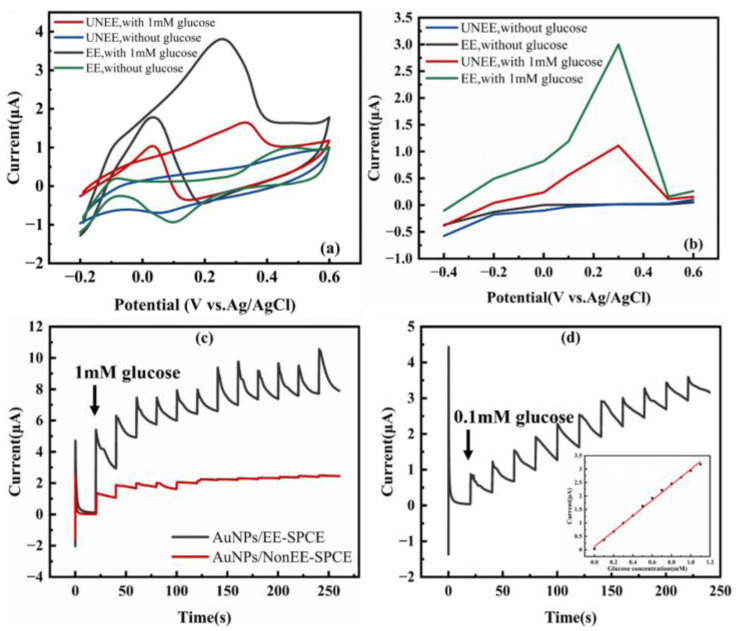 Figure 9
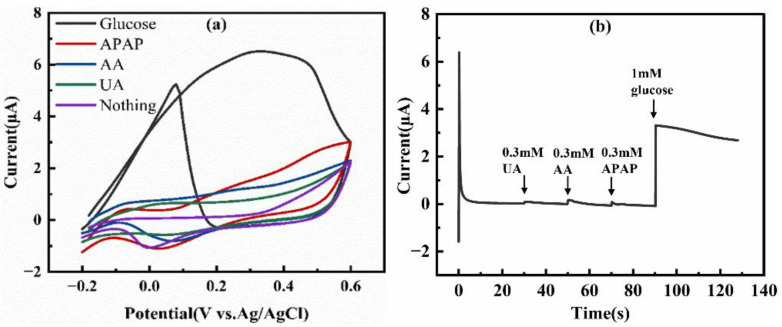 Figure 10
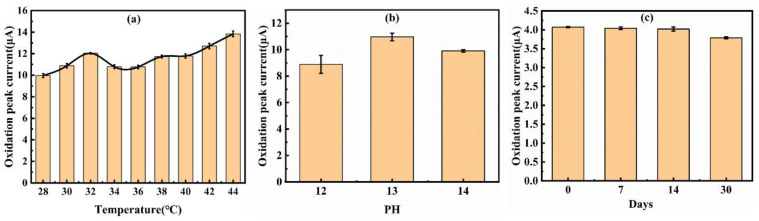 Figure 11
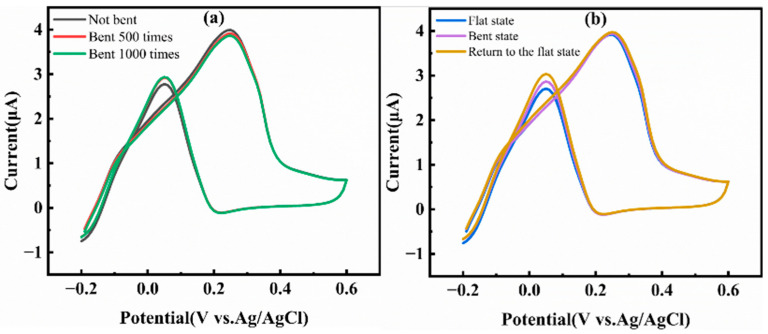 Figure 12
Peer Reviews
No public reviews on file for this paper yet. If you reviewed it on a platform where reviews are public (OpenReview, ICLR, NeurIPS, ICML), you can paste yours below so the community can read it here.
Videos
No videos yet. Explain this paper in a talk, walkthrough, or lecture? Add one.
Taxonomy
TopicsElectrochemical sensors and biosensors · Supercapacitor Materials and Fabrication · Biosensors and Analytical Detection