13C-NMR Spectroscopy and Elemental Composition of Humic Acids of Brown Forest Soils and Sod-Brownzems of the Southern Vitim Plateau (Russia, Baikal Region)
Erzhena Chimitdorzhieva, Tsypilma Korsunova, Yurii Tsybenov, Nimbu Baldanov, Elena Valova

TL;DR
This study examines the structural and chemical properties of humic acids in different soil types from the southern Vitim Plateau, showing how climate and soil type influence organic matter stability and humification.
Contribution
The study provides new insights into the structural maturity and chemical stability of humic acids in permafrost soils under an extracontinental climate.
Findings
Humic acids from brown forest soils show an intermediate stage of humification with balanced aliphatic and aromatic structures.
Humus pockets in brown forest soils contain highly aromatic and stable humic acids, indicating advanced humification.
Sod-brownzems exhibit high aromaticity and form stable organomineral complexes, with humic acids showing moderate humification.
Abstract
This study shows that the structural features of humic acids reflect the specific characteristics of organic matter in permafrost soils of the southern Vitim Plateau. The region’s extracontinental climate determines the rate of decomposition, the depth of humification, and the chemical structure of humic acids. Brown forest soils (Haplic Cambisols) and sod-brownzems (Leptic Cambisols Skeletic) contain high amounts of organic carbon and total nitrogen in their upper horizons but differ in their vertical distribution. Brown forest soils are characterized by a sharp decrease in organic carbon content with depth and the presence of humus pockets enriched in carbon and exchangeable bases. Sod-brownzems contain more organic carbon with increase in acidity and base loss with depth. Both soil types retain satisfactory natural fertility. 13C nuclear magnetic resonance spectroscopy data reveal…
Genes, proteins, chemicals, diseases, species, mutations and cell lines named across the full text — each resolved to its canonical identifier and authoritative record.
Click any figure to enlarge with its caption.
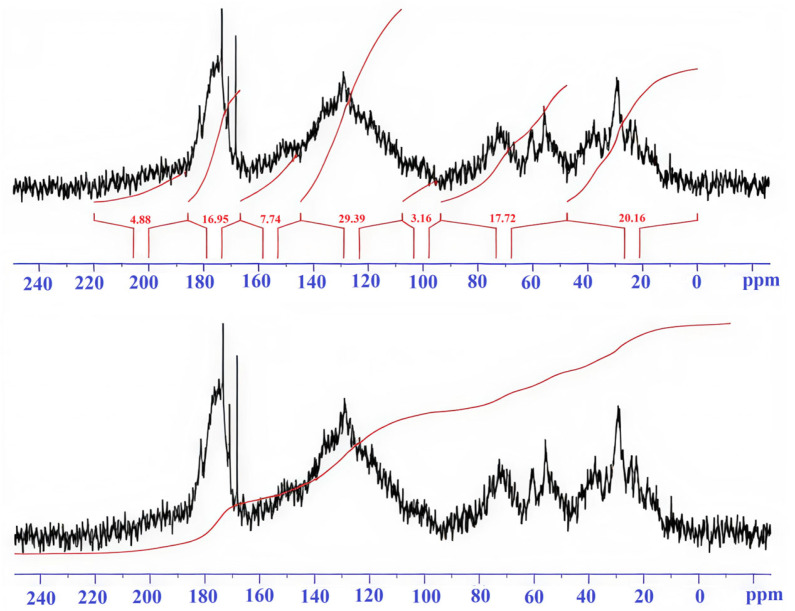 Figure 1
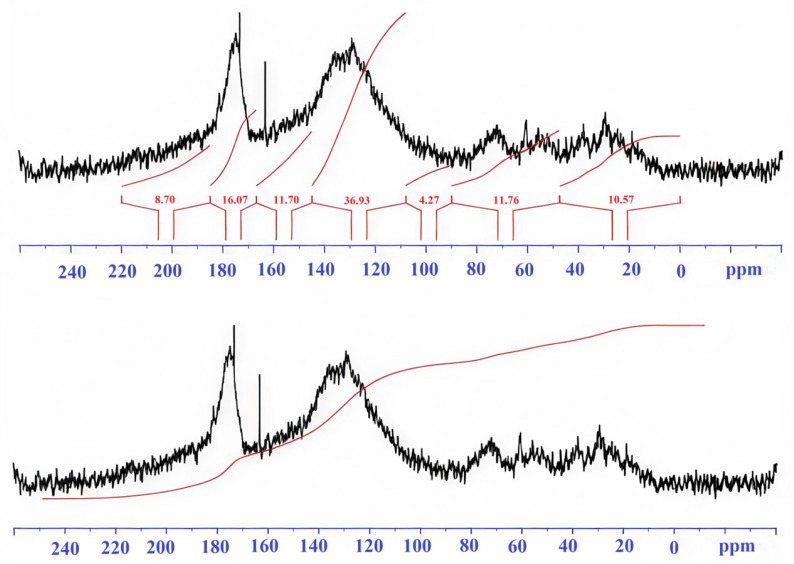 Figure 2
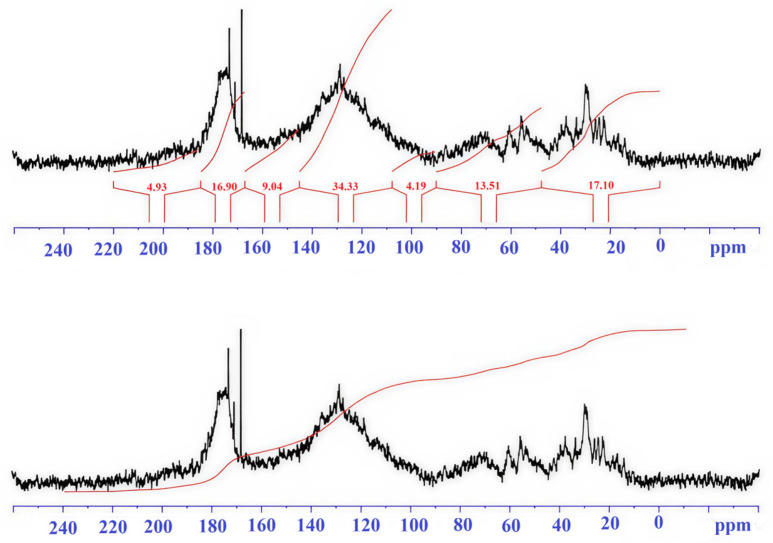 Figure 3
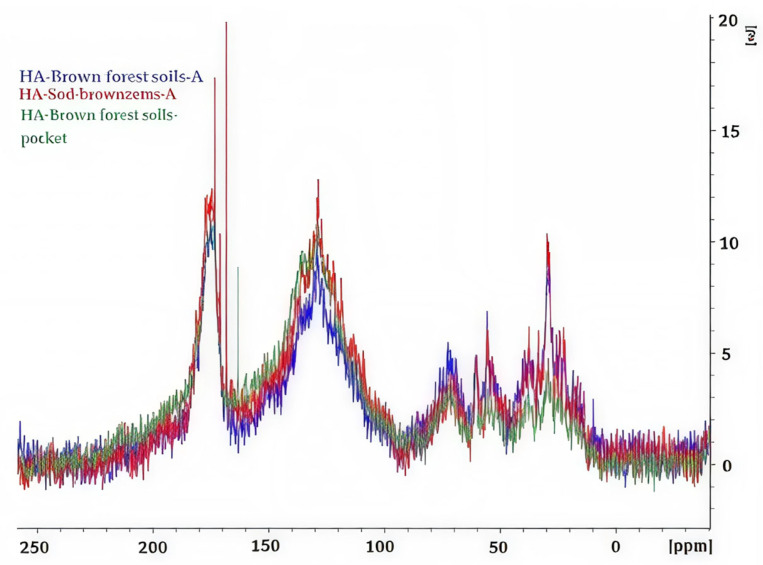 Figure 4
 Figure 5
 Figure 6
Peer Reviews
No public reviews on file for this paper yet. If you reviewed it on a platform where reviews are public (OpenReview, ICLR, NeurIPS, ICML), you can paste yours below so the community can read it here.
Videos
No videos yet. Explain this paper in a talk, walkthrough, or lecture? Add one.
Taxonomy
TopicsPlant Growth Enhancement Techniques · Soil and Environmental Studies · Soil Carbon and Nitrogen Dynamics