A Phase II Study of 177Lu–Lilotomab Satetraxetan, a CD37 Antibody–Radionuclide Conjugate, as Third- or Later-Line Treatment of Rituximab-Refractory Follicular B-Cell Lymphoma Patients
Roy H. Larsen, Arne Kolstad, Alexander Fosså, Ada Repetto-Llamazares, Knut T. Smerud, Timothy Illidge, Øyvind S. Bruland

TL;DR
A clinical trial tested a radioactive treatment for advanced follicular lymphoma patients who no longer respond to standard therapies, showing moderate effectiveness with manageable side effects.
Contribution
The study evaluates the efficacy and safety of a single-dose CD37-targeted radioimmunoconjugate in rituximab-refractory follicular lymphoma patients.
Findings
The 40/15 regimen showed higher response rates and longer response durations compared to the 100/20 regimen.
The most common severe adverse events were hematologic, with neutropenia and thrombocytopenia being the most frequent.
Betalutin demonstrated a mild toxicity profile and clinically relevant response rates in heavily pretreated patients.
Abstract
Background: CD37, an antigen highly expressed in B-cell malignancies, served as the target in the LYMRIT-37-01 Part B (PARADIGME) and Part C studies employing a single intravenous injection of the radioimmunoconjugate 177Lu–lilotomab satetraxetan (Betalutin®). Methods: Patients with follicular lymphoma (FL), grades I–IIIa, who had received at least two previous lines of therapy and were refractory to at least one previous regimen with rituximab or an anti-CD20 agent, were included. They were randomized to receive either a 40 mg lilotomab pretreatment and an activity dosage of 15 MBq/kg Betalutin (“40/15” regimen) or 100 mg/m2 of lilotomab and 20 MBq/kg of Betalutin (“100/20” regimen). In total, 109 patients were enrolled and received Betalutin, 72 of whom received the 40/15 regimen and 28 received the 100/20 regimen. An additional heavily pretreated “special population” of nine patients…
Genes, proteins, chemicals, diseases, species, mutations and cell lines named across the full text — each resolved to its canonical identifier and authoritative record.
Click any figure to enlarge with its caption.
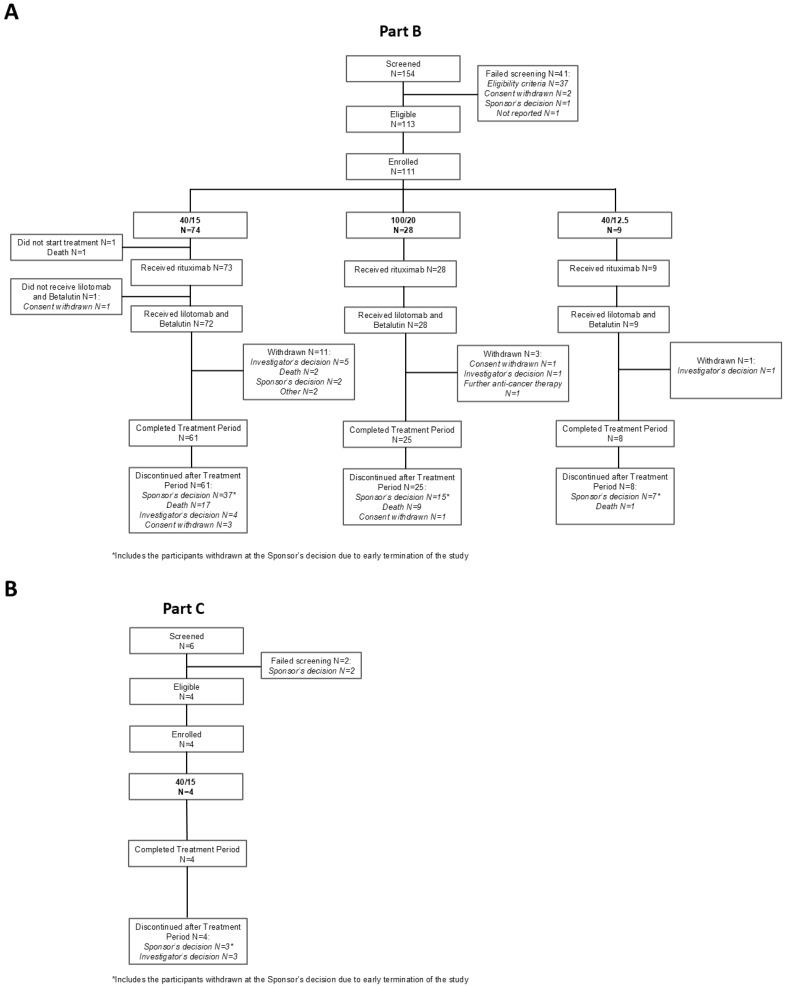 Figure 1
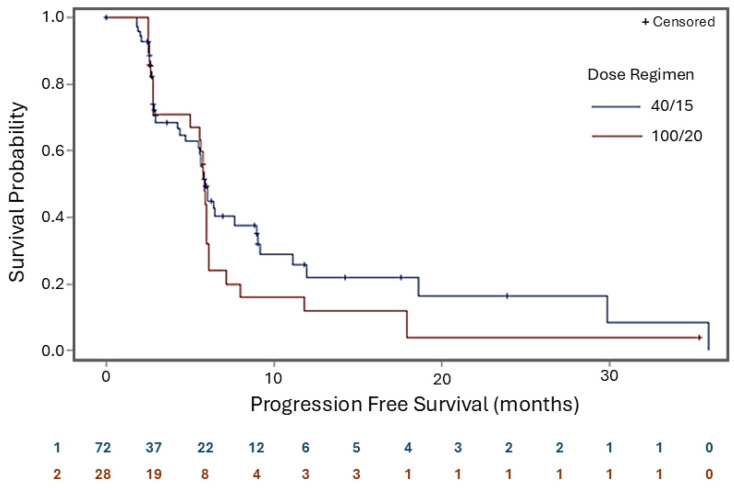 Figure 2
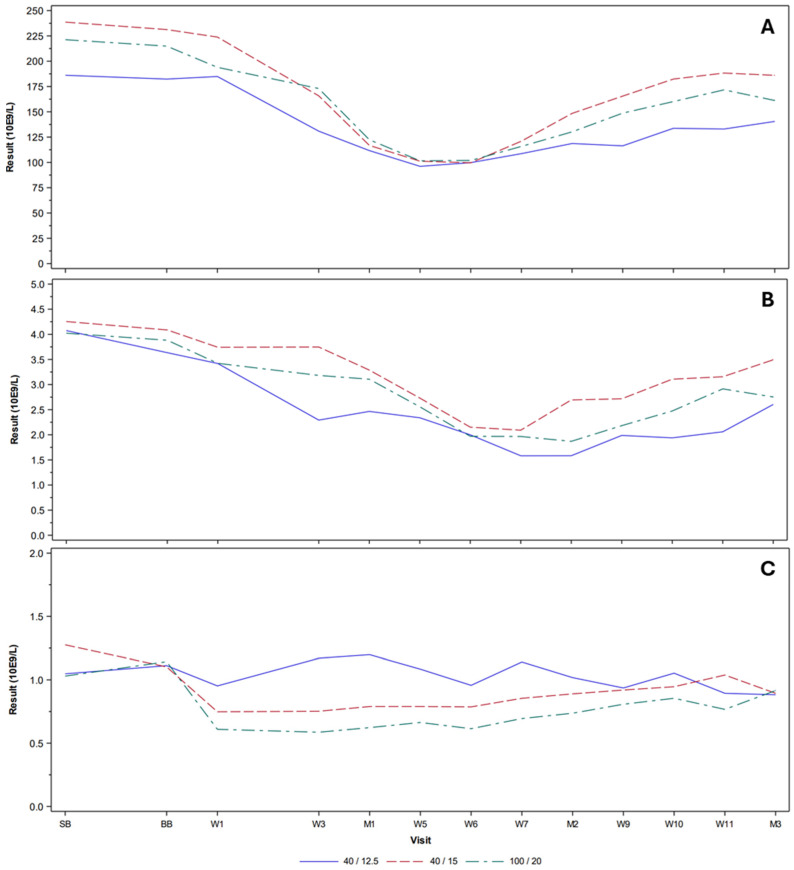 Figure 3
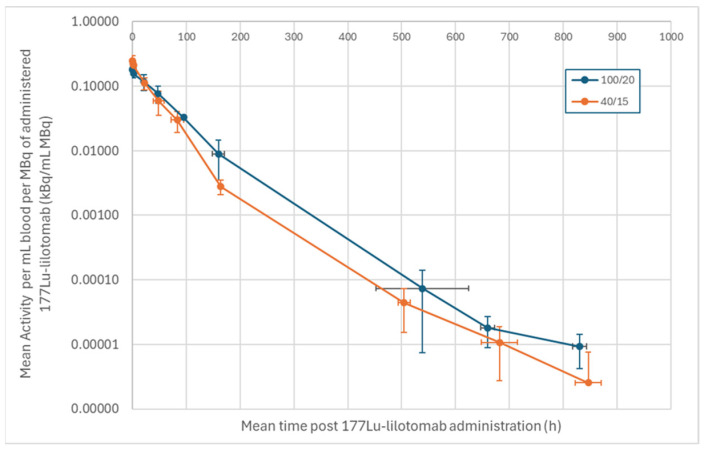 Figure 4
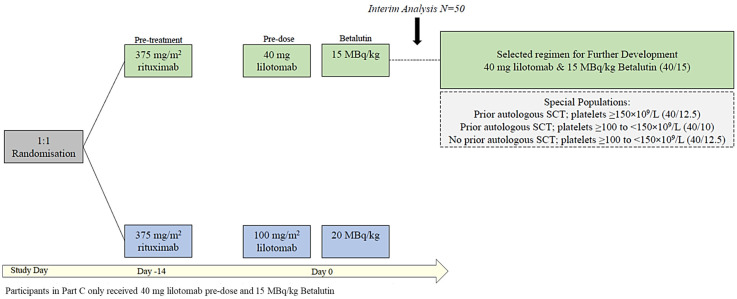 Figure 5
Peer Reviews
No public reviews on file for this paper yet. If you reviewed it on a platform where reviews are public (OpenReview, ICLR, NeurIPS, ICML), you can paste yours below so the community can read it here.
Videos
No videos yet. Explain this paper in a talk, walkthrough, or lecture? Add one.
Taxonomy
TopicsLymphoma Diagnosis and Treatment · CAR-T cell therapy research · Radiopharmaceutical Chemistry and Applications