Antidepressant-Like Effects of n-Butylidenephthalide Using In Vivo and In Silico Approaches
María Leonor González-Rivera, María del Carmen Juárez-Vázquez, Athzirys Alejandra Melecio-Hernández, Diana Casique-Aguirre, Gabriela Josefina López-González, Ramsés Maximiliano Ramírez-Martínez, Andrea Ayala-Torres, Yurisleidys Quesada-Mendiola, Juan Ramón Zapata-Morales

TL;DR
The compound n-butylidenephthalide (BP) shows antidepressant-like effects in mice, possibly through serotonergic and adrenergic systems.
Contribution
BP's antidepressant-like effects and potential mechanism of action are explored using both in vivo and in silico methods.
Findings
BP showed antidepressant-like effects comparable to amitriptyline in acute assays.
Serotonergic and adrenergic systems are involved in BP's antidepressant-like effects.
BP had limited effects in a chronic reserpine-induced depression model compared to amitriptyline.
Abstract
Background: The plant-derived compound n-butylidenephthalide (BP) is an isobenzofuranone that has shown neuropharmacological effects on preclinical models of Parkinson’s, Alzheimer’s, and amyotrophic lateral sclerosis. Methods: This study evaluated the anti-inflammatory, antinociceptive, anxiolytic-like, hypnotic, anticonvulsant, and antidepressant-like effects of BP (50–200 mg/kg p.o.) using Balb/c mice in acute assays. This study also evaluated the antidepressant-like effects of BP in a mouse model of reserpine-induced depression-like behavior for 20 days. Inhibitors involved in the molecular process of depression and in silico studies were used to evaluate a possible mechanism of action for the antidepressant-like effects of BP. Results: BP induced low anti-inflammatory effects, showed low anticonvulsant effects, and lacked hypnotic effects or motor impairment in acute assays. The…
Genes, proteins, chemicals, diseases, species, mutations and cell lines named across the full text — each resolved to its canonical identifier and authoritative record.
Click any figure to enlarge with its caption.
 Figure 1
 Figure 2
 Figure 3
 Figure 4
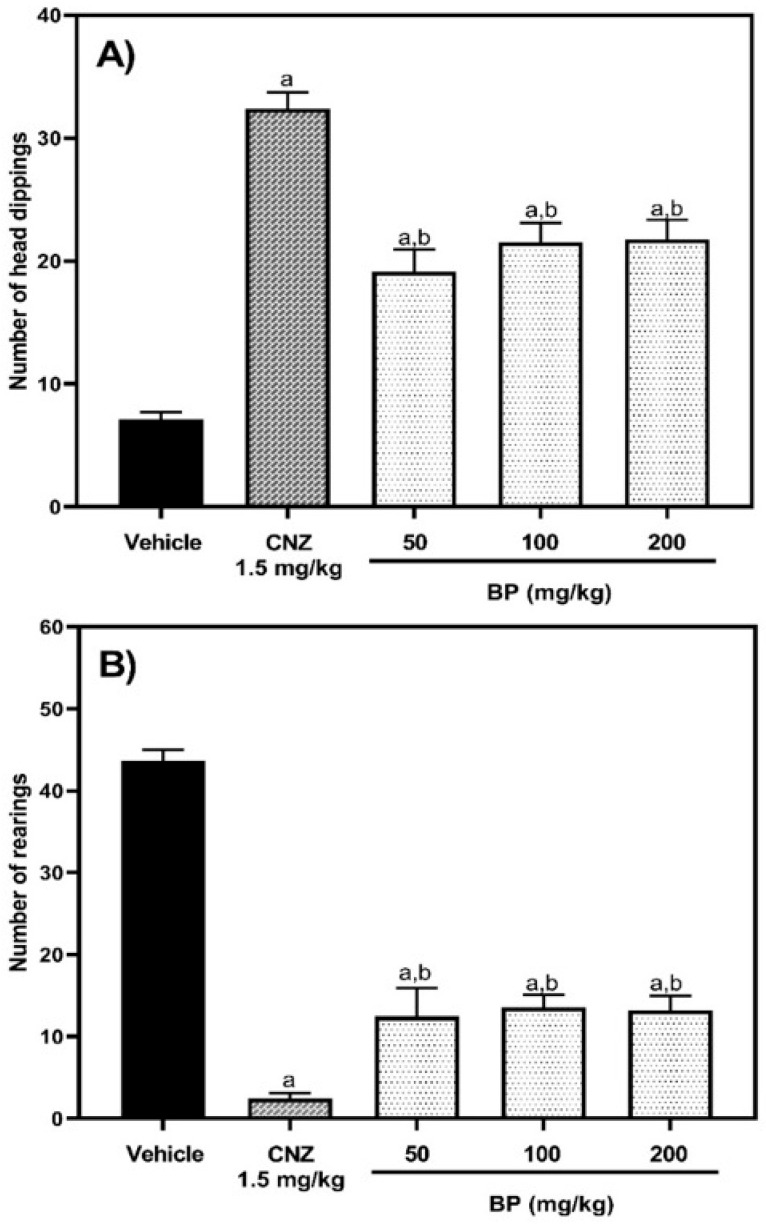 Figure 5
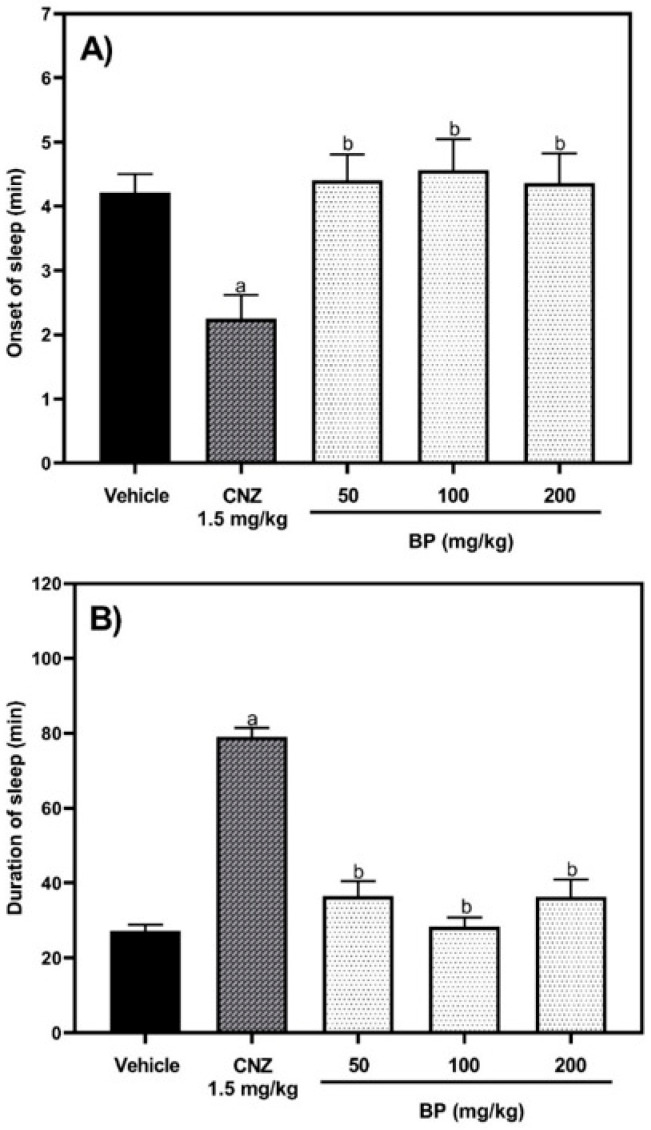 Figure 6
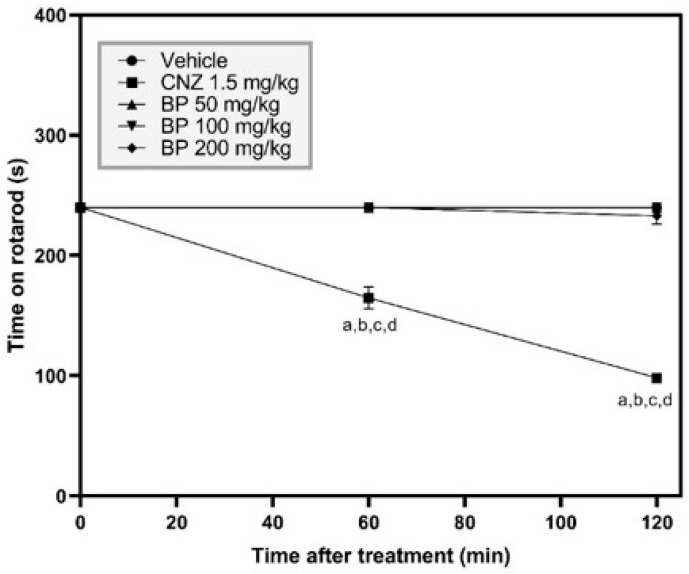 Figure 7
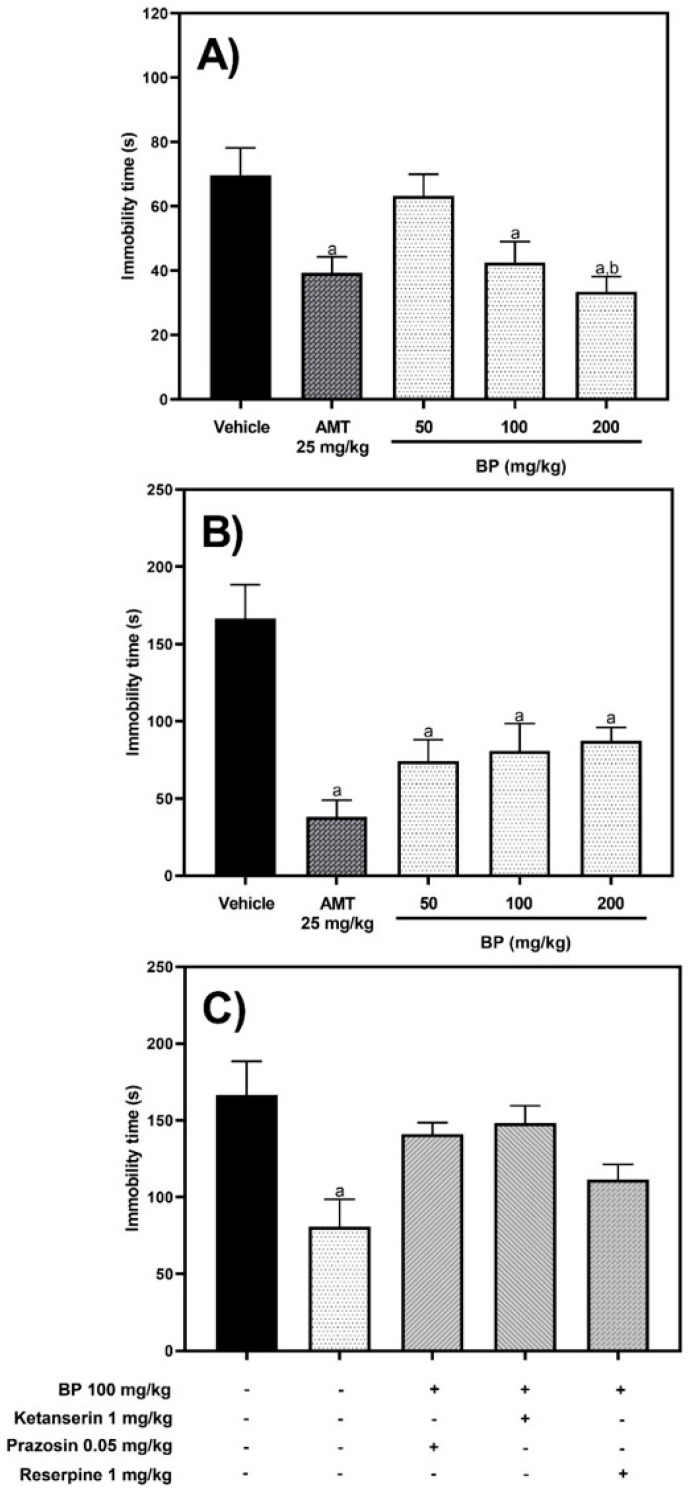 Figure 8
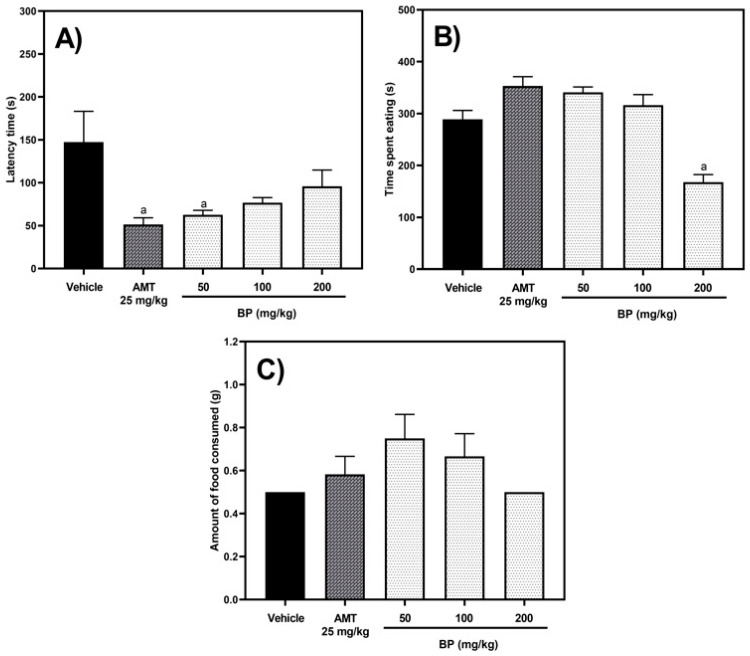 Figure 9
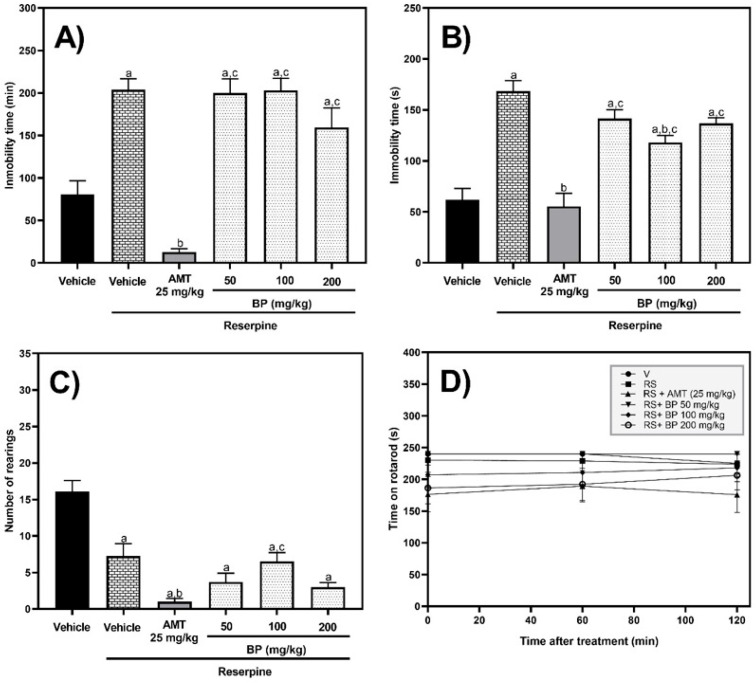 Figure 10
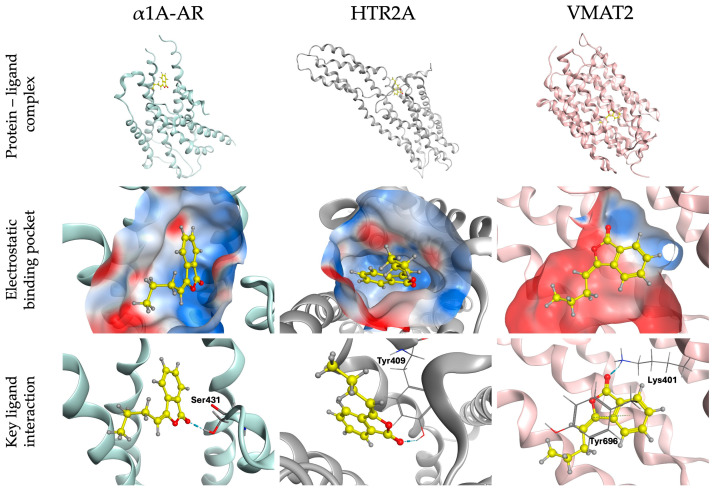 Figure 11
 Figure 12
Peer Reviews
No public reviews on file for this paper yet. If you reviewed it on a platform where reviews are public (OpenReview, ICLR, NeurIPS, ICML), you can paste yours below so the community can read it here.
Videos
No videos yet. Explain this paper in a talk, walkthrough, or lecture? Add one.
Taxonomy
TopicsNeurological Disease Mechanisms and Treatments · Traditional Chinese Medicine Analysis · Medicinal Plants and Neuroprotection