Involvement of Serotonergic and Dopaminergic Systems in Aloysia gratissima var. gratissima: Antidepressant-like Effect, UPLC-DAD-MS Chemical Characterization, and Computational Evidence
Miguel A. Campuzano-Bublitz, Alberto Burgos-Edwards, Elvio Gayozo, Adelian A. Acosta, Rodrigo S. Paredes, Alex D. Campuzano-Kennedy, Antonia K. Galeano, Yenny P. González, Nelson L. Alvarenga, Teresa Taboada-Jara, María L. Kennedy

TL;DR
A study finds that a plant extract may act as an antidepressant by affecting brain chemicals like serotonin and dopamine.
Contribution
The study identifies active plant fractions and their potential mechanisms of action through chemical and computational analysis.
Findings
The ethyl acetate and butanol fractions of Aloysia gratissima reduced immobility in depression tests.
Compounds like ferulic acid and coumaric acid showed potential to bind to serotonin and dopamine receptors.
Only a few compounds in the extract are predicted to cross the blood-brain barrier.
Abstract
Background/Objectives: As the prevalence of depression and the use of antidepressants have risen steadily in the last decade, new treatment options are needed. Aloysia gratissima var. gratissima ethanol extract has previously shown antidepressant-like activity, and the present study was conducted to identify the active fraction and clarify the possible mechanisms of action. Methods: Tail suspension (TST) and forced swimming (FST) behavioral tests were performed, and possible mechanisms of action were elucidated using serotonergic, dopaminergic, adrenergic, and GABAergic system antagonists. UPLC-DAD-MS analyses were performed to identify compounds in active fractions, and molecular docking studies were carried out to determine the binding affinities of these compounds to serotonergic and dopaminergic receptors (5-HT1A, 5-HT2A, 5-HT3, and D2R). Results: Ethyl acetate and butanol fractions…
Genes, proteins, chemicals, diseases, species, mutations and cell lines named across the full text — each resolved to its canonical identifier and authoritative record.
Click any figure to enlarge with its caption.
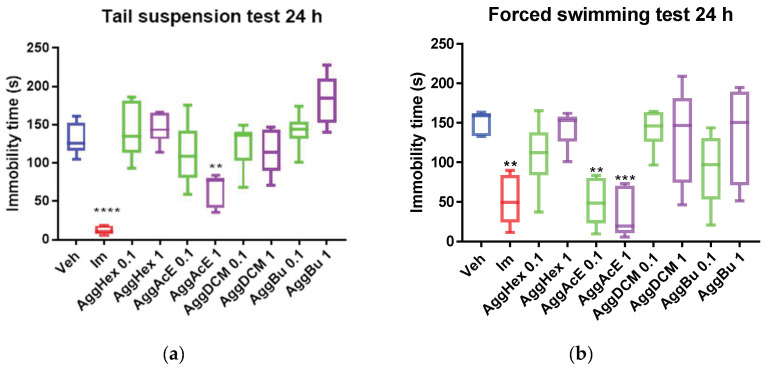 Figure 1
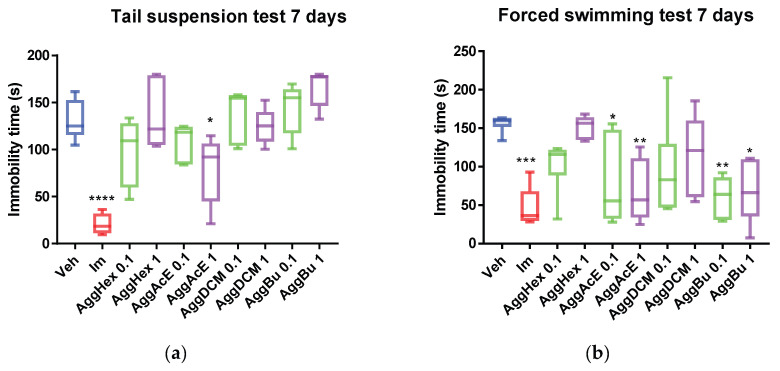 Figure 2
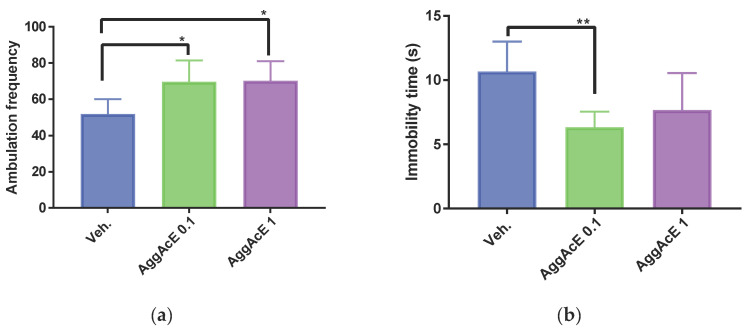 Figure 3
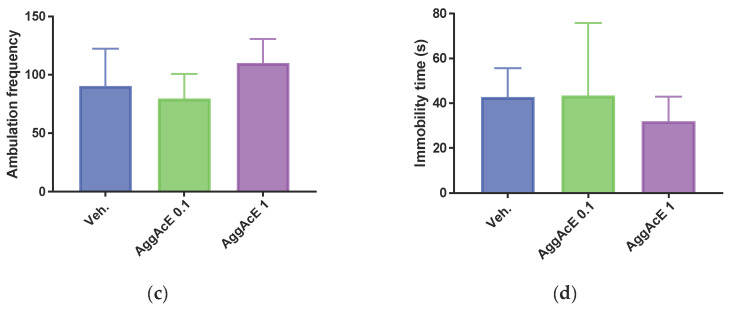 Figure 4
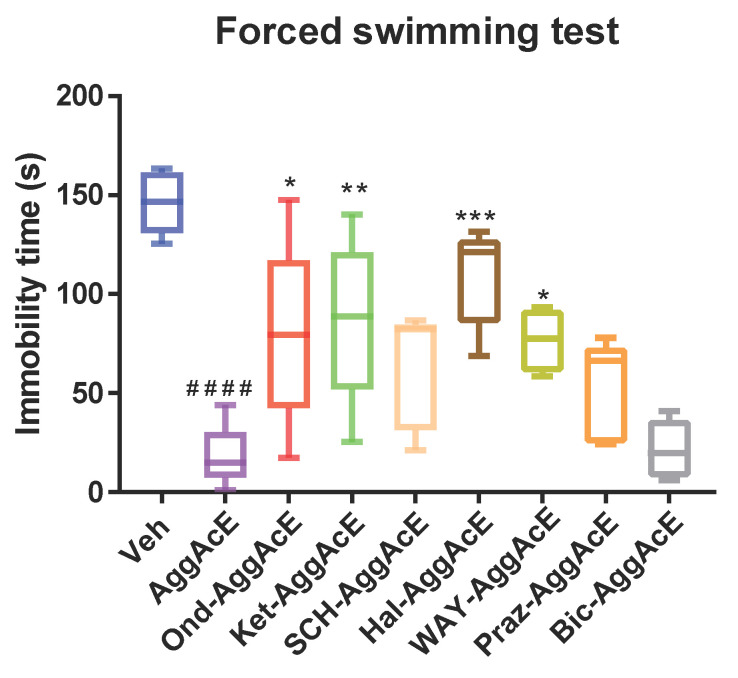 Figure 5
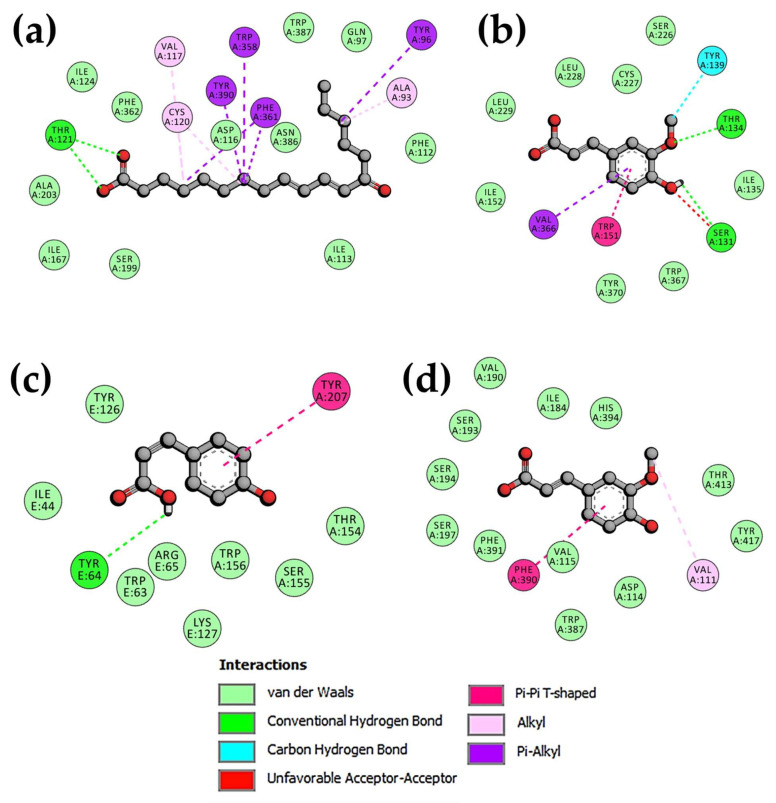 Figure 6
Peer Reviews
No public reviews on file for this paper yet. If you reviewed it on a platform where reviews are public (OpenReview, ICLR, NeurIPS, ICML), you can paste yours below so the community can read it here.
Videos
No videos yet. Explain this paper in a talk, walkthrough, or lecture? Add one.
Taxonomy
TopicsNatural Compound Pharmacology Studies · Chemical synthesis and alkaloids · Neurotransmitter Receptor Influence on Behavior