Advances in Porous Silicon Materials for Sensing, Energy Storage, and Microelectronics
Yujie Wang, Donghua Wang

TL;DR
This review explores how porous silicon can be used in sensing, energy storage, and microelectronics, focusing on fabrication methods and surface modifications.
Contribution
The paper systematically evaluates synthesis techniques and surface modification strategies for porous silicon, highlighting their impact on application performance.
Findings
Porous silicon can be fabricated using electrochemical anodization, MACE, and vapor-phase etching methods.
Surface modifications like thermal oxidation and ALD improve stability and functionalization of porous silicon.
Applications include sensing, energy storage, and microsystem technologies with structure–property relationships emphasized.
Abstract
Porous silicon (PSi), characterized by its high specific surface area and highly tunable morphology, presents significant potential across optoelectronics, energy storage, and biomedical applications. This review provides a systematic analysis of the synthesis methodologies, interfacial chemical engineering, and diverse applications of PSi. Initially, fabrication techniques are examined, contrasting the pore formation mechanisms of electrochemical anodization, metal-assisted chemical etching (MACE), and emerging vapor-phase etching methods, while elucidating the control of geometric parameters from microporous to macroporous scales. To address the thermodynamic instability of the hydride-terminated surface, this review systematically evaluates modification strategies such as thermal oxidation, hydrosilylation, carbonization, and atomic layer deposition (ALD). We critically analyze their…
Genes, proteins, chemicals, diseases, species, mutations and cell lines named across the full text — each resolved to its canonical identifier and authoritative record.
Click any figure to enlarge with its caption.
 Figure 1
 Figure 2
 Figure 3
 Figure 4
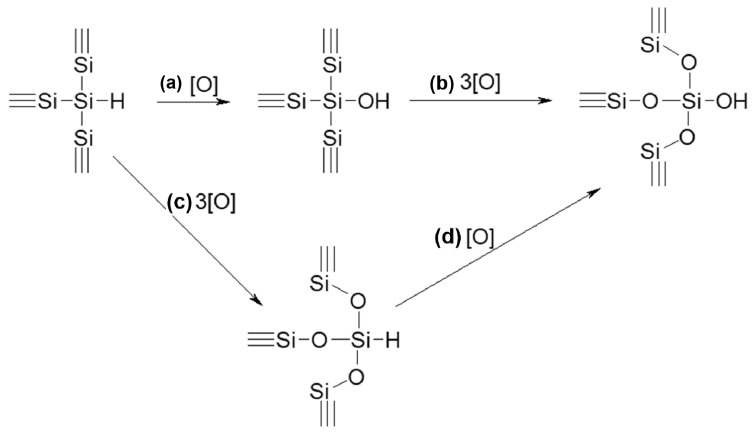 Figure 5
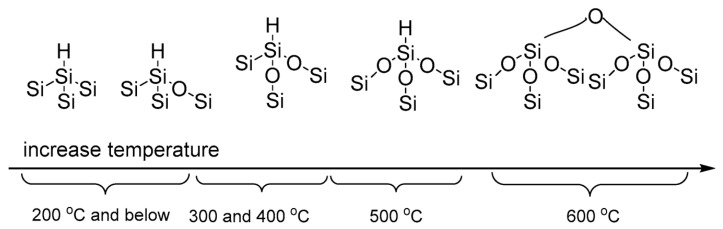 Figure 6
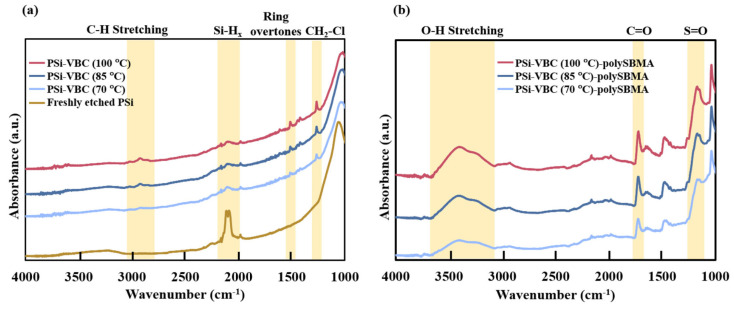 Figure 7
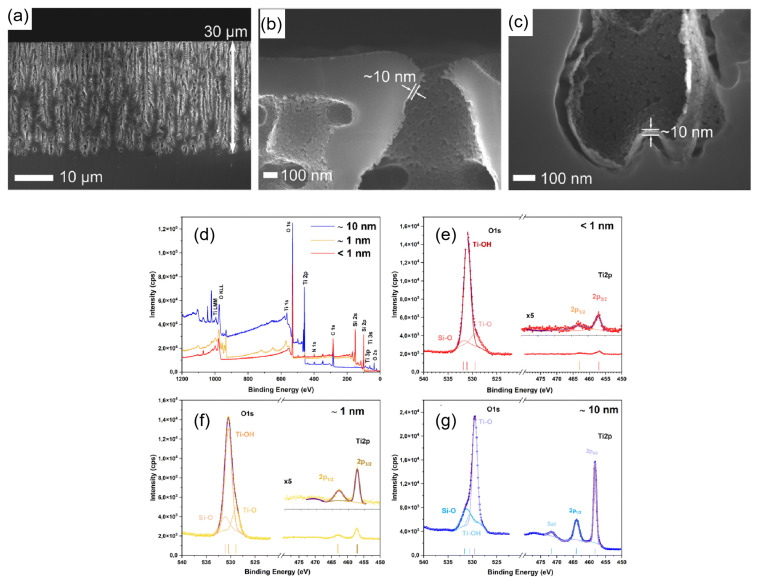 Figure 8
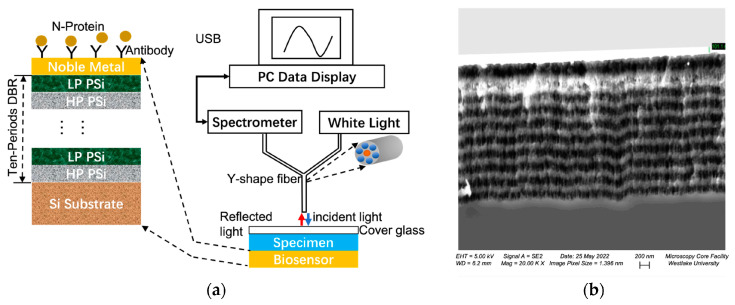 Figure 9
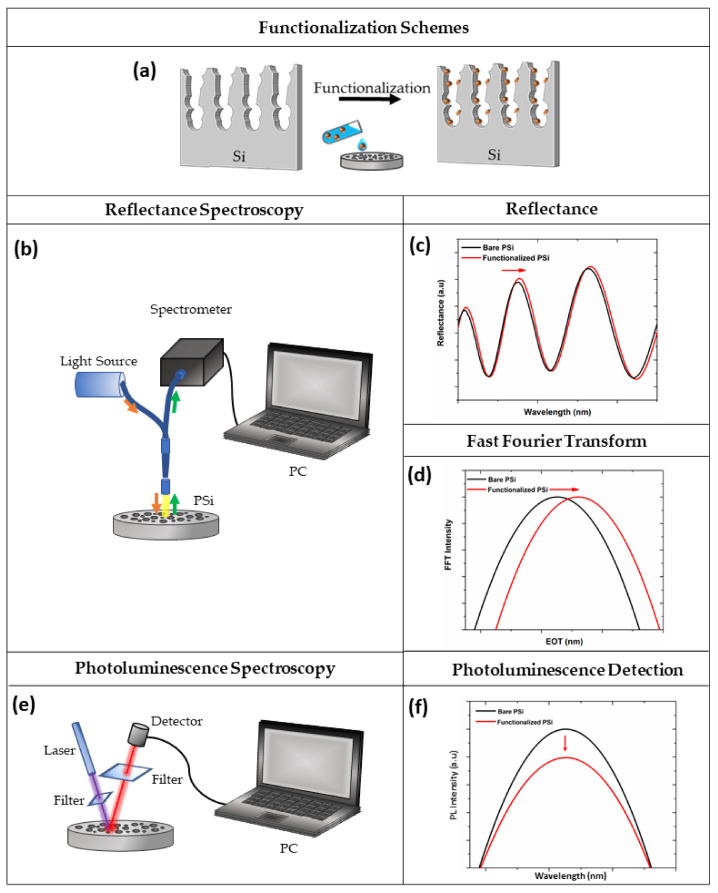 Figure 10
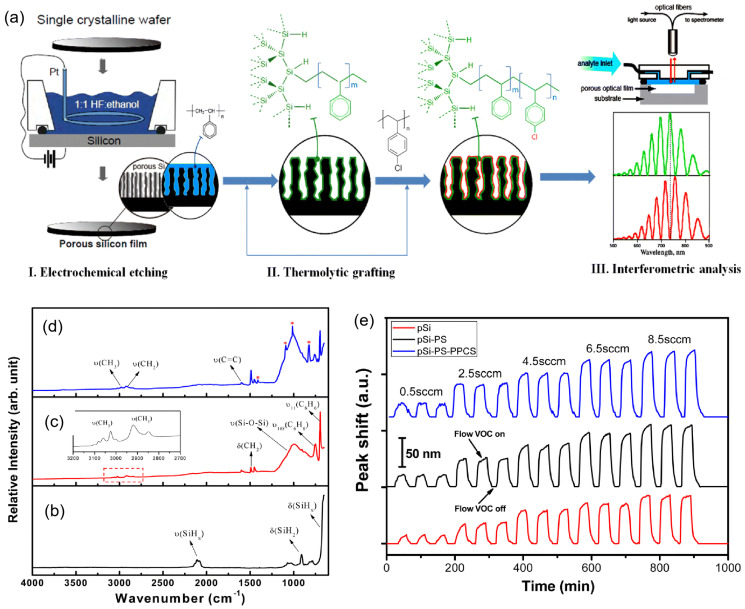 Figure 11
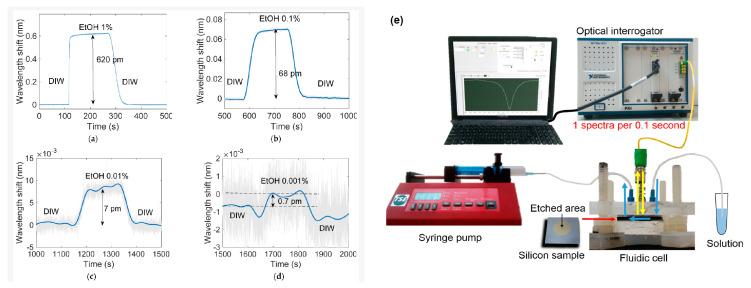 Figure 12
 Figure 13
 Figure 14
 Figure 15
 Figure 16
 Figure 17
 Figure 18
 Figure 19
Peer Reviews
No public reviews on file for this paper yet. If you reviewed it on a platform where reviews are public (OpenReview, ICLR, NeurIPS, ICML), you can paste yours below so the community can read it here.
Videos
No videos yet. Explain this paper in a talk, walkthrough, or lecture? Add one.
Taxonomy
TopicsSilicon Nanostructures and Photoluminescence · Nanowire Synthesis and Applications · Mesoporous Materials and Catalysis