Stochastic Neuromorphic Computing Architecture Based on Voltage-Controlled Probabilistic Switching Magnetic Tunnel Junction (MTJ) Devices
Liang Gao, Chenxi Wang, Yanfeng Jiang

TL;DR
This paper proposes a low-power neuromorphic computing architecture using magnetic tunnel junctions with voltage-controlled probabilistic switching for efficient edge computing.
Contribution
A novel voltage-controlled probabilistic switching MTJ device and its application in a low-power in-memory computing architecture for CNNs.
Findings
VCMA voltage pulses reduce spin Hall current density and pulse width, minimizing ohmic losses and Joule heating.
Voltage-controlled SHE-MTJ devices exhibit stochastic switching behavior with a sigmoidal voltage-probability response.
The proposed architecture achieves 72.49% Top-1 accuracy on CIFAR-10 with SqueezeNet and 1.25 × 10^6 parameters.
Abstract
As integrated circuits face increasingly stringent demands regarding power consumption, area, and stability, integrating novel spintronic devices with computing architectures has become a crucial direction for breaking through traditional computing paradigms. In the paper, switching mechanism of Magnetic Tunnel Junctions (MTJs) under the synergistic effect of Voltage-Controlled Magnetic Anisotropy (VCMA) and the Spin Hall Effect (SHE) is investigated. VCMA-assisted switching SHE-MTJ device is adopted, and a macrospin approximation model is established based on the Landau-Lifshitz-Gilbert (LLG) equation to systematically analyze its dynamic characteristics. The research demonstrates that applying VCMA voltage pulses with appropriate amplitude and width can significantly reduce the required spin Hall current density and pulse width for switching, thereby effectively minimizing ohmic…
Genes, proteins, chemicals, diseases, species, mutations and cell lines named across the full text — each resolved to its canonical identifier and authoritative record.
Click any figure to enlarge with its caption.
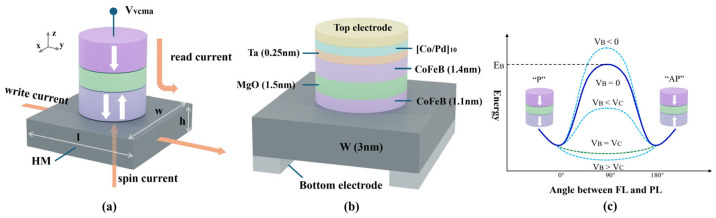 Figure 1
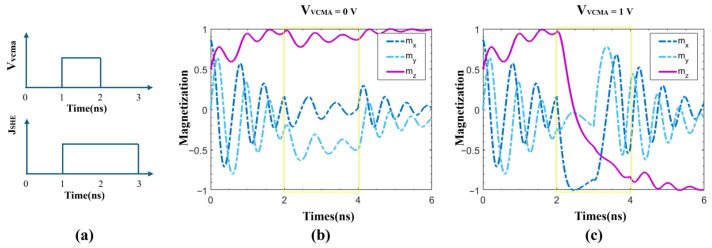 Figure 2
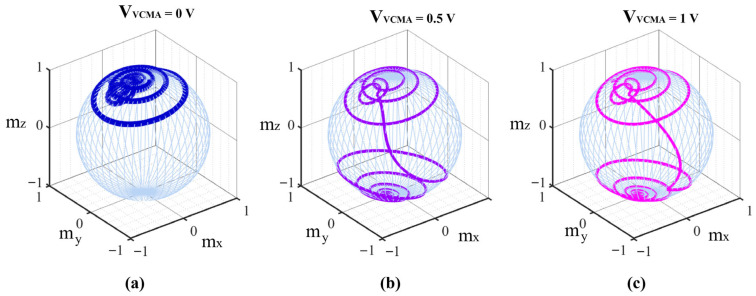 Figure 3
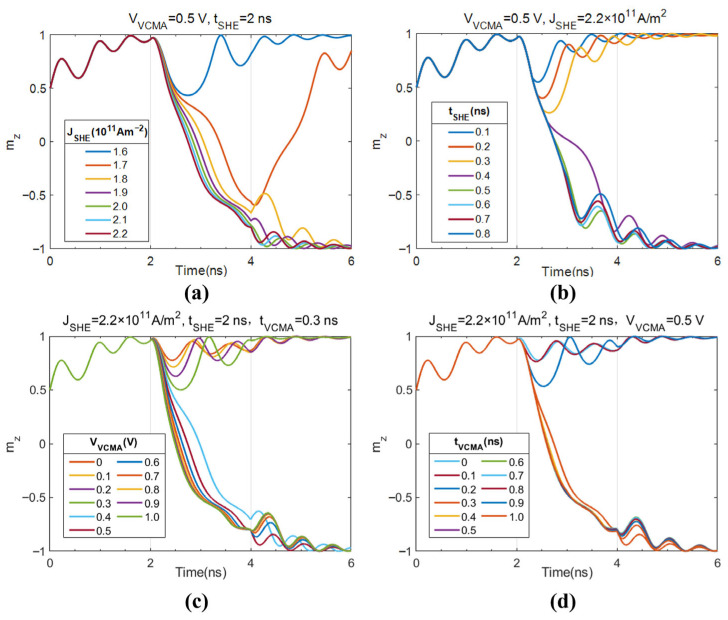 Figure 4
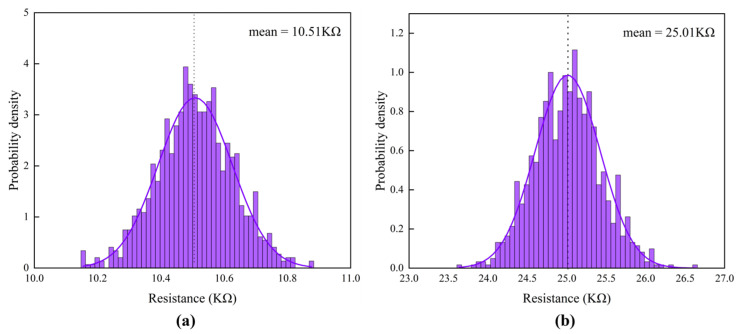 Figure 5
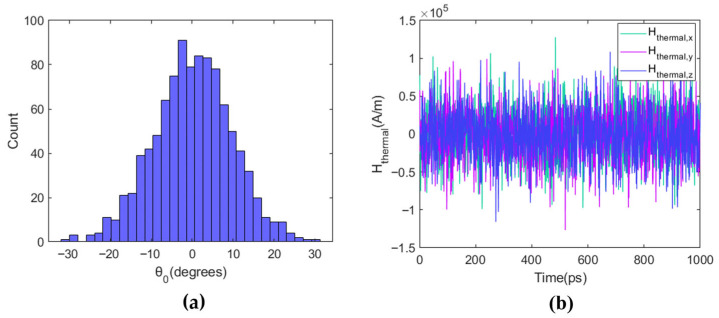 Figure 6
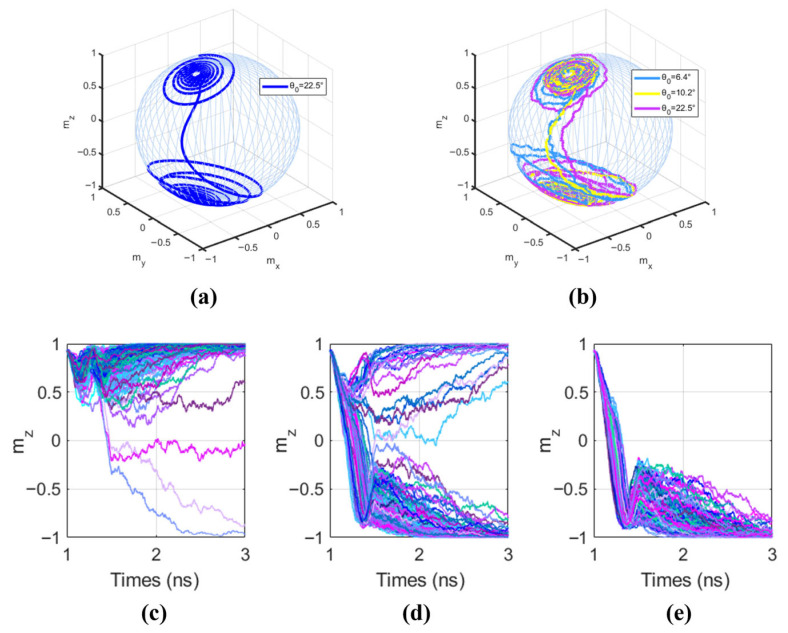 Figure 7
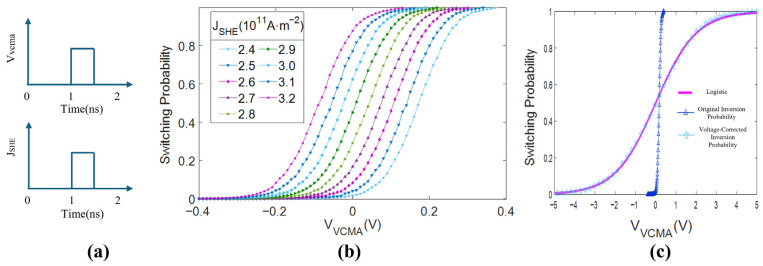 Figure 8
 Figure 9
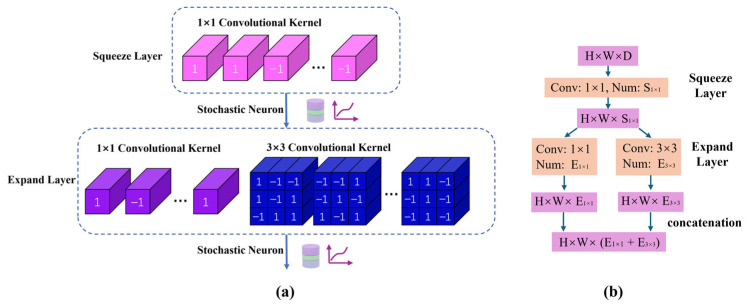 Figure 10
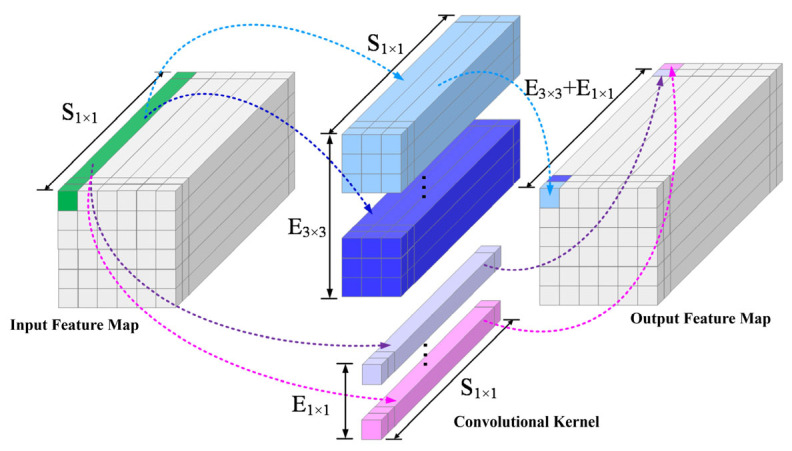 Figure 11
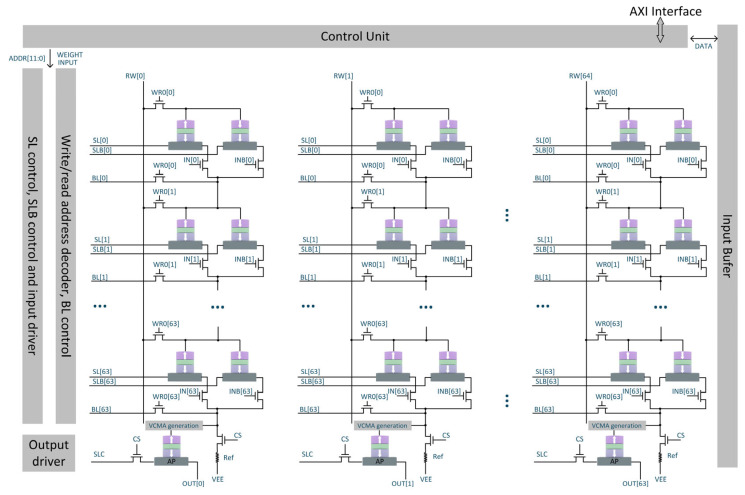 Figure 12
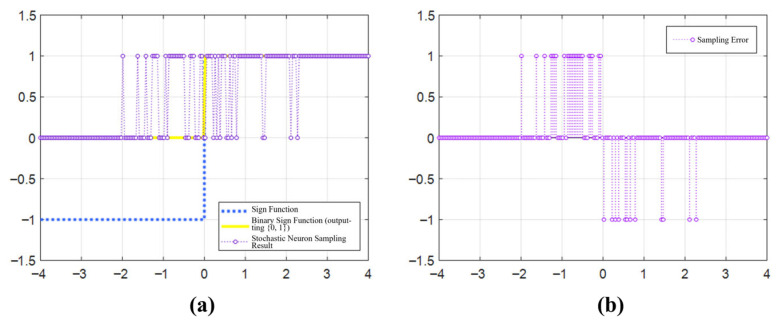 Figure 13
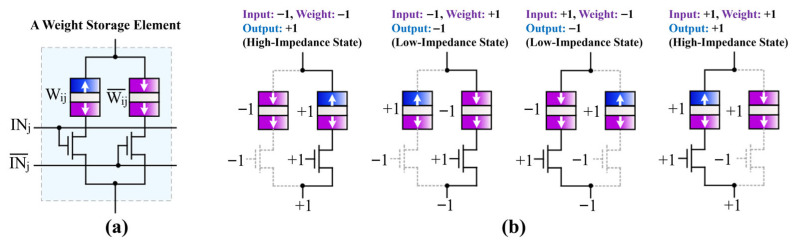 Figure 14
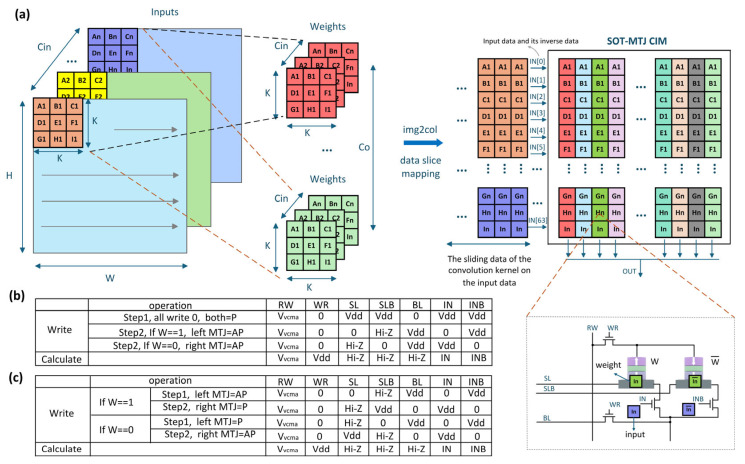 Figure 15
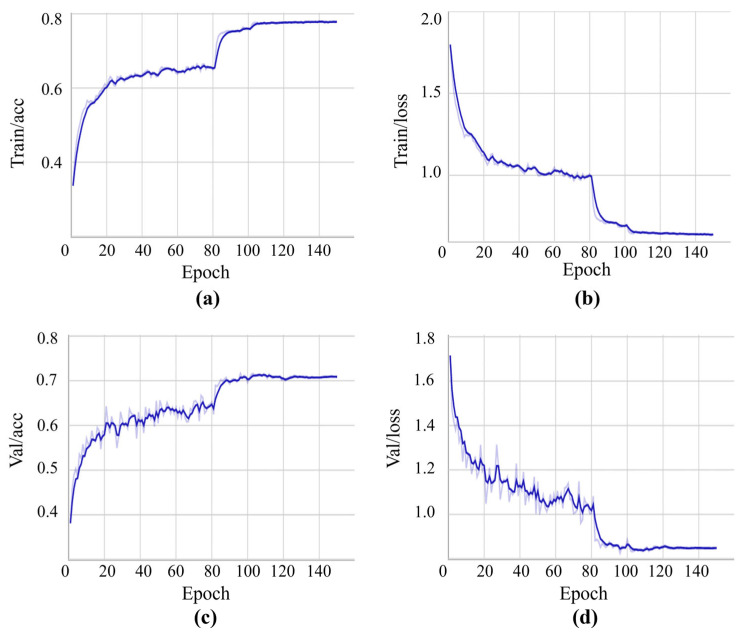 Figure 16
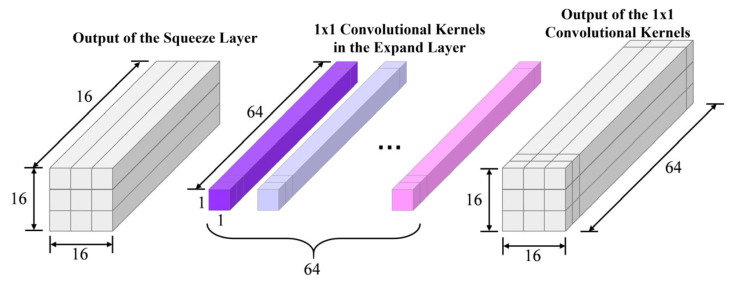 Figure 17
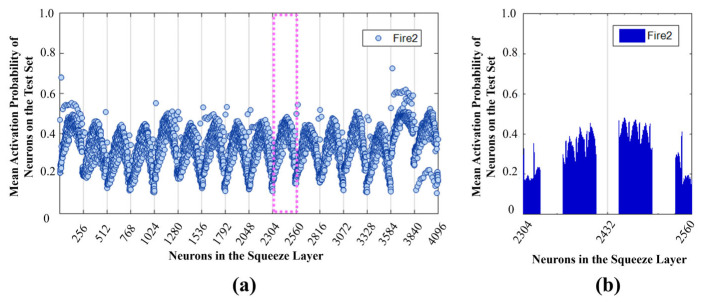 Figure 18
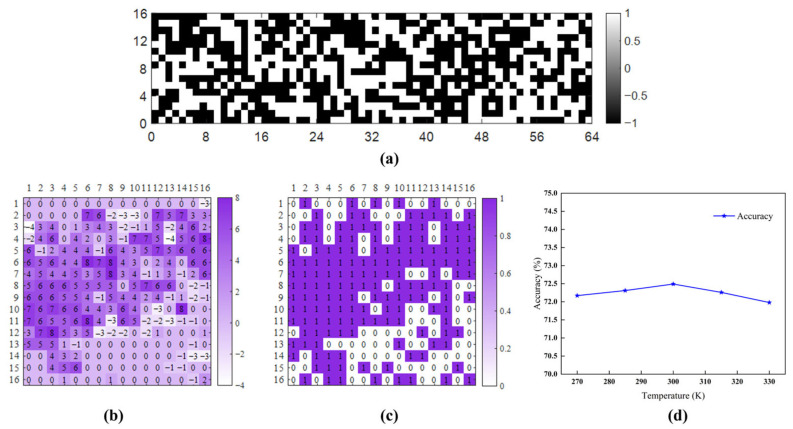 Figure 19
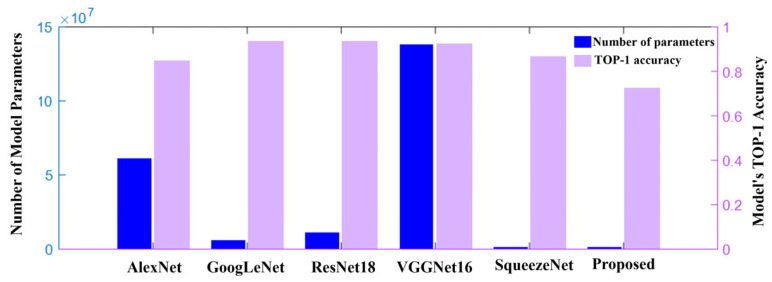 Figure 20
Peer Reviews
No public reviews on file for this paper yet. If you reviewed it on a platform where reviews are public (OpenReview, ICLR, NeurIPS, ICML), you can paste yours below so the community can read it here.
Videos
No videos yet. Explain this paper in a talk, walkthrough, or lecture? Add one.
Taxonomy
TopicsMagnetic properties of thin films · Ferroelectric and Negative Capacitance Devices · Quantum and electron transport phenomena