Leaf Traits Mediate Phyllosphere Bacterial Community Assembly and Their Role in Degrading Traffic-Derived Polycyclic Aromatic Hydrocarbons
Zheng Yang, Qingyang Liu, Shili Tian, Yanju Liu, Ming Yang, Ying Liang, Xin Chen

TL;DR
This study explores how leaf traits and environmental factors influence bacterial communities on tree leaves that help break down harmful traffic-related pollutants in urban areas.
Contribution
The study identifies specific leaf traits and bacterial taxa that influence PAH degradation in urban traffic environments.
Findings
Leaf area, morphology, and sampling height significantly affect bacterial community assembly.
Certain bacterial taxa, such as Kocuria rosea and Serratia symbiotica, show potential for degrading high molecular weight PAHs.
Deterministic processes dominate bacterial community assembly on medium-sized and simple leaves.
Abstract
Transport emissions are a major source of urban polycyclic aromatic hydrocarbons (PAHs), posing risks to human health. While plant leaves and their epiphytic microbes contribute to PAH degradation, how plant traits and environmental factors affect this process remains unclear. This study examined 20 tree species in Beijing’s traffic corridors to explore PAH enrichment on leaves and the structure of phyllospheric bacterial communities. Results show that leaf area, morphology, and sampling height significantly influenced bacterial community assembly. Normalized Stochasticity Ratio (NST) analysis indicated that deterministic processes dominate on medium-sized leaves (11.8–40.1 cm2), simple leaves, and those below 2.3 m or above 3 m in height, whereas stochastic factors prevail on nano leaves, compound leaves, and leaves at low-position (<2.3 m). Although low-molecular-weight PAHs (2–4…
Genes, proteins, chemicals, diseases, species, mutations and cell lines named across the full text — each resolved to its canonical identifier and authoritative record.
Click any figure to enlarge with its caption.
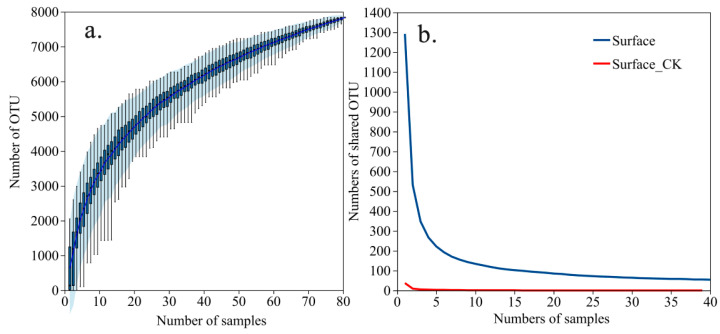 Figure 1
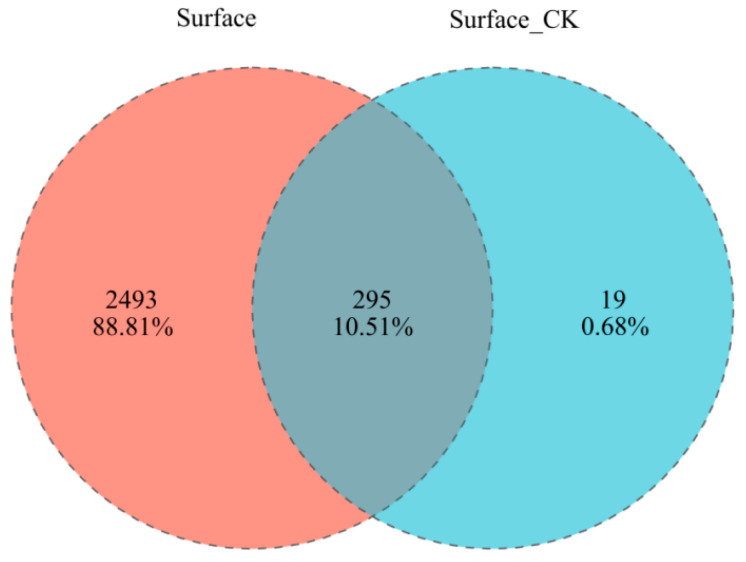 Figure 2
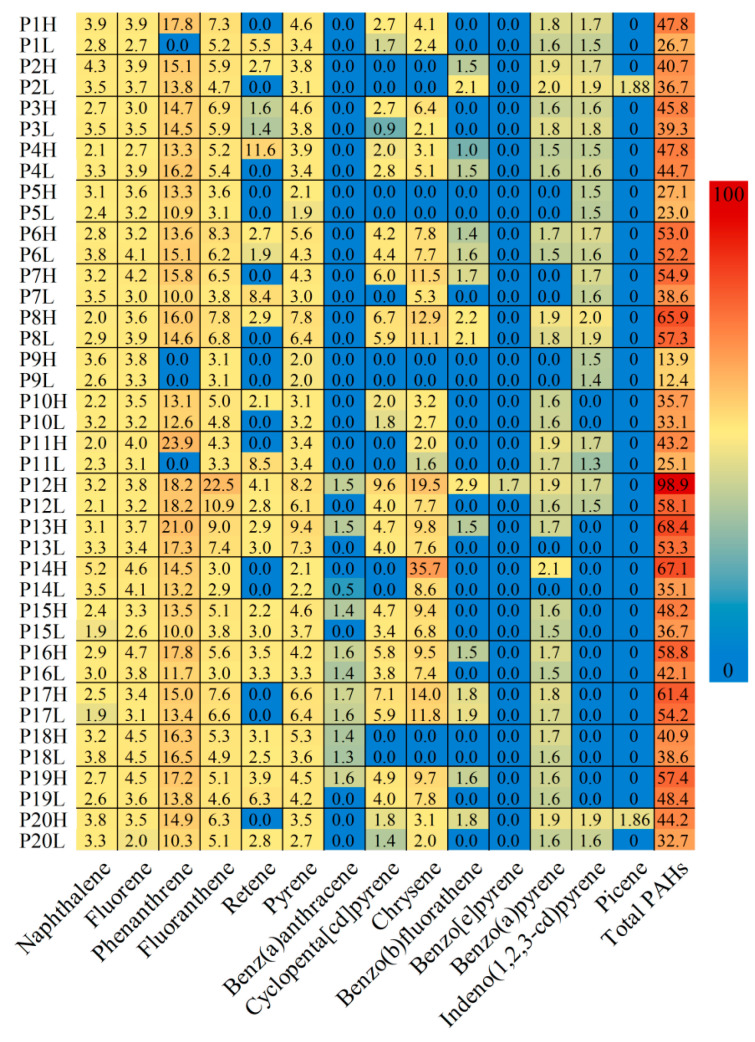 Figure 3
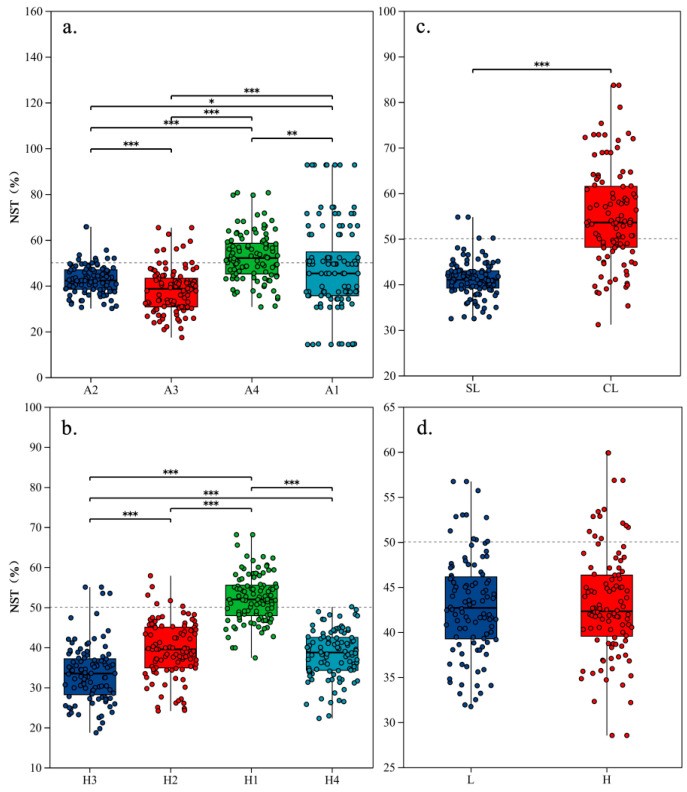 Figure 4
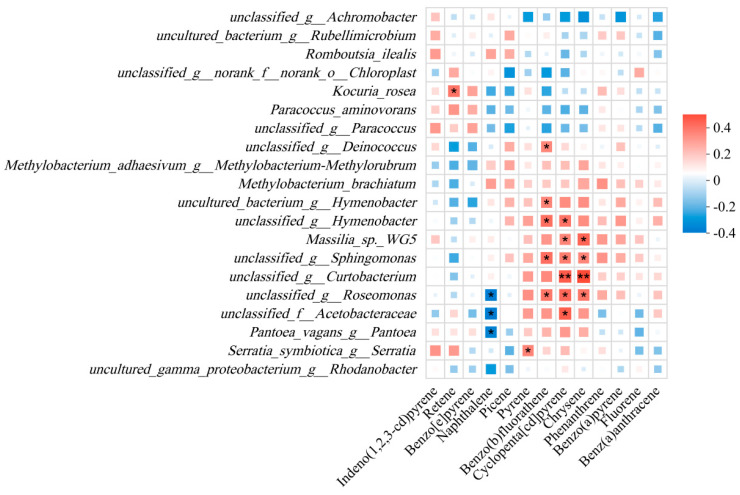 Figure 5
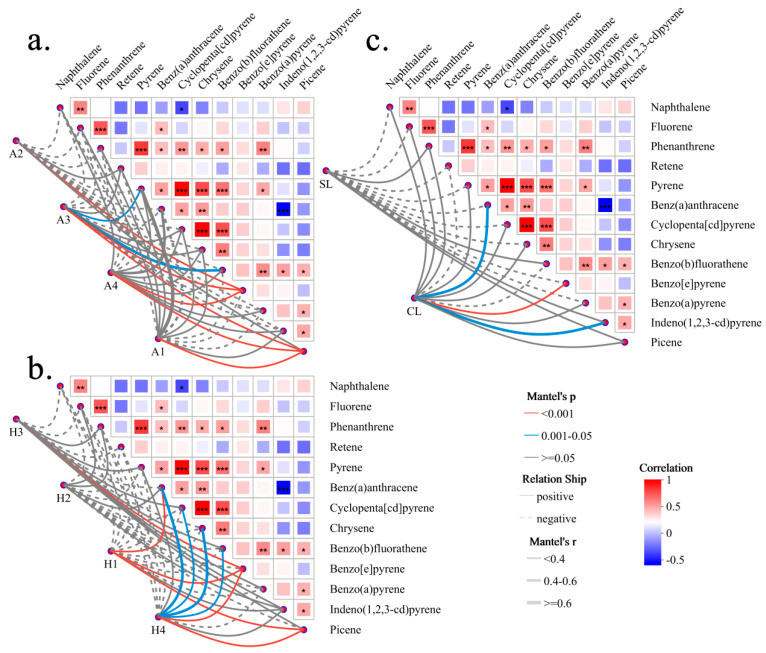 Figure 6
 Figure 7
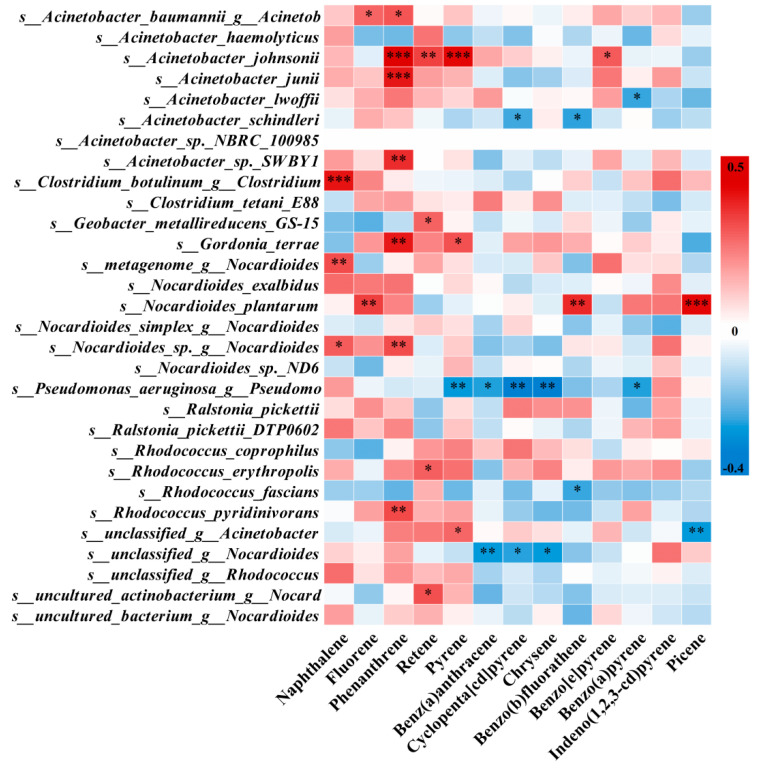 Figure 8
Peer Reviews
No public reviews on file for this paper yet. If you reviewed it on a platform where reviews are public (OpenReview, ICLR, NeurIPS, ICML), you can paste yours below so the community can read it here.
Videos
No videos yet. Explain this paper in a talk, walkthrough, or lecture? Add one.
Taxonomy
TopicsMicrobial bioremediation and biosurfactants · Toxic Organic Pollutants Impact · Microbial Community Ecology and Physiology