Molecular Docking and Structure–Activity Relationship Study of Polyphenols with Antibacterial and Antibiotic-Modulating Properties
Hayat Trabsa, Imane Krache, Naouel Boussoualim, Anfal Kara, Nadhir Saouli, Mohammad Raish, Byong-Hun Jeon, Hyun-Jo Ahn, Yacine Benguerba

TL;DR
This study evaluates how certain polyphenols affect drug-resistant bacteria and finds that propyl gallate shows strong antibacterial potential.
Contribution
The study identifies propyl gallate as a promising antibacterial adjuvant and validates structure–activity relationships in polyphenols.
Findings
Propyl gallate showed the highest inhibition zone (18.75 ± 0.25 mm) against E. coli.
Structural changes like propyl substitution enhanced antibacterial activity, while methoxy substitution reduced it.
Molecular docking revealed propyl gallate's strong binding to β-lactamases via hydrogen and hydrophobic interactions.
Abstract
The antibacterial activity of 18 phenolic compounds, including flavonoids and phenolic acids, against organisms of Escherichia coli, Klebsiella pneumoniae, and Proteus vulgaris that are resistant to several drugs was assessed in this study using the agar diffusion method. The strain’s strong resistance was confirmed by antibiotic susceptibility testing, which used fourteen drugs and only found inhibition zones for five of them. Out of the polyphenols, four compounds were effective against P. vulgaris, five against K. pneumoniae, and twelve against E. coli bacteria. The greatest inhibitory zone (18.75 ± 0.25 mm) against E. coli was shown by propyl gallate, an ester of gallic acid. Activity was significantly impacted by structural changes. Propyl substitution increased antibacterial activities across all strains, while methoxy substitution decreased them. The antibacterial effectiveness…
Genes, proteins, chemicals, diseases, species, mutations and cell lines named across the full text — each resolved to its canonical identifier and authoritative record.
Click any figure to enlarge with its caption.
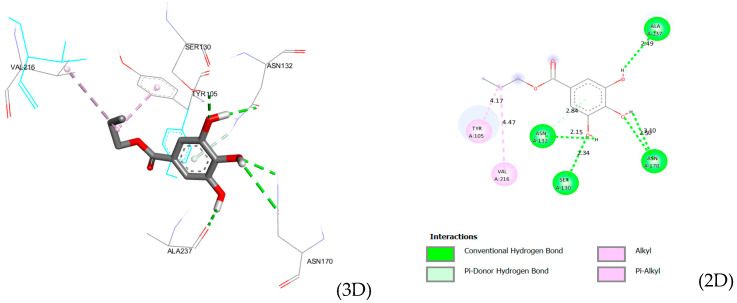 Figure 1
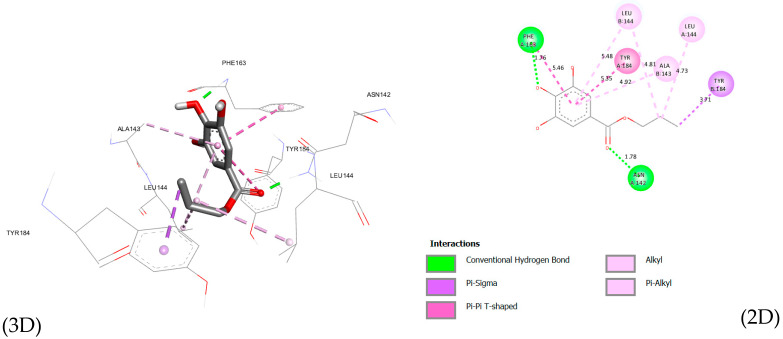 Figure 2
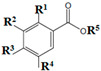 Figure 3
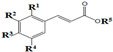 Figure 4
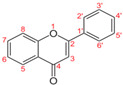 Figure 5
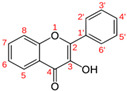 Figure 6
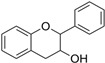 Figure 7
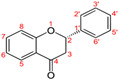 Figure 8
Peer Reviews
No public reviews on file for this paper yet. If you reviewed it on a platform where reviews are public (OpenReview, ICLR, NeurIPS, ICML), you can paste yours below so the community can read it here.
Videos
No videos yet. Explain this paper in a talk, walkthrough, or lecture? Add one.
Taxonomy
TopicsTannin, Tannase and Anticancer Activities · Phytochemicals and Antioxidant Activities · Pomegranate: compositions and health benefits