Design and Synthesis of 4-Arylazo Pyrazole Carboxamides as Dual AChE/BChE Inhibitors: Kinetic and In Silico Evaluation
Suleyman Akocak, Nebih Lolak, Hatice Esra Duran, Büşra Demir Çetinkaya, Hamada Hashem, Stefan Bräse, Cüneyt Türkeş

TL;DR
Scientists designed and tested new compounds that strongly inhibit two enzymes linked to neurological diseases, with some performing better than a standard drug.
Contribution
A new series of 4-arylazo pyrazole carboxamides was synthesized and shown to inhibit AChE and BChE more effectively than tacrine.
Findings
Compound 5e inhibited AChE with a KI of 20.86 nM, outperforming tacrine.
Most compounds showed better BChE inhibition than the reference compound.
Molecular dynamics simulations confirmed stable binding of the top compounds in enzyme active sites.
Abstract
Background/Objectives: Pyrazole carboxamides are widely used as adaptable medicinal-chemistry scaffolds and have been explored as cholinesterase (ChE) inhibitor chemotypes. In this work, we prepared a new series of 4-arylazo-3,5-diamino-N-tosyl-1H-pyrazole-1-carboxamides 5(a–m) and evaluated their inhibitory activity against acetylcholinesterase (AChE) and butyrylcholinesterase (BChE), supported by structure-based computational analyses. Methods: Thirteen derivatives 5(a–m) were synthesized, fully characterized with analytical techniques (FT-IR, H NMR, and C NMR), and tested in vitro against AChE and BChE, with tacrine (THA) used as the reference inhibitor. Docking calculations were used to examine plausible binding modes. The top-ranked complexes (7XN1–5e and 4BDS–5i) were further examined by 100 ns explicit-solvent molecular dynamics (MD) simulations in Cresset Flare, followed by…
Genes, proteins, chemicals, diseases, species, mutations and cell lines named across the full text — each resolved to its canonical identifier and authoritative record.
Click any figure to enlarge with its caption.
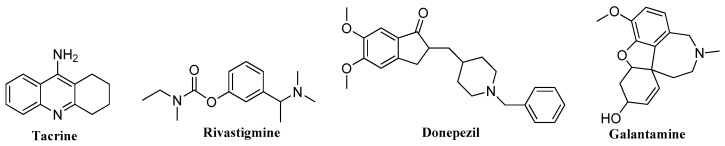 Figure 1
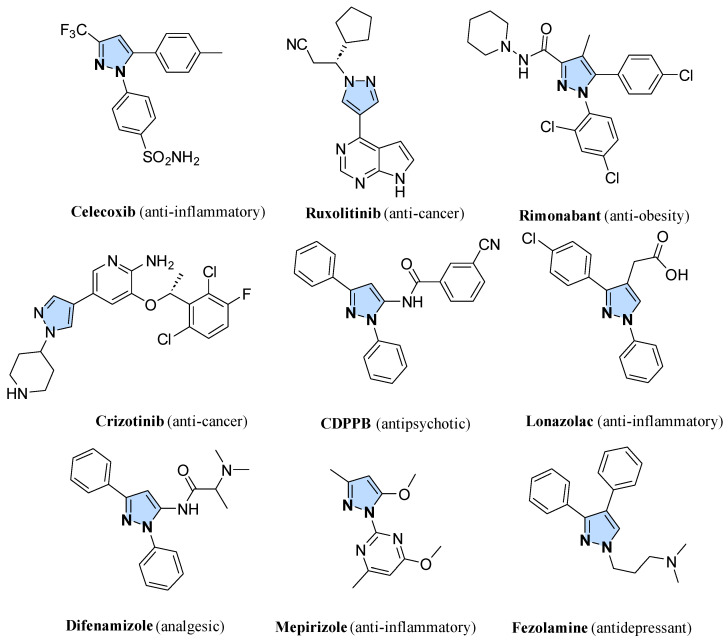 Figure 2
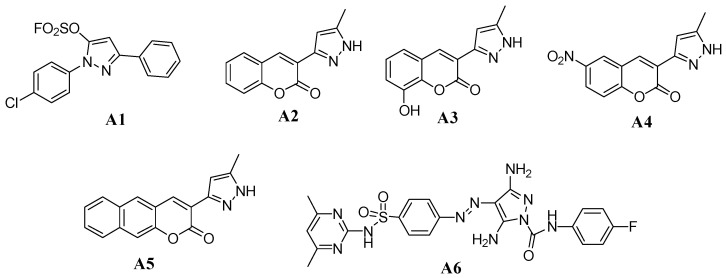 Figure 3
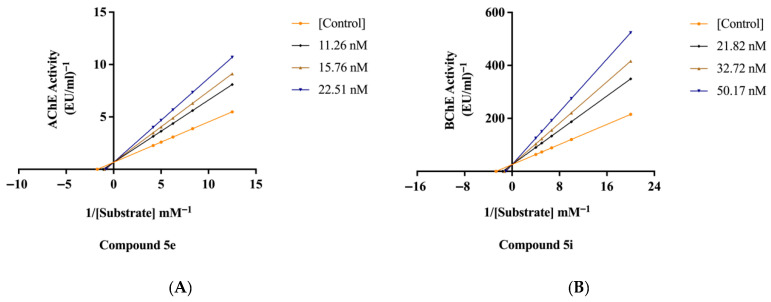 Figure 4
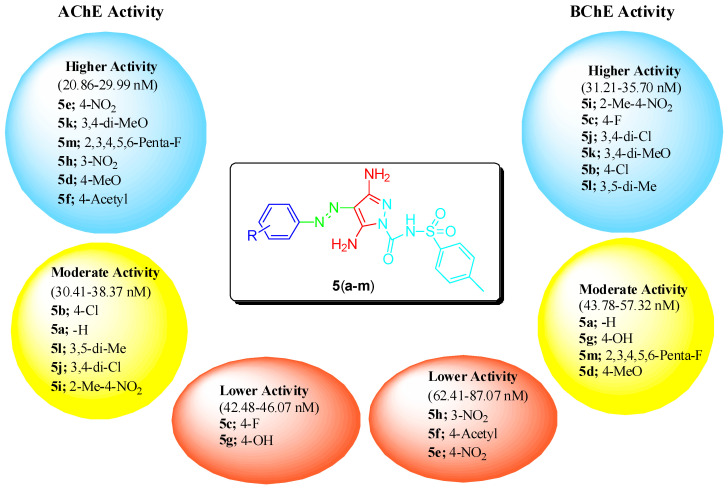 Figure 5
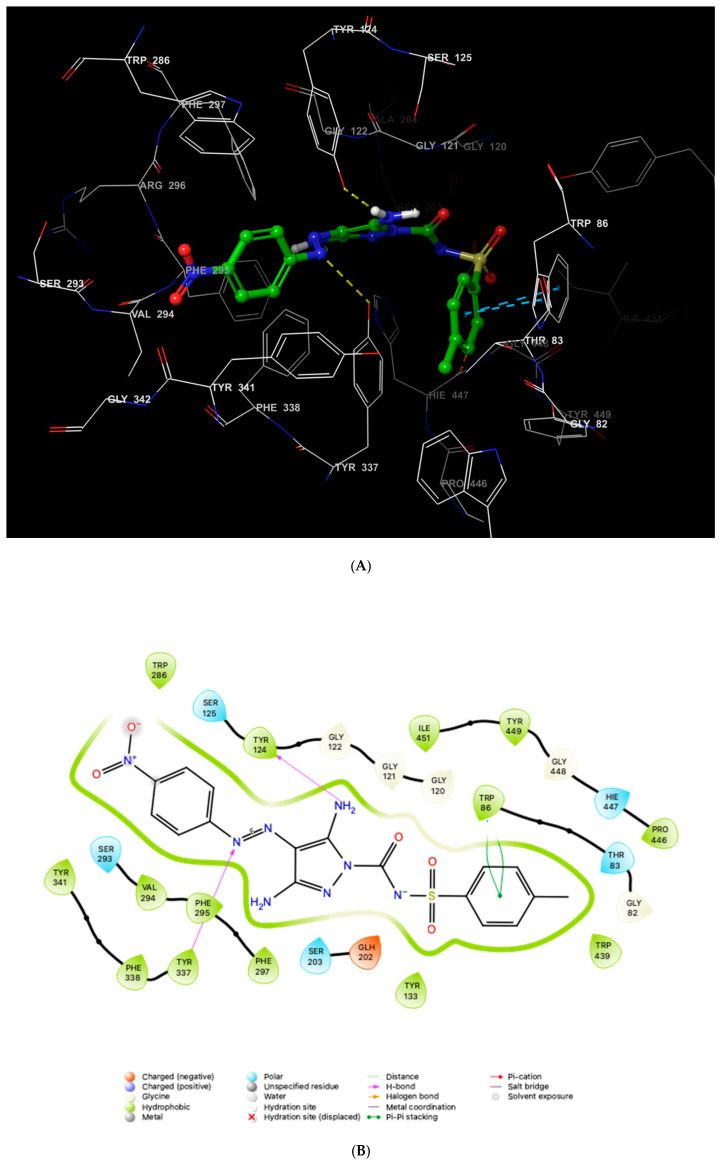 Figure 6
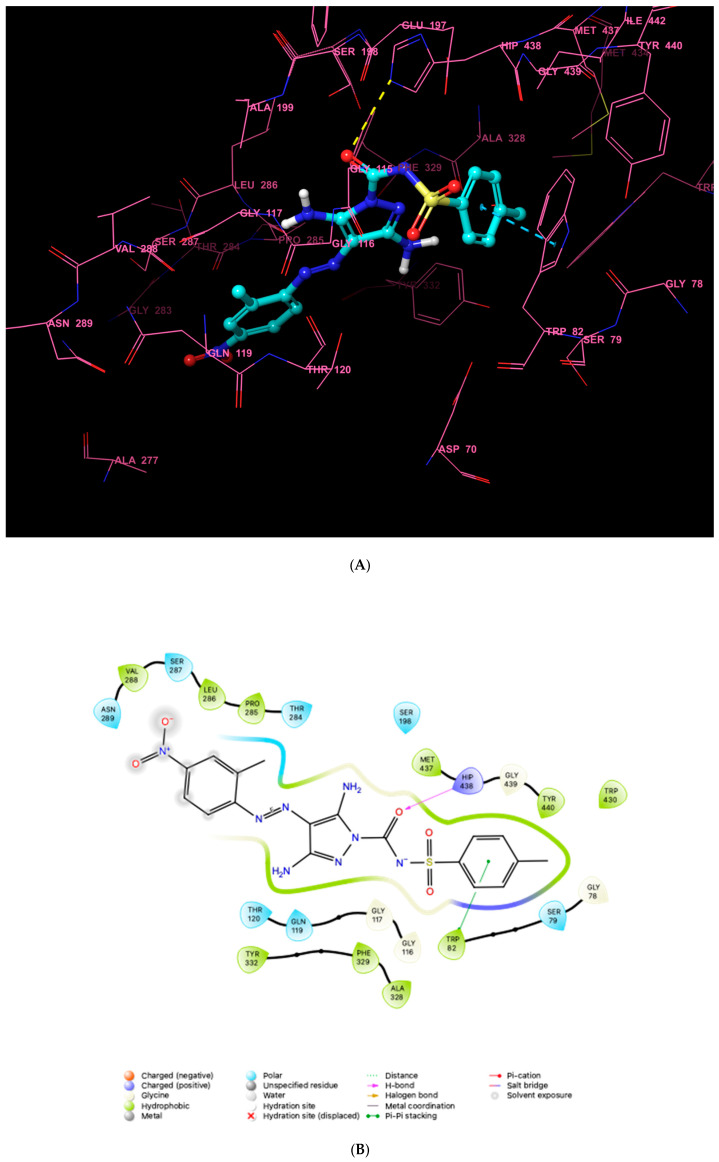 Figure 7
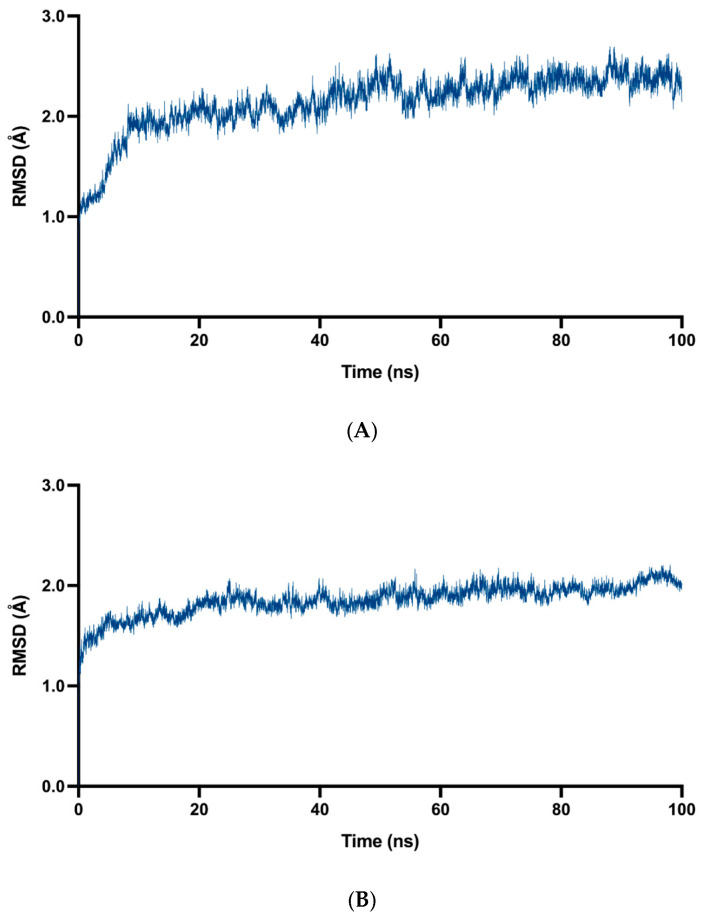 Figure 8
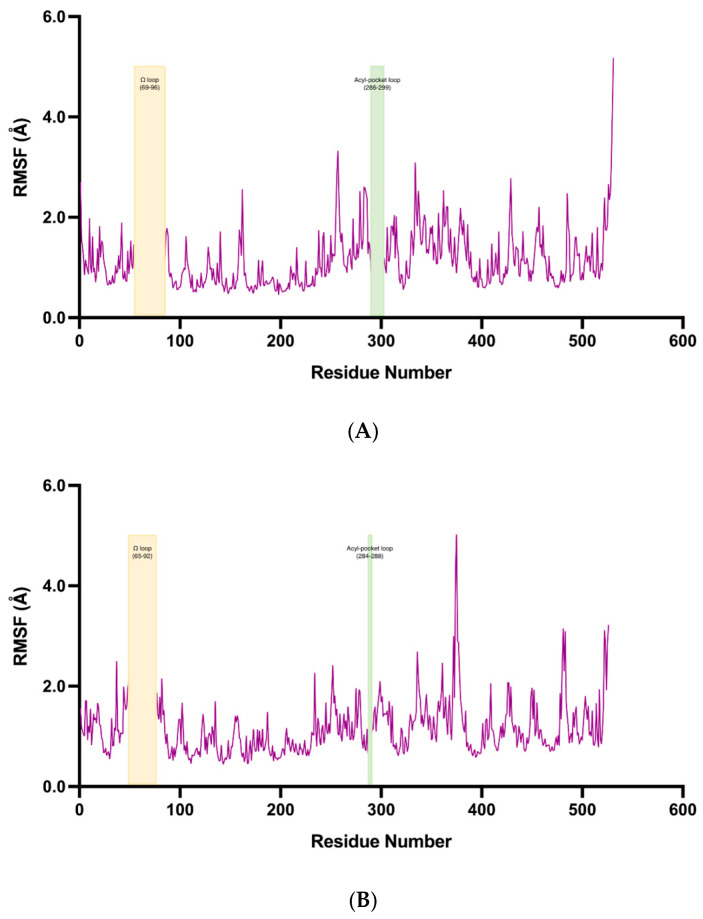 Figure 9
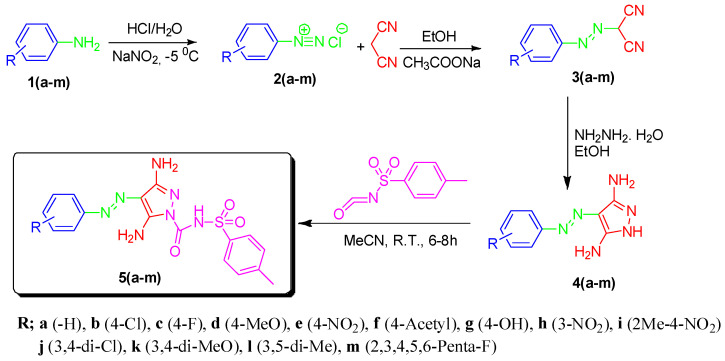 Figure 10
Peer Reviews
No public reviews on file for this paper yet. If you reviewed it on a platform where reviews are public (OpenReview, ICLR, NeurIPS, ICML), you can paste yours below so the community can read it here.
Videos
No videos yet. Explain this paper in a talk, walkthrough, or lecture? Add one.
Taxonomy
TopicsCholinesterase and Neurodegenerative Diseases · Computational Drug Discovery Methods · Enzyme function and inhibition