Ocular Involvement as a Key Marker of Systemic Disease in Dogs Naturally Infected with Leishmania infantum: Clinical, Laboratory, and Histopathological Insights
Caroline Magalhães-Cunha, Ana Lúcia Abreu-Silva, Marcelo Pelajo-Machado, Celeste da Silva Freitas de Souza, Karen Lebreiro dos Santos, Lucas Almeida Zangirolami, Flávia de Oliveira Cardoso, Kátia da Silva Calabrese

TL;DR
This study shows that eye problems in dogs infected with Leishmania infantum are common and linked to broader systemic disease, highlighting the need for eye exams in managing the condition.
Contribution
The study provides new clinical, laboratory, and histopathological evidence linking ocular involvement to systemic disease in dogs with Leishmania infantum.
Findings
Ocular alterations were observed in 80% of infected dogs, often bilateral and associated with multiple lesions.
Dogs with eye involvement showed higher leukocyte counts and increased AST levels, indicating systemic inflammation.
Histopathology revealed plasmacytic inflammation and parasites in ocular tissues, suggesting immune and parasite-driven mechanisms.
Abstract
Canine visceral leishmaniasis (CVL), caused by Leishmania infantum, is a multisystemic disease in which ocular involvement is frequent but often underestimated. This study aimed to comprehensively evaluate the clinical, ophthalmological, parasitological, hematological, biochemical, and histopathological alterations in dogs naturally infected with L. infantum from an endemic area of northeastern Brazil, with special emphasis on the relationship between ocular manifestations and systemic disease. Twenty-five symptomatic dogs were evaluated through clinical and ophthalmological examinations, parasitological culture, PCR, laboratory analyses, and histopathology of ocular and periocular tissues. Ocular alterations were observed in 80% of the animals, predominantly bilateral and frequently associated with multiple concurrent lesions, including ocular discharge, conjunctivitis, blepharitis,…
Genes, proteins, chemicals, diseases, species, mutations and cell lines named across the full text — each resolved to its canonical identifier and authoritative record.
Click any figure to enlarge with its caption.
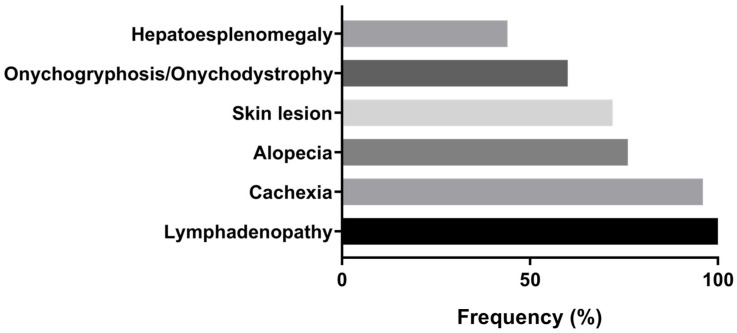 Figure 1
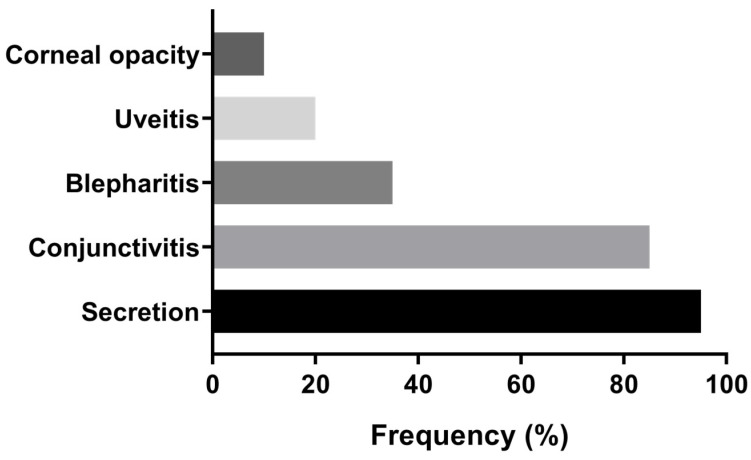 Figure 2
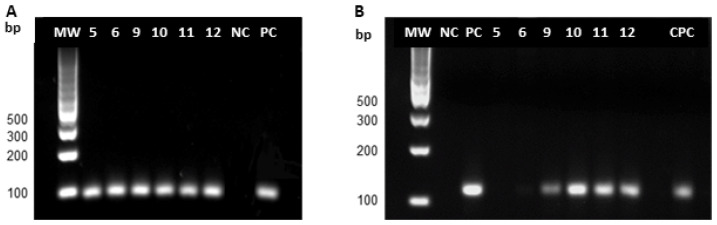 Figure 3
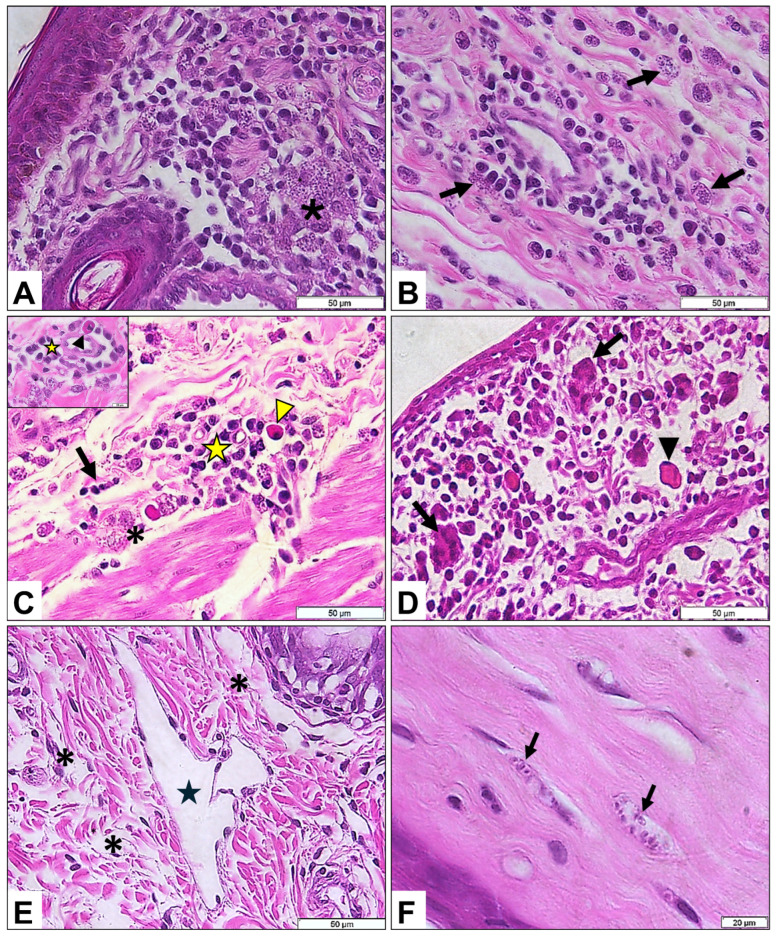 Figure 4
Peer Reviews
No public reviews on file for this paper yet. If you reviewed it on a platform where reviews are public (OpenReview, ICLR, NeurIPS, ICML), you can paste yours below so the community can read it here.
Videos
No videos yet. Explain this paper in a talk, walkthrough, or lecture? Add one.
Taxonomy
TopicsResearch on Leishmaniasis Studies · Trypanosoma species research and implications · Virology and Viral Diseases