Elevated Antibacterial Activity of a Polygalacturonic + Caprylic Acids Wound Ointment Compared with Hypochlorous Acid in a Three-Dimensional Wound Biofilm Model
Bahgat Gerges, Joel Rosenblatt, Y-Lan Truong, Ying Jiang, Issam Raad

TL;DR
A new plant-based wound ointment is more effective than hypochlorous acid at killing antibiotic-resistant bacteria in wound biofilms.
Contribution
A novel combination of polygalacturonic and caprylic acids shows superior antibacterial activity against wound biofilms compared to hypochlorous acid.
Findings
PG + CAP significantly reduced viable organisms compared to HOCl against MRSA, MDR P. aeruginosa, and other resistant bacteria.
The combination was highly effective against biofilms of all tested resistant bacterial isolates.
PG + CAP is a promising alternative for treating chronic wounds contaminated with bacterial biofilms.
Abstract
Bacterial biofilms play a major role in delayed wound-healing and in the development of chronic, non-healing wounds. Natural, plant-based agents, which can eradicate bacterial biofilms, are alternatives to antibiotics and antiseptics in the treatment of bacterially contaminated wounds. Bacterial wound biofilms are three-dimensional and complex microbial communities. Therefore, in this study, we used a three-dimensional fibrin-gel wound biofilm (FGWB) model to compare a commonly used natural agent in wound care, hypochlorous acid (HOCl), to a combination of two natural plant-based agents, polygalacturonic acid (PG) and caprylic acid (CAP) (PG + CAP), for their abilities to eradicate resistant bacterial biofilms of common wound pathogens methicillin resistant Staphylococcus aureus (MRSA), multi-drug resistant (MDR) Pseudomonas aeruginosa, metallo β-Lactamase Escherichia coli, and…
Genes, proteins, chemicals, diseases, species, mutations and cell lines named across the full text — each resolved to its canonical identifier and authoritative record.
Click any figure to enlarge with its caption.
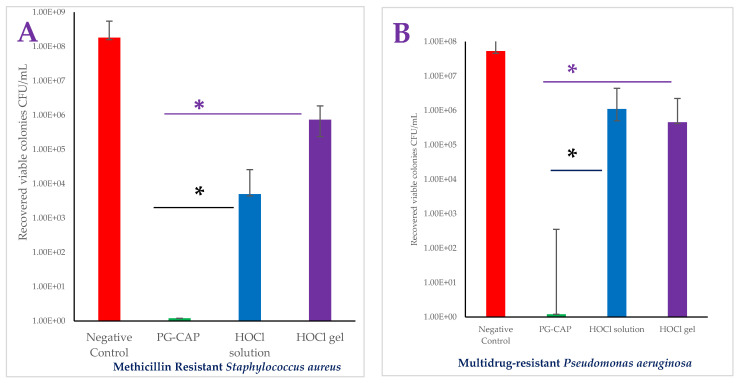 Figure 1
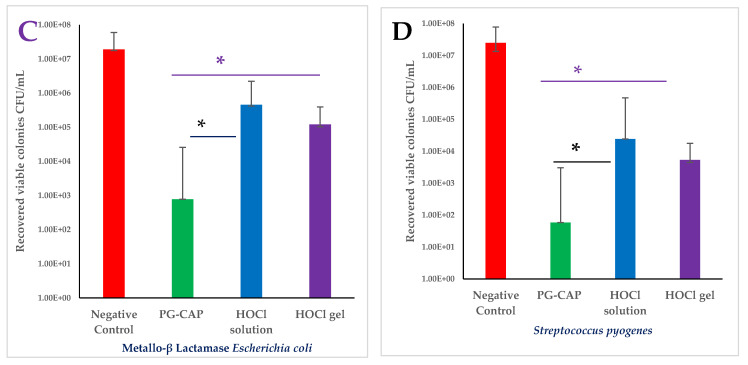 Figure 2
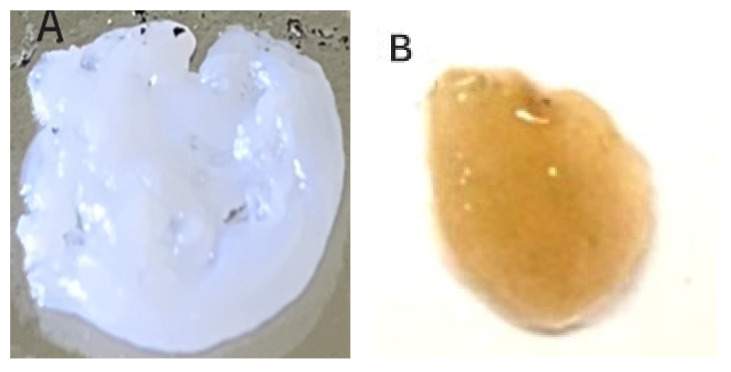 Figure 3
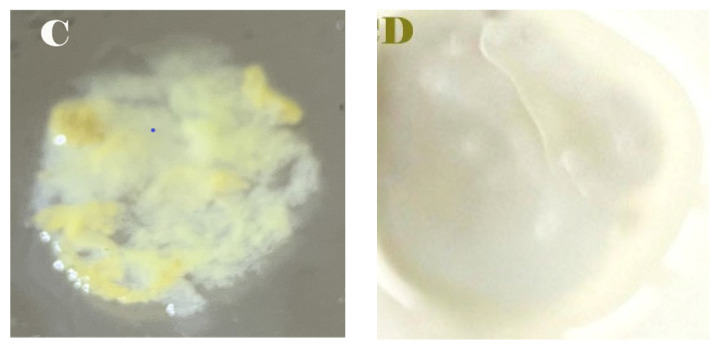 Figure 4
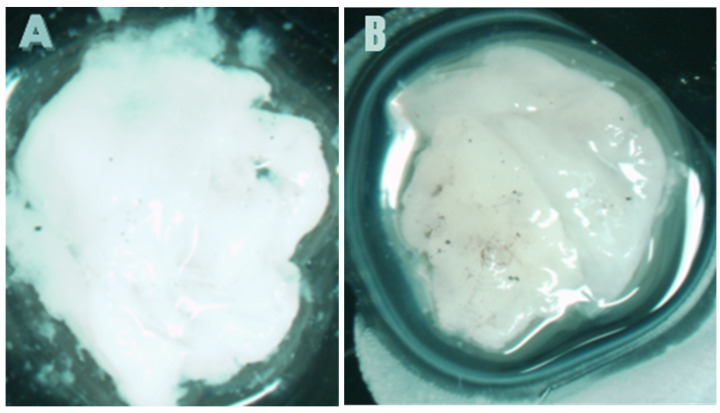 Figure 5
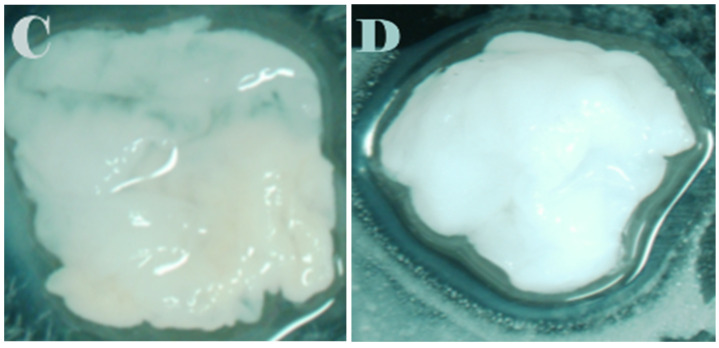 Figure 6
Peer Reviews
No public reviews on file for this paper yet. If you reviewed it on a platform where reviews are public (OpenReview, ICLR, NeurIPS, ICML), you can paste yours below so the community can read it here.
Videos
No videos yet. Explain this paper in a talk, walkthrough, or lecture? Add one.
Taxonomy
TopicsWound Healing and Treatments · Bacterial biofilms and quorum sensing · Antimicrobial agents and applications