Hepatoprotective Effect of Cynarin on Alpha-Naphthyl Isothiocyanate-Induced Cholestatic Liver Injury: Associated Modulation of TXNIP/NLRP3 and HMGB1/NF-κB Signaling Cascades
Hani M. Alrawili, Mahmoud Elshal, Marwa S. Serrya, Dina S. El-Agamy

TL;DR
Cynarin, a plant compound, protects the liver from injury caused by a toxic chemical by reducing inflammation and oxidative stress.
Contribution
This study reveals the novel protective mechanism of cynarin against cholestatic liver injury via modulating specific inflammatory pathways.
Findings
Cynarin reduced liver damage and restored redox balance in mice with cholestatic injury.
Cynarin suppressed key inflammatory markers like TXNIP, NLRP3, and HMGB1/NF-κB pathways.
Cynarin decreased pro-inflammatory cytokines such as IL-1β and IL-18 in hepatic tissue.
Abstract
Background: Cholestatic liver injury (CLI) is characterized by complex pathogenesis; however, oxidative stress-mediated inflammatory response due to bile acid accumulation in the liver is considered a primary cause. Cynarin (CN), an artichoke phytochemical, has demonstrated different biological activities, including antioxidant and anti-inflammatory ones. The current study aimed to explore the potential hepatoprotective effect of CN on CLI induced by alpha-naphthyl isothiocyanate (ANIT) in mice and investigate the possible involved mechanisms. Methods: Mice received CN (25 and 50 mg/kg) for four consecutive days and were challenged with ANIT (75 mg/kg) once on the second day. Liver injury was examined through biochemical determination of liver injury biomarkers and confirmed by histopathological evaluation. Oxidative stress biomarkers and pro-inflammatory cytokines were detected in the…
Genes, proteins, chemicals, diseases, species, mutations and cell lines named across the full text — each resolved to its canonical identifier and authoritative record.
Click any figure to enlarge with its caption.
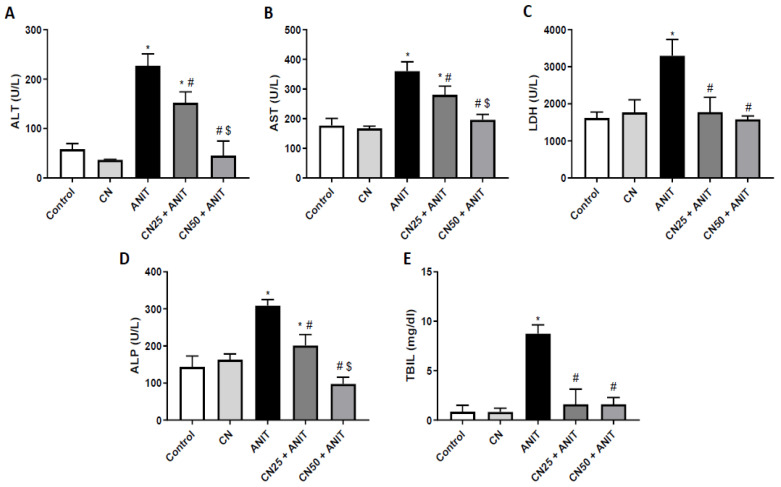 Figure 1
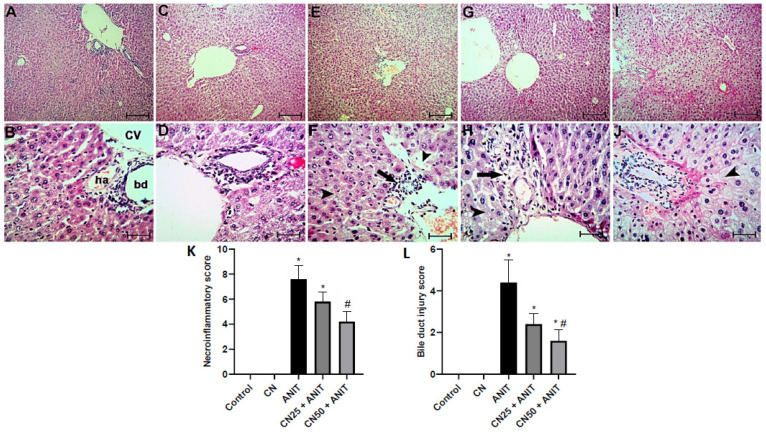 Figure 2
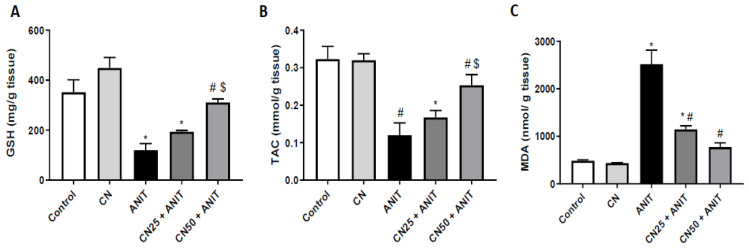 Figure 3
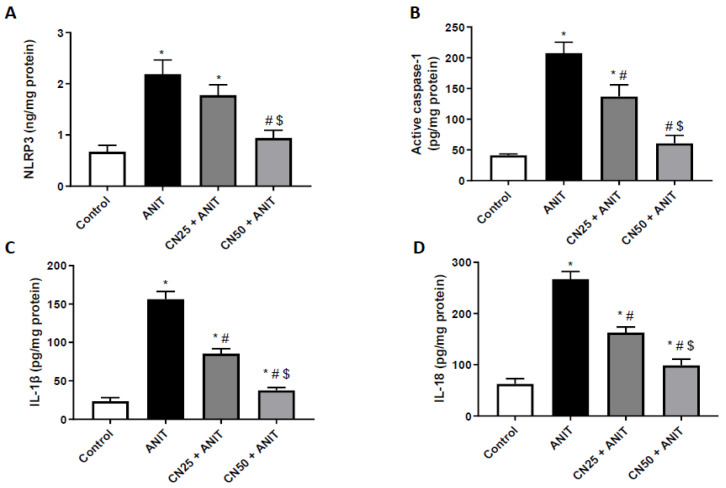 Figure 4
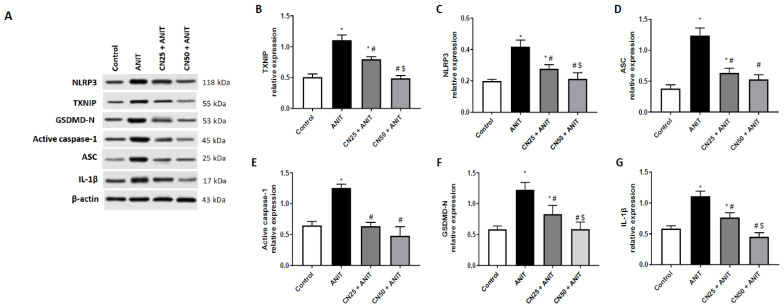 Figure 5
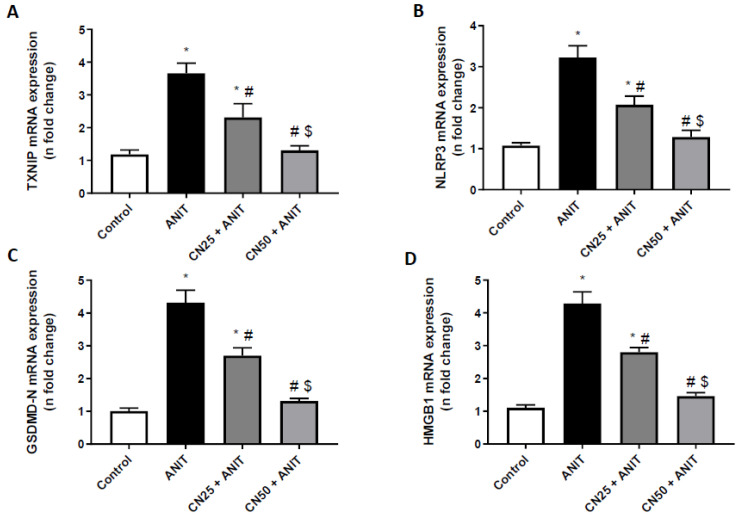 Figure 6
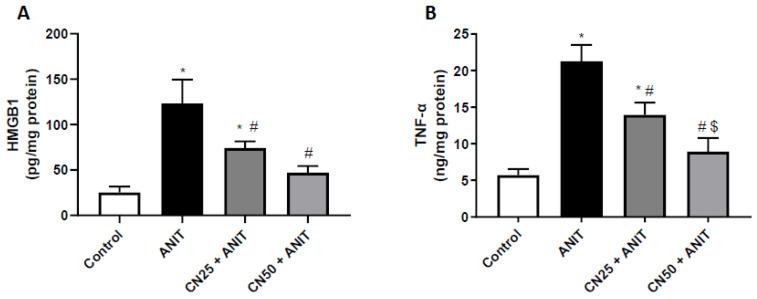 Figure 7
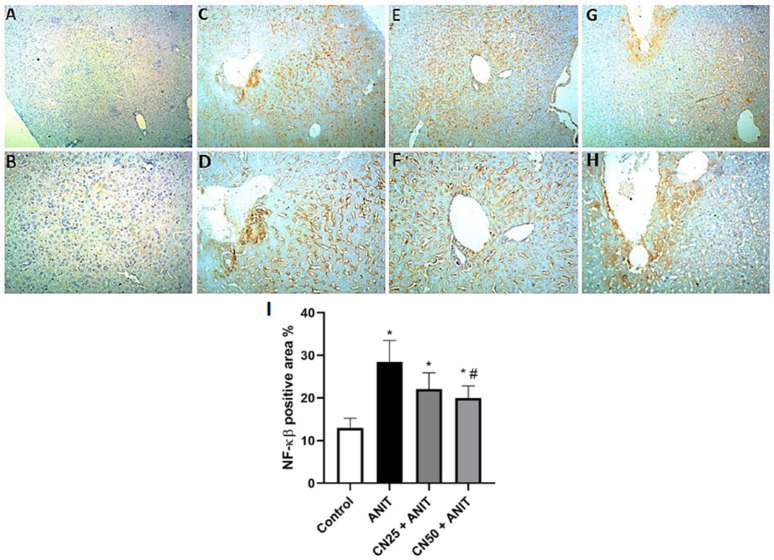 Figure 8
Peer Reviews
No public reviews on file for this paper yet. If you reviewed it on a platform where reviews are public (OpenReview, ICLR, NeurIPS, ICML), you can paste yours below so the community can read it here.
Videos
No videos yet. Explain this paper in a talk, walkthrough, or lecture? Add one.
Taxonomy
TopicsCynara cardunculus studies · Pomegranate: compositions and health benefits · Chemotherapy-induced organ toxicity mitigation