Amantadine Attenuates Secondary Oxidative and Inflammatory Injury by Modulating the HIF-1α/BNIP3L/HMGB1 Axis in Rat Model of Traumatic Brain Injury
Ahmet Bindal, Pinar Karabacak, Halil Asci, Ilter Ilhan, Muhammet Yusuf Tepebasi, Orhan Imeci, Ahmet Yunus Hatip, Ozlem Ozmen

TL;DR
Amantadine reduces brain injury damage in rats by targeting a specific molecular pathway linked to oxidative stress and inflammation.
Contribution
The study reveals a novel mechanistic link between amantadine treatment and suppression of HIF-1α/BNIP3L/HMGB1 signaling in traumatic brain injury.
Findings
Amantadine improved oxidative balance and reduced histopathological damage in TBI rats.
ATD treatment lowered inflammatory markers like TNF-α, CRP, and Caspase-3.
Gene expression of HIF-1α, BNIP3L, and HMGB1 was reduced in ATD-treated groups.
Abstract
Background and Objectives: Traumatic brain injury (TBI) triggers oxidative stress, mitochondrial dysfunction, and sterile inflammation. Amantadine (ATD), a weak NMDA receptor antagonist, has shown neuroprotective potential, but its mechanistic basis remains unclear. This study examined whether ATD treatment is associated with changes in molecular and histological markers related to the HIF-1α/BNIP3L/HMGB1-mediated hypoxia–mitophagy–inflammation response in a rat TBI model. Materials and Methods: Thirty-two Wistar rats were assigned to four groups: sham, trauma, trauma + ATD (1 day), and trauma + ATD (7 days). TBI was induced using the impact-acceleration model, and ATD (45 mg/kg, i.p.) was administered post-injury. Oxidative stress indices (TOS, TAS, OSI), histopathology, inflammatory/apoptotic markers (CRP, TNF-α, Caspase-3), and gene expression (HIF-1α, BNIP3L, HMGB1) were evaluated.…
Genes, proteins, chemicals, diseases, species, mutations and cell lines named across the full text — each resolved to its canonical identifier and authoritative record.
Click any figure to enlarge with its caption.
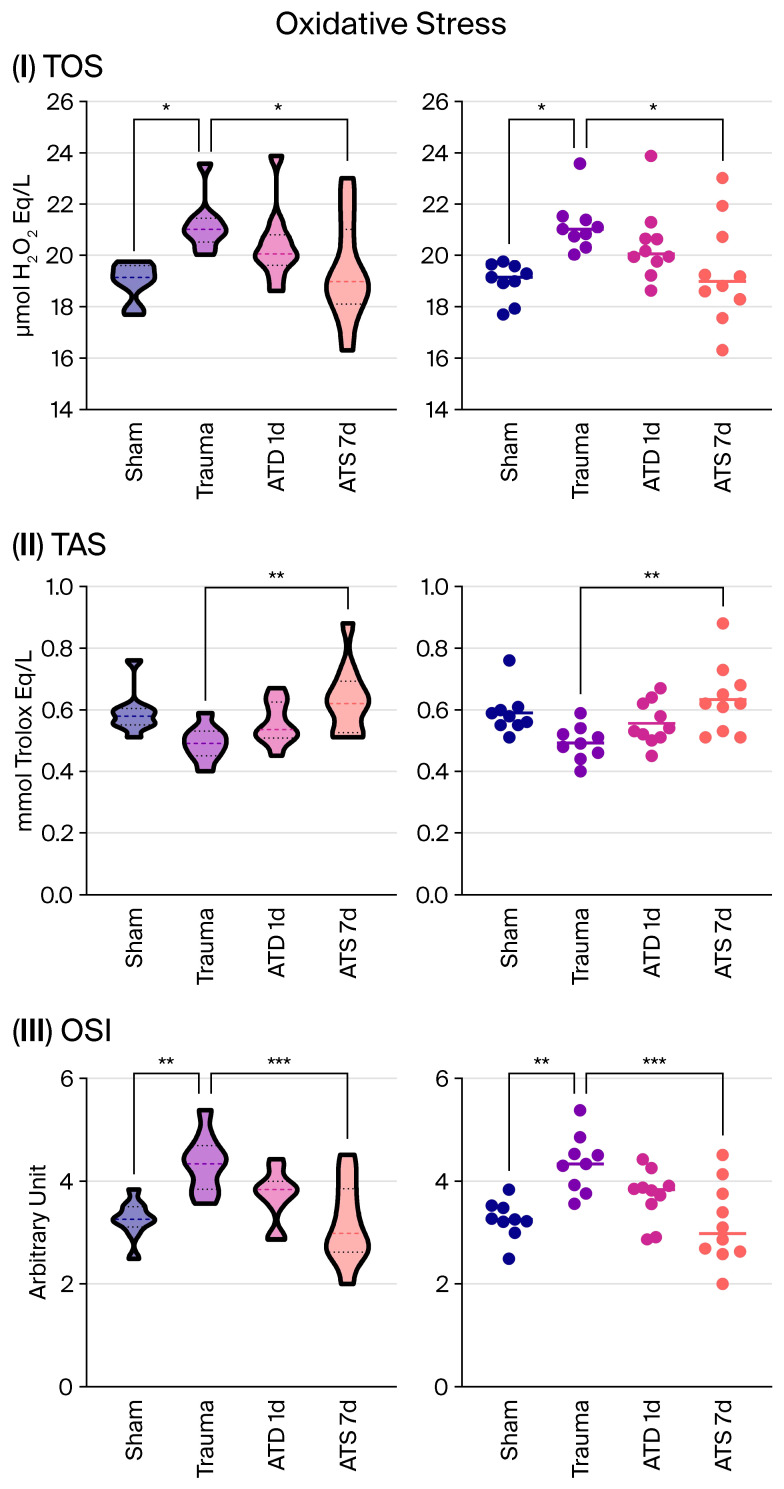 Figure 1
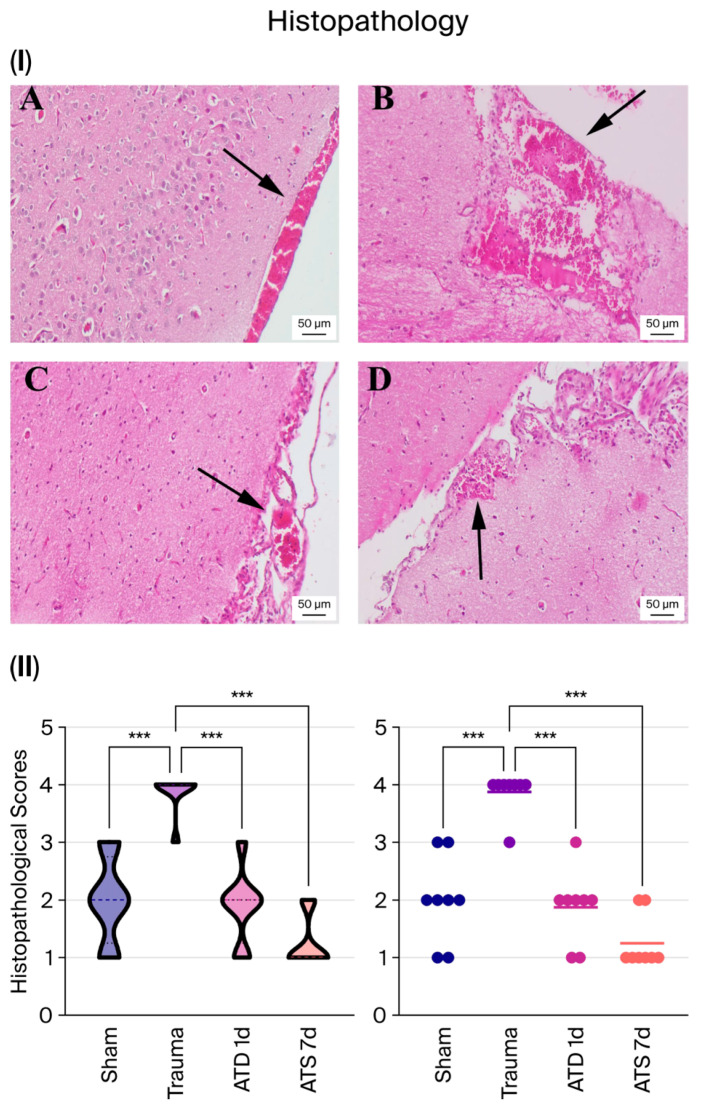 Figure 2
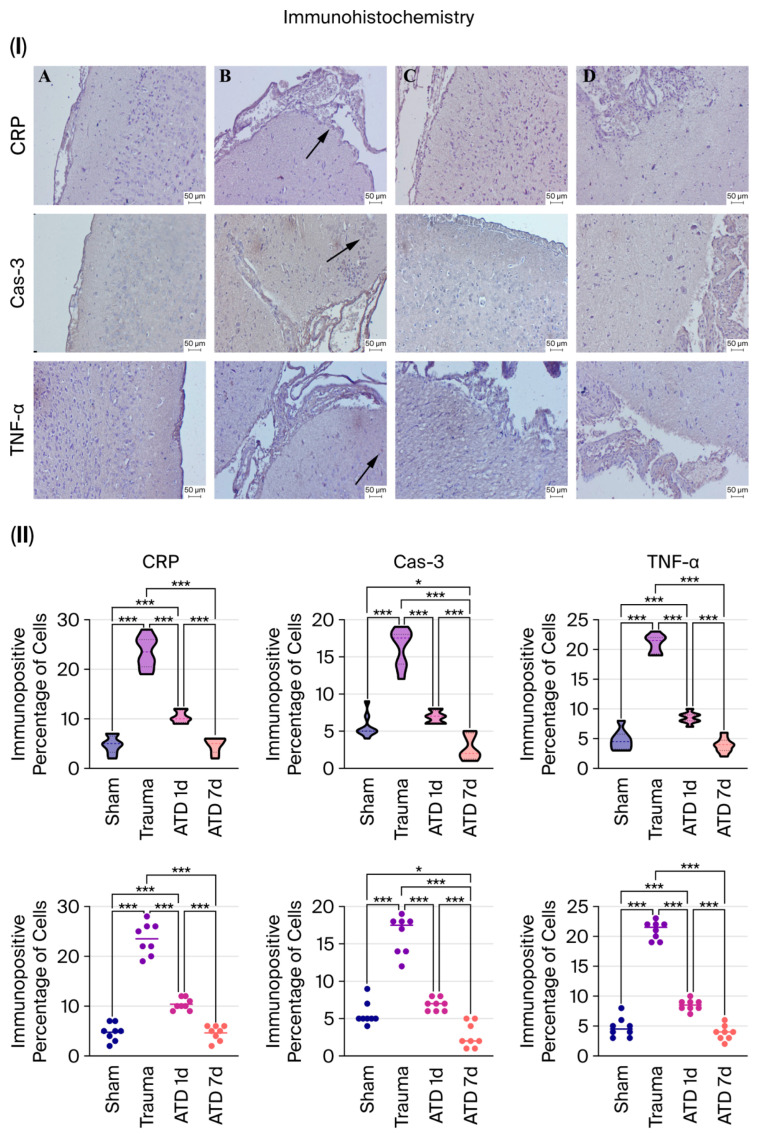 Figure 3
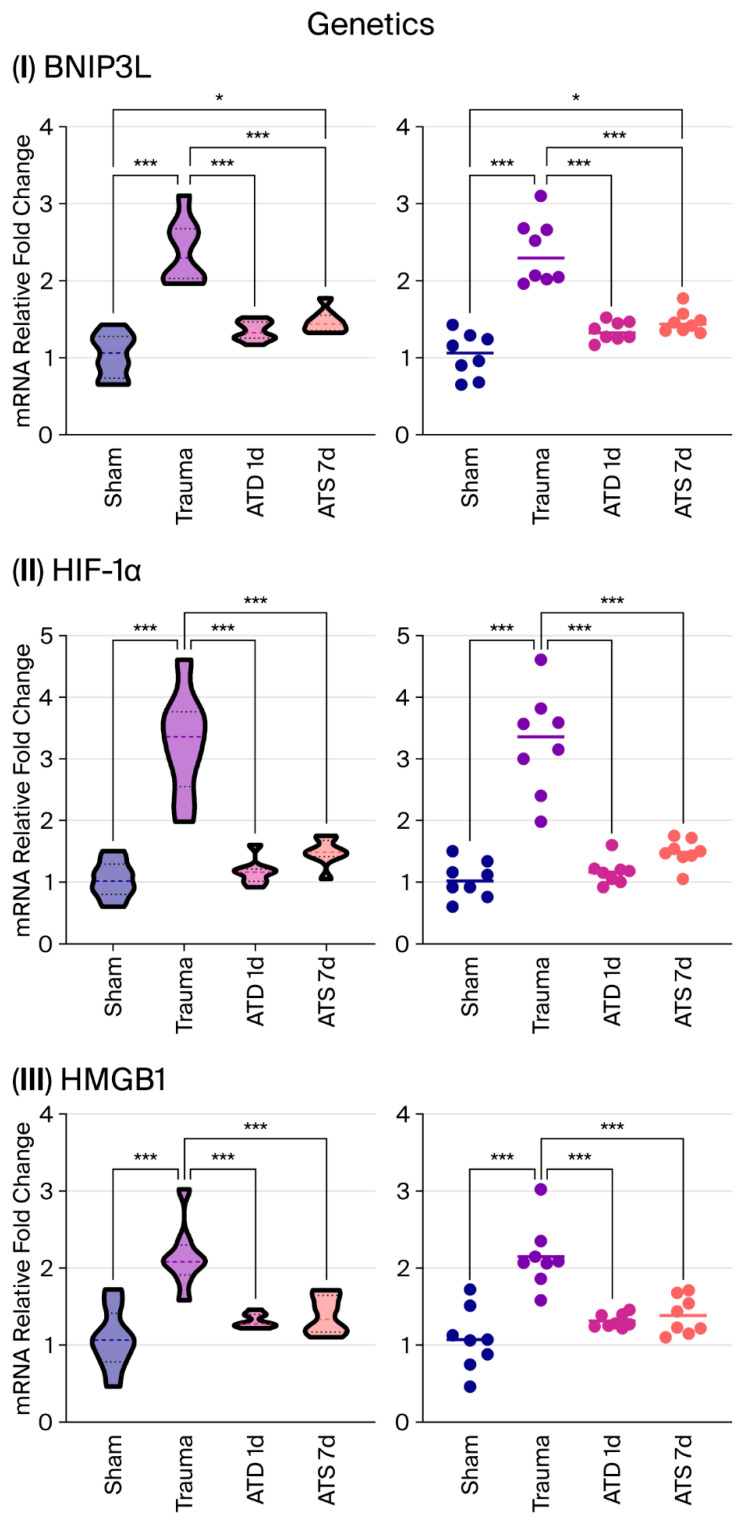 Figure 4
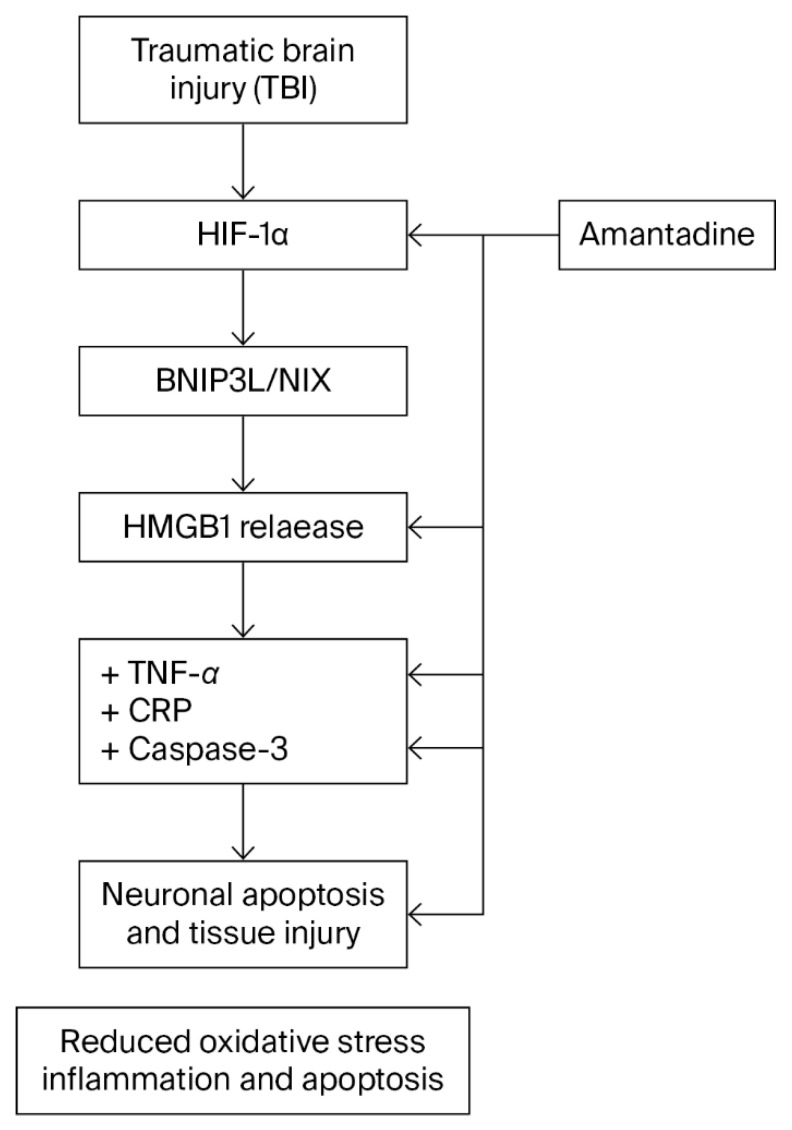 Figure 5
Peer Reviews
No public reviews on file for this paper yet. If you reviewed it on a platform where reviews are public (OpenReview, ICLR, NeurIPS, ICML), you can paste yours below so the community can read it here.
Videos
No videos yet. Explain this paper in a talk, walkthrough, or lecture? Add one.
Taxonomy
TopicsCancer, Hypoxia, and Metabolism · Traumatic Brain Injury and Neurovascular Disturbances · S100 Proteins and Annexins