High-Dose Rifampicin Plus Albendazole Rapidly Clears Lymphatic Filariasis Circulating Filarial Antigen in a Randomised Clinical Trial: A Promising Step Toward Short-Course Macrofilaricidal Therapy
Emmanuel Donawobuge Kutu, Derrick Adu Mensah, Vera Serwaa Opoku, John Boateng, John Opoku, Jubin Osei-Mensah, Charles Gyasi, Prince Obeng, Abu Abudu Rahamani, Monica Ahiadorme, Prince Dennis Atisu, Michael Agyemang Obeng, Eunice Kyaakyile Kuutiero, Nana Kwame Ayisi-Boateng

TL;DR
A 7-day treatment with high-dose rifampicin and albendazole rapidly reduced filarial antigens in people with lymphatic filariasis, showing promise for a short-course cure.
Contribution
This is the first clinical trial to show rapid macrofilaricidal effects of high-dose rifampicin plus albendazole in humans with lymphatic filariasis.
Findings
The 7-day regimen of high-dose rifampicin plus albendazole showed the highest decline in circulating filarial antigen by 4 months.
All regimens were well tolerated with no serious adverse events reported.
The 7-day treatment outperformed both the 14-day treatment and albendazole alone in reducing antigen levels.
Abstract
Background: The lack of a short-course of safe and effective macrofilaricidal therapy for lymphatic filariasis (LF) hinders elimination efforts, especially in the endgame scenario. Preclinical studies in mice demonstrated that high-dose rifampicin (RIF) plus albendazole (ALB) produced macrofilaricidal effects within seven days, prompting this randomised, open-label, parallel-group, interventional phase II pilot trial to determine the efficacy of high-dose RIF plus ALB against LF in humans. Methods: In three LF-endemic districts of Ghana’s Upper East Region, circulating filarial antigen (CFA)-positive individuals aged 18 to 55 years identified using the Alere Filariasis Test Strip were enrolled into the study. The participants were randomised through a centralized computer-generated randomisation into four treatment arms. They were treated according to the arm they were assigned to and…
Genes, proteins, chemicals, diseases, species, mutations and cell lines named across the full text — each resolved to its canonical identifier and authoritative record.
Click any figure to enlarge with its caption.
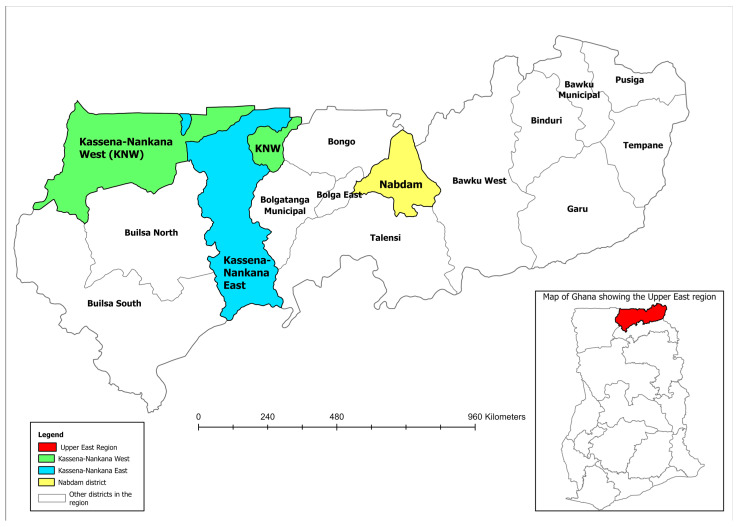 Figure 1
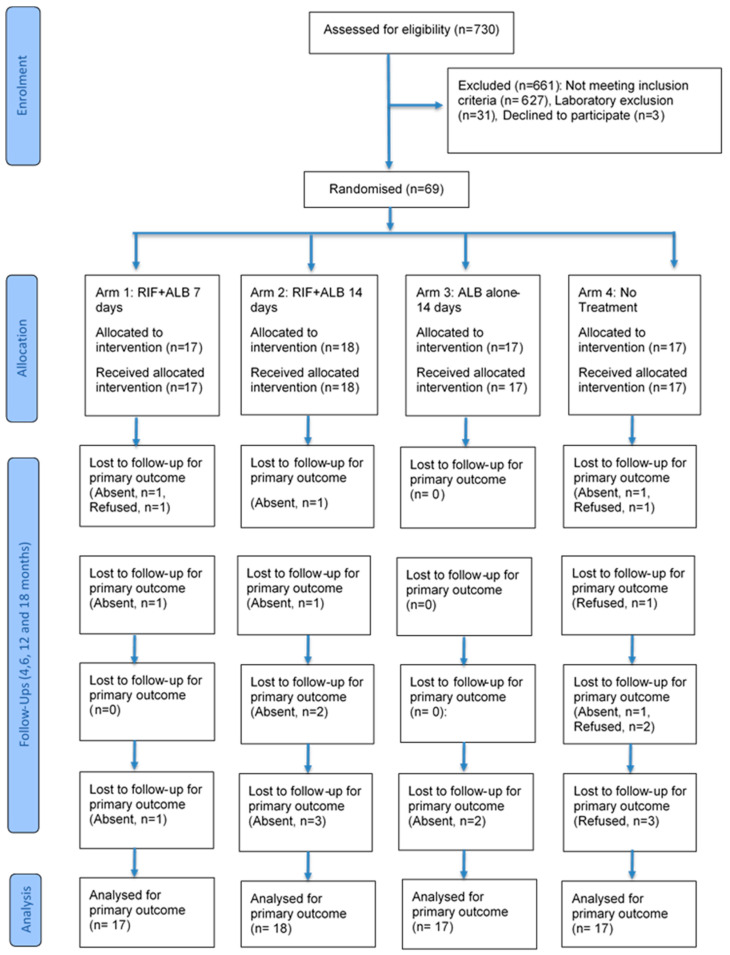 Figure 2
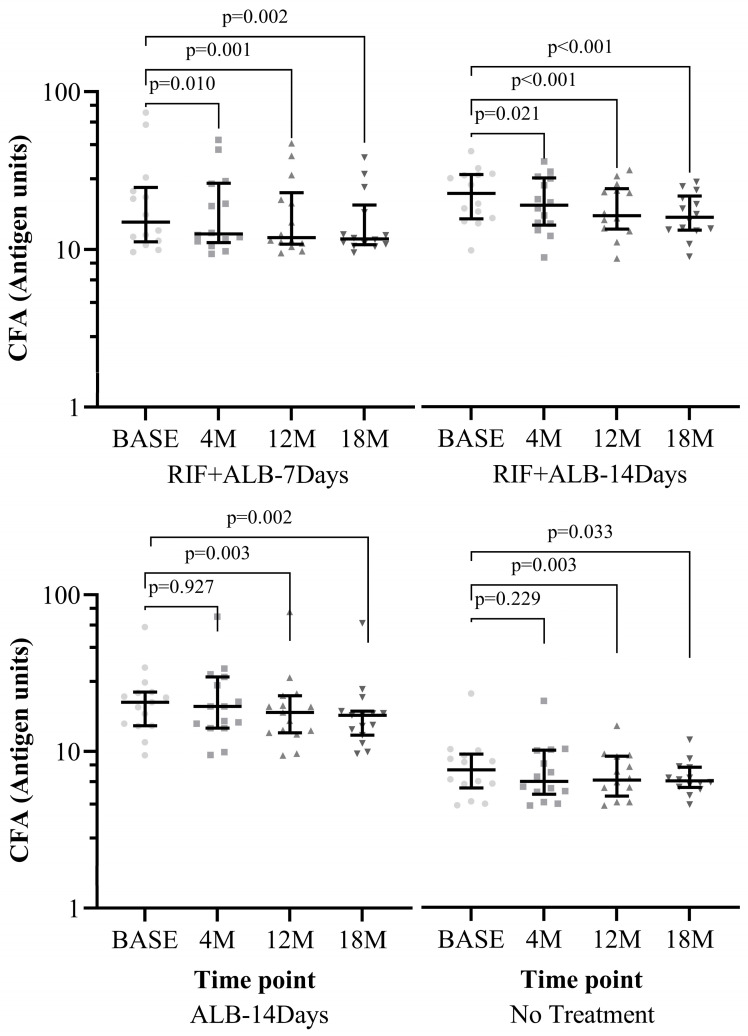 Figure 3
 Figure 4
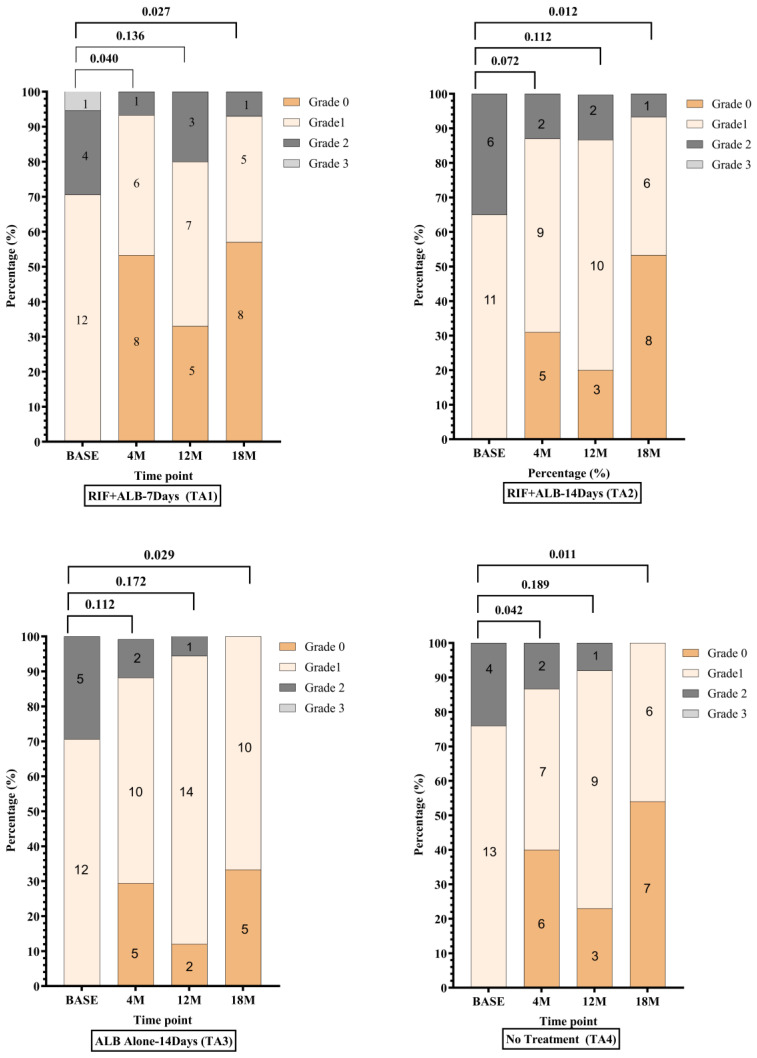 Figure 5
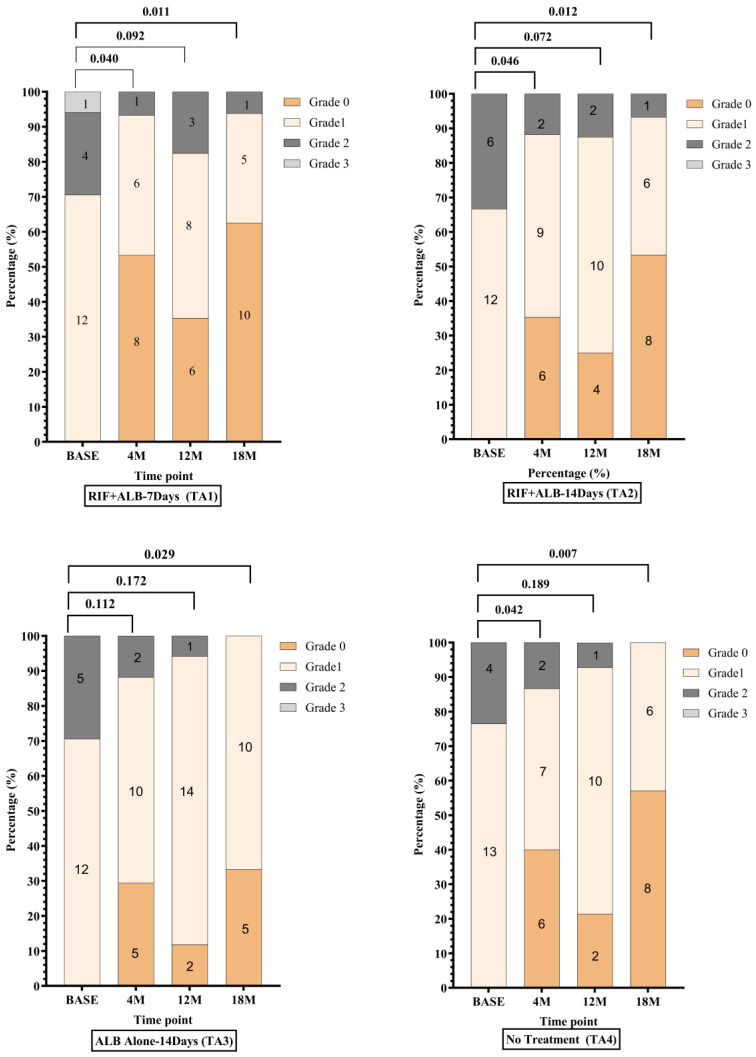 Figure 6
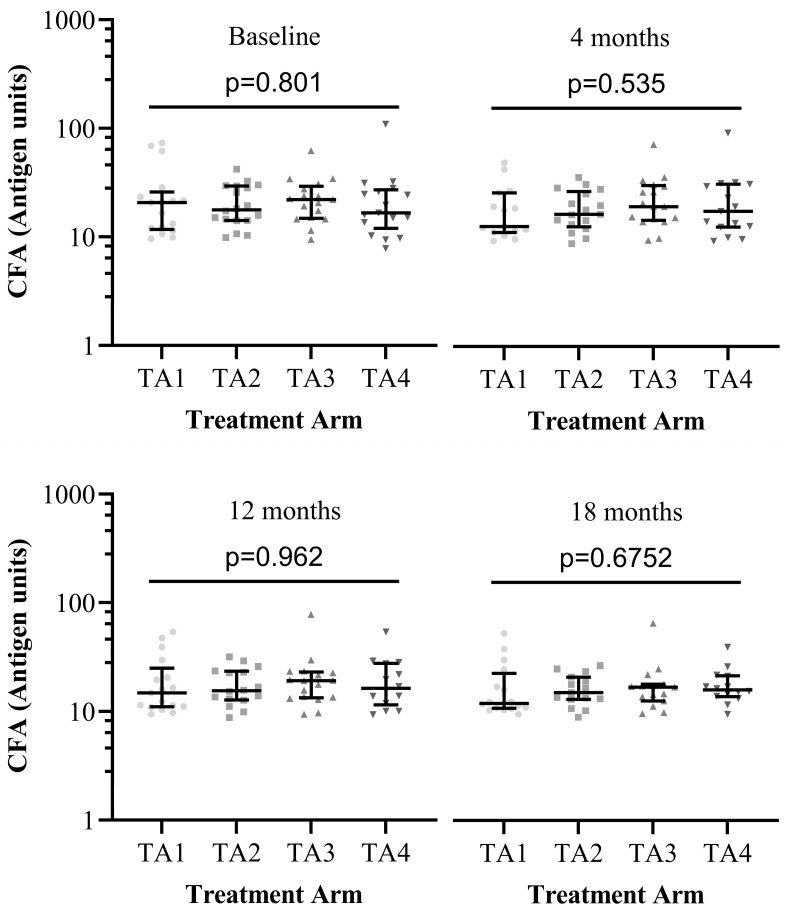 Figure 7
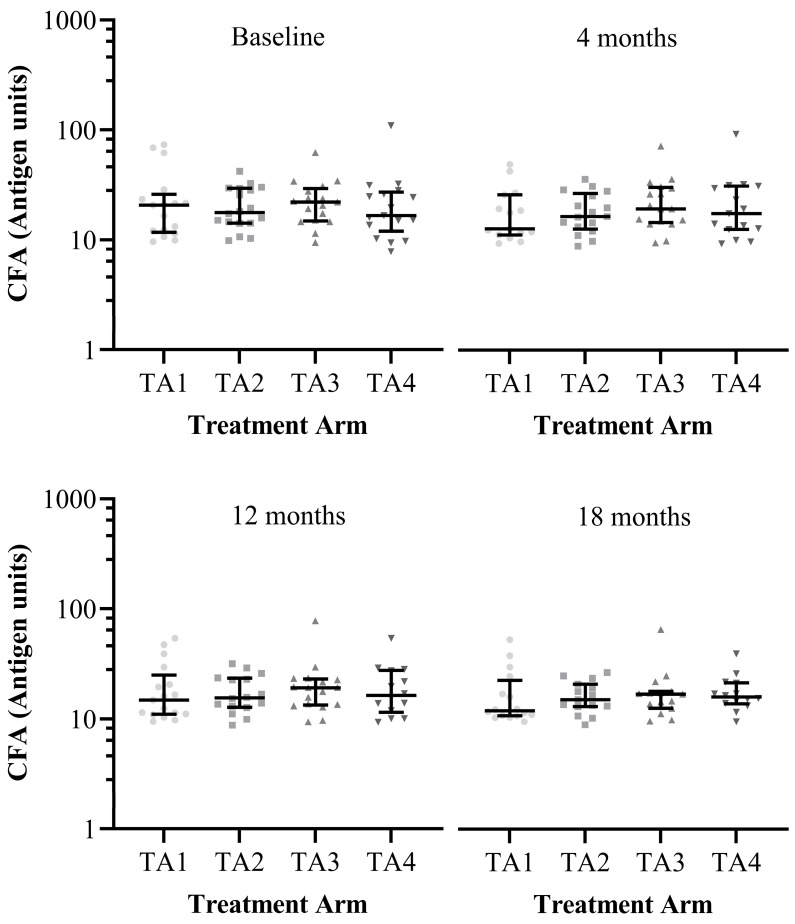 Figure 8
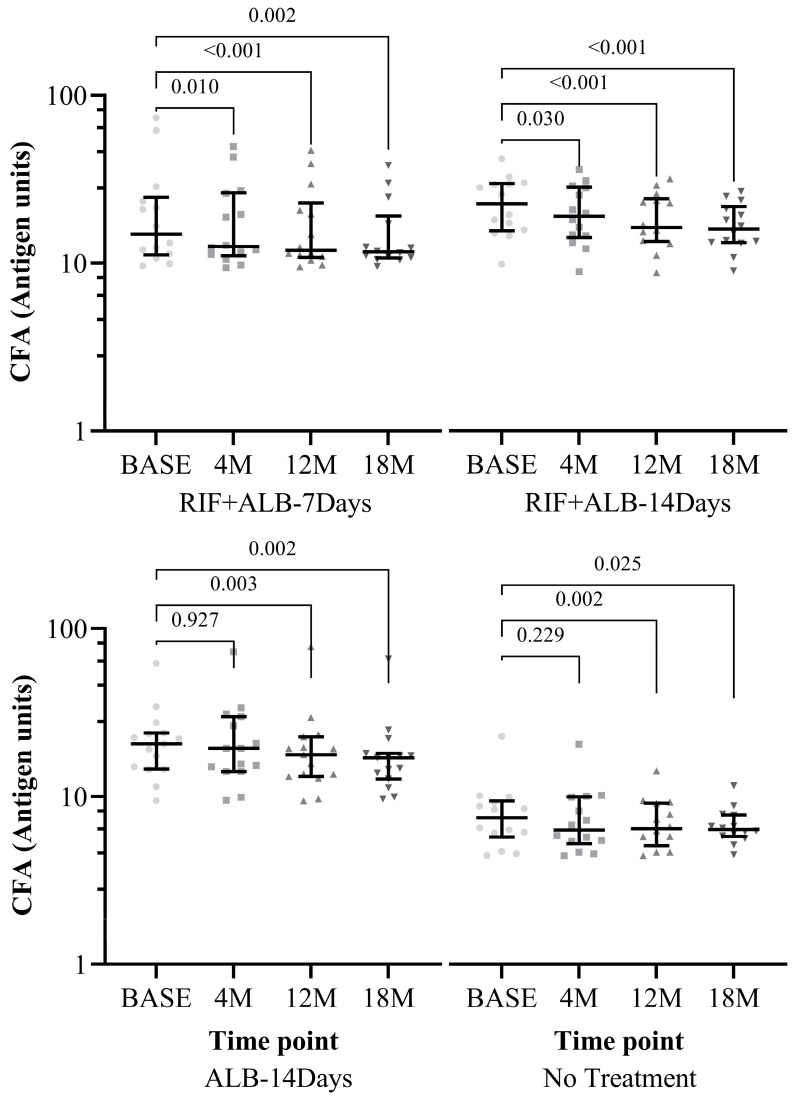 Figure 9
 Figure 10
Peer Reviews
No public reviews on file for this paper yet. If you reviewed it on a platform where reviews are public (OpenReview, ICLR, NeurIPS, ICML), you can paste yours below so the community can read it here.
Videos
No videos yet. Explain this paper in a talk, walkthrough, or lecture? Add one.
Taxonomy
TopicsParasitic Diseases Research and Treatment · Parasites and Host Interactions · Insects and Parasite Interactions