The Health Benefits of Tamarindus indica: A Focus on the Relationship Between Phytochemical Composition and Physiological Effects
Carlos Rabeiro Martinez, Yasmany Armas Diaz, Danila Cianciosi, Qingwei Cao, Haixia Hu, Ge Chen, Zexiu Qi, Bei Yang, José L. Quiles, Maurizio Battino, Francesca Giampieri

TL;DR
This paper reviews the health benefits of tamarind fruit, focusing on its phytochemicals and their effects on human health.
Contribution
The paper provides a comprehensive review of Tamarindus indica's phytochemical composition and its therapeutic potential.
Findings
Tamarind contains flavonoids, tannins, alkaloids, and saponins with antioxidant and anti-inflammatory effects.
The compounds in tamarind improve detoxification enzymes and regulate lipid metabolism genes.
Tamarind exhibits antimicrobial activity and free radical scavenging properties.
Abstract
Background/Objectives: Conventional pharmacotherapy for the most prevalent human diseases still has limited efficacy. Natural medicines are recognized for their therapeutic efficacy and low side effects. Tamarindus indica is a tropical tree of the Fabaceae family, valued for its multiple uses and the nutritional properties of its fruits. The purpose of this review is to provide an overview of the nutraceutical value of T. indica, focusing on its phytochemical composition and main health benefits. Methods: For this purpose, a bibliography search was performed in PubMed, Scopus, and ScienceDirect databases, including all articles published between 2000 and December 2025. Results: The T. indica fruit contains different phytochemical compounds, such as flavonoids, tannins, alkaloids, and saponins, with therapeutic potential. These compounds exert free radical scavenging activity, improve…
Genes, proteins, chemicals, diseases, species, mutations and cell lines named across the full text — each resolved to its canonical identifier and authoritative record.
Click any figure to enlarge with its caption.
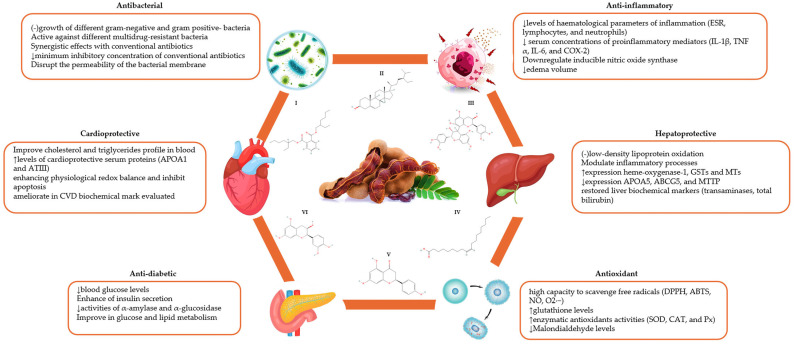 Figure 1
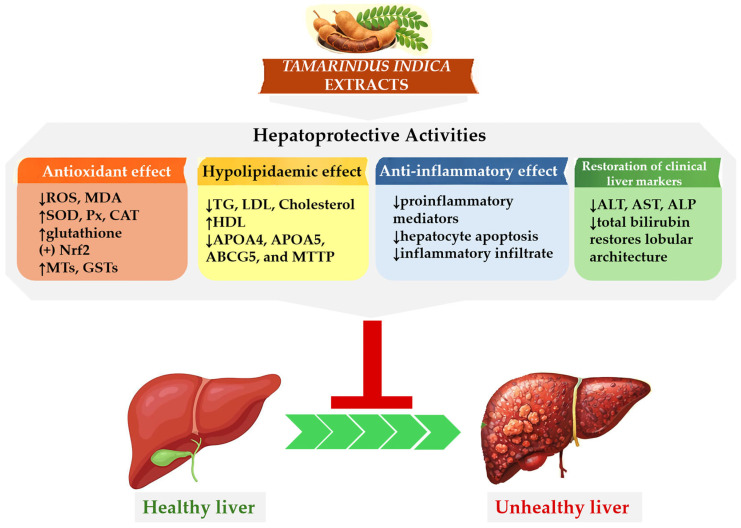 Figure 2
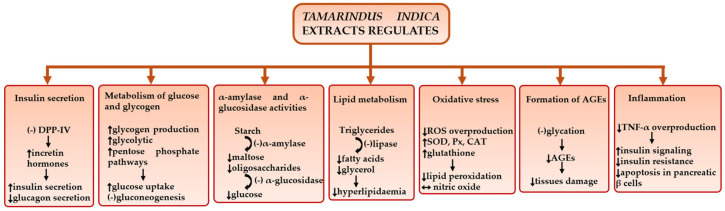 Figure 3
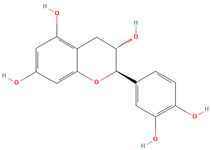 Figure 4
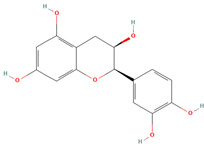 Figure 5
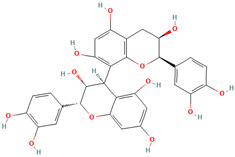 Figure 6
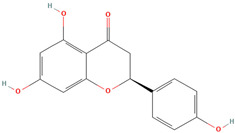 Figure 7
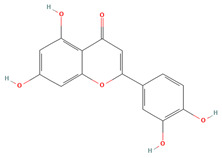 Figure 8
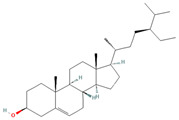 Figure 9
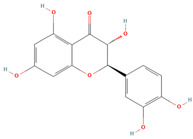 Figure 10
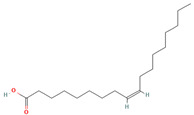 Figure 11
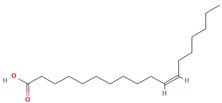 Figure 12
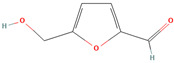 Figure 13
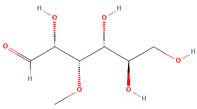 Figure 14
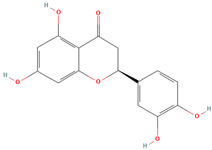 Figure 15
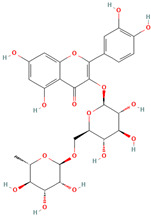 Figure 16
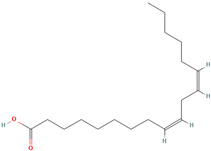 Figure 17
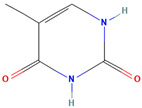 Figure 18
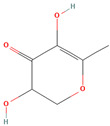 Figure 19
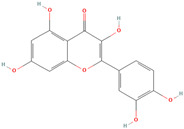 Figure 20
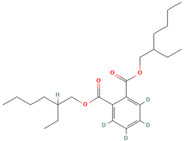 Figure 21
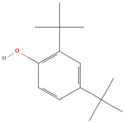 Figure 22
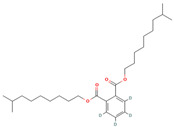 Figure 23
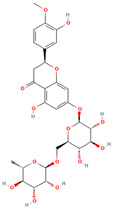 Figure 24
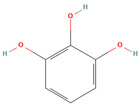 Figure 25
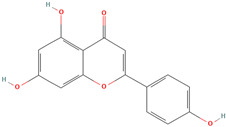 Figure 26
Peer Reviews
No public reviews on file for this paper yet. If you reviewed it on a platform where reviews are public (OpenReview, ICLR, NeurIPS, ICML), you can paste yours below so the community can read it here.
Videos
No videos yet. Explain this paper in a talk, walkthrough, or lecture? Add one.
Taxonomy
TopicsAfrican Botany and Ecology Studies · Bioactive natural compounds · Phytochemistry Medicinal Plant Applications
1. Introduction
Natural therapies have demonstrated positive effects in many different human pathologies, such as diabetes, cancer, cardiovascular diseases (CVDs), and infectious diseases [1]. When these therapies are applied at suitable dosages and for appropriate periods, according to the context and necessities of each case, they act as cytoprotectors, immunomodulators, or antimicrobials [2,3]. The World Health Organization (WHO) recognizes that herbal medicine represents an efficient strategy to counteract many health conditions [4], with lower toxicity, fewer medical interactions, and greater accessibility than many conventional drugs. Given that, in many cases, natural therapies form part of the diet, health organizations are calling for their implementation [5,6]. Some natural foods with demonstrated health properties include curcuma [7], strawberry [8], garlic [9], elderberry [10], mangoes [11], and sea buckthorn [12].
Tamarindus indica L. is a multipurpose tree most appreciated due to its culinary and traditional medical use [13]. Different studies have identified that T. indica has compounds with antimicrobial [14], antioxidant [15], anti-inflammatory [16,17], cardioprotective [18], antihyperlipidemic, and hepatoprotective [19] properties. The purpose of the present review is to summarize the current knowledge on the nutraceutical potential of T. indica in addition to its phytochemical composition and evidenced health benefits (Figure 1).
A systematic search was performed within the PubMed, ScienceDirect, and Scopus databases using the words T. indica or tamarind together with other specific keywords such as phytochemical, antioxidants, phenolic compounds, inflammation, cardio-protection, antidiabetic, antibacterial, hepatoprotection, and toxicological study. The literature search included all articles (review articles, original papers, meta-analyses, and book chapters) published in the English language from 2000 up to December 2025. Articles without full text available or articles that were not relevant were excluded. In addition, the chemical structures were taken from the PubChem database.
2. General Composition
Tamarindus indica L. is a fruit tree member of the family Fabaceae (Leguminosae). Tamarindus is a monotypic genus with a sole species (T. indica). It is a long-lived and evergreen tree, around 20–25 m tall. According to consensus, T. indica is native to the Eastern African region, but currently it is distributed in the tropical regions around the world [13]. Some countries in Southeast Asia and America produce T. indica as a commercial crop, with Asian countries such as India being the main producers [20]. In the international market, T. indica production is mainly destined for the food industry, while the pharmaceutical industry also uses it for the manufacture of excipients [21].
T. indica fruit is the most valuable part of the tree, due to its culinary, medicinal, and industrial applications [22]. The mature fruits are ash-brown pods, 5 to 16 cm long and around 2 cm broad [15]. These fruits are formed by shell and fiber (11–30%), pulp (30–50%), and seeds (25–40%). The pulp of the fruit is often consumed raw or processed for use in various culinary preparations, such as juices, jams, pickles, and spices [23]; its seeds are roasted and consumed as snacks. Furthermore, the by-products (shells, fibers and seeds) generated during the industrial process of obtaining the T. indica fruit pulp are also utilized in food and non-food production [24,25]. The immature fruit, flowers, and leaves are used in a few countries to make stews, curries, soups, and salads, or as part of traditional medicine [26].
Tamarindus indica: Fruit and Seeds
The nutritional composition of T. indica pulp is characterized by its high concentration of carbohydrates, dietary fiber (beneficial in digestive health), and proteins (Table 1) [27,28].
Additionally, it is rich in essential minerals such as calcium, magnesium, phosphorus, and potassium (Table 2) [27,28]. These values can vary depending on the climate and soil characteristics, as well as the phenological steps of the tree, fructification phase, place of cultivation and the type of T. indica [29].
The vitamins with the highest concentrations in the T. indica pulp are thiamine (0.34 mg), niacin (1.31 mg), riboflavin (0.13 mg), and ascorbic acid (3.96 mg). The pulp has a high organic acid content, including malic acid, acetic acid, citric acid, oxalic acid, and especially tartaric acid (8–12%), which is responsible for giving the fruit its characteristic taste [30]. T. indica contains several amino acids, including essential amino acids, such as leucine, lysine, and valine, which are vital for tissue growth and repair. It also contains non-essential amino acids, mainly aspartic acid and glutamic acid. In addition, T. indica has fatty acids that are also important because they can regulate cholesterol levels and inflammatory processes. Linoleic acid, oleic acid, and palmitic acid are present in the fruit pulp, but the pulp is not characterized by high levels of fatty acids like the seeds [27].
The seeds of T. indica are rich in phytochemical compounds with health properties and are valuable sources of several important industrial products, such as polysaccharides, protein, oil, kernel powder, gum, and starch [25,31]. The polysaccharide from T. indica seeds (TSP) is used in the food [32], pharmaceutical, and cosmeceutical industries, serving as stabilizers and drug delivery agents. Structural characterization of TSP has shown that it is a galactoxyloglucan composed of glucose, xylose, and galactose with a molar ratio of 3.1:1.7:1.0, respectively [33]. This polysaccharide has anti-inflammatory and probiotic effects, and it is also effective in tissue healing and regeneration by modulating different biochemical processes [34].
Regarding the phytochemical composition of T. indica, many authors have identified the presence of a wide range of bioactive molecules (Table 3). Of these, alkaloids, flavonoids, saponins, tannins, and terpenoids are the most frequently identified phytochemical compounds, not only in the fruit pulp but also in the seeds.
Polyphenols are the most studied phytochemical compounds in this fruit (Table 4). These polyphenols are mainly flavonoids, such as catechin and proanthocyanidins [44]. In addition to phenolic compounds and flavonoids, the chemical compositions of T. indica and their relative abundance are detailed in Table 4.
Moreover, Nurhanani et al. state that methanol is the most suitable solvent for obtaining the highest concentrations of phenolic compounds from different parts of T. indica, as well as obtaining the extract with the highest antioxidant activity in vitro [49]. Hossain et al. evaluated the influence of storage on the polyphenol count and antioxidant capacity of ethanolic extracts of T. indica pulp at different maturities and with different flavors. After 90 days of refrigerated storage, the authors reported a significant decrease in the polyphenol and flavonoid concentrations (around 50–70%) and in the 2,2-diphenyl-1-picrylhydrazyl (DPPH) scavenging activity (around 40–70%) of samples compared to their original state [48]. However, a recent study showed that packaging T. indica fruit in metallized polyester polyethylene laminate and storing it at 4 °C for a period of 180 days kept ascorbic acid content stable and lowered total soluble solids. On the other hand, total sugar values decreased with storage time, while titratable acidity and reducing sugars increased [50]. The polyphenols contribute to the anti-inflammatory and antioxidant effects of T. indica. This is due to their free radical scavenging activity, enhanced antioxidant and detoxification enzyme activity, and other biological functions. Flavonoids have been shown to have potent antidiabetic, cardioprotective, anti-inflammatory, and anticancer effects. They can exert their benefits through various pathways, both separately and in combination [51,52].
In addition to phenolic compounds and flavonoids, the chemical composition of T. indica and its relative abundance are detailed in Table 5.
T. indica also contains alkaloids, which are important compounds with therapeutic applications. These molecules have anti-inflammatory, antimicrobial, and anticancer properties and exert positive effects on neurodegenerative disorders [57,58]. Finally, triterpenoid saponins are present in tamarind. Phytochemical sources of saponins have come into focus due to increasing evidence of their health benefits, including their anti-inflammatory, immunostimulant, and hypoglycemic properties [59,60].
3. Therapeutic Effects of Tamarindus indica
T. indica has been used in traditional medicine in different regions for a long time, according to various reports. For example, Havinga et al.’s research on the uses of this tree in traditional African medicine reported that T. indica is mainly utilized as a laxative and for the treatment of wounds and abdominal pains, followed by diarrhea, helminth infections, fever, malaria, respiratory problems, and dysentery, as well as an aphrodisiac [61]. In addition, it is employed in Indian traditional medicine for the treatment of joint pain, inflammation, bronchial asthma, wound healing, burns, ocular diseases, colds, arthritis, dysuria, blood clots, diarrhea, dysentery, tonsillitis, dental diseases, and peptic ulcers [22].
There are several scientific studies on the therapeutic potential of T. indica (Table 6). These studies have demonstrated important properties of different parts of the plant (fruit, seeds, and leaves) using in vitro, in vivo, and in silico models. Some of their positive therapeutic properties are antibacterial [62], antioxidant [15], anti-inflammatory [16], cardioprotective [18], antidiabetic [17], hepatoprotective [63], ulcer-healing [64], and hypolipidemic [65] effects. The therapeutic mechanisms associated with T. indica are linked to its antioxidant, anti-inflammatory, and antimicrobial properties. Furthermore, clinical trials have been conducted with this fruit to evaluate its potential action [66,67].
3.1. Hepatoprotective Activities
The liver is a crucial organ in the human body that performs many physiological processes, including lipid, carbohydrate, and protein homeostasis; nutrient metabolism; detoxification; regulation of the immune system; and others [82]. Hepatocytes are the basic functional units of the liver, performing most of its functions [83]. In recent years, it has been estimated that more than two million people die each year worldwide from causes related to liver diseases. The most dangerous liver diseases are cirrhosis and hepatocarcinoma due to their high mortality rates [84]. In 2021, the “global incidence of cirrhosis and other chronic liver diseases was estimated to be approximately 58 million cases, with an age-standardized incidence rate of 724 per 100,000 persons, 1.4 million deaths, and 46 million disability-adjusted life-years” [85]. Furthermore, approved pharmacological treatment options for these conditions are limited [86]. Preserving the appropriate integrity of hepatocytes is key to normal liver function and is essential for human health [87].
Much research on T. indica has focused on evaluating its hepatoprotective properties in liver diseases (Figure 2). In the fruit, some phenolic compounds have been identified as being capable of modulating inflammatory processes and preventing low-density lipoprotein (LDL) oxidation [44]. For example, Razali et al. showed that in HeGp2 cells, T. indica pulp extract upregulated genes involved in antioxidant response (metallothioneins and glutathione S-transferases) and downregulated those linked to hypolipidaemic effects (APOA4, APOA5, ABCG5, and MTTP) [68]. An in vivo study on rats by Lim et al. also found that fruit pulp increased hepatic antioxidant enzymes and regulated the hepatic gene expression of LDL receptor, ABCG5, APOA1, MTTP, and HMG-CoA reductase [47]. Upregulation of NRF2 and heme-oxygenase-1 at the protein and mRNA levels has also been reported in cells and animal models of liver injury induced by ethanol [63]. In another study, the presence of active polyphenolic compounds in the T. indica seed extract was identified as being capable of protecting hepatocytes against lipid peroxidation by acting as radical scavengers and reducing agents and by enhancing endogenous antioxidant activity [88]. Meena et al. [79] reported in their study that T. indica extract showed hepatoprotective activity against drug-induced hepatotoxic damage in rats. They observed a significant restoration of biochemical markers of liver damage. Also using a rat model, Yusuf et al. described that the T. indica extract was hepatoprotective due to anti-lipid peroxidative, antiapoptotic, and anti-inflammatory activities against aluminum hepatotoxicity [19].
3.2. Cardioprotective Activities
CVDs are the leading cause of death around the world, with more than 19 million deaths in 2023. Ischemic stroke, hypertensive heart disease, intracerebral hemorrhage, and ischemic heart disease were the leading causes of CVD-related mortality globally in 2023 [89]. Despite the new improvements in therapeutic options, CVD morbidity and mortality continue to rise [90], underscoring the need for novel therapeutic strategies targeting molecular pathways. Intake of a diet rich in polyphenols has been associated with a lower risk of CVD [91].
Bioactive compounds of T. indica exhibit cardioprotective effects, according to different research studies. In 2006, Martinello et al. suggested a potential anti-atherosclerotic effect of the T. indica extract [92]. They demonstrated that the sample was able to inhibit atherogenesis in the aorta of animals and improve blood cholesterol and triglyceride levels. At the same time, a human study reported similar improvements in the lipid profile through the action of this fruit. However, they did not find any effect on systolic blood pressure and body weight [93]. The hypolipidemic effects of T. indica have been associated with improved levels of cardioprotective proteins, such as serum antithrombin III and apolipoprotein A1 [65]. A combined in vivo and in silico study by Akter et al. demonstrated a significant reduction in the CVD biochemical markers evaluated (aspartate transaminase, C-reactive protein, lactate dehydrogenase, serum troponin I, creatinine kinase-MB, and lipid profiles) following treatment with the fruit extract, with the authors linking this effect to specific metabolites (2,3-dihydro-3,5-dihydroxy-6-methyl, 4H-pyran-4-one, and thymine) [45]. Another in vivo evaluation of the antihypertensive effects of ripened T. indica fruit extract found similar effects on the CVD markers evaluated. The molecular simulation test in this study identified gamma-sitosterol as the T. indica biometabolite with the best capacity to modulate and reduce hypertension and related risk factors (NR3C1, REN, guanylate cyclase receptor, PPARG, and CYP11B1) [42]. Moreover, Nisa et al. demonstrated that T. indica pulp nanoparticles showed promising cardioprotective effects (enhancing physiological redox balance and lipid metabolism and inhibiting apoptosis) against a rat model of induced cardiomyopathy [18]. Furthermore, clinical trials have also been performed, such as a study that evaluated the effects of T. indica fruit juice on the cardiometabolic health of patients living with HIV [66]. The study reported a potentially beneficial effect of T. indica on triglyceride metabolism and blood pressure homeostasis, but the results were not as conclusive as those found by Asgary et al. [67].
3.3. Antibacterial Activities
Bacterial infection and antibiotic resistance have become major health problems around the world [94]. Studies estimate that antimicrobial resistance could cause around 10 million deaths globally by 2050 [95]. Several phytopharmaceutical compounds have shown good antibacterial activity with lower toxicity [96,97]. T. indica extracts have shown promising antibacterial activity against Salmonella, Enterococcus, Klebsiella, Shigella, Escherichia, Bacillus, Staphylococcus, and Pseudomonas species, including different multidrug-resistant bacteria (Table 7). The antimicrobial effect of T. indica is attributed to the ability of its main bioactive compounds to disrupt the permeability of the microbial cytoplasmic membrane, triggering bacterial lysis. Additionally, these compounds may have direct effects on DNA and protein synthesis, interfering with bacterial metabolism, intercellular communication, and production of protease, lipase, and biofilm [14,98]. Synergistic interactions between these extracts and commonly used antibiotics have also been reported [14].
3.4. Antidiabetic Activities
Diabetes mellitus (DM) represents a major chronic disease worldwide, causing more than 3.4 million deaths in 2024 alone [103]. Its pathology is characterized by chronic hyperglycemia, often leading to cardiovascular disease, nephropathy, and neuropathy. The current study highlights the potential of phytochemical products in managing hyperglycemia and its complications [104].
In vitro and in vivo studies have demonstrated the therapeutic effects of different parts of the T. indica tree against DM and its associated complications (Figure 3). These hypoglycemic effects can be linked to its multiple properties, such as antioxidant and anti-inflammatory effects, regulation of insulin secretion, and improvements in glucose and lipid metabolism [105]. Kathirvel et al. and Ouédraogo et al. conducted in vitro studies and found that T. indica (leaf, pulp, and seed extracts) reduced the activities of α-amylase and α-glucosidase [17,106]. Similar findings were reported by Krishna et al. (2020), who also observed an increase in glucose uptake [73]. Inhibition of α-glucosidase and α-amylase enzymes promotes a more sustained and controlled increase in blood glucose levels by suppressing starch digestion and delaying glucose absorption [107]. In addition, different in vivo animal studies have shown the ability of T. indica extracts to reduce blood glucose levels and increase blood insulin levels [76,108,109]. The antioxidant and anti-inflammatory activities are additional mechanisms of T. indica that may contribute to DM management.
3.5. Antioxidant Activities
In organisms, oxidative stress occurs as a result of an imbalance between reactive oxygen and nitrogen species production and the antioxidant defense system [110]. Chronic oxidative stress causes modifications in the functional and structural properties of important biomolecules (lipids, proteins, and DNA), contributing to the development of several diseases [111]. Both phenolic and non-phenolic compounds present in many plants are closely linked to beneficial antioxidant effects in human health [112]. In addition, there is a positive correlation between the polyphenolic content and antioxidant effect [113]. In vitro studies of T. indica antioxidant activities have shown a strong capacity to scavenge 2,2′-azino-bis(3-ethylbenzothiazoline-6-sulfonic acid) (ABTS), superoxide anion radical, DPPH, and nitric oxide [106,114]. Moreover, the plant extracts can help to improve the antioxidant defense system by increasing glutathione levels and enzymatic antioxidant activities, such as glutathione s-transferase, peroxidase, superoxide dismutase, and catalase [76,92,109,115]. Nisa et al. found that pulp aqueous extract derived from T. indica enhanced plasma antioxidant capacity and protected against lipid peroxidation damage in vivo [18]. The relevance of this aspect lies in the fact that oxidative stress is both a cause and a consequence of many chronic diseases, creating a harmful cycle that perpetuates itself [111].
3.6. Anti-Inflammatory Activities
Inflammation is a complex and essential component of the immune response [116]. However, at the same time, it is a contributing factor in the physiopathology of many chronic and non-chronic diseases, such as bronchial asthma, arthritis, metabolic syndrome, CVD, diabetes mellitus, COVID-19, cancer, and hepatitis [117]. Consumption of vegetables and fruits is associated with reduced risk of inflammation-related diseases [118].
Some in vitro and in vivo studies have demonstrated the potential beneficial effect of T. indica against inflammation-related diseases [119]. The methanolic extract of T. indica seeds administered on an induced edema rat model showed an anti-inflammatory and analgesic effect through reductions in edema volume and decreased levels of hematological parameters of inflammation, such as erythrocyte sedimentation rate, lymphocytes, and neutrophils [120]. Evaluation of a formulation of T. indica seed extract in a randomized clinical trial with 90 osteoarthritis subjects for 56 days showed that the serum concentrations of pro-inflammatory mediators (tumor necrosis factor-alpha (TNF α), interleukin (IL)-6, matrix metalloproteinase 3 (MMP3), and high-sensitivity C-reactive protein) were significantly reduced in the treated groups [121]. Sundaram et al. reported a reduction in the levels of inflammatory mediators, such as IL-1β, TNF-α, IL-6, IL-23, and cyclooxygenase-2, following oral administration of T. indica extract [53].
The capacity of T. indica fruit pulp extract to inhibit nitric oxide production and inducible nitric oxide synthase expression was found in an in vitro study using lipopolysaccharide-activated macrophages. Excessive production of nitric oxide is associated with many inflammatory diseases, including cancer [75]. Lima et al.’s study demonstrated a reduction in inflammatory infiltrate in the perirenal adipose tissue of Wistar rats treated with a trypsin inhibitor purified from T. indica seeds at 730 μg/kg for 10 days [122].
4. Bioavailability and Toxicology Studies
An in silico oral bioavailability study on the pulp and seed aqueous extracts of T. indica indicated good oral bioavailability of the studied bioactive compounds [45]. Toxicological evaluations are also important for the development of medical alternatives. Table 8 shows some examples of these studies for T. indica. An in vivo animal study on acute and chronic toxicity of T. indica fruit extract found the substance to be non-toxic at the tested dose [123]. Abubakar et al. reported that the “lethal dose 50% is greater than 5000 mg/kg body weight and can be classified as practically non-toxic and considered safe according to the recommendations of the WHO” [124].
The diversity and number of studies on the therapeutic effects of T. indica highlight the scientific community’s interest in its therapeutic potential. However, as in most cases when researching the therapeutic properties of natural products, it is necessary to evaluate factors such as the conditions under which the extracts are obtained, the bioavailability of bioactive compounds, and the structure–function relationship, among others. A study conducted by Loganathan et al. [72] involved a comprehensive evaluation of T. indica seed oil, beginning with the identification of the extraction method with the highest oil yield and optimization of the extraction process. In this research, the in silico analysis of plant-derived compounds included pharmacokinetic characteristics, drug-likeness properties, and molecular docking studies.
5. Conclusions
Effective medications for treating some pathologies, such as liver diseases, resistant bacterial infections, and diabetes, are limited. In the search for new treatments, natural alternatives may play a significant role in the prevention and complementary treatment of these pathologies. The evidence reviewed suggests that some T. indica compounds exhibit antioxidant, antimicrobial, anti-inflammatory, and anti-apoptotic activities. Several studies on T. indica have shown therapeutic effects and low toxicity in experimental models. Hydroalcoholic and aqueous extracts from the pulp and seeds of T. indica are recommended for diabetes, cardiovascular diseases, and liver diseases, with a dosage of between 100 and 500 mg/kg of body weight for 14 or 30 days for the best results. Meanwhile, hydroalcoholic extracts from the leaves are considered to have the best antibacterial effect. However, the heterogeneity of the extracts used in these studies creates a bias regarding the composition, dosage, and treatment regimen. In this regard, standardization of the active ingredients could provide greater reliability for their use as therapeutic candidates. The literature review did not find many studies evaluating the stability and bioavailability of the active compounds. This is an essential aspect for the development of future formulations and the use of technologies such as nanoencapsulation and microencapsulation. However, the mechanisms of action underlying the effects of T. indica on the evaluated pathologies still need to be clarified. Technologies such as multi-omics and bioinformatics can provide more information on the molecular signaling mechanisms involved. Although many of the studies analyzed in this review provide significant information on the therapeutic value of this plant, the possibility of establishing firm conclusions about its efficacy or toxicity is limited. Future research, particularly evaluations in chip or organoid models or controlled clinical trials, could reinforce the results obtained and support the future therapeutic use of T. indica. Overall, the results suggest that T. indica is a promising alternative that could contribute to the comprehensive treatment of different diseases.
The reference list from the paper itself. Each links out to its DOI / PubMed record.
- 1Alvarez-Leite J.I. The Role of Bioactive Compounds in Human Health and Disease Nutrients 202517117010.3390/nu 1707117040218927 PMC 11990537 · doi ↗ · pubmed ↗
- 2Peña-Jorquera H. Cid-JofréV. Landaeta-Díaz L. Petermann-Rocha F. Martorell M. Zbinden-Foncea H. Ferrari G. Jorquera-Aguilera C. Cristi-Montero C. Plant-Based Nutrition: Exploring Health Benefits for Atherosclerosis, Chronic Diseases, and Metabolic Syndrome. A Comprehensive Review Nutrients 202315324410.3390/nu 1514324437513660 PMC 10386413 · doi ↗ · pubmed ↗
- 3Rudzińska A. Juchaniuk P. Oberda J. Wiśniewska J. Wojdan W. Szklener K. Mańdziuk S. Phytochemicals in Cancer Treatment and Cancer Prevention. Review on Epidemiological Data and Clinical Trials Nutrients 202315189610.3390/nu 1508189637111115 PMC 10144429 · doi ↗ · pubmed ↗
- 4Hoenders R. Ghelman R. Portella C. Simmons S. Locke A. Cramer H. Gallego-Perez D. Jong M. A review of the WHO strategy on traditional, complementary, and integrative medicine from the perspective of academic consortia for integrative medicine and health Front. Med.202411139569810.3389/fmed.2024.1395698 PMC 1120117838933107 · doi ↗ · pubmed ↗
- 5de Oliveira C.M. Martins L.A.M. de Sousa A.C. Moraes K.d.S. Costa B.P. Vieira M.Q. Coelho B.P. Borojevic R. de Oliveira J.R. Guma F.C.R. Resveratrol increases the activation markers and changes the release of inflammatory cytokines of hepatic stellate cells Mol. Cell. Biochem.202147664966110.1007/s 11010-020-03933-133073314 · doi ↗ · pubmed ↗
- 6WHO Traditional Medicine Geneva 2023 Available online: https://www.who.int/news-room/questions-and-answers/item/traditional-medicine(accessed on 18 July 2025)
- 7Hegde M. Girisa S. Bharathwaj Chetty B. Vishwa R. Kunnumakkara A.B. Curcumin Formulations for Better Bioavailability: What We Learned from Clinical Trials Thus Far?ACS Omega 20238107131074610.1021/acsomega.2c 0732637008131 PMC 10061533 · doi ↗ · pubmed ↗
- 8Cianciosi D. Diaz Y.A. Qi Z. Yang B. Chen G. Cassotta M. Villar S.G. Lopez L.A.D. Garcia L.R. Hernandez T.Y.F. Strawberry as a health promoter: An evidence-based review. Where are we 10 years later?Food Funct.2025165705573210.1039/D 5FO 01888 A 40590575 · doi ↗ · pubmed ↗