Helicobacter pylori and Non-Helicobacter pylori Helicobacter (NHPH) Zoonotic Infections: A Survey Among Greek Veterinarians Aiming to Enhance Communication
Eirini Fragkiadaki, Francisco Cortez Nunes, Maria Linou, Beatriz Martinez-Gonzalez, Dionyssios N. Sgouras, Teresa Letra Mateus

TL;DR
This study surveyed Greek veterinarians about their knowledge of Helicobacter infections, finding gaps in awareness and highlighting the need for better education on zoonotic risks.
Contribution
The study identifies knowledge gaps among Greek veterinarians regarding Helicobacter zoonotic potential and proposes targeted training for a One Health approach.
Findings
41.4% of respondents had not heard of H. suis, a non-Helicobacter pylori Helicobacter.
60% of companion animal veterinarians rarely suspect Helicobacter infections in gastritis cases.
87% of respondents wanted to receive updated information about NHPH via professional channels.
Abstract
Helicobacter species affect humans and animals, mainly causing gastrointestinal but also extra-gastrointestinal pathologies. Besides Helicobacter pylori, which is the main human pathogen, Non-Helicobacter pylori Helicobacters (NHPH) are also associated with human diseases, thus raising concern about their zoonotic potential. Veterinarians are considered a risk group for NHPH infections and act as first-line communicators to animal owners about their prophylaxis. Therefore, we aimed to assess the knowledge and perception of veterinarians working in Greece about Helicobacter pylori and NHPH by asking them to participate anonymously in an online 34-question survey. The questionnaire consisted of three sections regarding environmental exposure to Helicobacter spp.; know-how about clinical signs in various species, including personal human experience; and willingness to get updated…
Genes, proteins, chemicals, diseases, species, mutations and cell lines named across the full text — each resolved to its canonical identifier and authoritative record.
Click any figure to enlarge with its caption.
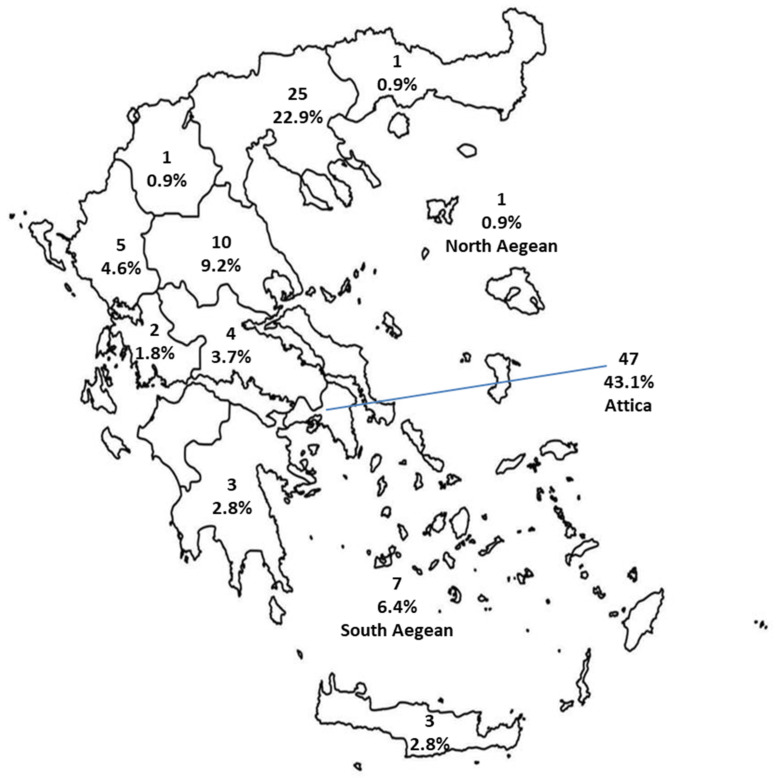 Figure 1
- —FCT—Fundação para a Ciência e a Tecnologia, I.P.
Peer Reviews
No public reviews on file for this paper yet. If you reviewed it on a platform where reviews are public (OpenReview, ICLR, NeurIPS, ICML), you can paste yours below so the community can read it here.
Videos
No videos yet. Explain this paper in a talk, walkthrough, or lecture? Add one.
Taxonomy
TopicsHelicobacter pylori-related gastroenterology studies · Whipple's Disease and Interleukins · Diphtheria, Corynebacterium, and Tetanus
1. Introduction
The genus Helicobacter comprises Gram-negative, spiral or curved, motile, microaerophilic bacteria that colonize the gastrointestinal tract, particularly the stomach of humans and animals [1,2,3]. Based on their ecological niche, these organisms are classified into two main groups: gastric and enterohepatic species. Among gastric species, Helicobacter pylori is the most clinically important. It infects the human stomach, is strongly linked to gastritis and peptic ulcers, and has been determined to be a major risk factor in the development of mucosa-associated lymphoid tissue (MALT) lymphoma and gastric cancer [4,5,6,7,8,9]. The global prevalence of H. pylori infection is estimated to be approximately 43%, with a declining trend reported worldwide, particularly in the last decade [10,11]. Unlike H. pylori, other members of the genus, collectively referred to as non-Helicobacter pylori Helicobacter (NHPH), have animals as their natural host but are also capable of infecting humans, in whom they have also been associated with gastrointestinal diseases [12]. Numerous studies have highlighted the clinical relevance of NHPH infections in both humans and animals, including farm, companion, and wild animals, which serve as natural reservoirs. Multiple different NHPH species have been isolated from the gastric mucosa of a broad range of mammals, including dogs, cats, ferrets, pigs, monkeys, and cheetahs [5], where they have been associated with varying degrees of gastritis and represent a potential source of zoonotic infection [12,13]. Transmission to humans is thought to occur primarily through close contact with infected animals or exposure to contaminated animal-derived products. Most clinically relevant gastric NHPH species, including H. suis, H. felis, H. bizzozeronii, H. salomonis, H. ailurogastricus and H. heilmannii, are increasingly recognized as zoonotic pathogens and have been linked to similar gastric human diseases, including gastritis [14], gastroduodenal ulcer disease [15] and gastric cancer [13,16]. Many of these Helicobacters have also been associated with diarrhea, bacteremia and systemic disease in immunocompromised hosts [17]. Importantly, several of these species, particularly H. heilmannii, H. felis, H. bizzozeronii, and H. suis, exhibit a credible zoonotic potential, particularly in the context of veterinary risk assessment, where close contact with infected dogs, cats, pigs and primates or exposure to contaminated animal-derived products increases the likelihood of transmission [18]. Indeed, the zoonotic relevance of NHPH remains underappreciated due to the lack of large-scale epidemiological studies that limit accurate assessments of transmission routes and public health impact [19]. The global prevalence of NHPH infection in humans during the 2010s remained significantly lower than that of H. pylori, with percentages ranging from 0.1% to 6.2% depending on the geographic location, the specific study group and detection methods used [12,20,21]. Indeed, the incidence of NHPH infection was higher in studies using molecular techniques. Notably, recent studies suggest that NHPH prevalence in human gastric samples ranges broadly from approximately 20% to 30% in selected symptomatic patients [17,20]. In particular, Taillieu et al. (2023) [19] reported a prevalence of gastric NHPHs of 29.1%, highlighting that these organisms were not rare incidental findings but rather a substantial component of the gastric microbiota in the study population. Preliminary observations from symptomatic Greek patients suggested marked variability in NHPH prevalence, ranging from 0.9% to 29.4% [22]. This heterogeneity was strongly influenced by patient age and the specific Helicobacter species detected. Furthermore, in a recent Portuguese cohort using molecular PCR analysis, 35.9% of patients were positive for H. bizzozeronii, representing a high local prevalence of this specific NHPH species [23]. In addition to gastric species, other NHPH members colonize the intestine, biliary tree and liver of animals. Notably, the presence of H. cinaedi and H. bilis, the most prominent enterohepatic NHPH species, has been associated with invasive human infections, including cellulitis, sepsis, osteomyelitis, and pyoderma gangrenosum [24]. Sporadic human cases involving other enterohepatic species, including H. fennelliae, H. canis, H. equorum, H. canadiensis and H. pollurum, have also been reported [25,26,27]. All these findings underscore the growing recognition of NHPH species in human gastric pathology. Accurate detection is essential not only for understanding the epidemiology of these emerging zoonotic pathogens but also for preventing their transmission and implementing effective control measures. Eradication of these NHPH species through standard antimicrobial therapy, typically the same regimens used for H. pylori eradication, has also resulted in the resolution of gastritis, peptic ulcer disease and clinical remission of MALT lymphoma [28].
From a One Health perspective, integrating human and animal surveillance is critical to managing the risks posed by NHPH at the human–animal nexus. Veterinarians are considered a high-risk group for NHPH infections and play a crucial role as first-line communicators advising animal owners on preventing and prophylaxis measures. This exploratory study aimed to assess the knowledge and perceptions of veterinarians working in Greece regarding H. pylori and NHPH infections through an anonymous online questionnaire survey.
2. Materials and Methods
2.1. Data Collection
Data collection was performed using a structured questionnaire originally developed and content-validated in [29] through bibliographic review, focus groups with veterinarians, and pilot testing. The questionnaire was translated and adapted into Greek for the purposes of the present study. The questionnaire consisted of three sections: one related to general demographic information of the participating veterinarians, the characteristics of contact with pigs and wild boars, referring to duration and type of contact (physical or via food consumption) and the hygiene habits of participants during food preparation. The second section investigated the perceptions and knowledge about Helicobacter spp. infections either for H. pylori or NHPH, posing questions about (a) their animal hosts, the clinical signs and the NHPH inclusion in the differential diagnosis of digestive pathologies in companion animals’ practice; as well as (b) the anamnesis of participants’ gastric problems, their diagnostic investigation and applied pharmacological regimen and, finally, a specific question whether they were affected by H. pylori and if it was successfully treated. Finally, in the third section, after introducing the animal–human transmission potential of NHPH, questions regarding the participants’ interest in receiving more information are posed and which communication channels they prefer best for the dissemination of such One Health concepts (i.e., via SMS/calls, social media, leaflets-brochures, family doctors, Hellenic Veterinary Association-HVA, Ministry of Agriculture and Food, occupational doctors, nurses) are addressed.
Thirty-four dichotomic, multiple-choice, rating scale, matrix, drop-down and open-ended questions composed the final survey, which took around 15 min to complete. Respondents could choose not to answer questions and could exit the survey whenever they wished. Therefore, the number of received data points is not constant per question.
2.2. Study Design and Participants
The questionnaire was disseminated among certified veterinarians practicing in Greece. A virtual snowball sampling survey was run first through e-mail to the official mailing list of Hellenic Veterinary Medical Society (official veterinarians’ scientific society) and then using closed social networking channels (namely, Facebook Messenger, Meta Platforms, Menlo Park, City of California, CA, USA) via personal invitation to work colleagues, veterinarian friends and classmates. It was not possible to distinguish the two sources of participation from the answers received. The minimum sample size was calculated to be 366 when using Yamane’s Simplified Formula [30] for the sample on n = N/1 + N × E^2^, where N is the population size (namely, 4400 veterinarians based on the Geotechnical Chamber of Greece-GCG registry, 2024). E is the level of precision, which was set to 5% or 0.05. However, the achieved sample of 111 respondents was lower than the calculated target. Consequently, this study should be interpreted as an exploratory, hypothesis-generating survey rather than a statistically powered investigation. The findings are therefore not intended to be representative of the national veterinary population but to provide preliminary insights into awareness patterns and educational needs.
The survey was active in two periods from September–November 2024 to August–October 2025. Receiving duplicate responses was quite unlikely, given the participants’ integrity and the limited availability to participate once, let alone repeat the survey.
2.3. Ethical Approval and Consent to Participate
The Research Ethics and Deontology Committee of Hellenic Pasteur Institute reviewed the research team’s application for the project, ensuring that it is in compliance with European and national legislation regarding Ethics and Data protection of the involved human individuals. The project was unanimously approved (decision n. 4952 issued on 8 August 2024). All participants were informed about the use of collected information, and their consent was mandatory by selecting the relevant box at the very beginning of the survey in order to proceed to the questions. No data leading to the identification of the participants were collected.
2.4. Statistical Analysis
Statistical analysis was performed using IBM SPSS^®^ Statistics v27 (IBM, Armonk, NU, USA). Descriptive statistics were the initial stage of data presentation. Possible associations between nominal variables were performed using cross-tables and chi-square (with p < 0.05) [30].
3. Results
3.1. Demographic Description of Respondents
More female veterinarians participated in the survey (women 57.7%, 64/111, 25 to 73 years old, mean age 46.3 ± 11.8; men 40.5%, 45/111, 25 to 87 years old, mean age 49.4 ± 12.7; not answered 2/111), with 67.5% (75/111) of the total respondents being companion animal veterinarians and at an overall mean age of 47.6 ± 12.2 years old.
Respondents worked in 12 of the 14 administrative regions of Greece, with a greater percentage located in Attica (43.1%), Central Macedonia (22.9%) and Thessaly (9.2%) (Figure 1, Vecteezy map adapted to data).
3.2. Awareness of Environmental Exposure
3.2.1. Physical and Nutritional Contact with Swine
Regarding physical exposure to swine, 66.7% (74/111) of the veterinarians replied that they had rare (56/111) and frequent (18/111) contact with live pigs or wild boars. Notably, 29.7% (22/74) of veterinarians contacted them via livestock animal practice, 17.6% (13/74) via companion animal practice, 20.3% (15/74) as meat inspectors, 29.7% (22/74) in other circumstances (hunting, coexistence in the habitat) and just 2.7% (2/74) as livestock farmers. The duration of contact was up to 5 years among 66.2% (49/74) of veterinarians, and 33.8% reported longer durations.
Data about dietary exposure to swine meat and meat products revealed that 94.6% (105/111) consume pork meat and 86.5% (96/111) consume pork products, while the percentages for wild boar meat and products are 29.6% (44/111) and 19.8% (22/111), respectively.
3.2.2. Food Safety and Hygiene Practices
Just around 9.0% (10/110) of veterinarians mentioned using borehole water for drinking and food preparation. On the other hand, 96.4% (107/110) reported that they prepare their own meals, with over 90% consuming them more than 3 times per week.
Of the 109 veterinarians who prepare their own meals at home, 89.0% (97/109) stated that they have hygiene and safety measures taken during food preparation, 9.2% (10/109) had no such measures, just 1 of them (1/109) was unaware of them and another one preferred not to say. The hygiene measures undertaken were stated to be washing of raw materials (36.9%, 41/111), meat and vegetables separation to prevent cross-contamination (28.8%, 32/111), disinfection of surfaces used for food preparation (10.8%, 12/111), hand washing (11.7%, 13/111), well-cooked meals (9.9%, 11/111) and use of gloves (7.2%, 8/111).
3.3. Know-How About Helicobacter spp. Infections
3.3.1. Animal Hosts and Clinical Signs
All respondents had heard about Helicobacter, with 9.0% (10/111) not knowing accurately what it is. On the other hand, 3.6% (4/111) and 41.4% (46/111) had never heard of H. pylori and H. suis, respectively, while the percentage of not accurately knowing about them was 8.1% (9/111) and 28.8% (32/111), respectively (Table 1).
Regarding the open question, “which animal species can be affected by Helicobacter spp.”, the majority replied dog (38.7%, 43/111), pig (36.9%, 41/111), cat (21.6%, 24/111), human (19.8%, 22/111) and primates (1.8%, 2/111), while 35.0% (39/111) gave an ambiguous-no answer or do-not-know reply. Regarding the clinical signs of Helicobacter infections in animals and humans only, 7.2% (8/111) replied that they do not know.
The majority of companion animal veterinarians replied that they never (20.0%, 15/75) or rarely (60.0%, 45/75) include Helicobacter spp. infection in the differential diagnosis of gastritis in dogs and cats, with just 4.0% (3/75) always and 16.0% (12/75) frequently replying to consider it. The low suspicion rate for Helicobacter infections may contribute to underdiagnosed cases or delayed therapeutic interventions targeting these pathogens. Interestingly, 14.8% (9/61) stated that they had a confirmed diagnosis of small animals’ gastritis due to the presence of Helicobacters.
Regarding the human–animal transmission of Helicobacter spp., 41.0% (43/106) considered it a zoonotic pathogen, 16.0% (17/106) replied negatively and 43.0% (46/106) stated that they did not know.
3.3.2. Anamnesis of Gastric Pathologies Among Veterinarians
From the total number of respondents, 50.0% (55/109) had rarely and frequently experienced gastric pain, 18.0% (20/110) had been diagnosed with gastritis, 24.0% (26/109) had often or everyday gastric reflux or heartburn and 37.0% (41/110) had laboratory tests for gastric pathologies mainly via endoscopy (Table 2). Regarding treatment, 30.0% had received medication for gastric pathologies, referring mainly to proton pump inhibitors like omeprazole.
Additionally, 15.0% (16/107) of veterinarians had gastric problems associated with H. pylori. Fifteen veterinarians received specific treatment for Helicobacter infection, and all stated that the specific treatment was successful.
3.4. Willingness to Learn and Preferred Channels of Communication
After presenting in a brief paragraph the zoonotic potential of NHPH, we asked if participants wished to receive more information about the topic. The majority were positive to learn more (87.3%, 96/110), and the three most preferred dissemination channels were, in descending order, through the Hellenic Veterinary Association (HVA, 68.0%), the Ministry of Agriculture and Food (56.0%), and via leaflets and brochures in their professional location (48.0%) (Table 2).
3.5. Statistical Associations Between Variables
After recoding the variables into dichotomous yes/no categories, cross-tabulations and chi-square tests for the 2 × 2 tables were conducted. No statistically significant associations were identified between the variables.
4. Discussion
The significance of H. pylori infection is well recognized globally for its impact on both benign and malignant gastric disease in humans. Other NHPH species, like H. suis, H. felis and H. bizzozeronii, which are prevalent in animals, have been associated with dyspepsia, epigastric pain, acid reflux or gastric MALT lymphoma in humans, thus providing evidence of their animal–human transmission [19].
Taking into consideration the rising concern of NHPH species in public health, the contact of humans with farm and mainly pet animals, the role of food in the transmission of Helicobacters [31] and the case of H. suis infection in a veterinarian [32], we wondered about the preventive role of veterinarians against these pathogens. A recent literature search revealed limited veterinary data, with most studies referring to the detection of H. pylori in raw cow milk [33] and the development of a pig model for H. pylori [34] from Greek research teams. No published data implied the perception of Greek veterinarians about Helicobacter infections and their One Health implications. Our aim was to investigate, for the first time, our veterinary colleagues’ awareness of Helicobacter infections and their risk factors for exposure, and to identify their preferred channels of communication for receiving scientific information. For this purpose, we adapted the questionnaire targeting Portuguese veterinarians [29], also considering the similar socioeconomical conditions and population size of both countries.
This study should be interpreted as an exploratory pilot investigation. The limited sample size and non-probabilistic sampling strategy do not allow for population-level generalizations, but the findings provide initial insights into awareness patterns and educational needs among participating veterinarians. On the other hand, it adds more evidence from similar stakeholders regarding the topic [29], compared to studies from the general population, as performed in Bosnia and Herzegovina [35].
In our survey, a higher proportion of female veterinarians participated (57.7%, 25 to 73 years old, mean age 46.3 ± 11.8) compared to male veterinarians (40.5%, 25 to 87 years old, mean age 49.4 ± 12.7). In 2024, 42.21% female and 57.79% male veterinarians were registered in GCG, while in 2023, according to the Federation of Veterinarians in Europe (FVE), 65.0% of veterinarians working in EU countries were female [36]. In all cases, no association among demographic characteristics and study variables was observed.
Of the 111 respondents, direct exposure to live swine was present (66.7%), but the most usual exposure was by food consumption, since 94.6% consumed pork meat and 29.6% consumed wild boar meat, plus their meat products in a smaller percentage. This observation provides contextual information relevant to previously reported transmission routes, given the reported transmission of H. pylori via the fecal–oral route and contaminated food ingestion [31] and H. suis presence in pig carcasses and retail meat [37,38]. The respondents preferred to prepare meals at home (96.4%) at least three times per week, and the vast majority (86.0%) took hygiene and food safety measures during the process. Nevertheless, the gold standard "hand washing" was reported much less frequently (11.7%), similar to the Portuguese survey [29], compared with washing of raw materials (36.9%) and separating meat and vegetables (28.8%) to prevent cross-contamination. Fortunately, the potentially contaminated borehole water was used only by 9.0% of respondents, not constituting a common risk factor in our sample.
Regarding the infectivity of Helicobacter, 41.4% of the veterinarians had never heard of H. suis, and 28.8% did not know exactly what it was, which confirmed our hypothesis about limited NHPH information. About 35.0% of the respondents were unclear or unaware about the animal species affected by Helicobacter, and 60.0% of companion animal veterinarians rarely considered it in the case of gastritis, which made us reflect on their alertness in suspecting the pathogen. On the other hand, just 4.0% of the companion animal veterinarians always thought of Helicobacter infection in case of gastritis in dogs and cats, and 14.8% affirmed its presence microbiologically. And even though all veterinarians had heard of H. pylori, its zoonotic potential seemed not to be clearly perceived, as 43.0% stated that they did not know if Helicobacter infections are zoonotic, and 16.0% stated they are not.
Even though half of the veterinarians had occasionally experienced gastric pain, 30.0% had received mainly proton pump inhibitors to alleviate gastric discomfort. Of the 107 respondents, 15.0% had gastric problems due to Helicobacter and underwent specific treatment that was fully successful. However, no correlation is statistically justifiable about their veterinary specialization, years of contact with live animals or gender that allows us to elaborate about their linkage.
It became evident that Greek veterinarians have limited knowledge about Helicobacter infections and uncertainty about their human–animal transmission, just like their colleagues from Portugal 29]. The Portuguese survey revealed that 37.2% of the respondents had not heard of H. suis, 17.6% were unaware of the animal species that could be affected and 76.2% did not consider Helicobacter infection in the differential diagnosis of gastritis (compared to, respectively 41.4%, 35.0% of Greek respondents and 80% that never or rarely considered Helicobacter in gastritis cases). Interestingly, 47.7% of Portuguese respondents and 41.0% of Greek respondents considered Helicobacter spp. a zoonotic bacterium. The understanding of one target group’s risk perception (veterinarians in the present study) is essential to be able to assess communication needs and messages to be delivered in the future [39]. An encouraging finding is that 87.3% of the respondents wished to learn more about the topic and mainly indicated official channels of information (like the HVA and Ministry), probably as more reliable contact institutions. Brochures were the third most preferred way of communication compared to SMS or social media posts, maybe due to the mean age of respondents, which was quite higher compared to the digitally adapted Generation Z. Some veterinarians (9.1%) wished no further communication, which is respected, although not fully understandable.
The microbial interconnections between humans and animals [40] emphasize the need for collaboration between medical doctors, veterinarians and environmental professionals, and high-precision diagnostic services, especially due to the climate crisis and emerging zoonotic diseases. The application of the One Health approach is only achieved if there is frequent communication across the sectors involved—in the present case, veterinarians and human doctors—and for that purpose, it needs to be formalized in order to, for example, create epidemiological data that can be shared [39], which regrettably rarely happens nowadays. Awareness regarding epidemiology and diagnosis is feasible through targeted training modules, infographics in social media, brochures distributed at veterinary/medical clinics and interactive sessions in veterinary and human medicine and nursing congresses regarding these bacteria. The predictions for the next five years, based on the Federation of Veterinarians in Europe (FVE), indicate a growing demand for veterinary services in companion and exotic animals, along with a strong demand for training in communication, business and digital skills [36]. Veterinarians are first-line health professionals against zoonotic diseases, and their preparedness in disseminating scientific information, in a precise and simple way, to animal owners is crucial.
5. Conclusions
This exploratory study presented the limited up-to-date knowledge of participating veterinarians about Helicobacter infections, particularly about NHPH, given that 41.4% have not heard about H. suis and 43.0% stated that they did not know if Helicobacter infections are zoonotic. On the other hand, although the sample size does not allow us to draw statistical inferences about the veterinarians’ population, Helicobacter infections may be underdiagnosed, as 80.0% of companion animal veterinarians reported never or rarely suspecting Helicobacter spp. infections in the case of gastritis in companion animals.
The sensitization of most respondents to the Helicobacter infections was practically expressed through their declared willingness to receive more information and by indicating to us the most effective communication channels for them. Additionally, the interest of 32.4% respondents, expressed in the free comments area of the questionnaire, to receive the outcomes of the survey and more information regarding H. pylori and NHPH was a noticeable success of our first attempt to enhance communication.
The need for continuous professional education on zoonotic diseases is paramount to train both medical doctors and veterinarians to collaborate efficiently and create synergies for the benefit of One Health protection.
The reference list from the paper itself. Each links out to its DOI / PubMed record.
- 1Marshall B.J. Warren J.R. Unidentified curved bacilli in the stomach of patients with gastritis and peptic ulceration Lancet 198411311131510.1016/S 0140-6736(84)91816-66145023 · doi ↗ · pubmed ↗
- 2KroißM. Teodorescu B. Song T. Vasapolli R. Review of non-Helicobacter pylori Helicobacter species: Insights into pathogenesis, epidemiology, and clinical implications Microb. Health Dis.20246 e 105210.26355/mhd_20249_1052 · doi ↗
- 3Ménard A. Péré-Védrenne C. Haesebrouck F. Flahou B. Gastric and enterohepatic helicobacters other than Helicobacter pylori Helicobacter 201419596710.1111/hel.1216225167947 · doi ↗ · pubmed ↗
- 4Malfertheiner P. Megraud F. O’Morain C. Bazzoli F. El-Omar E. Graham D. Hunt R. Rokkas T. Vakil N. Kuipers E.J. Current concepts in the management of Helicobacter pylori infection: The Maastricht III Consensus Report Gut 20075677278110.1136/gut.2006.10163417170018 PMC 1954853 · doi ↗ · pubmed ↗
- 5Wang C. Yuan Y. Hunt R.H. The association between Helicobacter pylori infection and early gastric cancer: A meta-analysis Am. J. Gastroenterol.20071021789179810.1111/j.1572-0241.2007.01335.x 17521398 · doi ↗ · pubmed ↗
- 6Sgouras D. Tegtmeyer N. Wessler S. Activity and Functional Importance of Helicobacter pylori Virulence Factors Helicobacter pylori in Human Diseases Kamiya S. Backert S. Advances in Experimental Medicine and Biology: Advances in Microbiology, Infectious Diseases and Public Health Springer Cham, Switzerland 2019 Volume 114910.1007/5584_2019_35831016624 · doi ↗ · pubmed ↗
- 7Mégraud F. Bessède E. Varon C. Helicobacter pylori infection and gastric carcinoma Clin. Microbiol. Infect.20152198499010.1016/j.cmi.2015.06.00426086571 · doi ↗ · pubmed ↗
- 8Malfertheiner P. Megraud F. Rokkas T. Gisbert J.P. Liou J.-M. Schulz C. Gasbarrini A. Hunt R.H. Leja M. O’Morain C. Management of Helicobacter pylori infection: The Maastricht VI/Florence consensus report Gut 2022711724176210.1136/gutjnl-2022-32774535944925 · doi ↗ · pubmed ↗