Botany, Ethnopharmacology, Phytochemistry, and Biological Activities of Acmella oleracea: A Comprehensive Review
Ba-Wool Lee

TL;DR
This review summarizes the medicinal uses, chemical compounds, and biological activities of Acmella oleracea, supporting its traditional applications and potential for health products.
Contribution
The paper provides a comprehensive and updated review of Acmella oleracea's phytochemistry and biological activities, emphasizing practical applications for industry.
Findings
Acmella oleracea contains approximately 120 secondary metabolites with diverse pharmacological properties.
The plant's alkylamides and phenolic compounds are key bioactive components influencing its medicinal utility.
The review supports the development of functional foods and cosmetics using the plant's bioactive compounds.
Abstract
Acmella oleracea (L.) R. K. Jansen (Asteraceae), commonly known as the “toothache plant” or “jambu,” is a significant medicinal plant that has been traditionally used in Brazil and other tropical and subtropical regions for relieving dental pain, as an anti-inflammatory agent, and as a culinary spice. Due to its versatile utility, this plant has been extensively studied in modern medicine and pharmacy for its diverse pharmacological properties, including anesthetic, analgesic, anti-inflammatory, antioxidant, and antimicrobial activities. Analytical research on the chemical compositions responsible for these activities has led to the identification of approximately 120 secondary metabolites. These findings provide scientific validation for its traditional uses and have spurred research into the development of ingredients for functional foods and cosmetics. This review incorporates the…
Genes, proteins, chemicals, diseases, species, mutations and cell lines named across the full text — each resolved to its canonical identifier and authoritative record.
Click any figure to enlarge with its caption.
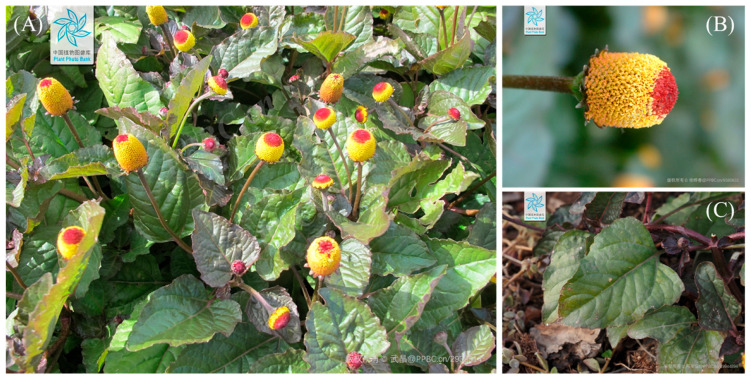 Figure 1
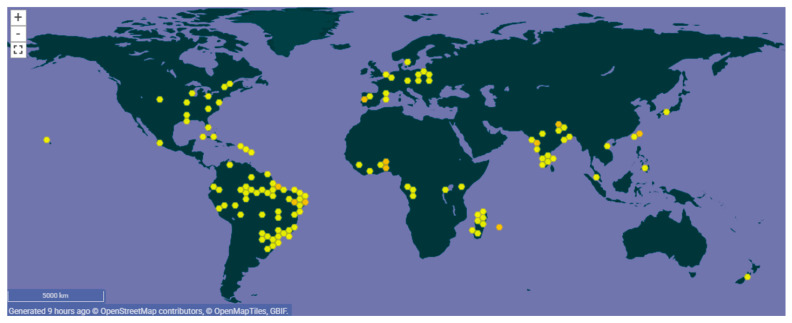 Figure 2
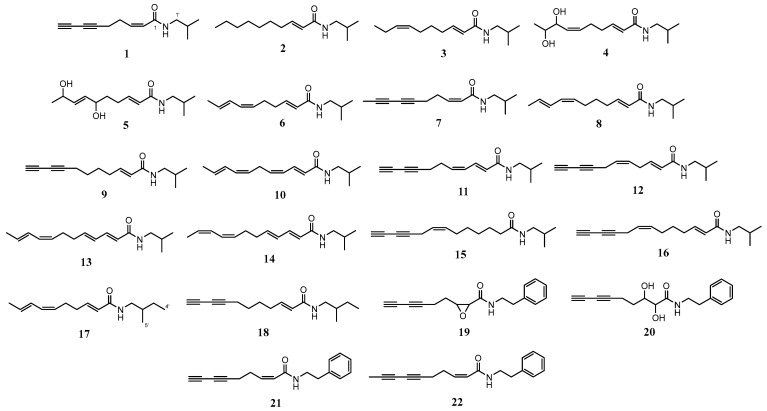 Figure 3
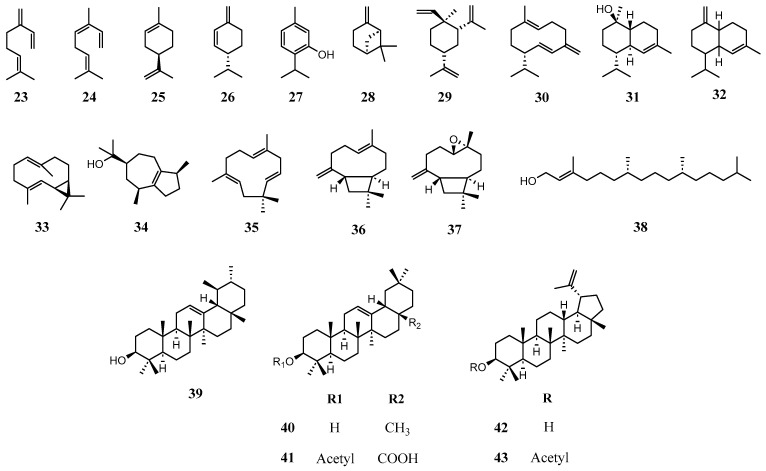 Figure 4
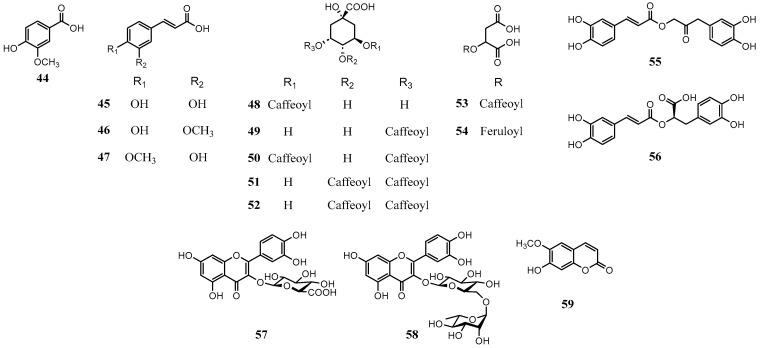 Figure 5
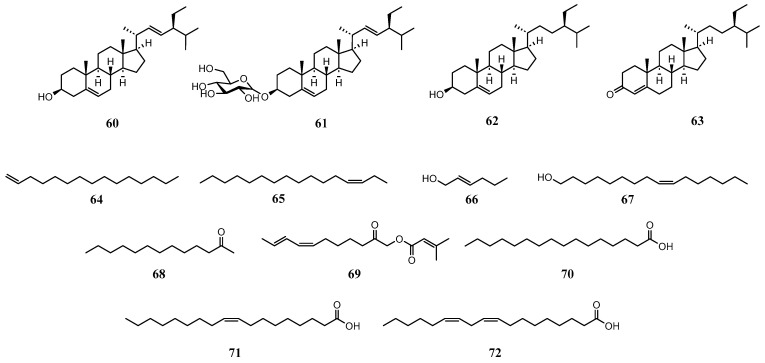 Figure 6
- —C.L. Pharm Co., Ltd.
Peer Reviews
No public reviews on file for this paper yet. If you reviewed it on a platform where reviews are public (OpenReview, ICLR, NeurIPS, ICML), you can paste yours below so the community can read it here.
Videos
No videos yet. Explain this paper in a talk, walkthrough, or lecture? Add one.
Taxonomy
TopicsHerbal Medicine Research Studies · Phytochemistry and biological activity of medicinal plants · Medicinal plant effects and applications
1. Introduction
Acmella oleracea (L.) R. K. Jansen (A. oleracea), a member of the Asteraceae family, is an annual herb characterized by its yellow-to-red cylindrical discoid capitula. Due to the distinct appearance of its central discoid, which turns red, it is commonly referred to by various names such as eyeball plant, spot flower, and buzz button (Figure 1). More notably, it is widely known as the “toothache plant” owing to its exceptional ethnomedicinal efficacy in relieving dental pain. It is also called “paracress,” a term derived from the Para region of Brazil, its place of origin, meaning “cress-like vegetable.” [1,2]. Beyond its use for toothaches, A. oleracea has been traditionally utilized for a diverse range of medicinal purposes. Various parts of the plant have been employed to treat wounds, stomachaches, skin diseases, and muscular pain, or serve as laxatives, anthelmintics, and appetite enhancers [3]. Reflecting these broad ethnopharmacological applications, extensive modern scientific research has been conducted on its pharmacological activities, including anti-inflammatory, antioxidant, analgesic, anesthetic, antiplasmodial, antibacterial, wound healing, and antipyretic effects. In addition to academic interest, there is active research into its development as functional health foods. In particular, spilanthol, the representative bioactive compound of this species, has seen a significant increase in patent registrations for technological development. Its applications are being widely explored in oral care products, personal care items, detergents, and the food and beverage industry [4]. Consequently, A. oleracea remains a botanical resource with substantial potential for further exploration. To facilitate effective research and industrial application, a systematic consolidation of existing research findings is highly warranted. Although there have been relevant review papers, they mainly focus on either specific chemical classes, the entire Acmella genus, or a particular viewpoint [2,5,6]. This review aims to provide the most up-to-date and comprehensive analysis of the phytochemical and pharmacological profiles specifically for A. oleracea. In terms of phytochemical reporting, not all compounds detected by mass spectrometry or other spectroscopic methods were included; rather, only comprehensively summarized compounds that have been directly isolated or reported with quantitative data in articles were included, ensuring the information is robust enough for actual industrial development. This review involved a thorough assessment of reported doses (and administration routes), experimental models, and outcomes. Additionally, it scrutinized the plausible mechanisms of action associated with A. oleracea and its primary bioactive compounds.
2. Methodology
The valid scientific names and synonyms obtained from the International Plant Names Index (IPNI), with reference to the WFO Plant List, Kew, and Flora of China, were used for the literature search. A literature search was conducted in PubMed/MedLine, Science Direct, and Google Scholar. The search and data collection were performed using the primary keyword Acmella oleracea, Spilanthes acmella, a term frequently misused by many researchers, as well as phytochemical, activities/effects, bioavailability, clinical, and isolation. No restrictions were placed on the publication year of literature. However, to accommodate space limitations and ensure effective description, we prioritized the most recent or most significant studies when multiple papers reported on the same activity with only minor variations, except in special cases. The search was limited to English. An image of geographical distribution of the plant was downloaded from the Global Biodiversity Information Facility (GBIF) and further checked with the available literature.
3. Botany
The genus Acmella, a member of Asteraceae (conserved name, Compositae), embraces 30 species and nine additional infraspecific taxa dispersed in tropical and subtropical areas [7] (Table 1). Since the genus shows extremely complicated patterns from a morphological and chromosomal perspective, it has been very difficult to demarcate the taxa and has often been misapplied in either description or illustration [8]. Although there has been reclassification and restoration of the taxonomical position of the genus Acmella by means of cladistic and chromosomal studies [7], it is sometimes mentioned interchangeably with the genus Spilanthes, even in recently published papers. A. oleracea, the most distinguished and recognized species for its medicinal purpose, is sometimes described as identical to Spilanthes acmella (L.) Murr. which has the officially accepted name Blainvillea acmella (L.) Philipson ([7], World Flora Online, 2025).
Although its native habitat is unclear, many reported that it originated from Amazonian countries in South America such as Peru and Brazil as the majority opinion [1,9]. Jansen suggested that A. oleracea was highly likely cultivated from A. alba, a wild plant in Peru [7]. From these countries, it has been introduced to and subsequently cultivated in many other countries within tropical and subtropical regions, such as the United States, Mexico, India, Taiwan, Germany, France, and Madagascar, which is supported by its various vernacular names from many different countries [1,10,11] (Figure 2).
As an annual herb, the height of A. oleracea reaches up to 20–90 cm high, and its stems are commonly decumbent or erect, but burly, branched and glabrous with green to red. Petioles are 2–6.5 in length and glabrous or barely pilose, and it has winged stipules in its base [1,7]. For leaves, the shape of leaf blade is generally broadly ovate with an acute apex, and that of the margin is dentate, with 5–10 cm and 4–8 cm for length and width, respectively. Both surfaces of leaf are hairless, and its base truncates or shortly attenuates. Inflorescence is solitary but sometimes axillary. The capitula (a dense cluster of many small flowers), the most distinct feature of A. oleracea, is cylindrical discoid-shaped with 10.5–23.5 mm and 11–17 mm measurements for height and diameter, respectively [1,7]. Moreover, the color is featured golden-yellow with a prominent dark red center. Since it resembles an eye, one of its nicknames is eyeball plant. The peduncles, a small stalk that joins the flower to the main stem, is glabrous or barely hairy with a 3.5–12.5 mm length [1,7] (Figure 1).
4. Traditional Uses
A. oleracea, believed to have originated in Peru or Brazil, has been introduced and utilized in numerous countries worldwide due to its ease of cultivation and diverse therapeutic properties. Its primary applications are medicinal and culinary, while it also serves minor roles in tribal religious rituals and as an ornamental plant [12,13].
4.1. Medicinal Purpose
The most prominent global medicinal application of A. oleracea is for the relief of toothache and as a local anesthetic. For instance, among the Irula tribe in the Hasanur Hills of Tamil Nadu, India, where the plant is locally known as “Mandal Poo Chedi,” the flowers are crushed and applied directly to the affected site [14]. This extensive use for treating toothache, throat infections and gum infections across the Americas, Asia, and Africa has earned the species its well-known nickname, the “toothache plant” [6,14,15].
In Brazil, the plant is commonly referred to as “jambu” and has been traditionally used by inhabitants of the Amazon basin to treat tuberculosis. Also, it is marketed as a female aphrodisiac at the Vero-Peso fair, a local market in the city of Belém, the largest city in the Amazon region, Pará [16]. In India, A. oleracea has been renowned as the most prominent agent to improve the sexual functions of men in the traditional Ayurvedic system [17]. Specifically, in the Chhindwara district of Madhya Pradesh, a paste made from the roots is employed to treat various throat problems [18]. Furthermore, the flowers are recognized for their sialogogic effect (inducing salivation), which is utilized to alleviate xerostomia and aid digestion—an effect primarily attributed to the presence of spilanthol [19]. In some cultures, the flowers are also used to treat stammering in children [20].
Regional variations in the medicinal application of A. oleracea are diverse and culturally specific. In the Bogra district of Bangladesh, the plant is locally referred to as “Vhadalika”, where its leaves and flowers are traditionally employed to treat leucorrhea in women [21]. Similarly, in the Chittagong Hill Tracts of Bangladesh, it is known as “Jhummosak”, and a paste derived from the entire plant is utilized as a remedy for poisonous stings [22]. In Cameroon, the species serves a dual purpose as a treatment for snakebites and a remedy for articular rheumatism [23]. Besides these, the roots of the plant have been utilized as a purgative to relieve constipation, and the whole herb has been used to facilitate the expulsion of urinary calculi (urolithiasis) and to treat conditions such as scurvy and various digestive disorders [24].
4.2. Culinary Uses
Thanks not only to its medicinal value, but also to the unique tingling and pungent sensations they produce, the leaves and flowers of A. oleracea are integral to various culinary traditions. The culinary applications of A. oleracea are geographically diverse and reflect the plant’s unique sensory profile. In the United States, the raw leaves are utilized as a pungent flavoring agent in salads [25], whereas in India, they are typically prepared as a cooked vegetable for inclusion in soups and meat dishes [7,26]. In Brazil, both fresh and cooked leaves serve as staple ingredients in Indigenous cuisine, particularly within the provinces of Acre, Amazonas, Pará, and Ceará [27]. Culinary traditions in Southeast Asia also incorporate the plant; in Java, Indonesia, young shoots and leaves are served raw as ‘lalab’ accompanied by sambal, while in Thailand, both the leaves and flower heads are integrated into various curries [28,29]. Furthermore, in Japan, the flowers are valued as a food spice and are also employed as a flavoring agent in dentifrices [30].
The flower buds, commercially known as “Buzz Buttons”, “Szechuan Buttons”, or “Electric Buttons”, are often used to offset the intense heat of chilies [27,31]. Ingesting a whole bud results in an initial grassy flavor, followed by an intense numbing sensation, excessive salivation, and a cooling effect in the throat. Notable modern culinary applications include Szechuan Button-infused eel dishes, cocktails, and sorbets [27,31]. In India, the buds and their oleoresins are also used to flavor chewing tobacco. Related information is summarized in Table 2.
5. Phytochemistry
Due to the obvious and various activities of A. oleracea, phytochemical composition of the plant has been extensively studied. Some GC/MS-based chemical studies have reported that A. oleracea is rich in essential oil, comprising about 15% of the constituents among which alkylamides (1–22), monoterpenoids (23–28), sesquiterpenoids (29–37) are present dominantly [35,36]. Also, some other terpenoids such as a diterpene (38) and triterpenes (39–43), and some lipophilic constituents such as steroids (60–63) and hydrocarbon derivative (64–72), have also been reported from the plant [20,37,38]. Not only these lipophilic parts, but also hydrophilic fractions, began to attract attention because of activity-guided isolation. As opposed to inflorescences, leaves and root are rich in phenolic compounds (44–56, 59) and flavonoids (57, 58) [39,40]. Major second metabolites which have been isolated or identified with high abundance from various studies are summarized in Table 3.
5.1. N-Alkylamides
N-Alkylamides (NAAs) are characterized by a molecular structure centered around an amide bond, flanked by a fatty acid chain on one side and a residual amino acid moiety on the other. As expected from the structure, it is biologically synthesized by a condensation reaction of a fatty acid chain (unsaturated in most cases) and amin moiety derived from amino acids through decarboxylation [42]. Through the numerous combinations of 200 fatty acids and 23 amines, more than 300 NAAs have been reported from a total of 25 plant families, mainly eight (Asteraceae, Piperaceae, Rutaceae, Brassicaceae, Euphorbiaceae, Aristolochiaceae, Menispermaceae, and Poaceae) [58,59]. Though some families such as Convolvulaceae, Euphorbiaceae, Menispermaceae, and Rutaceae show the biosynthesis of NAAs featuring aliphatic moieties in both their amine and acid components as a prominent metabolic characteristic, they also produce other major types of secondary metabolites including alkaloid [59]. On the other hand, several genera in Asteraceae, such as Acmella, Spilanthes, Echinacea and Heliopsis, dominantly produce NAAs as major metabolites, conferring their distinct properties [60]. As NAAs containing plants generally exhibit a pungent taste, numbness, and tingling sensation [40], NAAs, especially spilanthol (6) (also called affinin), which is one of the most famous NAAs in Asteraceae, became the reason for many vernacular names of A. oleracea such as ‘toothache plant’ and ‘brede mafane,’ which means hot taste grass in Malagacy [40,61]. NAAs from the Acmella genus are normally composed of N-isobutyl, N-methylbutyl or N-phenethylamine for the amine part and medium-chain residues (C_8_ to C_13_) for fatty acid [60]. Among 70 NAAs identified from Acmella and Spilanthes species [42], 22 NAAs (1–22) have been isolated or identified with moderate or large amounts sufficient to be isolated from A. oleracea, and many of them are N-isobutylamides (1–16), followed by N-phenethylamides (19–22) and N-methylbutylamides (17 and 18) in the order of frequency (Figure 3 and Table 3). The stereochemistry of 4, 5 and 20 was not determined in the corresponding references.
Since many biological activities were known to be ascribed to NAAs, there have been various research efforts towards the development of efficient extraction methods or quantification for NAAs, especially spilanthol (6) for industrial purposes. As NAAs are normally amphiphilic due to the relatively polar amide and lipophilic acyl chain residue easily expected from the structure, a wide range of solvents such as methanol, ethanol, n-hexane, ethyl acetate, or even CO_2_ for superciritical extraction have been used [17,36,46,62,63]. Ferrara reported that NAAs are accumulated five times more in aerial parts (2.77 mg/g, DE) than root (0.49 mg/g, DE), and for spilanthol (6), they are ten times more concentrated in aerial parts (2.20 mg/g, DE) than root (0.22 mg/g, DE), which is also supported by reports on isolation of NAAs (Table 3). When limited to aerial parts, NAAs in flower and leaf parts are similar at 7.69% and 8.42%, respectively, which are twice as much as that in the stem (3.09%) [64]. Meanwhile, the content of spilanthol (6) was much higher in the flower part (16.50 mg/g, DW) than in leaf (0.34 mg/g) and stem parts (0.24 mg/g) in the accelerated solvent extraction method. In a separate study, Dias et al. showed that the yield of spilanthol (6) in flower, leaf and stem were 65.4, 19.7 and 47.3%, respectively, by means of supercritical fluid extracted coupled enhanced solvent extraction (SFE-ESE) method, demonstrating that low content of spilanthol (6) in the leaf and stem part could be improved to some extent depending on the extraction method [46]. In the case of optimization of the extraction solvent, Kavallieratos et al. evaluated extraction efficiency of various solvents (n-hexane, ethanol, methanol, dichloromethane, petroleum ether, ethyl acetate) for spilanthol (6) contents by using sonication and concluded that n-hexane extract showed the most concentrated content of spilanthol (6) (20.9 g/100 g, dry extract), followed by petroleum ether (19.7), dichloromethane (17.7), ethyl acetate (16.5), methanol (15.9), and ethanol (11.4), but methanol extract exhibited the largest absolute amount (1.3 g/100 g, dry biomass), followed by dichloromethane (0.9), ethyl acetate (0.7), n-hexane (0.6), ethanol (0.4), and petroleum ether (0.4) [62]. Meanwhile, another study reported that absolute amounts of spilanthol (6) in a defatted 80% ethanol fraction and n-hexane fraction were similar after consideration of concentration and extraction yield in in vitro seedlings [40].
For the quantitative analysis of major NAAs, spilanthol (6) has the highest proportion in flower, while it was contained in medium or small amounts when limited to the leaf part, though it is the most abundant NAA in the whole aerial part [36,48,62]. Besides spilanthol (6), (2E,6Z,8E)-N-(2-methylbutyl)-2,6,8-decatrienamide (homospilanthol) (17), (2E,7Z)-N-isobutyl-2,7-decadienamide (3), (2E)-N-isobutyl-2-undecene-8,10-diynamide (9), (2E,7Z)-N-isobutyl-2,7-tridecadiene-10,12-diynamide (16), and (2E)-N-(2-methylbutyl)-2-undecene-8,10-diynamide (18) have been reported in medium or small amounts enough to be isolated in whole aerial part [36,48,61,62]. Interestingly, there was an attempt to develop an optimized extraction method maximizing the content of spilanthol (6) in essential oil, and reporting microwave-assisted extraction showed around six times higher yield (13.31 g/100 g in EO) than that of hydrodistillation (2.24). In most cases, fatty acid moiety in NAAs is unsaturated, so it is vulnerable to sunlight and easily degraded. Bearing in mind the deleterious effect on usefulness of A. oleracea, Savic et al. conducted well-timed research on the stability of the main NAA in commercially purchasable products. Photostability of 1, 6, 9, 11, 16, 17, 18, 19 and 21 in hydroglycolic extract of A. oleracea suspended in various solvents (methanol, ethanol, saline, water) was evaluated in 30 min intervals up to 120 min. As a result, (2E,6Z,8E)-N-(2-methylbutyl)-2,6,8-decatrienamide (homospilanthol) (17) and spilanthol (6) turned out to be the most stable NAAs in order. Also, in methanol, there were no significant differences in stability among compounds throughout time, whereas in other solvents, stability decreased significantly in the order of ethanol, saline, and water. Compounds 4 and 5 were suggested as degraded forms of spilanthol (6) [51]. The research findings regarding the contents of spilanthol (6) and NAAs according to various factors such as plant parts, extraction methods, and solvents are summarized in Table 4.
5.2. Terpenoids
Terpenoids, the largest and most structurally diverse group of plant secondary compounds, are biosynthetically constituted by assembly of 5-carbon isoprene units (C_5_H_8_) and further categorized as several subgroups such as monoterpene, sesquiterpene, diterpene, and triterpene according to the number of attached isoprene units [65,66]. In total, 21 terpenoids were isolated or identified with isolatable amounts from A. oleracea, including six monoterpenoids (23–28), nine sesquiterpenoids (29–37), one diterpenoid (38), and five triterpenoids (39–43) (Figure 4 and Table 3). Regarding the absolute configuration of compounds 30, 33, and 34, although their stereochemistry was not explicitly confirmed in the cited literature, the forms that predominantly exist in nature, particularly in essential oils, were adopted [67,68,69]. In contrast, the stereochemistry of 32 was not reported in the original studies, and this compound is known to exist in various isomeric forms in nature. Apart from the representative compound, spilanthol (6), most phytochemical studies on A. oleracea have focused on the monoterpenes and sesquiterpenes that constitute its essential oil. Essential oil of A. oleracea is recently attracting attention due to its varying biological activity, especially insecticidal activity. Many researchers have reported the results of quantitative and qualitative analysis of components of essential oil in different parts of the plant and by different extraction methods. Most of the analyses on essential oil and chemical identification were performed by comparison with analytical standards, mass spectrum overlapping or retention index calculation, and comparison with those in well-established libraries such as ADAMS, FFNSC3, NIST17 by means of GC-MS [35,36,45]. Monoterpenes and sesquiterpenes are two major components in the essential oil of A. oleracea constituting around 90% of the oil, with minor hydrocarbon and fatty alcohol. In accordance with commonly observed patterns, monoterpenes are more abundant than sesquiterpenes [9,35,70]. However, the monoterpene is majorly composed of monoterpene hydrocarbon rather than oxygenated monoterpene which is opposite to general cases [71]. Many studies reported major compounds in the essential oil of A. oleracea.
Among these, Baruah and Leclercq investigated chemical composition of essential oil of flower head of A. oleracea in India by steam distillation and reported limonene (25) (23.6%), (Z)-β-ocimene (24) (14.0%) and myrcene (23) (9.5%) for monoterpene, and β-caryophyllene (36) (20.9%) and germacrene D (30) (10.8%) for sesquiterpene, as major constituents out of 30 detected compounds [52]. In another study utilizing same extraction method for the leaves and stem of A. oleracea in Brazil, thymol (27) (18.3%) and γ-cadinene, (31) (13.3%) along with β-caryophyllene (36) (30.2%), were reported as major constituents [53]. In separate studies utilizing the hydrodistillation method, pinene (28) (17.3%) and caryophyllene oxide (37) (10.0%) were identified as additional major compounds extracted by hydrodistillation from the flower of A. oleracea harvested in Italy, and β-elemene (29) and bicyclogermacrene (33) were also identified with isolatable amounts from leaves of A. oleracea [9,54]. Interestingly, Jerônimo et al. reported qualitative and quantitative analysis of components in the essential oil of A. oleracea in a comparison of two conventional extraction methods (hydrodistillation versus steam distillation) and two different parts (flower versus leaf) [35]. Total yield of essential oil from flower by hydrodistillation (0.68%) was superior to that by steam distillation (0.5%). Moreover, for most of the major constituents, yield by hydrodistillation was much higher than that from steam distillation. However, 38 out of 62 were detected by hydrodistillation, while 49 were detected by steam distillation. In many other plants, total yield of essential oil is higher when it is extracted by hydrodistillation, and the number of identified compounds by steam distillation is higher, though there are some plants which showed much higher total yield by steam distillation, and some compounds that could be extracted solely by that method [72,73]. β-pinene (28), myrcene (23), β-phelandrene (26), and guaiol (34) were solely found in the flower part. Including minor compounds, most of the compounds were found either in both the flower and leaf or only in the flower part. In addition to the two conventional methods, microwave-assisted extraction method is becoming popular due to its effectiveness in time and yield. Spinozzi et al. reported higher total yield of essential oil by microwave-assisted extraction as 0.47% along with maximized spilanthol (6) content (13.31%) when compared to that by hydrodistillation (0.22% for essential oil and 2.24% for spilanthol (6)) [36].
As seen in the previous reports, there are various factors affecting the yield and chemical composition of essential oil such as part of plant extracted, method of extraction, and cultivation environment [9,74,75]. Regardless of all these influential factors, certain terpenes, specifically E-caryophyllene (36), germacrene D (30) for the aerial part including the flower and myrcene (23), and β-pinene (28) majorly in the flower, consistently serve as distinctive chemical markers for A. oleracea oils, as evidenced by the existing literature. In addition to these constituents comprising essential oil, (E)-phytol (38), a diterpene, was identified in isolatable amounts through GC-MS, and some triterpenes such as α-amyrin (39), β-amyrin (40), 3-acetylaleuritolic acid (41), lupeol (42), and 3-acetyllupeol (43) were isolated [11,37,39,55].
5.3. Phenolic Compounds
Phenolic compounds are defined by the presence of one or more hydroxyl groups directly attached to an aromatic ring, with the entire classification centered around the structure of phenol [76]. Thus, the term ‘phenolics’ encompasses a broad spectrum of chemical substances such as cinnamic acid derivatives, flavonoids, coumarins and lignans, which were categorized based on the number of carbons by Harborne and Simmonds [77]. Phenolic compounds have long been recognized as vital therapeutic agents for non-communicable diseases and lifestyle disorders, including cardiovascular diseases, various cancers, and age-related pathologies due to their potent antioxidant capacity to stabilize free radicals through hydrogen and electron donation [78]. Consequently, numerous studies have been reported to quantify the phenolic content and evaluate the antioxidant potential of A. oleracea. Perhaps because they have been overshadowed by alkylamides, there are surprisingly few reports on the actual isolation of individual phenolic compounds from A. oleracea. Instead, the literature has predominantly focused on the determination of total phenolic and flavonoid contents, as well as the preliminary identification of phenolic constituents. Based on the evidence from actual isolation and data confirming quantitative correlations during characterization, the structures of the identified phenolic compounds are illustrated in Figure 5. The reported compounds include vanillic acid (44), a simple phenolic acid (C_6_-C_1_); cinnamic acid derivatives (45–56) (C_6_-C_3_); flavonoid glycosides (57 and 58) (C_6_-C_3_-C_6_); and coumarin (59) (Table 3).
The extraction efficiency of total phenolic contents (TPC) from A. oleracea is influenced by various physicochemical factors. Satao et al. conducted a comprehensive kinetic study focusing on solvent type, solid-to-solvent ratio, temperature, agitation speed, and pH. Regarding solvent selection, although methanol provided the highest yield (20.20 mg GAE/g DM), water was identified as the optimal solvent (17.98 mg GAE/g DM) [79]. This choice was justified by water’s safety for food and pharmaceutical applications, its economic viability, and its low vapor pressure, which facilitates the maintenance of a stable solid-to-solvent ratio by minimizing evaporation.
Optimization of other parameters revealed that a 1:30 solid-to-solvent ratio was ideal, as yields plateaued beyond this point (18.52 to 18.60 mg GAE/g DM). Temperature studies showed a sharp increase in TPC up to 50 °C (18.21 mg GAE/g DM), followed by a decline at 60 °C, likely due to the thermal degradation of sensitive polyphenols. Furthermore, extraction was most effective at pH 5.0, with yields decreasing significantly as conditions became alkaline (pH 6–8). This aligns with the findings of Tsao et al., who noted that acidic conditions maintain polyphenols in a neutral state, thereby enhancing their solubility [80]. While Satao et al. recommended an agitation speed of 400 rpm, the data suggests that a plateau was not definitively reached, and higher speeds, such as 500 or 600 rpm, might yield even more favorable results.
From a biological perspective, Nascimento et al. investigated the distribution of phenolics and flavonoids across different plant parts and cultivation systems [56]. Regardless of whether the plants were field-grown (FG) or hydroponically grown (HG), leaves exhibited the highest phenolic content, followed by flowers and stems—a trend consistent with reports by Abeysiri et al. [10]. In terms of growth systems, FG plants generally outperformed HG plants in TPC. This contrasts with studies by Abeysinghe et al., where HG plants and callus cultures (CC) showed higher yields [63]. Such discrepancies may stem from variations in analytical methodologies, hydroponic techniques, or geographic cultivation regions.
Further characterization by Ferrara compared the aerial parts (AP) and roots (R) [43]. While AP extracts were rich in both phenols and alkylamides (including spilanthol (6)), R extracts contained significantly higher phenolic levels (14.15 mg/g DE) despite much lower alkylamide content. Notably, the neuroprotective effect of the root extract was comparable to that of the aerial parts, suggesting that phenolic compounds play a crucial role in this bioactivity. The root profile was dominated by 3,5-di-O-caffeoylquinic acid (51), accounting for over 50% of its TPC, whereas the aerial parts contained a more diverse but lower-concentration mixture of phenolics, including caffeoylmalic acid (53) and feruloylmalic acid (54). Detailed data on these phenolic constituents and the factors influencing their extraction are summarized in Table 5.
5.4. Steroids and Other Lipophilic Compounds
In addition to the widely studied alkylamides, monoterpenes and sesquiterpenes in essential oils, and phenolic compounds investigated for their antioxidant properties, several other lipophilic compounds have been identified in A. oleracea (Figure 6 and Table 3). These primarily include substances with a steroid backbone (60–63) and various hydrocarbons along with their oxidized derivatives (64–72). Notably, stigmasterol (60), stigmasteryl-3-O-β-d-glucopyranoside (61), and β-sitostenone (63) were isolated through antioxidant and antimicrobial activity-guided fractionation [39]. Furthermore, numerous hydrocarbons and their derivatives are frequently identified in essential oils via GC-MS analysis [11,35,37,57]. Among these, (Z)-9-hexadecen-1-ol (67) exhibited a high relative abundance of 80.4% in the total ion chromatogram (TIC) [11].
Finally, Phrutivorapongkul et al. reported on the composition of fixed oils in A. oleracea. In the field of food and nutrition, it is well-established that the degree of unsaturation and the specific types of fatty acids within vegetable oils play a crucial role in determining their food industrial applications and ethno-pharmacological benefits [81,82]. According to the report from Phrutivorapongkul et al., the fixed oil fraction of A. oleracea is predominantly composed of alpha-linolenic acid (72) (56.37%), an essential omega-3 (ω-3) fatty acid. This was followed by palmitic acid (70) (25.85%), a saturated fatty acid, and oleic acid (71) (8.72%), a monounsaturated fatty acid [38]. These findings suggest that A. oleracea possesses superior nutritional value due to its high content of unsaturated fatty acids, particularly polyunsaturated fatty acids (PUFAs) like alpha-linolenic acid.
6. Biological Activities
A. oleracea, which is utilized globally both as a botanical and in various nutraceutical forms, has been the subject of extensive modern pharmacological investigations that align with its diverse traditional applications. Extensive research has identified a broad spectrum of pharmacological activities for A. oleracea, including anti-inflammatory, antioxidant, analgesic, and antimicrobial effects, as well as vasorelaxant, antiarrhythmic, and wound healing properties. These findings strongly validate the plant’s traditional applications, which have guided modern scientific inquiry into its multifaceted therapeutic value. A comprehensive summary of these activities is provided in Table 6.
6.1. Anti-Inflammatory Activities
Unresolved inflammation acts as a primary catalyst for various pathologies. The chronicity of the inflammatory process poses a fundamental danger, as it triggers a self-perpetuating cycle where inflammatory tissue damage leads to necrosis, which in turn further exacerbates the inflammatory response [97]. Traditionally, A. oleracea has been utilized to treat respiratory conditions such as throat complaints and tuberculosis [34]. In a study by Kim et al., the protective effects and underlying mechanisms of a methanol extract from the whole S. acmella plant were evaluated using an LPS-induced lung injury mouse model. Administration of the extract at doses of 1 and 10 mg/kg resulted in a dose-dependent inhibition of inflammation, as confirmed by histological analysis. Furthermore, the extract suppressed neutrophilic lung inflammation by reducing the mRNA expression of proinflammatory cytokines (IL-1β, IL-6, and TNF-α) and lowering the activity of myeloperoxidase (MPO), a key inflammatory marker in neutrophils. To further elucidate the molecular mechanisms, in vitro assays using RAW 264.7 cells demonstrated that the extract dose-dependently inhibited the nuclear localization of NF-κB and decreased the expression of NF-κB-dependent cytokine genes (IL-6 and IL-1β). Simultaneously, it enhanced the antioxidant defense by inhibiting the ubiquitination of Nrf2, thereby increasing nuclear Nrf2 levels and the expression of Nrf2-dependent genes such as NQO1. These findings collectively suggest that A. oleracea mitigates lung inflammation through the dual regulation of NF-κB inhibition and Nrf2 activation [83].
Another study reported the anti-inflammatory activity of an aqueous extract from the aerial parts using a carrageenan-induced rat paw edema model. While the positive control, aspirin (100 mg/kg), showed an inhibition rate of 63.1%, the extract demonstrated paw edema inhibition of 52.6%, 54.4%, and 56.1% at doses of 100, 200, and 400 mg/kg, respectively. These results suggest that hydrophilic compounds, such as polysaccharides and phenolic substances, may have significant anti-inflammatory potential [26]. In a study comparing the anti-inflammatory activities of different fractions, an 85% EtOH extract from A. oleracea flowers was subjected to sequential partitioning to obtain n-hexane, CHCl_3_, ethyl acetate, and n-butanol fractions. Their ability to inhibit LPS-induced NO production in RAW 264.7 cells was evaluated. The results indicated that at a concentration of 80 μg/mL, the CHCl_3_ fraction exhibited the highest potency with 85% inhibition of NO production, followed by the n-hexane fraction (72%), ethyl acetate fraction, and n-butanol fraction in descending order. Regarding spilanthol (6) (45, 90, and 180 μM), the most widely recognized active compound, it dose-dependently inhibited the mRNA expression and protein production of LPS-induced iNOS (inducible nitric oxide synthase) and COX-2 (cyclooxygenase-2) in RAW 264.7 cells. Furthermore, it significantly suppressed the secretion of proinflammatory cytokines, such as IL-1β and IL-6. Mechanistically, spilanthol (6) was found to inhibit the LPS-induced phosphorylation of cytoplasmic IκB and the DNA binding activity of NF-κB in a dose-dependent manner. These findings indicate that, consistent with the previously reported results about inflammatory activity at extract or fraction level, the anti-inflammatory efficacy of spilanthol (6) is mediated through the inactivation of the NF-κB signaling pathway [84].
Huang et al. reported the inhibitory effects of spilanthol (6) on allergic inflammation using a DNCB-induced atopic dermatitis mouse model. Treatment with spilanthol (6) at doses of 5 and 10 mg/kg significantly suppressed the elevation of IgE and IgG2a, which are key markers of allergic reactions. Furthermore, it was found to modulate the Th1/Th2 imbalance by increasing IgG1 levels. These therapeutic effects were attributed to the inhibition of the MAPK signaling pathway, specifically by suppressing the activation of ERK, JNK, and p38 proteins. Additionally, spilanthol (6) administration reduced epidermal thickness, collagen accumulation, and the infiltration of mast cells and eosinophils. Collectively, the study demonstrated that spilanthol (6) ameliorates allergic inflammation in DNCB-induced atopic lesions by improving mast cell infiltration, modulating Th1/Th2 cytokine levels, and inhibiting MAPK signaling. Additionally, spilanthol (6) administration reduced epidermal thickness, collagen accumulation, and the infiltration of mast cells and eosinophils. Collectively, the study demonstrated that spilanthol (6) ameliorates allergic inflammation in DNCB-induced atopic lesions by improving mast cell infiltration, modulating Th1/Th2 cytokine levels, and inhibiting MAPK signaling [85].
6.2. Antioxidant Activities
Due to its rich content of phenolic compounds, numerous studies have reported the antioxidant potential of A. oleracea. Wangsawatkul et al. evaluated the antioxidant capacities of the aerial parts extracted with various solvents (n-hexane, CHCl_3_, ethyl acetate, and MeOH) using DPPH radical scavenging and SOD (superoxide dismutase) activity assays. At a concentration of 200 μg/mL, the ethyl acetate (EA) and methanol (MeOH) extracts exhibited similarly potent DPPH radical scavenging activities at 47.90% and 47.76%, respectively, followed by the CHCl_3_ and n-hexane extracts. In contrast, when SOD activity was assessed via NBT (nitroblue tetrazolium) inhibition, the CHCl_3_ extract demonstrated the highest activity (57.92%). This was followed by the MeOH (47.02%) and EA (33.05%) extracts, while the n-hexane extract showed negligible activity (0.41%) [86]. Prachayasittikul et al. conducted experiments under nearly identical conditions and reported a consistent order of efficacy among the extracts. Notably, they reported the isolation and identification of four phenolic compounds (44, 46, 47, 59), one terpenoid (41), and three steroids (60, 61, 63) from the active fractions. However, the biological activities of these individual isolated compounds were not further evaluated [39].
In a study investigating the activity of different plant parts and solvent extracts, the DPPH radical scavenging activity was found to be highest in the flowers, followed by the stems and leaves. Regarding the solvents used, the methanol extract exhibited the greatest potency, followed by the acetone and water extracts, respectively [87]. Meanwhile, Fajardo et al. comprehensively evaluated the efficacy of the methanol extract from A. oleracea leaves. At a concentration of 300 μg/mL, the extract reduced IFN-γ and LPS-induced ROS production in macrophages by approximately 69.03%. In the NO scavenging assay, it exhibited an IC_50_ value of 127.6 μg/mL for the inhibition of NO production. Furthermore, the extract showed a 63.69% inhibition rate regarding the production of MDA, a byproduct of lipid peroxidation. In addition to these findings, the study provided insights into the correlation between potent antioxidant capacity and phenolic content through total phenolic content (TPC) determination and compositional analysis [88].
At the single compound level, the efficacy of known active substances, vanillic acid (44) and trans-ferulic acid (46), has been reported in SH-SY5Y neuronal cell model where neurotoxicity was induced by H_2_O_2_. Both 44 and 46 were found to inhibit apoptosis and reduce ROS levels. Furthermore, pretreatment with these phenolic compounds effectively counteracted the H_2_O_2_-driven decline of SIRT1 and FoxO3a expressions in SH-SY5Y cells. This molecular upregulation was accompanied by an increase in key antioxidant enzymes, such as SOD2 and catalase, as well as the anti-apoptotic protein Bcl-2, thereby reinforcing the cellular defense against oxidative damage [89].
6.3. Analgesic Activity
A study investigating the analgesic properties of the aqueous extract of A. oleracea reported significant results in multiple pain models. In acetic acid-induced writhing tests using albino mice, administration of the extract at doses of 100, 200, and 400 mg/kg resulted in protection rates of 46.9%, 51.0%, and 65.6%, respectively. Although these values were slightly lower than the 79.7% protection rate of the positive control, aspirin (100 mg/kg), they nonetheless demonstrate substantial analgesic efficacy. Furthermore, in the tail flick test, the extract was found to significantly increase the pain threshold throughout the entire observation period (30 min, 1, 2, and 4 h post-administration) [26]. Dallazen et al. provided critical insights into the mechanistic aspects of the antinociceptive properties of A. oleracea. The researchers evaluated the effects of an alkylamide-rich n-hexane fraction from the flower ethanol extract using the formalin test at two distinct concentrations: an antinociceptive dose (5 μg/mL) and a pronociceptive dose (1.5 mg/mL). At the low dose, the extract significantly inhibited glutamate-induced pain in both the neurogenic and inflammatory phases. This effect was independent of the endogenous opioidergic system but was closely associated with TRPV1 modulation. Conversely, the pain-inducing behavior observed at the high dose was attenuated by the activation of the opioidergic system, treatment with TRPA1 antagonists, and the desensitization of TRP nociceptive fibers. Collectively, these findings demonstrate that alkylamides can exert contrasting biphasic effects depending on the dosage and provide specific information regarding the receptors involved [90].
A study reporting the antinociceptive activity of MeOH extracts (100 mg/kg) from different plant parts found that in the neurogenic phase of the formalin test, the aerial part extract exhibited stronger activity than the flower extract. Conversely, in the inflammatory phase, the flower extract showed greater potency than the aerial part extract. Both extracts demonstrated efficacy comparable to that of indomethacin. Furthermore, results from the open field and catalepsy tests showed no significant differences compared to the control group. This indicates that the extracts did not induce hypolocomotion or catalepsy, which are potential side effects typically associated with cannabinoid receptor agonists [91].
6.4. Anesthetic Activity
Chakraborty et al. validated the anesthetic efficacy of the aqueous extract of A. oleracea through in vivo testing. An intracutaneous wheal test conducted in guinea pigs at two concentrations, 10% and 20%, demonstrated dose-dependent anesthetic effects of 70.36% and 87.02%, respectively, compared to only 4.16% in the negative control group. Furthermore, in a plexus anesthesia test using frogs, the 20% concentration showed a mean anesthetic onset time of 5.33 min. Considering the negative control’s onset time of 24.15 min, these results indicate substantial anesthetic potency [92]. Next, the potential of A. oleracea as a fish anesthetic was demonstrated in a study where a spilanthol-rich fraction, obtained via supercritical fluid extraction (SFE), was administered to juvenile tambaqui (Colossoma macropomum). The results showed that deep anesthesia was effectively achieved at all tested levels, with 20 mg/L yielding the most efficient induction (<3 min) and recovery (<5 min) times. While a minimal dose of 2 mg/L provided effective sedation, the overall stress response remained minimal; all physiological indicators fully recovered within 48 h, highlighting the potential of jambu extract as a safe and potent anesthetic agent [93].
6.5. Antimicrobial Activity
Mbeunkui et al. reported the antiplasmodial activity of A. oleracea and the potential synergistic effects among its constituents. An alkylamide-rich fraction, derived from the methanol extract of the flowers, was tested against the chloroquine-sensitive (D10) strain of Plasmodium falciparum, followed by bioactivity-guided fractionation and isolation. The IC_50_ values for the active fractions 2 to 5 were 14.91, 22.04, 26.17, and 12.21 μg/mL, respectively. Subsequently, the major compounds (1, 6, 9, and 17) were isolated from these four fractions, yielding IC_50_ values of 54.03, 26.43, 29.34, and 33.73 μg/mL, respectively. A comparison between the fractions and their respective major compounds suggests a potential synergistic effect. Specifically, fraction 2, which contains 1 as its primary constituent alongside a balanced proportion of other alkylamides, including spilanthol (6), demonstrated significantly higher activity than fraction 3, which consists of over 95% spilanthol (6). Notably, although 1 itself was approximately twofold less active than 6, its corresponding fraction (fraction 2) outperformed fraction 3, reinforcing the hypothesis that the coexistence of multiple alkylamides enhances the overall antiplasmodial efficacy [41].
On the other hand, several studies have reported the antimicrobial activity of A. oleracea against a diverse range of microbial strains. Specifically, the methanol extract from the leaves exhibited antibacterial activity against E. coli, S. epidermidis, MRSA, and P. aeruginosa, as well as antifungal activity against C. albicans, with MIC (Minimum Inhibitory Concentration) values ranging from 125 to 1000 μg/mL. Notably, when assessing adhesion inhibition against S. aureus, P. aeruginosa, and their mixed biofilms, the extract showed inhibition rates of 44.71%, 95.5%, and 51.83%, respectively. Furthermore, it demonstrated significant growth inhibition of 77.17% for S. aureus and 62.36% for P. aeruginosa [88].
Prachayasittikul et al. evaluated the antimicrobial activities of various solvent extracts (n-hexane, CHCl_3_, ethyl acetate, and methanol) from the aerial part of A. oleracea against an extensive range of microbial strains, including C. diphtheriae, S. cerevisiae, S. pyogenes, B. subtilis, M. luteus, S. epidermidis, and P. shigelloides. Overall, fractions derived from the CHCl_3_ and methanol extracts exhibited potent growth inhibition against most of the tested strains. For instance, these fractions yielded MIC values ranging from 64 to 256 μg/mL against C. diphtheriae and 128 to 256 μg/mL against B. subtilis [39].
6.6. Vasorelaxant Activity
Wongsawatkul et al. reported the vasorelaxant effects of various solvent extracts (n-hexane, CHCl_3_, ethyl acetate, and methanol) from A. oleracea using an in vivo model. After inducing contraction in the rat thoracic aorta with phenylephrine, the efficacy and underlying mechanisms of the extracts were evaluated through solo administration or co-treatment with a NOS (nitric oxide synthase) inhibitor or a COX (cyclooxygenase) inhibitor. The results showed that the maximal relaxation (R_max_) for the n-hexane, CHCl_3_, ethyl acetate, and methanol extracts were 65.67%, 96.64%, 81.64%, and 65.09%, respectively. Furthermore, the ED_50_ values were recorded at 0.361, 0.428, 0.076, and 0.955 ng/mL, respectively. These findings indicate that the ethyl acetate extract induced the most rapid vasorelaxation, while the CHCl_3_ extract exhibited the highest overall vasorelaxant potency [86].
Meanwhile, a study reporting the vasorelaxant effect of spilanthol (6) and its plausible mechanisms revealed that this effect was partly dependent on the presence of the endothelium. Furthermore, the vasorelaxation was significantly inhibited in the presence of inhibitors of nitric oxide (NO), hydrogen sulfide (H_2_S), and carbon monoxide (CO) synthesis. These findings suggest that spilanthol-induced vasodilation is mediated by complex mechanisms involving both gasotransmitters and prostacyclin signaling pathways [94].
6.7. Others
In addition to the aforementioned activities, other pharmacological properties such as wound healing, antipyretic, antiarrhythmic, and gastroprotective effects have been reported. Regarding wound healing, a scratch wound healing assay using L929 fibroblasts demonstrated that the methanol extract from A. oleracea leaves achieved 97.86% cell migration compared to the control group. This result provides a scientific basis for its traditional use in wound recovery [88].
The antipyretic activity of the aqueous extract from the aerial parts was evaluated in a yeast-induced pyrexia rat model. At doses of 100, 200, and 400 mg/kg, the extract significantly reduced body temperature from 1 to 3 h post-administration, performing comparably to the positive control, aspirin (300 mg/kg). However, unlike aspirin, the antipyretic effect did not persist at the 4 h mark. The authors attributed this transient effect to phenolic compounds, such as flavonoids, present in the fractions [92].
Furthermore, the antiarrhythmic activity of a spilanthol-rich fraction obtained via supercritical fluid extraction was investigated. Its electrophysiological effects and impact on epinephrine-induced arrhythmia were evaluated. At doses of 10, 15, and 20 mg/kg, the fraction maintained sinus rhythm and preserved cardiac intervals while significantly reducing the heart rate and R-R interval. These results were found to be comparable to those of lidocaine [95].
The gastroprotective effect of polysaccharides derived from A. oleracea has been reported, which is a relatively unique finding regarding both the material and its efficacy. In an ethanol-induced gastric ulcer rat model, the administration of rhamnogalacturonans (polysaccharides) dose-dependently reduced gastric lesions, with an ED_50_ of 1.5 mg/kg. The underlying gastroprotective mechanisms are hypothesized to involve: (1) the formation of a protective physical barrier by binding to the mucosal surface; (2) the suppression of aggressive factors, specifically acid and pepsin secretions; and (3) the enhancement of mucosal defense through stimulated mucus synthesis and effective radical scavenging activity [96].
da Rocha et al. demonstrated that oral treatment of hydroalcoholic extract of flower of A. oleracea affected the estrous cycle without altering folliculogenesis and fertility in an animal model, a result which supports the ethnopharmacological uses of the plant as a prominent aphrodisiac in India and Brazil [16].
7. Discussions
As previously mentioned, there have been reports of taxonomic misapplication regarding the identification of A. oleracea across different countries. Furthermore, several species within the genus Acmella, which contain spilanthol (6) to some extent, exhibit similar analgesic and anesthetic properties; thus, these species are often utilized for the same purposes, mainly for toothache pain relief, in some countries, which makes categorizing ethnobotanical uses strictly by country challenging [2,98].
Also, applications often vary significantly by region and ethnic group even within a single country. For instance, the ‘Thai toothache plant’, which is used for toothaches but often documented as A. oleracea in the literature, has been reported to treat as many as 14 different symptoms depending on the ethnicity [3]. However, when limited to A. oleracea, the most frequent application of the plant is for toothache relief. This pattern is consistently observed across numerous countries and diverse cultural backgrounds [2,15]. The next most frequent uses include sexual enhancement (aphrodisiac), treatment of dry mouth (xerostomia), and various gastrointestinal disorders such as colic and indigestion [2,16,99]. This primary usage is believed to be attributed to the anesthetic and analgesic activities of spilanthol (6), the most abundant bioactive compound in A. oleracea. The diversity of other applications likely reflects cultural differences in disease prevalence and the varying availability of alternative medicinal plants in different regions.
Meanwhile, not only the types and content of secondary metabolites, but also their bioavailability is a crucial factor for good efficacy. In terms of research on the bioavailability of the extract of A. oleracea or spilanthol (6), most studies have focused on transdermal or transmucosal behavior using a Franz diffusion cell system rather than systemic bioavailability through oral administration using an in vivo model. According to Veryser et al., who conducted comprehensive studies about mucosal and blood–brain barrier transport kinetics of spilanthol (6), it exhibited favorable intestinal permeability, as evidenced by its bidirectional (apical to basolateral and vice versa) transport across Caco-2 monolayers (P_app_: 5.2–10.2 × 10^−5^ cm/h), and this result was confirmed by in vivo oral absorption data in rats, where an elimination rate constant k_e_ was 0.6 h^−1^. Notably, the compound demonstrated a remarkable capacity to penetrate the blood–brain barrier. Following systemic absorption, it showed a rapid brain uptake with a unidirectional influx rate constant K_1_ of 796 μL/(g·min) [100]. According to a study investigating the diuretic mechanism of spilanthol (6) in a mouse model, oral administration of spilanthol (6) (800 mg/kg) induced a significant increase in both urine output and salt urinary excretion associated with a markedly reduced urine osmolality compared with control mice. These findings indicate that spilanthol (6) is absorbed from the gastrointestinal tract and reaches the kidneys in sufficient concentrations, thereby indirectly supporting that spilanthol (6) has systemic bioavailability to some extent [101]. In addition, Jayashan et al. has reported that spilanthol (6) exhibited favorable characteristics for oral delivery, blood–brain barrier permeability, and minimal toxicity in silico pharmacokinetic and toxicity screening [102].
In terms of clinical studies, Pradhan et al. conducted a longitudinal study among 240 male participants consuming SA3X capsules (containing 500 mg of S. acmella extract, standardized to 3.5% spilanthol (6), delivering 17.5 mg spilanthol (6)) to determine the effect of S. acmella on muscle mass and sexual frequency over two months. Evaluations were performed at three time points at recruitment, at the end of three weeks, at the end of two months. Interestingly, there were statistically significant increases in mid upper-arm circumference (p = 0.050), frequency of sexual intercourse (p = 0.028), duration of penile erection (p = 0.032) after three weeks. Two months later, not only the three indicators mentioned above, but also chest circumference (p = 0.048) and thigh circumference (p = 0.036) were also statistically increased. These results provide scientific evidence of traditional uses of the plant as a potent aphrodisiac and for development of various therapeutic products [99].
In other clinical studies, anti-wrinkle emulsion serum loaded with A. oleracea extract in various formulations has been proved as safe, effective and non-invasive [103]. Also, efficacy and safety of a health supplement containing extracts of A. oleracea and Boswellia serrata as add-on therapy was evaluated among participants with chronic low back pain in an observational, real-world cohort study [104]. Another group reported that food-grade lecithin formulation of standardized ginger and A. oleracea extract was effect and free of side effects in patients with moderate knee osteoarthritis [105].
As a medicinal plant with a long history of safe use, the extract of A. acmella or spilanthol (6) has been developed into various formulations in neutraceutical or cosmetic industries. According to the European Food Safety Authority (EFSA), the recommended intake of spilanthol (6) as a flavoring substance is 24 mg/capita/day based on the Maximized Survey-derived Daily Intake (MSDI) approach [106]. Moreover, several products containing extracts of A. oleracea (syn. S. acmella), with spilanthol (6) as a major bioactive compound, are commercially available in various countries. For example, oral care products such as oral gels (Indolphar^®^ from I.D. Phar, Haaltert, Belgium) or toothpaste (Swissdent^®^ from SWISSDENT Cosmetics AG, Zurich, Switzerland) are marketed to alleviate oral pain and inflammation associated with dental conditions such as toothache [107,108].
Furthermore, several anti-aging products formulated as diluted extracts or gels (e.g., Gatuline^®^ from Gattefossé, Saint-Priest, France and Nativilis Jambu Spilanthol Gel from Nativilis Limited, London, UK) are available [109,110]. These products are in high demand, particularly among middle-aged women, as interest in beauty increases in both developing and developed countries and the efficacy of A. oleracea in safely reducing facial wrinkles has been scientifically proven, earning the reputation of ‘natural botox’ [103,111].
Additionally, tinctures of the plant (A. Vogel Spilanthes tincture containing 67% alcohol, from Biohorma, Elburg, The Netherlands) have been utilized for the topical treatment of fungal infections such as ringworm or athlete’s foot, or for oral treatment of candidiasis (thrush) with a recommended dose of 20 drops twice daily in a little water [4,112]. In Italy, Joint health supplement (Nervana^®^ from Sanitas Famaceutici, Tortona, Italy) containing standardized extracts of A. oleracea and B. serrata have been for sale [104].
8. Conclusions
Through this review, A. oleracea has been reaffirmed as a valuable natural resource that combines rich ethnopharmacological traditions with modern scientific evidence. N-alkylamides, led by the key constituent spilanthol (6), along with phenolic compounds, possess multifaceted therapeutic potential, including anti-inflammatory, analgesic, and anesthetic effects. This potential is translating into active patent filings and commercialization in industrial sectors such as oral care products and cosmeceuticals. Unlike previous reviews that addressed the entire genus broadly, this study distinguishes itself by systematically collecting the latest research findings specific to A. oleracea and organizing compounds selected for their high quantitative reliability. Such an integrative analysis will contribute to researchers identifying existing knowledge gaps and establishing more effective extraction processes and formulation strategies.
Future research should involve clinical trials based on the various pharmacological mechanisms presented in this review, alongside more in-depth standardized marker compound management for industrial mass production and long-term toxicological assessments. It is expected that this paper will serve as a significant milestone in the development of high-value natural medicines and functional materials utilizing A. oleracea.
The reference list from the paper itself. Each links out to its DOI / PubMed record.
- 1Lim T.K. Flowers Edible Medicinal and Non-Medicinal Plants Springer Dordrecht, The Netherlands 2013 Volume 7163174
- 2Paulraj J. Govindarajan R. Palpu P. The Genus Spilanthes Ethnopharmacology, Phytochemistry, and Pharmacological Properties: A Review Adv. Pharmacol. Sci.2013201351029810.1155/2013/51029824454346 PMC 3888711 · doi ↗ · pubmed ↗
- 3Panyadee P. Inta A. Taxonomy and ethnobotany of Acmella (Asteraceae) in Thailand Biodiversitas 2022232177218610.13057/biodiv/d 230453 · doi ↗
- 4Silveira N. Sandjo L.P. Bavatti M.W. Spilanthol-containing products: A patent review (1996–2016)Trends Food Sci. Technol.20187410711110.1016/j.tifs.2018.02.012 · doi ↗
- 5Aktar A. Bhuia S. Molla S. Chowhury R. Sarkar C. Shahariar A. Roy P. ReinerŽ. Sharifi-Rad J. Calina D. Pharmacological and phytochemical review of Acmella oleracea: A comprehensive analysis of its therapeutic potential Discov. Appl. Sci.2024641210.1007/s 42452-024-06108-5 · doi ↗
- 6Rahim R.A. Jayusman P.A. Muhammad N. Mohamed N. Lim V. Ahmad N.H. Mohamad S. Hamid Z.A.A. Ahmad F. Mokhtar N. Potential Antioxidant and Anti-Inflammatory Effects of Spilanthes acmella and Its Health Beneficial Effects: A Review Int. J. Environ. Res. Public Health 202118353210.3390/ijerph 1807353233805420 PMC 8036807 · doi ↗ · pubmed ↗
- 7Jansen R.K. The Systematics of Acmella (Asteraceae-Heliantheae)Syst. Bot. Monogr.19858111510.2307/25027614 · doi ↗
- 8Chung K. Kono Y. Wang C. Peng C. Notes on Acmella (Asteraceae: Heliantheae) in Taiwan Bot. Stud.2008497382