Implementation and Evaluation of the RECAP Framework: A Quality Improvement Initiative
Courtenay R. Bruce, Natalie N. Zuniga-Georgy, Nathan Way, Lenis Sosa, Emmanuel Javaluyas, Terrell L. Williams, Swetha Mulpur, Gail Vozzella

TL;DR
This study implemented a training course to teach nursing staff how to better explain care to patients, and found improvements in patient experience and communication.
Contribution
The study introduces and evaluates a discussion-based course to teach and implement narration of care (NOC) in nursing.
Findings
7341 nursing staff completed the course, with 95% reporting increased knowledge and high satisfaction.
Five HCAHPS domains showed significant improvement post-implementation, including communication and patient experience.
Observations revealed frequent use of NOC-aligned behaviors but also areas needing improvement, such as addressing patient concerns.
Abstract
Background: Narration of care (NOC) refers to a nurse’s ability to explain the purposes, goals, and objectives of nursing tasks. In this project, narration of care (NOC) refers to real-time verbal explanation of nursing tasks and should not be confused with the Nursing Outcomes Classification, which uses the same acronym. Although NOC is recognized as a critical skill, little research exists on how to teach it or evaluate its use. A companion article describes the development of a NOC framework. This article focuses on implementation and observed changes during rollout. Objective: We aimed to describe the implementation of a discussion-based course designed to teach nurses and patient care assistants (PCAs)—collectively referred to as nursing staff—how to effectively narrate care, and to assess changes observed during the implementation period. Methods: We used a mixed-methods, pre- and…
Genes, proteins, chemicals, diseases, species, mutations and cell lines named across the full text — each resolved to its canonical identifier and authoritative record.
Click any figure to enlarge with its caption.
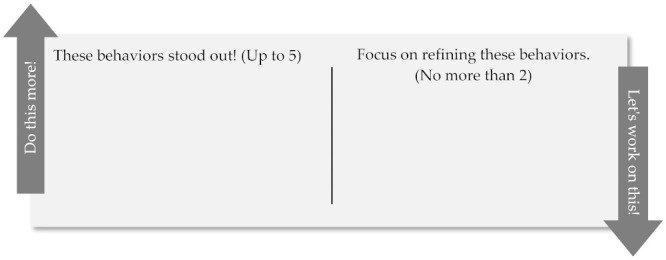 Figure 1
 Figure 2
Peer Reviews
No public reviews on file for this paper yet. If you reviewed it on a platform where reviews are public (OpenReview, ICLR, NeurIPS, ICML), you can paste yours below so the community can read it here.
Videos
No videos yet. Explain this paper in a talk, walkthrough, or lecture? Add one.
Taxonomy
TopicsNursing education and management · Hospital Admissions and Outcomes · Empathy and Medical Education
1. Introduction
It is well understood that the nurse–patient relationship is fundamental to high-quality nursing care [1]. In addition to clinical competence, nurses must exhibit strong verbal and non-verbal communication skills [2]. While communication has been widely studied, most research addresses general relational behaviors rather than the specific verbal strategies nurses use during routine tasks. Existing frameworks for patient-centered communication emphasize empathy and shared decision-making [2,3], but they provide limited guidance on what nurses should say in real time to reduce uncertainty and foster trust.
Narration of care (NOC) refers to a nurse’s ability to explain the purposes, goals, and objectives of nursing tasks as they occur. Unlike broader communication constructs, NOC focuses on real-time narration of procedures and environment to enhance patient understanding and comfort. This definition of NOC should not be confused with the Nursing Outcomes Classification, an outcome measurement system that shares the same acronym but differs entirely in purpose and scope. Although NOC is recognized as important, few studies have examined structured approaches to teaching it or evaluating its integration into practice. A companion article describes the development of a NOC framework [4]. This article examines its implementation and observed changes during rollout.
We implemented a discussion-based course designed to teach nurses and patient care assistants (PCAs)—collectively referred to as nursing staff—how to effectively narrate care. Outcomes were assessed through
Course evaluations (staff feedback and self-reported learning);Hospital Consumer Assessment of Healthcare Providers and Systems (HCAHPS) scores (pre–post comparisons across seven hospitals);Practice observations (to assess NOC behaviors and identify improvement opportunities).
Our evaluation was guided by Kirkpatrick’s framework [5]: Level 1 (learner reactions) and Level 2 (knowledge gains) were assessed through course evaluations; Level 3 (behavioral change) through structured observations; and Level 4 (organizational outcomes) through HCAHPS comparisons. While communication training programs often focus on knowledge gains alone [6], few link training to organizational outcomes, and those that do rarely address narration of care specifically.
HCAHPS was selected because it is a widely used patient-experience measure in U.S. hospitals. Domains related to communication and care transitions align with NOC principles, while cleanliness and restfulness may reflect perceived attentiveness and environmental narration. However, HCAHPS has limitations: scores are aggregated at the hospital level, influenced by multiple initiatives, and may not isolate the effect of a single intervention. These considerations informed our interpretation of findings.
Table 1 summarizes the NOC framework and course content, which are essential for understanding project outcomes. The framework consists of five principles represented by the acronym RECAP: reduce uncertainty, explain the environment, maintain calm, assume nothing, and personalize connections.
2. Methods
2.1. Study Design
We used a mixed-methods, pre–post implementation design to evaluate changes associated with a discussion-based course on narration of care (NOC). Quantitative data included Hospital Consumer Assessment of Healthcare Providers and Systems (HCAHPS) (Baltimore, MD, USA) scores and structured observations of nurse–patient interactions [7]. Qualitative data included free-text responses from course evaluations. Data were collected in parallel and integrated during interpretation to contextualize quantitative trends.
The primary outcome was a change in HCAHPS communication domain scores. Secondary outcomes included course evaluations (learner reactions and self-reported knowledge and skill gains) and observed NOC behaviors. We hypothesized that course implementation would coincide with improved patient experience scores and increased use of NOC behaviors.
The course was rolled out across seven hospitals over six months (February–August 2023). Pre-intervention baseline (calendar year 2022) and post-intervention follow-up (calendar year 2024) were selected to reduce seasonal variation and allow time for practice uptake, though this introduces potential confounding by secular trends and concurrent initiatives. The design did not include a control group or phased rollout. Findings should be interpreted in this context. Given the quality-improvement nature of the project, no formal sample size calculation or power analysis was performed, and analyses were exploratory.
The hospital review board determined this project would not be regulated as human subject research. All data were aggregated and de-identified prior to analysis.
2.2. Population and Setting
This project took place within a quaternary medical system in Houston, Texas, comprising one academic medical center (>1386 beds) and six community hospitals (200–500 beds each). The turnover rate for this hospital system is 12.7% for medical–surgical nurses, with two hospitals experiencing 2% and 3% lower rates of turnover, respectively, compared to the other five hospitals. All hospitals have a 5:1 patient-to-nurse ratio for medical-surgical units. There were no significant changes in nursing workflows or staffing ratios during this project period.
The intervention targeted nurses and patient care assistants (PCAs) working on medical–surgical inpatient units. Exclusion criteria included outpatient nursing staff, nurse executives, critical care nurses, and research administrative staff who do not provide direct bedside care. Across the seven hospitals, patient and nurse demographics were broadly similar, and baseline HCAHPS performance was comparable system-wide. Contextual factors during the project period included concurrent patient experience and nursing initiatives, which may have influenced feasibility and outcomes.
Although HCAHPS is aggregated at the hospital level, it predominantly reflects experiences on medical–surgical units, which were the primary focus of our project. Only a small proportion of responses come from mother–baby units and Intensive Care Units (ICUs), which were not part of the intervention, so we expect minimal attribution concerns related to unit-level mismatch.
2.3. Instruments
The course evaluation survey was locally developed by nurse education administrators and not psychometrically validated, as is typical in formative quality improvement projects. The results should be interpreted as descriptive feedback. Two questions assessed perceived improvement in knowledge and skill:
- “How much has your knowledge on narration of care increased as a result of this offering?”
- “How much has your skill of narrating care increased as a result of this offering?”
Responses used a 5-point Likert scale (ranging from not increased to greatly increased). These questions are part of the standardized evaluation form required by the continuing nursing education program, which limits the extent to which wording can be modified. Additional questions evaluated course organization, audiovisual quality, and scheduling (5-point scale: poor to excellent), likelihood of recommending the course (1–10 scale), and overall satisfaction (1–10 scale).
One free-text field asked learners to identify a new learning and describe its potential impact on performance or patient outcomes. As self-reported measures were collected exclusively post-course, results may be subject to attribution bias.
Patient experience was measured using the HCAHPS survey, a 29-question, publicly reported, government-mandated instrument [7]. Domains include nursing communication, responsiveness, care transitions, and others (see Table 2), and we evaluate impacts using aggregated scores. HCAHPS scores were analyzed using two exploratory approaches that utilize different units of analysis. In the first approach, we calculated each hospital’s pre-intervention (2022) and post-intervention (2024) scores by averaging its values across all 10 HCAHPS domains. Because these averages came from 10 domain level scores, the sample size for this analysis was n = 10. The Mann–Whitney test was then used to compare the aggregated pre- and post- implementation scores. In the second approach, we calculated each domain’s pre- and post-intervention scores by averaging the corresponding values across all seven hospitals. Because these domain level averages were based on 7 hospital specific scores, the sample size for this analysis was n = 7. Mann–Whitney tests were used again for pre- and post- implementation comparisons. Because the sample sizes are small (N = 10, N = 7), both analyses were considered exploratory, and inferential tests should be interpreted descriptively.
Practice observation was assessed using an internally developed tool created by the System Patient Experience Team (see Table 3). The tool defines the RECAP principles and uses a 5-point Likert scale to rate observed behaviors, with a free-text item for improvement suggestions. Although observers met before data collection to align scoring expectations and ensure consistency, the tool lacks a standardized rubric or anchor examples, and no formal reliability testing was conducted. We noted very little variation in numeric ratings during implementation. However, given these limitations, we elected to report only general themes from observations rather than quantitative scores.
2.4. Procedures
Course evaluation surveys were completed via QR code at the end of each class and aggregated in Microsoft Excel. Because completion of the evaluation is required for learners to receive continuing education credit, most participants complete the survey regardless of satisfaction level, reducing the likelihood of selection bias typically associated with voluntary end-of-class evaluations.
Thirty-five observers were trained through a 2 h virtual and in-person train-the-trainer session led by the lead author. Training covered what to look for during clinical observations, how to provide supportive feedback on narration skills to nursing staff, the number of observations per unit, and how to use the evaluation template (Table 3). The observation tool was digitized into a rounding app, accessible on tablets or phones during clinical encounters.
Observations were conducted randomly based on which nurses or PCAs were actively engaged in patient interactions at the time when observers approached the unit. Of all staff approached, none refused participation, and all planned observations were completed. Observers were blinded to prior performance when conducting observations, and most were unaware of unit-level HCAHPS scores. After observing 2–3 patient interactions, observers provided one-on-one verbal feedback to nursing staff outside patient rooms, typically in a quiet corner of the unit to maintain privacy.
Because observers also acted as coaches, we acknowledge the potential for observer bias and reactivity (Hawthorne effect) [8,9], as staff may have temporarily enhanced narration behaviors when being observed. These limitations were considered when interpreting findings.
2.5. Data Analysis
For HCAHPS, we compared scores from before and after NOC course implementation. The pre-implementation period was January-December 2022, and the post-implementation period was January–December 2024. These timeframes were chosen to capture a full year of data before and after implementation. Since most of 2023 was dedicated to this system-wide rollout, 2022 and 2024 served as clean pre- and post-timeframes.
HCAHPS data were analyzed using Mann–Whitney U tests with a significance threshold of p < 0.05 in R (version 4.4.1), given the small sample size (seven hospitals) and non-normal distribution of HCAHPS score proportions.
Free-text fields were analyzed using thematic analysis. Two individuals with similar professional backgrounds in patient experience—both trained in qualitative review and working within the same system—conducted the coding. Because the coders shared comparable training and roles, reflexivity concerns were minimized [10], though we acknowledge that their professional orientation toward patient experience may have influenced interpretation. Both coders independently reviewed all comments, marked salient text, and developed an inductively derived codebook consisting of major categories and subthemes. The coders used anchor quotations to refine code definitions and ensure consistent application.
Discrepancies in coding were resolved through in-person meetings in which coders discussed divergent interpretations and reached consensus on the most appropriate code. In the rare instance (one situation) when consensus was not immediately clear, a third author was consulted to adjudicate [11]. Data saturation was not a central concern given the large volume of comments. Instead, the goal was to capture the breadth of perspectives represented across all responses [12]. Interrater reliability for initial coding was calculated using percent agreement (88%), which provides descriptive insight into coder alignment but should be interpreted cautiously, given the absence of Cohen’s kappa.
3. Results
Of 8603 eligible staff (7005 eligible RNs and 1598 eligible PCAs), 5478 RNs and 1288 PCAs attended the course (85% participation), with attendance varying across hospitals (range: 77–92%). Because completing the evaluation was required for continuing education credit, evaluation response rates were higher for nursing (n = 3937/5478; 72%). On the other hand, PCAs were not required to complete the evaluation for continuing education credit, and therefore only 186 PCAs (14%) completed the course evaluation.
Most learners reported increased knowledge and skills related to narration of care. Specifically, 2971 (71%) indicated their knowledge “greatly increased,” 700 (17%) “fairly increased,” and 309 (7%) “somewhat increased,” with the remainder selecting minimal or no increase. On teaching effectiveness, 3146 (75%) rated the instruction as “extremely well taught,” 783 (19%) as “very well taught,” and 232 (6%) as “well taught.”
Regarding course organization and content, 75% rated the course “excellent” and 18% “good,” with similar ratings for schedule, format, and audiovisual quality. The likelihood of recommending the course was high, with 91% rating it 7–10 on a 10-point scale.
A total of 4188 comments were submitted. Themes reflected both reinforcements of course content and participants’ reflections on how NOC concepts intersect with their existing communication habits, professional identity, and unit culture (Table 4). Five overarching themes emerged, though subtheme variation was noted across roles and settings. Interrater reliability for initial coding was 88% (percent agreement).
- Theme 1: Eliciting and Assessing Patient Understanding
This was the most frequently referenced concept, appearing in 1945 of 4188 comments (46%). While many responses aligned with course content (e.g., teach-back), others referenced role-specific challenges, particularly among PCAs who highlighted navigating multilingual communication barriers and time constraints. Here is an illustrative quote: “By leveraging interpretative services for non-English speaking patients, I can significantly impact performance improvement by enhancing communication… and patient empowerment.”
- Theme 2: Reducing Uncertainty and Patient Anxiety
Comments related to reducing patient uncertainty or anxiety appeared in 364 of 4188 comments (9%). Nurses frequently described how pace of care, task load, or unit workflow affected their ability to reassure patients. Some reflected on how NOC could help bridge mismatches between patient expectations and clinical realities. As explained by a nurse: “I’m always trying to move quickly. I learned that spending a few more minutes explaining the plan for the day, and asking for [the patient’s input] can help ease their anxiety.”
- Theme 3: Presence, Listening, and Attentiveness
This theme appeared in 148 comments (4%), with greater representation among nurses newer to the system and PCAs who described balancing task-oriented responsibilities with relational communication. As one nurse wrote: “The course reminded me to slow down and turn attention toward the family, too.”
- Theme 4: Building Personal Connections
Personal connection was noted in 120 comments (3%) and often reflected individual communication styles, cultural background, or unit culture. As one nurse explained, “When I take the time to explain to patients what, when, and how things are being done, this can build rapport and connection.”
- Theme 5: Perceived Lack of Relevance for Experienced Nurses
There were 43 comments (1%) suggesting that experienced nurses felt the course was most relevant for newer, less experienced clinicians. These comments often cited the fact they felt they regularly employed the strategies we outlined in the course, such as, “This course was more of a review of common practices that I already use,” or “I already incorporate everything learned in this class in my daily practice.” Of note, even these comments that suggested non-relevance often expressed appreciation for a refresher course or examples they had not previously entertained, as explained by this nurse: “Most of the course was reiterating education I already have, but one thing I was reminded about was to make sure I am providing a rationale and always ask for permission before beginning a task that required touching or movement.”
HCAHPS Comparisons. HCAHPS domain sample sizes increased from 2022 to 2024 across all measures. In 2022, sample sizes ranged from about 13,800 to 23,300, depending on the month. By 2024, they had grown to roughly 20,100 to 29,400. Despite these increases, overall survey response rates and patient demographic characteristics remained stable between the two periods, indicating no meaningful changes in patient mix.
Five domains improved significantly post-implementation: care transitions (4.6, p = 0.001), cleanliness (3.9, p = 0.024), communication about medications (2.3, p = 0.042), discharge communication (2.7, p = 0.002), and restfulness (2.5, p = 0.015) (see Table 5). We can see a wide confidence interval for the tests conducted by hospital (N = 10 domains), showing there may be factors that may need to be considered. However, the tests by domain (N = 7 hospitals) show a narrower confidence interval, as well as significant p-values (Table 5). In addition to the five domains that improved significantly post-implementation, we examined changes in the nurse communication domain, which is conceptually most aligned with NOC. Nurse communication scores increased by 0.99 points post-intervention; however, this change was not statistically significant. Less than 1% of responses came from mother–baby units and ICUs, which were not part of the intervention. Therefore, there were minimal attribution concerns related to unit-level mismatch.
Practice Observation: In total, 1281 observations were conducted, meaning 1281 nurses or PCAs were evaluated by 35 trained observers in nurse–patient interactions. This represented 26% of the hospital system’s nursing staff workforce during the project period, though some individuals (fewer than 10) may have been evaluated more than once.
Observers frequently noted use of NOC-aligned behaviors, particularly related to reducing uncertainty (R), maintaining a calm and sincere demeanor (C), and developing personal connections (P). Interrater reliability on the free-text comments was 90%. Opportunities for improvement focused on nuances of RECAP and missed opportunities (see Table 6). For example, while often positive, observers noted that task-driven behavior sometimes limited meaningful engagement, especially with highly talkative patients (personal connection or the P in RECAP). Routine IV-related tasks (e.g., flushes, occluded lines, medication changes) were occasionally performed without explanation, assuming patient familiarity, which is the principle of assume nothing (A).
4. Discussion
There is consensus that clinicians’ communication skills can be improved with the right training and right teachers, owing to a large body of available descriptive research [13,14,15,16]. However, little research has been done on course implementation and outcomes beyond the use of simulated patients [14,17,18]. Most courses evaluating nursing communication skills have focused exclusively on standardized patients or simulation methodologies, like role play or the use of manikins. Outcome assessments focus on knowledge gains. Few communication skills courses have evaluated outcomes from patients’ perspectives or examined organizational-level metrics. Further confounding matters, little association has been found between the number or quality of the courses nurses take and their own confidence and competence in nursing–patient communication [19,20].
We sought to address this gap using a combination of objective and subjective measurements. By adding a patient-centered objective dimension of HCAHPS (one that was not dependent on self-assessments or faculty-designed measurement instruments), we could have confidence that the course had some positive impacts on patients, not just nurses [21]. This is one way our work is innovative and contributes to the existing literature. Moreover, by adding an observation component—observing whether and how NOC practices were incorporated into nurse–patient clinical encounters in actual practice—we incorporated an additional dimension that explored whether and how practice was changed because of the program, adding a level of practicality and sustainability not previously examined.
5. Interpretation of Results
The most salient finding was that patient-centered outcomes and organizational metrics showed generally positive trends over the course of implementation. However, because the project design does not allow the course to be isolated as the causal factor, these patterns should be interpreted as associations rather than evidence of effectiveness.
With that in mind, several of the observed improvements aligned with domains that were emphasized in the course: communication about medications, discharge education, and care transitions. Course case studies focused on explaining medication purposes and side effects, offering choices in medication routines, narrating the discharge process, and clarifying steps involved in transitions between care settings. These elements parallel the areas in which HCAHPS scores improved, though we cannot determine whether the course directly contributed to these changes.
In contrast, improvements in the restfulness and cleanliness domains were not anticipated. We offered possible explanations based on course content, such as setting expectations for nighttime interruptions or explaining clutter removal, but it is important to note that we did not measure whether participants implemented these practices, nor did we collect qualitative data on patient perceptions in these areas. As a result, any linkage between course content and improvements in these domains should be considered hypothesis-generating.
Nurse communication scores also warrant a nuanced interpretation. While nurse communication is indeed a complex, multidimensional concept that may not be fully addressed by a single training, several additional factors may have contributed. First, HCAHPS nurse communication items may not be tightly aligned with the specific behaviors targeted in the course. Second, many units began the project period with already-high baseline scores, raising the possibility of ceiling effects that limited room for detectable improvement [22,23,24]. Finally, concurrent organizational initiatives or shifts in patient acuity period may have influenced scores in ways unrelated to the course.
Another key finding is that the course produced inconsistent changes in observable behavior, with no clear pattern across units or hospitals. This aligns with the prior literature indicating that increased knowledge does not reliably translate into behavioral change in clinical settings. Although nurses reported intentions to apply responsiveness strategies, such as unpacking patient concerns or explaining the steps they would take to address an issue, observers still noted instances in which patient concerns (e.g., pain) elicited passive responses that lacked explanation or follow-through. This discrepancy suggests that even when nurses value and understand these practices, contextual barriers such as competing priorities, workload strain, clinical demands, or cultural norms within units may constrain their use [24]. Future work should examine these contextual factors systematically to better understand what supports or inhibits sustained adoption.
Comparison with the Literature
Nursing staff reported knowledge gains after course delivery, consistent with previous research on nurse–patient communication training [25,26,27]. Participants also expressed high satisfaction with the course and intended to integrate the strategies into practice, aligning with findings from other communication skills interventions [28]. However, unlike many prior studies, we were able to observe changes in practice during the implementation period. Importantly, we do not claim that this approach is unique within the full landscape of communication improvement efforts. Rather, our contribution lies in demonstrating how structured observation and coaching can function within a large health system.
A key element of the implementation was the use of trained observers who also served as communication coaches. While this approach offers advantages—such as enabling real-time, behavior-specific feedback and providing a consistent framework for identifying effective communication behaviors—it also carries methodological trade-offs. The dual role of observer–coach may introduce potential observer bias or loss of independence, and the presence of observers may contribute to Hawthorne effects, in which staff temporarily modify their behavior because they are being watched [8,9]. These limitations should be considered when interpreting the behavioral data, and future research may benefit from separating the observation and coaching functions.
Through observational data, we found that some strategies nurses intended to use were not fully realized in practice. While the existing literature on task-focused care offers one plausible explanatory framework [29,30,31,32], interpretation should be situated in the context of this health system. Multiple factors—such as workload pressures and competing demands—may have influenced the degree to which nurses were able to apply the strategies consistently. Anecdotal comments from observers and unit leaders suggest that nurses often had limited time for in-depth communication during peak activity periods. Understanding how workload and unit-level priorities interact with communication behaviors will be an important direction for future inquiry.
6. Limitations
The pre–post, uncontrolled quality improvement design limits causal inference, and the use of 2022 and 2024 as comparison years introduces potential confounding from concurrent initiatives and broader system-level changes. HCAHPS scores are aggregated at the hospital level, which includes units outside the intervention scope and may dilute measurable effects from medical–surgical units. It is not possible to make an assertive claim that the NOC course was solely responsible for improvements in HCAHPS, given that this project was a pre–post-implementation comparison and not a randomized trial [33]. A randomized, controlled trial might have been the purest way of assessing the impacts of a singular intervention [34], but such a method is not operationally feasible in quality improvement projects such as this where all nurses receive training. The lack of a control group and random sampling weakens generalizability.
A second limitation is the lack of systematic analysis of sustainment practices. While we can anecdotally report that HCAHPS outcomes after one year of intervention are similar to those at six months, we cannot confirm that the course caused this sustainment or identify the factors contributing to it.
The course evaluation data were based on self-report measures collected post-training only and relied on a standardized continuing education survey format, which restricts item modification. Third, the observation tool used to assess practice observation was internally developed without formal validation or standardized scoring anchors. Although observers met to align scoring expectations and demonstrated minimal variation during implementation, numeric ratings were not subjected to interrater reliability testing and are therefore not reported. Additionally, observers served both evaluative and coaching roles, creating the potential for observer bias, and staff awareness of being observed may have temporarily enhanced NOC behaviors (Hawthorne effect). The qualitative analysis, while conducted by coders with similar training and backgrounds that helped reduce reflexivity concerns [10] relied on percent agreement (88%) and did not explicitly aim for data saturation given the large volume of comments.
A further limitation relates to the composition of the evaluation and observation samples. The course evaluations were completed primarily by registered nurses, and the majority of practice observations were also conducted with nurses. Unfortunately, observers did not record whether they were observing nurses or PCAs. Because RNs and PCAs have distinct scopes of practice and role expectations, this imbalance limits direct comparability between self-reported outcomes and observed behaviors. Many of the findings, particularly those related to clinical decision-making, communication of care plans, and integration of narrative opportunities into nursing workflow are therefore most applicable to RNs. We chose not to exclude PCAs from the analysis because, although representing a smaller dataset that limits generalizability, they engaged in similar forms of environmental and situational narration, and their course evaluation feedback reflected intentions to apply many of the same strategies as nurses. Nonetheless, the role variation between groups should be considered when interpreting the findings.
These limitations should be considered when interpreting the findings, which are intended to inform ongoing system quality improvement.
Strengths
This project also has several notable strengths. It was implemented across a large, diverse, multi-hospital system, enhancing the validity and practical relevance of findings. The evaluation design incorporated multiple data sources, including learner feedback, structured observations, and hospital-level patient experience metrics, providing a broad, multi-level understanding of how narration-of-care practices were received and enacted in real clinical environments. The use of Kirkpatrick’s framework [5] enabled an organized assessment across reaction, learning, behavior, and organizational levels, which is uncommon in studies of nursing communication training.
Additionally, the inclusion of direct practice observations offered insight into real-time bedside communication behaviors, an area often overlooked in nursing education research. The qualitative analysis was conducted by coders with similar professional training, reducing interpretive variability, and the large number of course participants and observations strengthens confidence in the representativeness of the findings. Finally, the project was fully integrated within routine clinical operations, demonstrating feasibility and sustainability for large-scale quality-improvement efforts aimed at enhancing patient-centered communication.
7. Conclusions
The findings from this quality improvement project demonstrate positive associations between the implementation period of the NOC course and several patient-centered and organizational outcomes. The qualitative and quantitative data provide insights into how NOC-aligned behaviors may function in practice, as well as where implementation challenges persist.
Several HCAHPS domains improved during the project period. They highlight areas in which communication-focused interventions may hold promise and inform priorities for ongoing practice development. For example, recurring gaps identified through observations, particularly around escalation of pain and comfort needs, logically guide the content of our next steps. In response, we plan to develop targeted “refresh” training and structured huddle-based case discussions that directly address the specific communication challenges nurse leaders continue to observe in real time. These planned activities are therefore informed by, but not justified by, the current findings. They represent iterative adaptations consistent with continuous quality improvement.
Given the limitations of this project, future research is essential. Multi-site or experimental studies will be particularly important for determining whether NOC practices can produce measurable improvements under more rigorous conditions. Additionally, future work should capture unit-level contextual variables such as staffing and workload and examine longitudinal sustainability of communication behaviors. This project represents an initial step in a broader program of inquiry into the NOC approach, providing foundational insights to guide more definitive studies.
The reference list from the paper itself. Each links out to its DOI / PubMed record.
- 1Feo R. Conroy T. Wiechula R. Rasmussen P. Frensham L. Kitson A. Instruments measuring behavioral aspects of the nurse-patient relationship: A scoping review protocol JBI Database Syst. Rev. Implement. Rep.2018161939194610.11124/JBISRIR-2017-00365129912721 · doi ↗ · pubmed ↗
- 2Peplau H.E. Peplau’s theory of interpersonal relations Nurs. Sci. Q.19971016216710.1177/0894318497010004079416116 · doi ↗ · pubmed ↗
- 3Peplau H.E. Interpersonal relations: A theoretical framework for application in nursing practice Nurs. Sci. Q.19925131810.1177/0894318492005001061538849 · doi ↗ · pubmed ↗
- 4Bruce C.R. Zuniga-Georgy N.N. Way N. Sosa L. Javaluyas E. Williams T.L. Vozzella G. Developing and implementing a narration of care framework to teach nurses when and how to narrate care Nurs. Rep.20251524410.3390/nursrep 1507024440710939 PMC 12299091 · doi ↗ · pubmed ↗
- 5Kirkpatrick J.D. Kirkpatrick W.K. Kirkpatrick’s Four Levels of Training Evaluation ATD Press Alexandria, VA, USA 2016
- 6NexøM.A. Kingod N.R. Eshøj S.H. Kjærulff E.M. Nørgaard O. Andersen T.H. The impact of train-the-trainer programs on the continued professional development of nurses: A systematic review BMC Med. Educ.2024243010.1186/s 12909-023-04998-438178050 PMC 10768131 · doi ↗ · pubmed ↗
- 7Hospital Consumer Assessment of Healthcare Providers and Systems. Centers for Medicare & Medicaid Services Available online: http://www.hcahpsonline.org(accessed on 21 January 2026)
- 8Landsberger H.A. Hawthorne Revisited: Management and the Worker, Its Critics, and Developments in Human Relations in Industry Cornell University Ithaca, NY, USA 1958