18F-FDG PET-CT- vs. CT-Based Radiotherapy Treatment Planning for Head and Neck Cancer
Admir Mulita, Eleni Bekou, Pipitsa Valsamaki, Ioannis M. Koukourakis, Francesk Mulita, Elias Liolis, Athanasios Zissimopoulos, Alexandra Giatromanolaki, Michael I. Koukourakis

TL;DR
This study shows that using PET/CT instead of CT improves radiotherapy planning for head and neck cancer by better identifying tumors and lymph nodes.
Contribution
The study demonstrates that PET/CT-based planning leads to better tumor coverage and personalized treatment strategies in head and neck cancer patients.
Findings
PET/CT increased T-stage in 11.8% and N-stage in 33.3% of patients.
PET/CT improved PTV coverage for primary tumors and nodal regions in 37.2% and 33.3% of cases, respectively.
PET/CT revealed distant metastases in 9.8% of patients, altering treatment plans.
Abstract
Background/Objectives: Precise staging and tumor delineation are essential for optimizing treatment and enhancing outcomes of radiotherapy (RT). While computed tomography (CT)-based RT remains standard, fluorine-18-fluorodeoxyglucose positron emission tomography/computed tomography (18F-FDG PET/CT) offers improved detection of primary and nodal disease. This study investigates the role of PET/CT in RT planning of HNSCC. Methods: Fifty-one HNSCC patients underwent radical volumetric modulated arc RT with concurrent cisplatin chemotherapy in a prospective study. Two RT plans per patient were sequentially created by a single oncologist using CT-only and PET/CT data, respectively. Planning target volumes (PTVs) for primary and nodal regions were independently defined, and dose–volume histograms were analyzed and compared. Results: PET/CT significantly affected TNM staging, increasing the…
Genes, proteins, chemicals, diseases, species, mutations and cell lines named across the full text — each resolved to its canonical identifier and authoritative record.
Click any figure to enlarge with its caption.
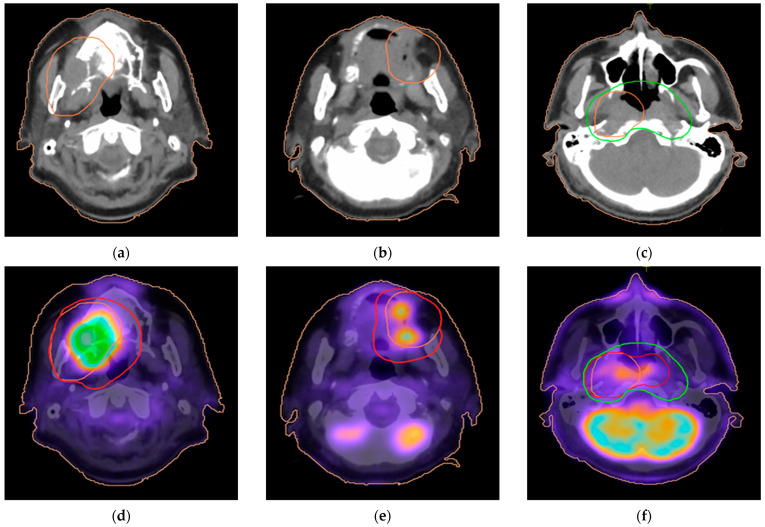 Figure 1
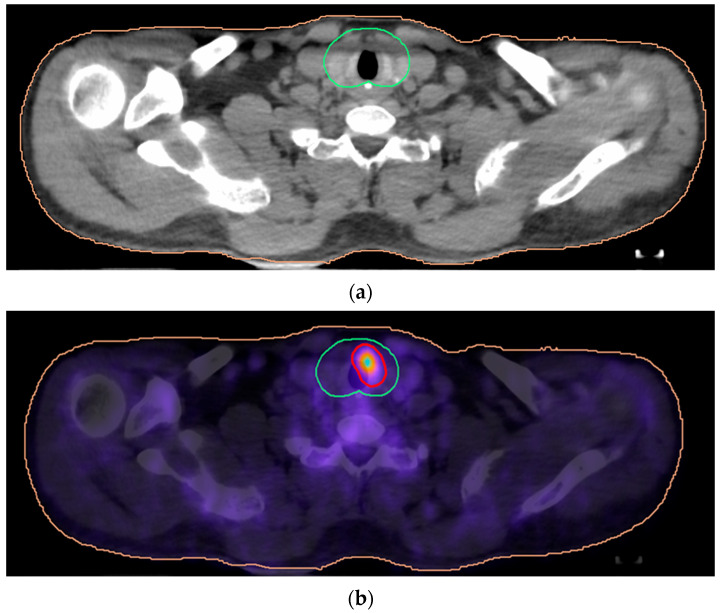 Figure 2
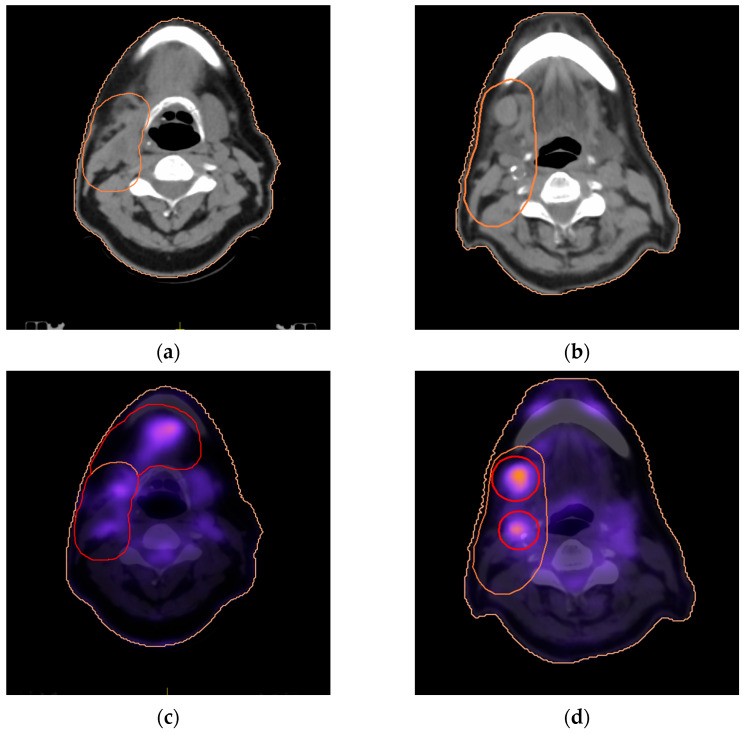 Figure 3
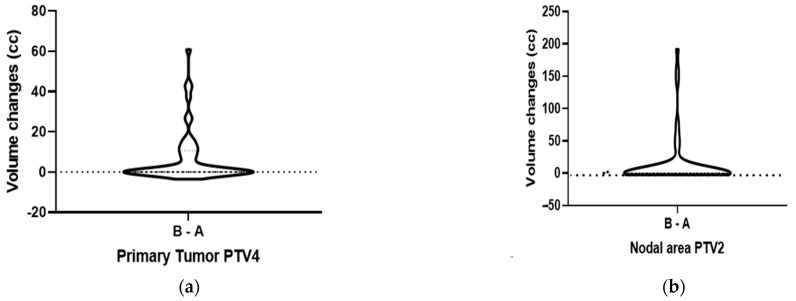 Figure 4
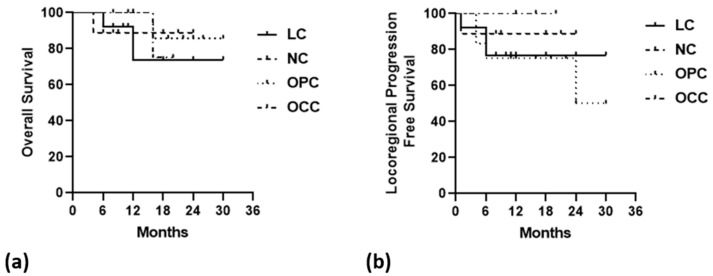 Figure 5
Peer Reviews
No public reviews on file for this paper yet. If you reviewed it on a platform where reviews are public (OpenReview, ICLR, NeurIPS, ICML), you can paste yours below so the community can read it here.
Videos
No videos yet. Explain this paper in a talk, walkthrough, or lecture? Add one.
Taxonomy
TopicsHead and Neck Cancer Studies · Brain Metastases and Treatment · Esophageal Cancer Research and Treatment