Mismatch Repair Protein and Microsatellite Instability Analysis in Pancreatic Ductal Adenocarcinoma
Ioan Cătălin Bodea, Andra Ciocan, Florin Vasile Zaharie, Radu Vidra, Ștefan Ursu, Răzvan Alexandru Ciocan, Răzvan George Bogdan, Sorana D. Bolboacă, Filip Cristian Tocoian, Bobe Petrushev, Roxana Liana Popa, Nadim Al Hajjar

TL;DR
This study examines mismatch repair proteins in pancreatic cancer to identify patterns linked to prognosis and tumor characteristics.
Contribution
The study identifies MMR deficiency and MSI-H status as novel prognostic biomarkers in pancreatic ductal adenocarcinoma.
Findings
MMR deficiency and MSI-H status were found in 6.6% of PDAC patients, associated with younger age and distinct tumor features.
Isolated MutS and MutL complex losses were observed in 12.3% and 15.1% of cases, respectively.
HER3 positivity was more common in intermediate MutL cases compared to HER2 positivity.
Abstract
Introduction: Pancreatic ductal adenocarcinoma (PDAC) represents one of the most aggressive, heterogeneous, and lethal malignancies in humans. Mismatch repair (MMR) proteins constitute a fundamental component of the DNA mismatch repair pathway, which is responsible for correcting replication-associated errors, including incorrect base pairings and small insertions or deletions. This study aims to evaluate the immunohistochemical expression of MSH2, MSH6, MLH1, and PMS2 in resected PDAC and to analyze their association with pTNM stage, perineural and lymphovascular invasion, HER2 and HER3 expression, and tumor volume. Methods: A cohort of 106 patients with currative intent Whipple procedure was evaluated, their corresponding paraffin blocks and slides were analyzed using tissue microarray. Immunohistochemical analysis of MLH1, PMS2, MSH2, and MSH6 was performed. Patients were grouped…
Genes, proteins, chemicals, diseases, species, mutations and cell lines named across the full text — each resolved to its canonical identifier and authoritative record.
Click any figure to enlarge with its caption.
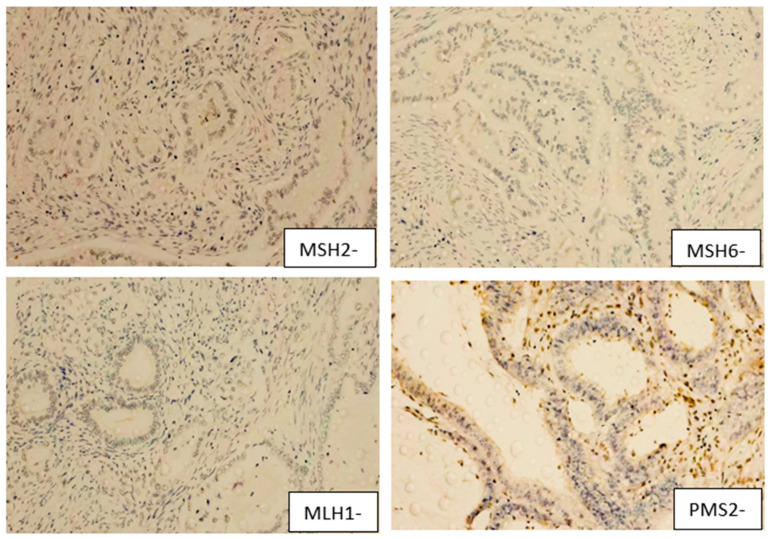 Figure 1
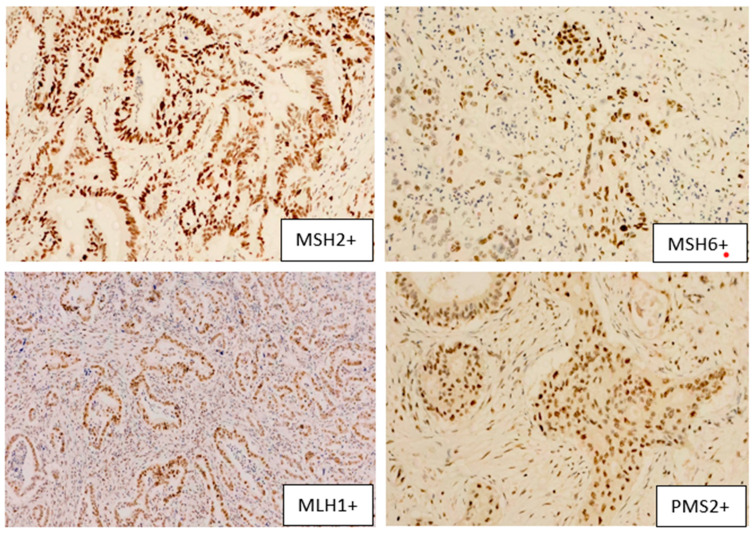 Figure 2
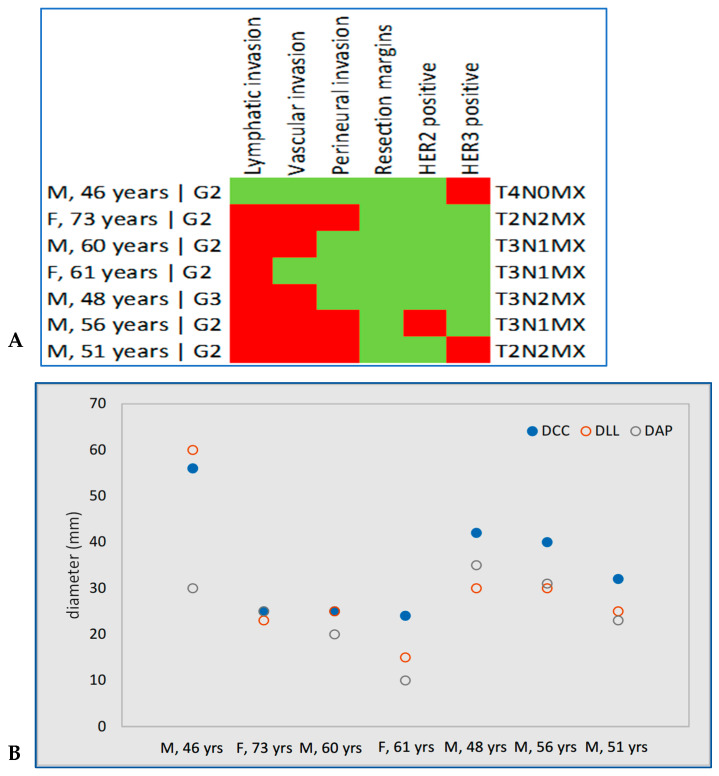 Figure 3
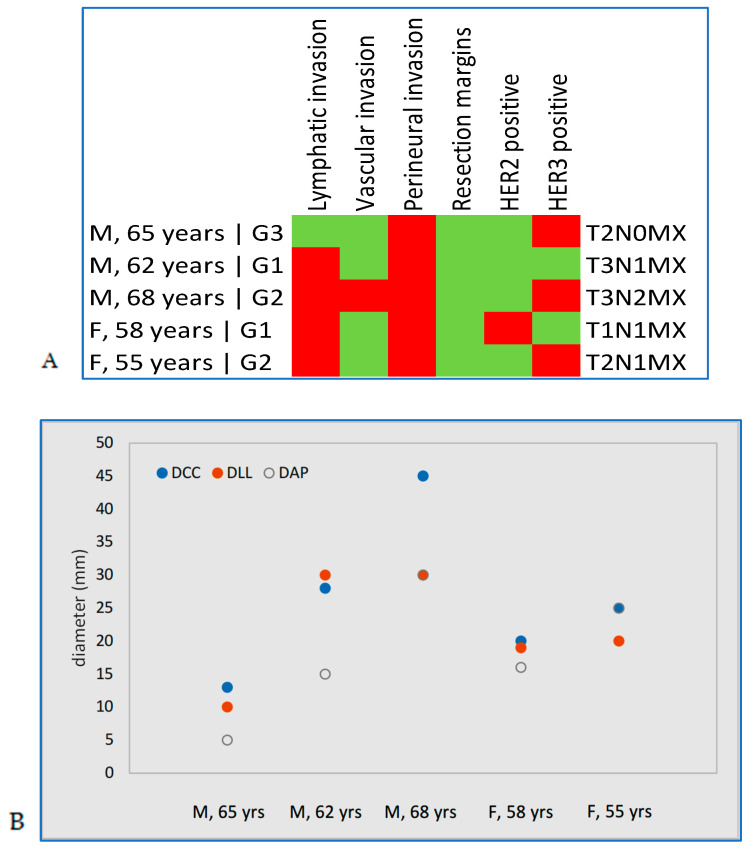 Figure 4
Peer Reviews
No public reviews on file for this paper yet. If you reviewed it on a platform where reviews are public (OpenReview, ICLR, NeurIPS, ICML), you can paste yours below so the community can read it here.
Videos
No videos yet. Explain this paper in a talk, walkthrough, or lecture? Add one.
Taxonomy
TopicsGenetic factors in colorectal cancer · Multiple and Secondary Primary Cancers · Genomic variations and chromosomal abnormalities