Biomechanical Comparison of Three Fixation Constructs for Tile Type C1.2 Pelvic Ring Fractures: A Finite Element Analysis
Adrian Claudiu Carp, Bogdan Veliceasa, Dmour Awad, Alexandru Filip, Mihaela Perțea, Norin Forna, Bogdan Puha, Ștefan Dragoș Tîrnovanu, Mihnea Theodor Sîrbu, Silviu Dumitru Pavăl, Paul Dan Sîrbu

TL;DR
This study compares three surgical methods for fixing Tile type C1.2 pelvic fractures using computer modeling to determine which provides the best stability.
Contribution
The study introduces a finite element analysis comparing three fixation constructs for Tile C1.2 pelvic fractures, revealing biomechanical differences in stability.
Findings
The iliosacral screw construct showed the lowest displacement and highest stiffness under vertical loads.
The transiliac plate construct had larger displacements compared to the iliosacral screw.
The anterior reconstruction plate provided intermediate stability but higher joint stresses.
Abstract
Fractures of the pelvic ring are among the most severe injuries in orthopaedic practice and Tile type C lesions are characterized by complete disruption of the posterior arch with both vertical and rotational instability. The optimal construct for posterior ring fixation remains a matter of debate. The aim of this study was to compare, by means of finite element analysis, the biomechanical performance of three different methods of osteosynthesis for Tile type C1.2 pelvic ring fractures: a transiliac plate, one iliosacral screw and two anterior reconstruction plates on the sacroiliac joint. A three-dimensional model of an intact pelvis was reconstructed from computed tomography images of a healthy adult male. A Tile type C1.2 injury pattern was created virtually, and three fixation constructs were designed in Ansys SpaceClaim according to manufacturer specifications. All materials were…
Genes, proteins, chemicals, diseases, species, mutations and cell lines named across the full text — each resolved to its canonical identifier and authoritative record.
Click any figure to enlarge with its caption.
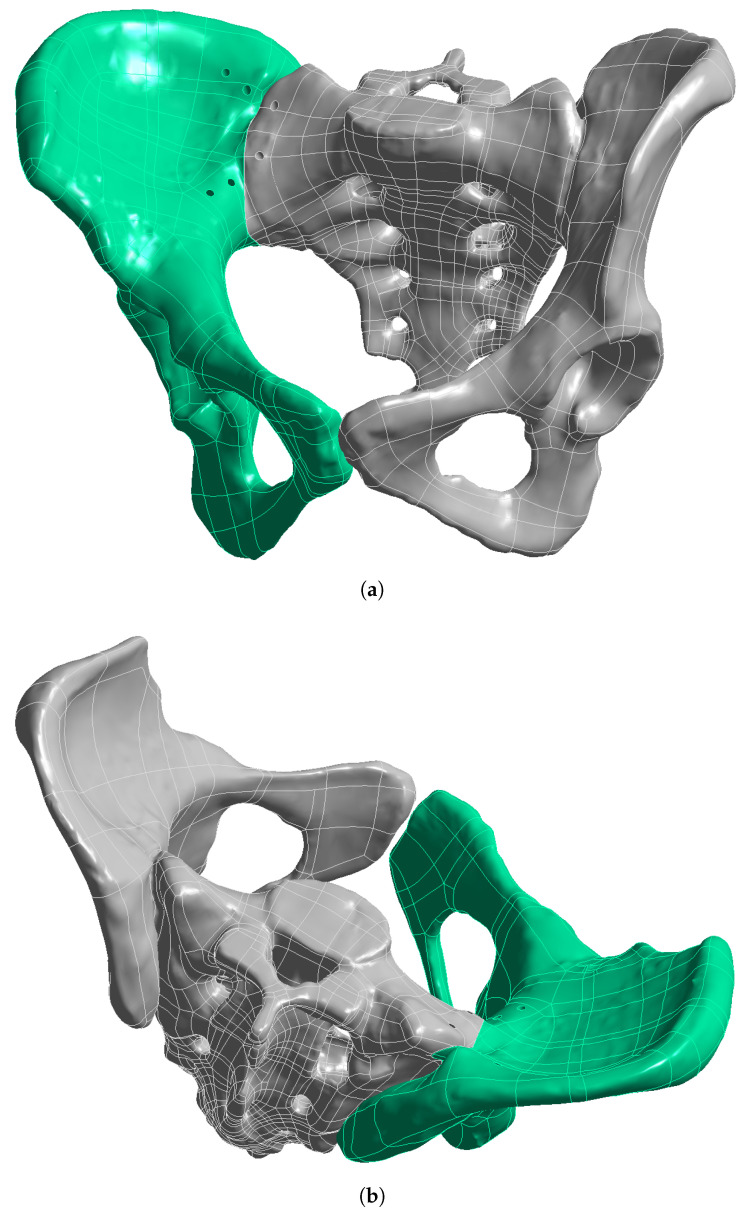 Figure 1
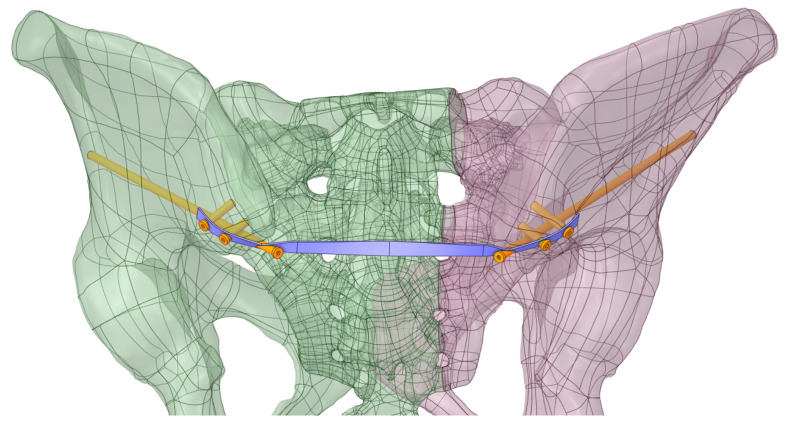 Figure 2
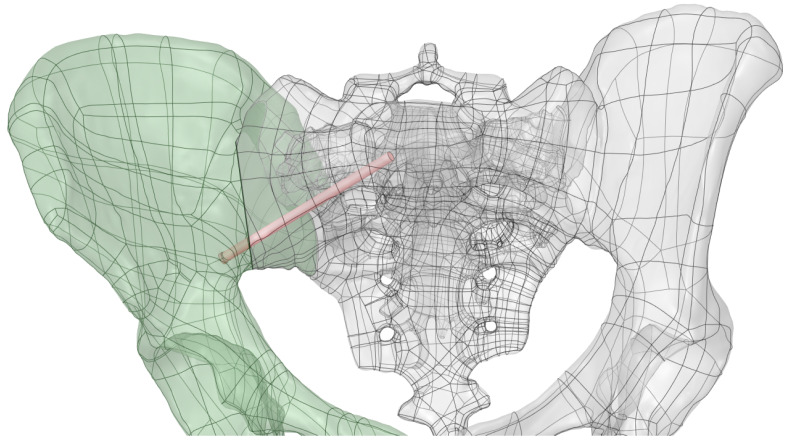 Figure 3
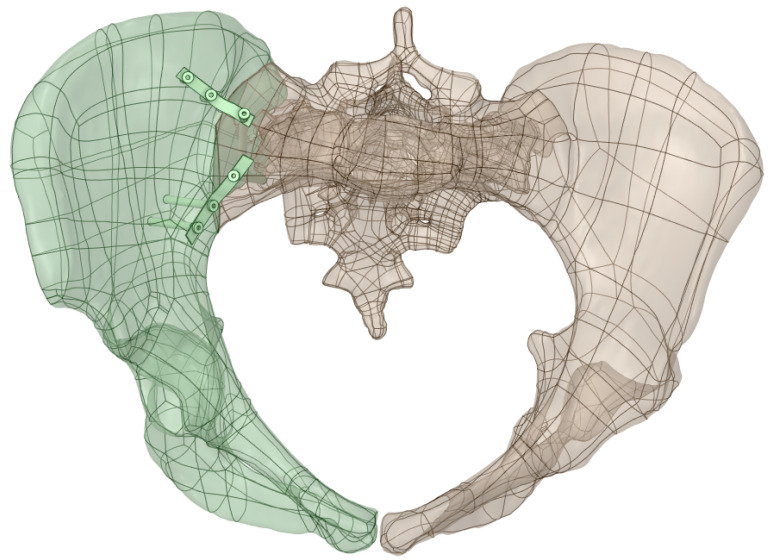 Figure 4
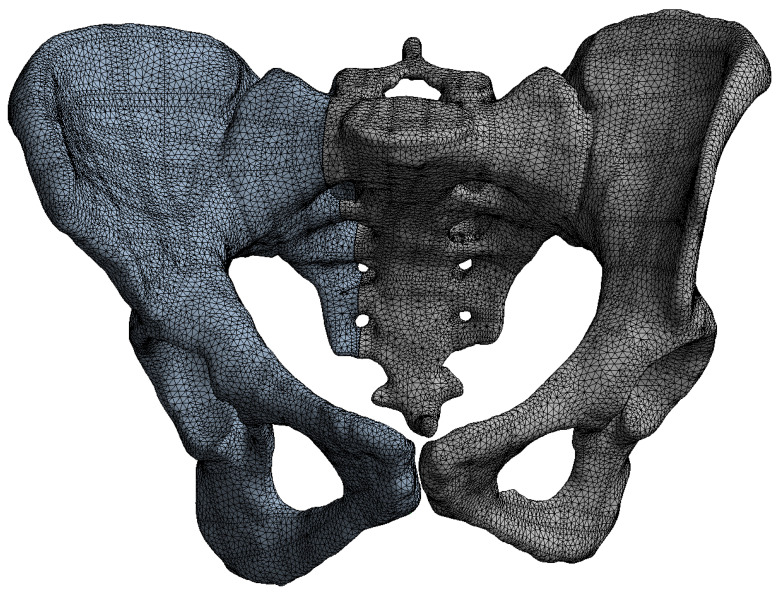 Figure 5
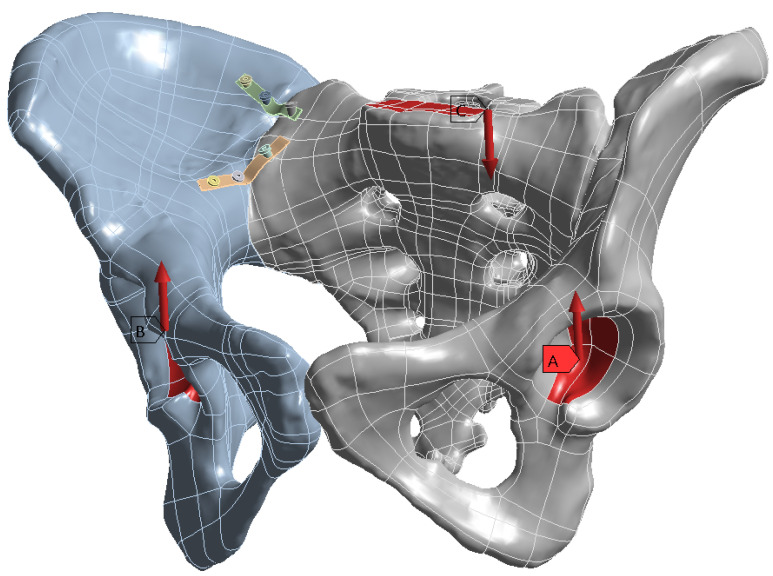 Figure 6
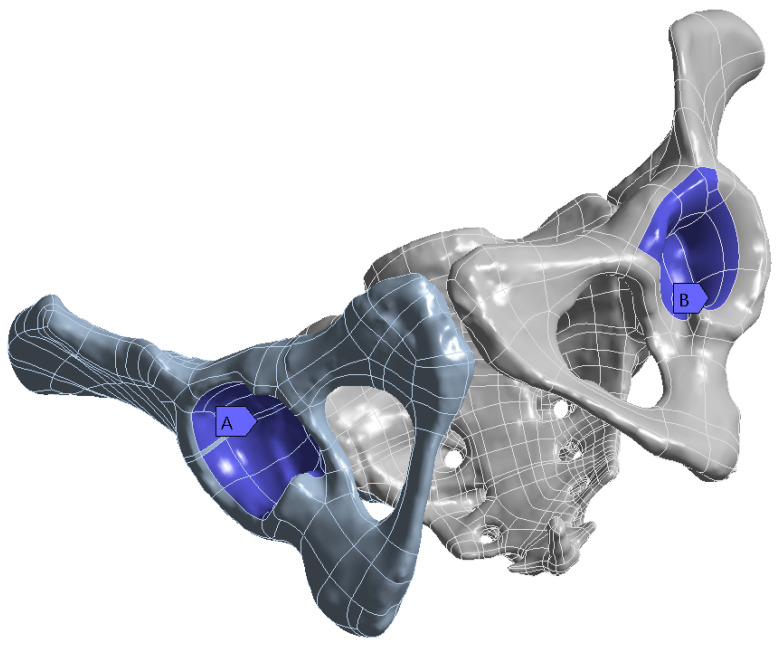 Figure 7
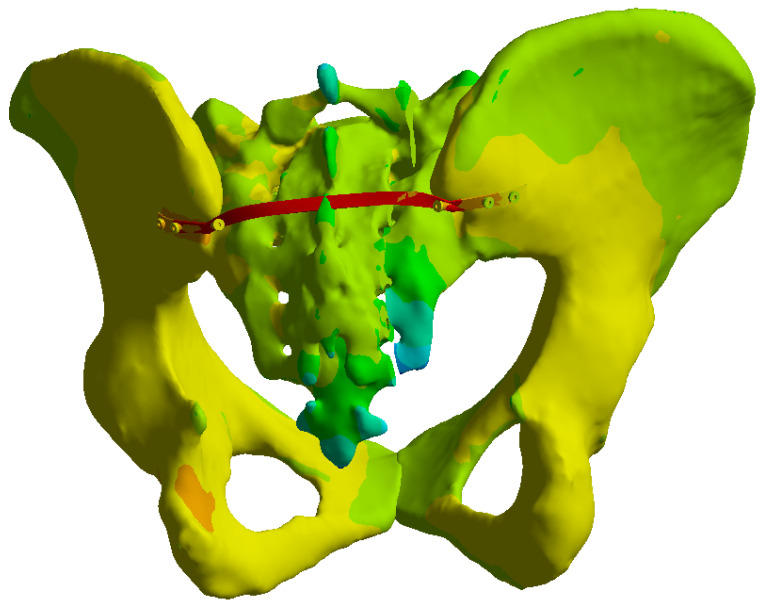 Figure 8
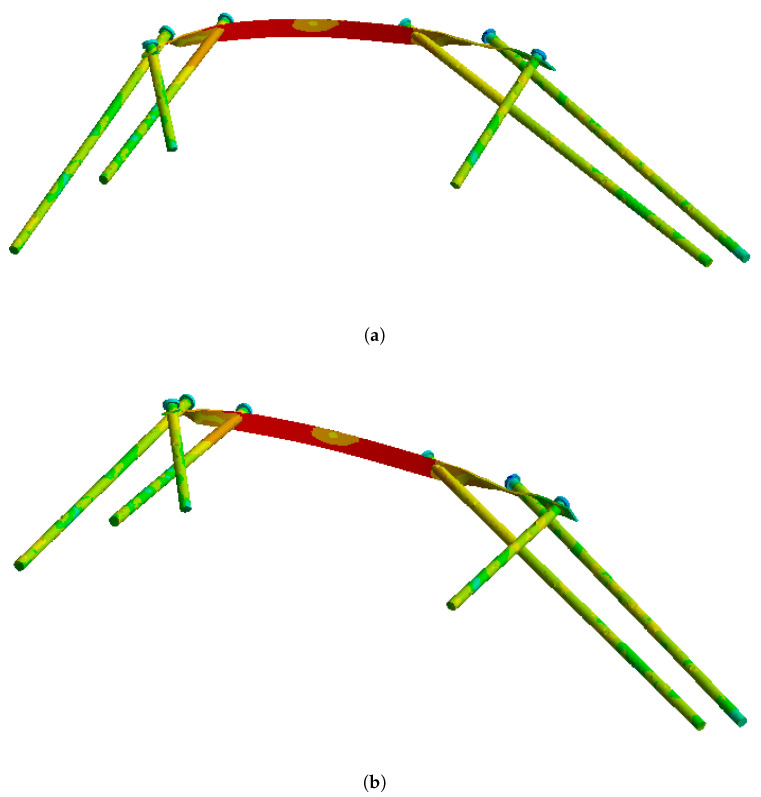 Figure 9
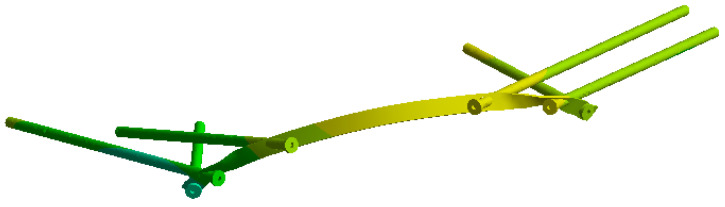 Figure 10
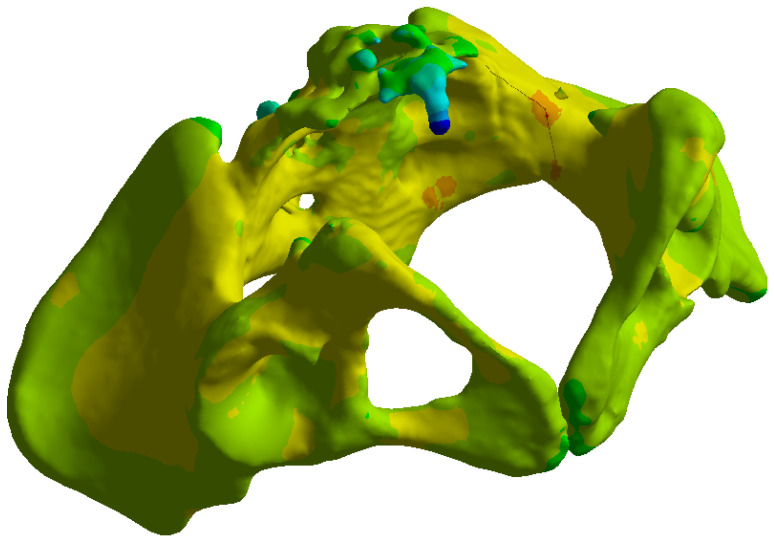 Figure 11
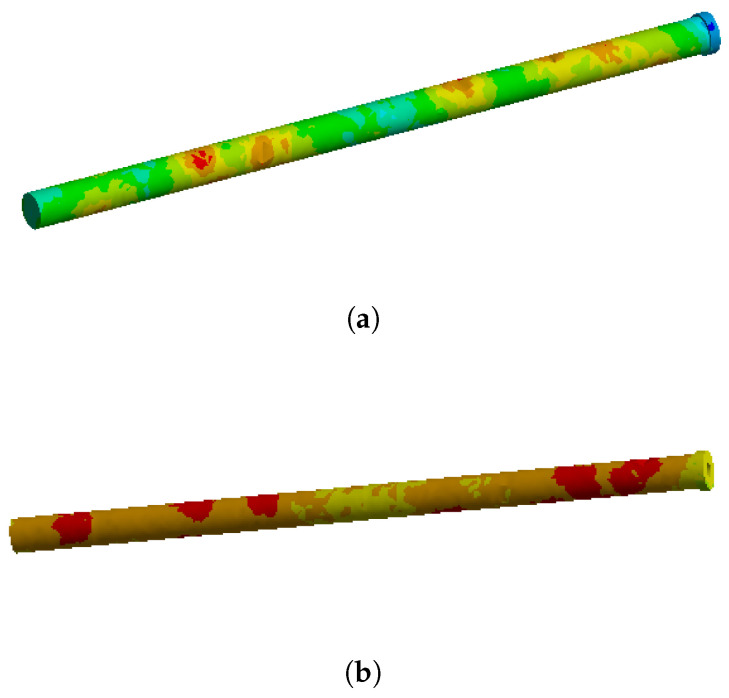 Figure 12
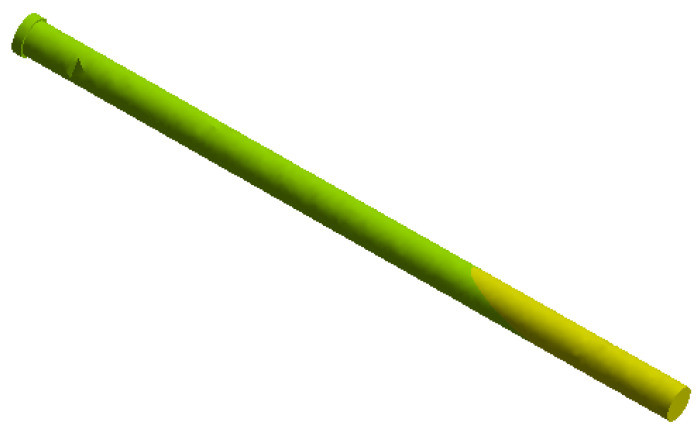 Figure 13
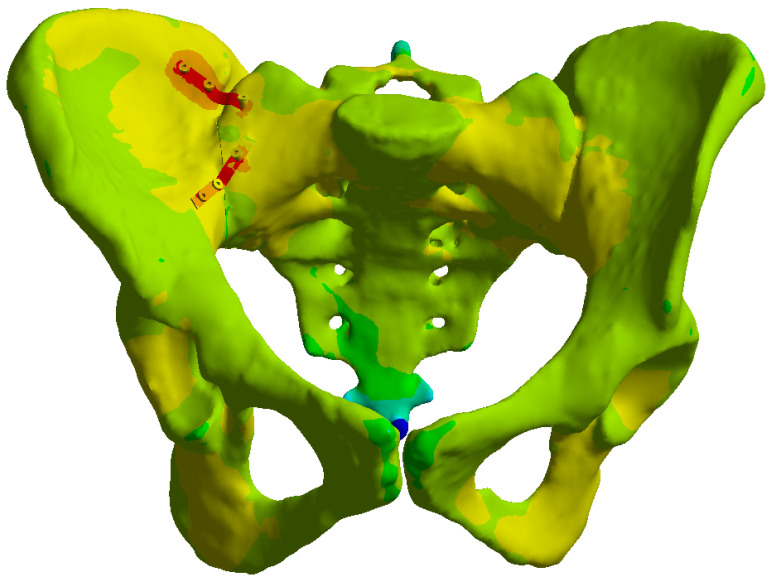 Figure 14
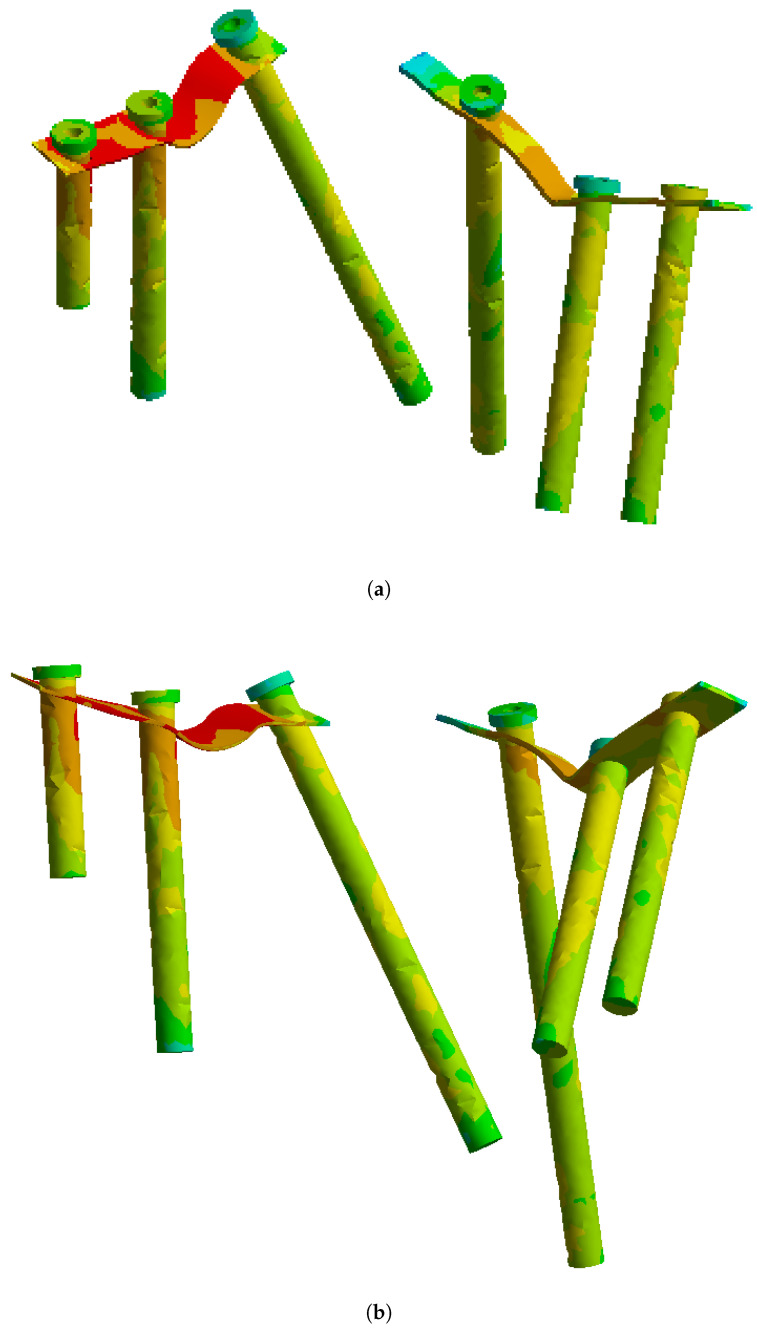 Figure 15
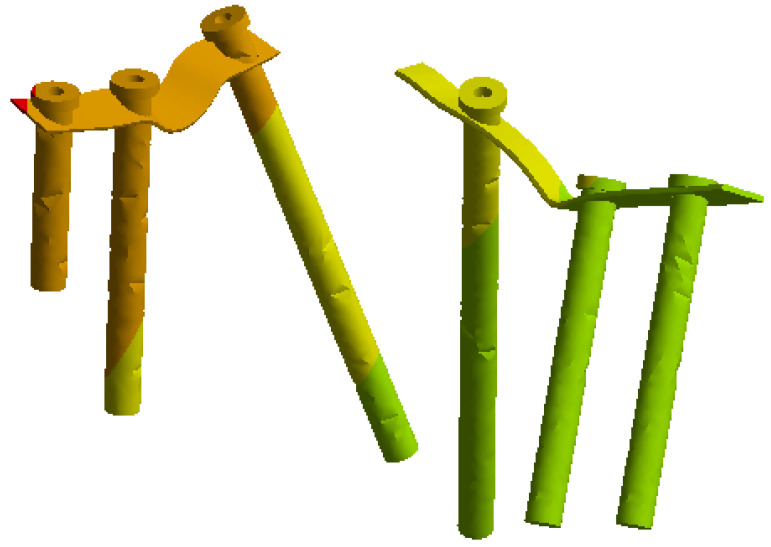 Figure 16
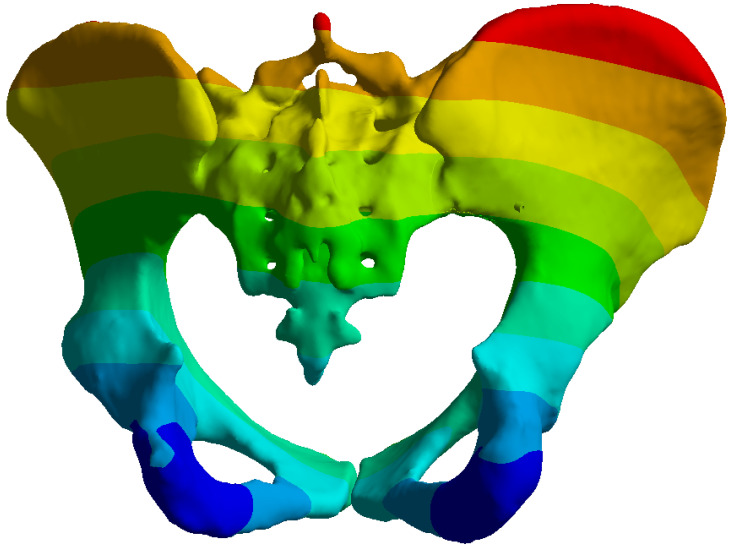 Figure 17
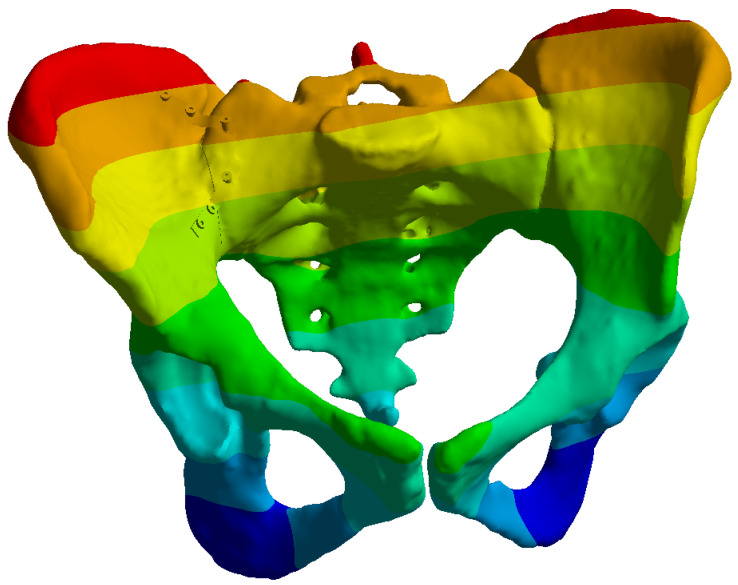 Figure 18
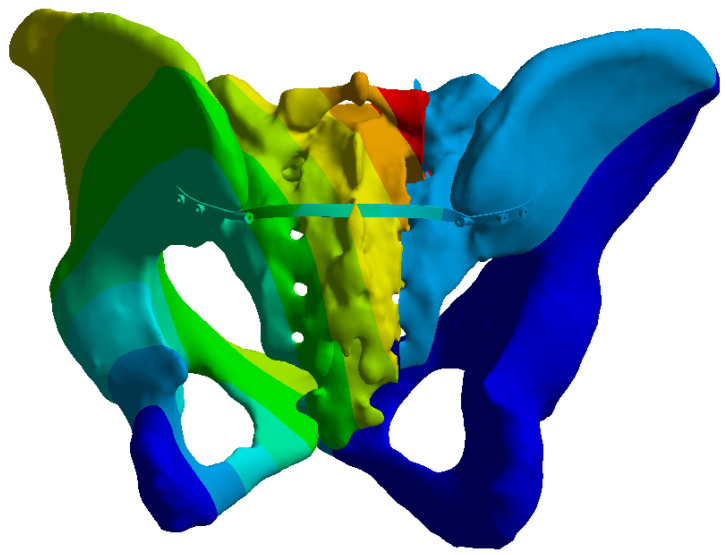 Figure 19
Peer Reviews
No public reviews on file for this paper yet. If you reviewed it on a platform where reviews are public (OpenReview, ICLR, NeurIPS, ICML), you can paste yours below so the community can read it here.
Videos
No videos yet. Explain this paper in a talk, walkthrough, or lecture? Add one.
Taxonomy
TopicsPelvic and Acetabular Injuries · Orthopaedic implants and arthroplasty · Shoulder and Clavicle Injuries