Single-Die-Level MEMS Post-Processing for Prototyping CMOS-Based Neural Probes Combined with Optical Fibers for Optogenetic Neuromodulation
Gabor Orban, Alberto Perna, Matteo Vincenzi, Raffaele Adamo, Gian Nicola Angotzi, Luca Berdondini, João Filipe Ribeiro

TL;DR
This paper introduces a new MEMS post-processing method for CMOS neural probes that can be combined with optical fibers for optogenetics, enabling high-resolution brain monitoring.
Contribution
A MEMS post-processing workflow for CMOS dies is developed, enabling material modification and layout shaping for neural probes.
Findings
Spray-coating photolithography methods were optimized to suppress edge effects on small substrates.
A 512-channel neural probe with a photoelectric shield was fabricated and showed >96% light-shielding effectiveness.
In vivo experiments confirmed the probe's high-resolution electrophysiological measurement capability.
Abstract
The integration of complementary metal–oxide–semiconductor (CMOS) and micro-electromechanical systems (MEMSs) technologies for miniaturized biosensor fabrication enables unprecedented spatiotemporal resolution in monitoring the bioelectrical activity of the nervous system. Wafer-level CMOS technology incurs high costs, but multi-project wafer (MPW) runs mitigate this by allowing multiple users to share a single wafer. Still, monolithic CMOS biosensors require specialized surface materials or device geometries incompatible with standard CMOS processes. Performing MEMS post-processing on the few square millimeters available in MPW dies remains a significant challenge. In this paper, we present a MEMS post-processing workflow tailored for CMOS dies that supports both surface material modification and layout shaping for intracortical biosensing applications. To address lithographic…
Genes, proteins, chemicals, diseases, species, mutations and cell lines named across the full text — each resolved to its canonical identifier and authoritative record.
Click any figure to enlarge with its caption.
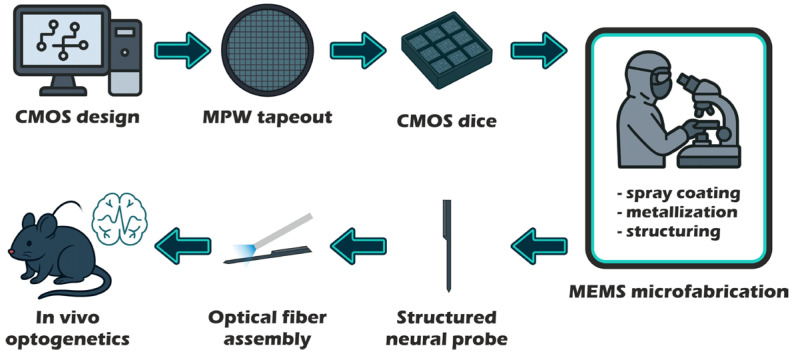 Figure 1
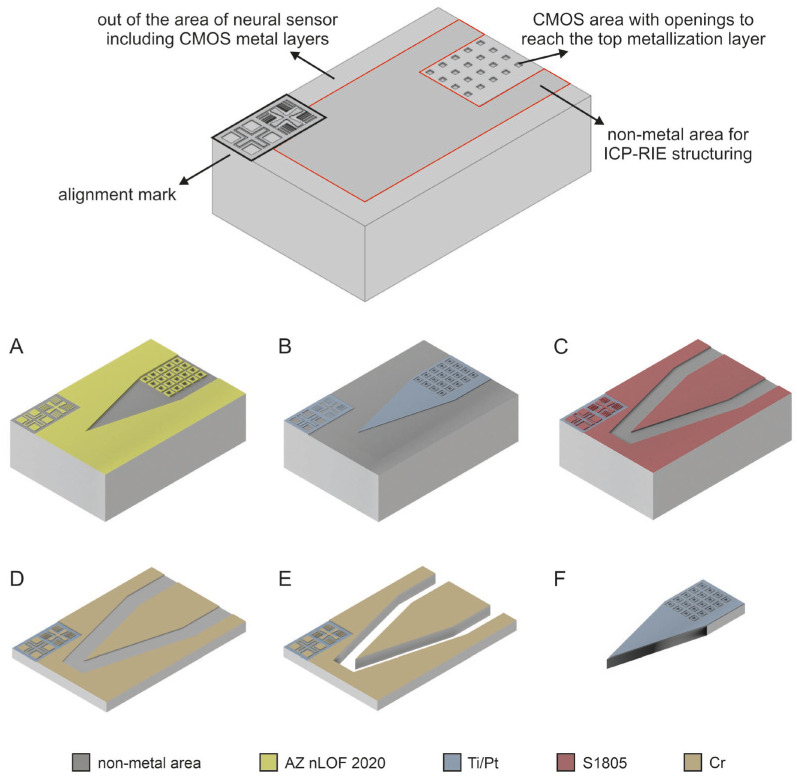 Figure 2
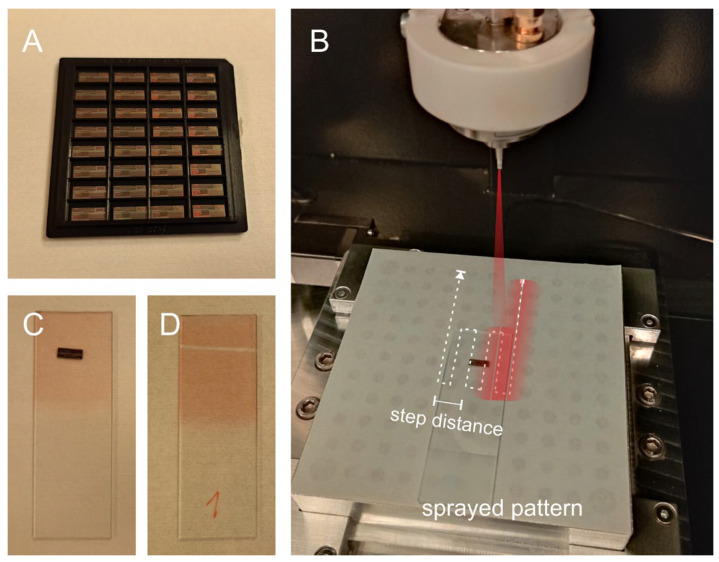 Figure 3
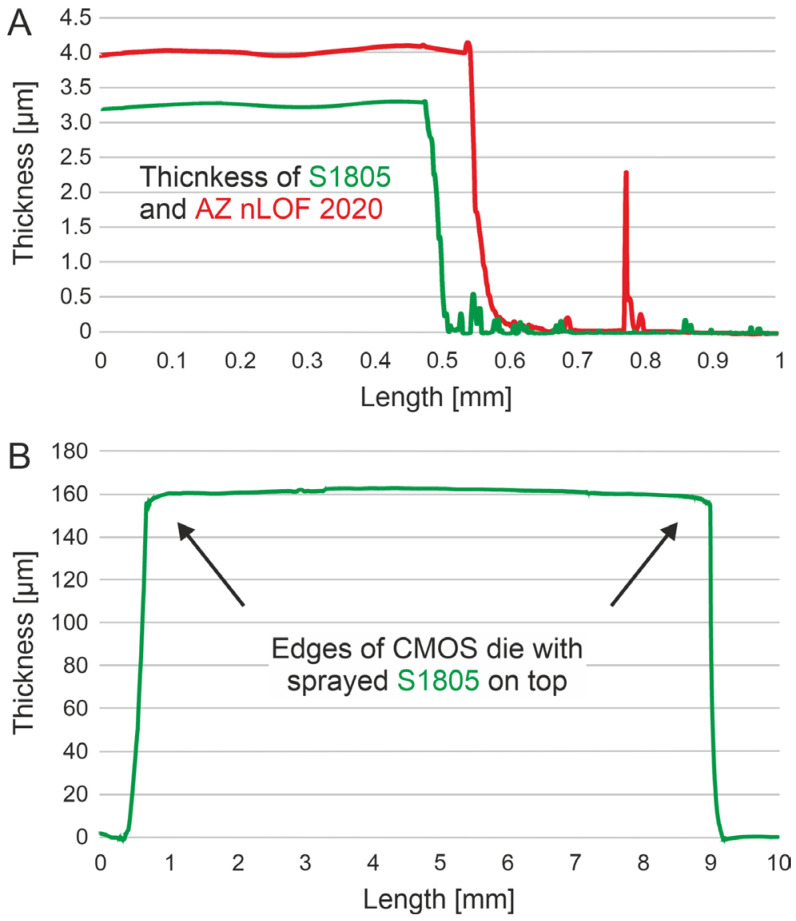 Figure 4
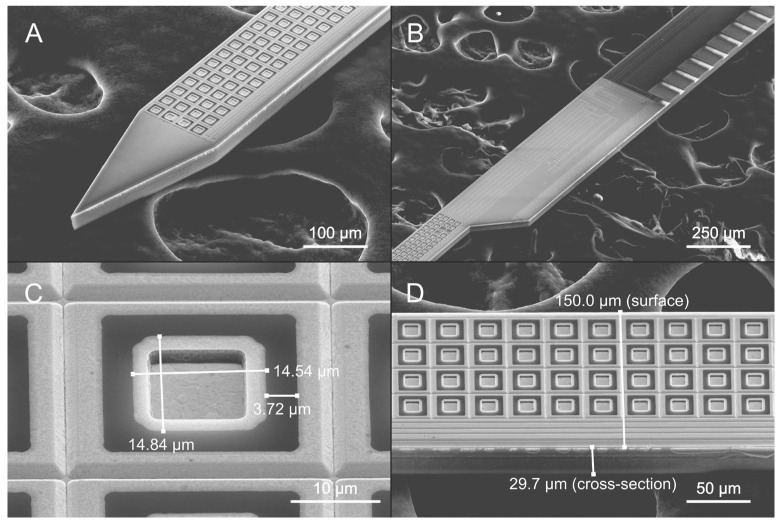 Figure 5
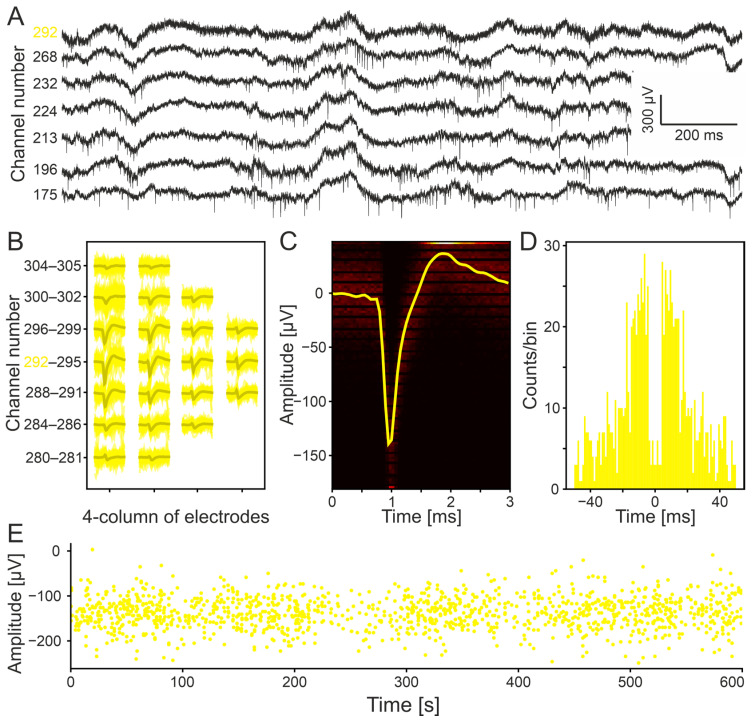 Figure 6
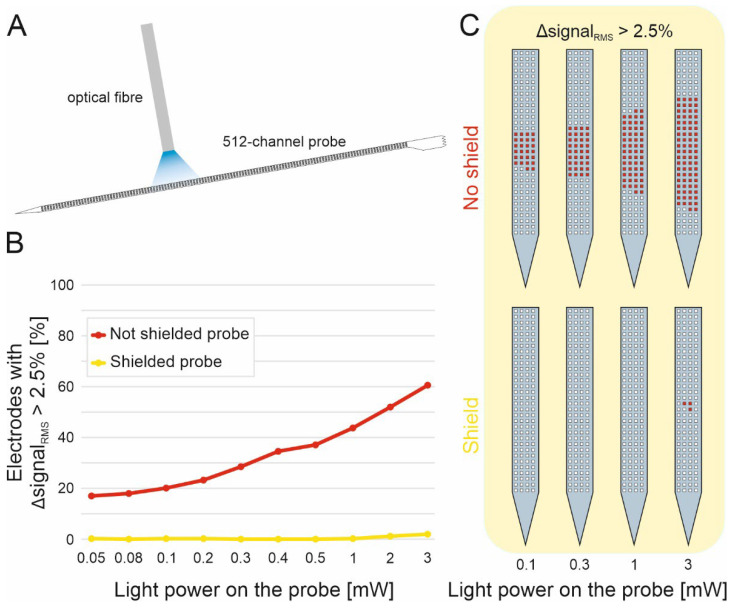 Figure 7
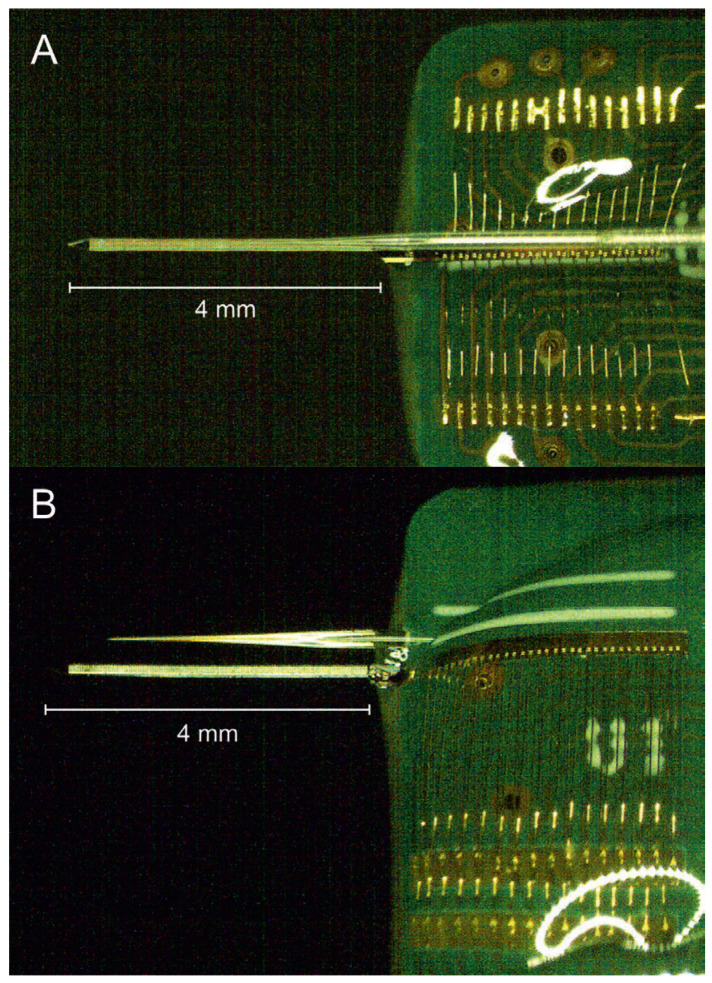 Figure 8
Peer Reviews
No public reviews on file for this paper yet. If you reviewed it on a platform where reviews are public (OpenReview, ICLR, NeurIPS, ICML), you can paste yours below so the community can read it here.
Videos
No videos yet. Explain this paper in a talk, walkthrough, or lecture? Add one.
Taxonomy
TopicsPhotoreceptor and optogenetics research · Neuroscience and Neural Engineering · CCD and CMOS Imaging Sensors