Development and Clinical Validation of an Artificial Intelligence-Based Automated Visual Acuity Testing System
Kelvin Zhenghao Li, Hnin Hnin Oo, Kenneth Chee Wei Liang, Najah Ismail, Jasmine Ling Ling Chua, Jackson Jie Sheng Chng, Yang Wu, Daryl Wei Ren Wong, Sumaya Rani Khan, Boon Peng Yap, Rong Tong, Choon Meng Kiew, Yufei Huang, Chun Hau Chua, Alva Khai Shin Lim, Xiuyi Fan

TL;DR
This paper presents an AI-based system for automated visual acuity testing that was validated in a clinical setting and showed good agreement with manual testing.
Contribution
The novel contribution is an AI-driven automated visual acuity testing system with integrated speech and image recognition for self-administered assessments.
Findings
The fine-tuned model reduced word error rates for letters and numbers significantly.
Automated unaided VA showed good agreement with manual VA (ICC = 0.77).
User experience remained positive despite longer testing times.
Abstract
Background: To develop and validate an automated visual acuity (VA) testing system integrating artificial intelligence (AI)–driven speech and image recognition technologies, enabling self-administered, clinic-based VA assessment; Methods: The system incorporated a fine-tuned Whisper speech-recognition model with Silero voice activity detection and pose estimation through facial landmark and ArUco marker detection. A state-driven interface guided users through sequential testing with and without a pinhole. Speech recognition was enhanced using a local Singaporean English dataset. Laboratory validation assessed speech and pose recognition performance, while clinical validation compared automated and manual VA testing at a tertiary eye clinic; Results: The fine-tuned model reduced word error rates from 17.83% to 9.81% for letters and 2.76% to 1.97% for numbers. Pose detection accurately…
Genes, proteins, chemicals, diseases, species, mutations and cell lines named across the full text — each resolved to its canonical identifier and authoritative record.
Click any figure to enlarge with its caption.
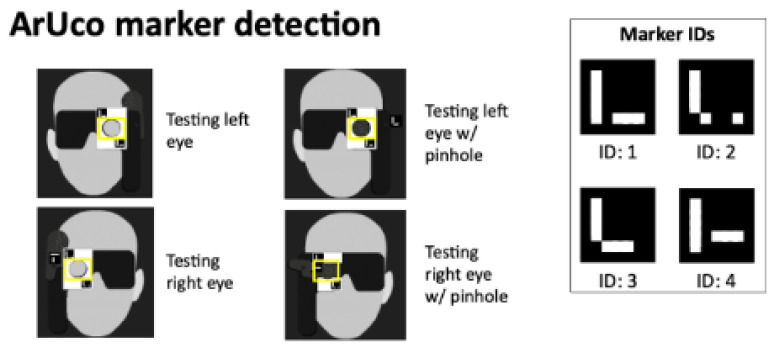 Figure 1
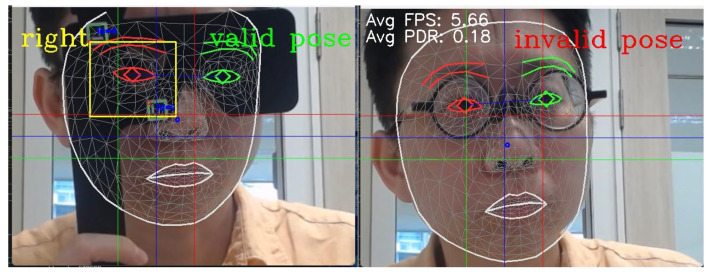 Figure 2
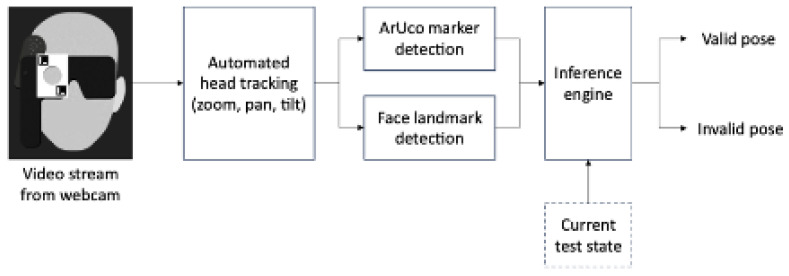 Figure 3
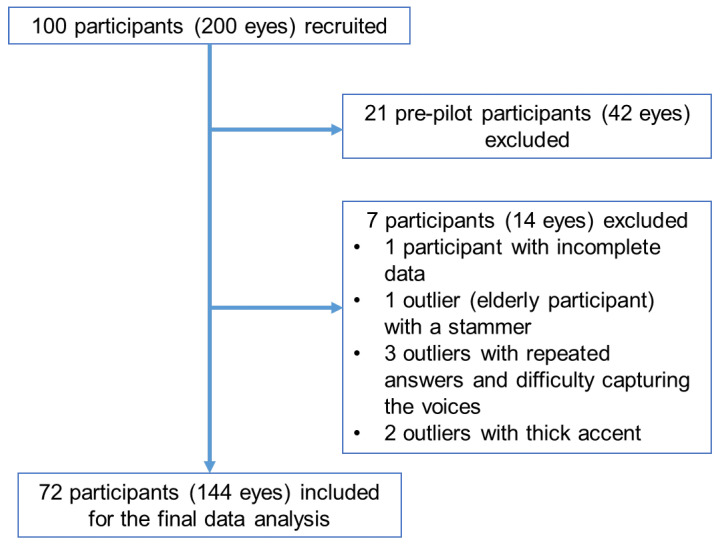 Figure 4
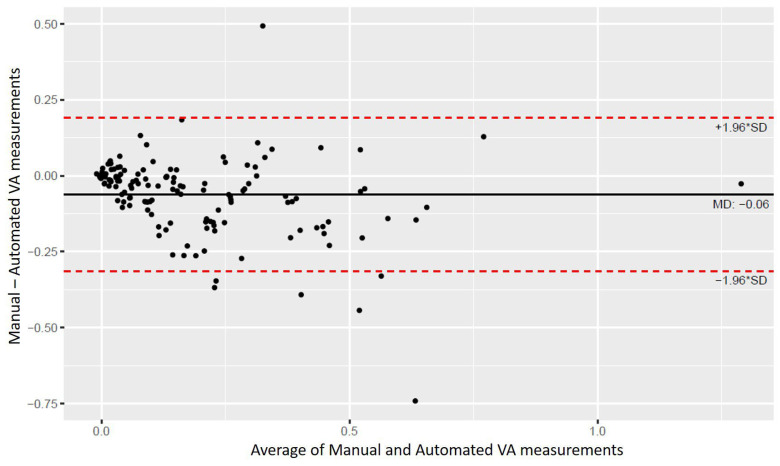 Figure 5
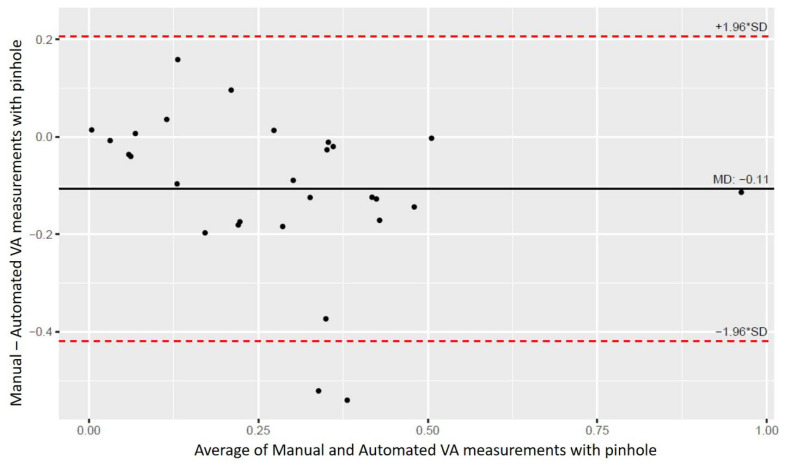 Figure 6
Peer Reviews
No public reviews on file for this paper yet. If you reviewed it on a platform where reviews are public (OpenReview, ICLR, NeurIPS, ICML), you can paste yours below so the community can read it here.
Videos
No videos yet. Explain this paper in a talk, walkthrough, or lecture? Add one.
Taxonomy
TopicsOphthalmology and Visual Impairment Studies · Retinal Imaging and Analysis · Gaze Tracking and Assistive Technology