Extended Study on the Development of 3D-Printed Overlay Structures in Protective Gloves Using Ultrasonic and Contact Welding with Additional Fatigue Bending Tests
Agnieszka Cichocka, Olga Olejnik, Emilia Irzmańska, Paulina Kropidłowska, Jakub Saramak

TL;DR
This study explores how 3D-printed mesh structures can be added to protective gloves using different welding methods to improve durability and performance.
Contribution
The paper introduces new 3D-printed overlay architectures and evaluates their mechanical performance in hybrid protective gloves.
Findings
Ultrasonic welding produces more uniform welds and enhances fatigue resistance on cotton and polyamide substrates.
Contact welding leads to non-uniform welds, which correlate with reduced mechanical durability.
Weld thickness uniformity and substrate compatibility are key factors in optimizing glove performance.
Abstract
This study investigates the development of advanced protective gloves by applying novel 3D-printed PET-G mesh overlay structures onto three textile substrates—polyamide (PA), polyester (PES), and cotton—using ultrasonic welding and contact welding. The focus was on assessing weld quality, thickness uniformity, and functional durability. Weld morphology and bonding integrity were evaluated using X-ray microtomography (micro-CT), while bending fatigue tests assessed mechanical performance under cyclic loading. The results show that ultrasonic welding produces more uniform welds, enhancing fatigue resistance, particularly on cotton and polyamide substrates. Non-uniform welds with thicker or uneven areas, typical of contact welding, correlated with reduced mechanical durability. These findings highlight the potential of additively manufactured overlay structures for hybrid protective…
Genes, proteins, chemicals, diseases, species, mutations and cell lines named across the full text — each resolved to its canonical identifier and authoritative record.
Click any figure to enlarge with its caption.
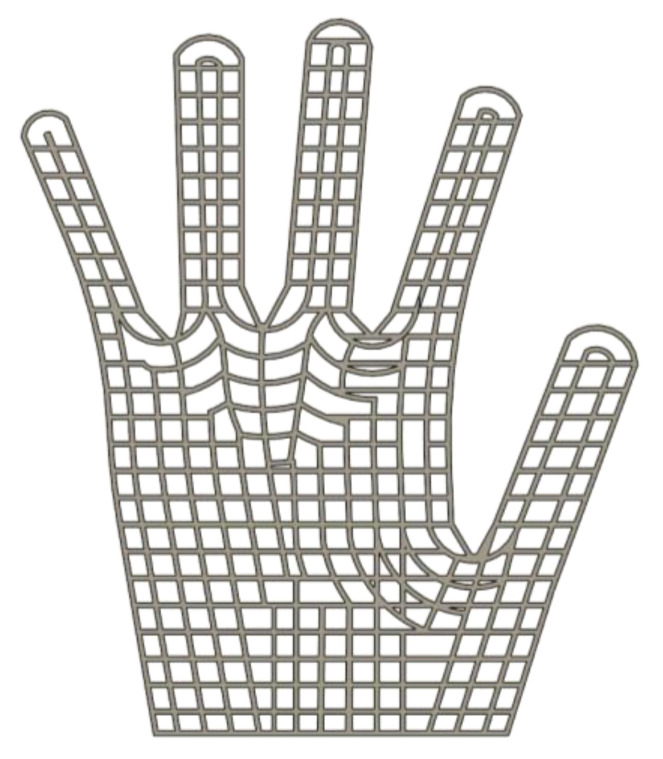 Figure 1
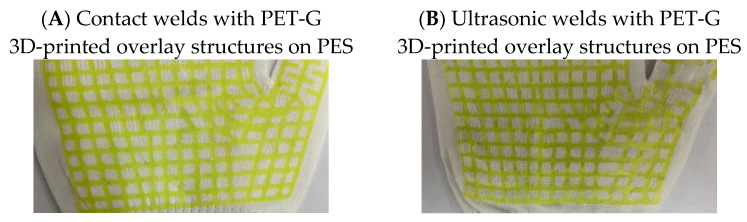 Figure 2
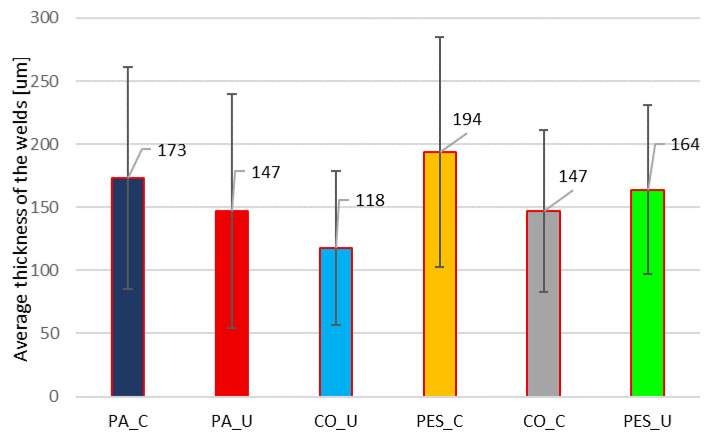 Figure 3
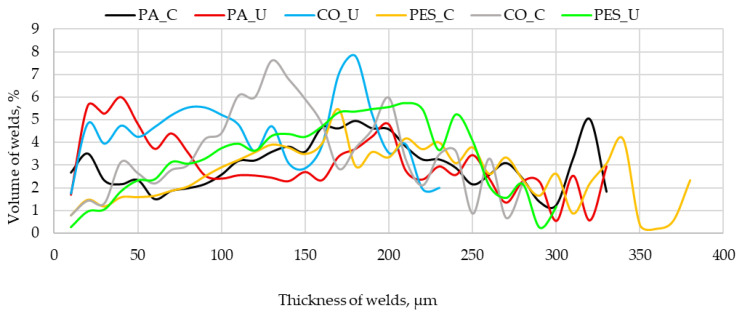 Figure 4
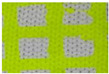 Figure 5
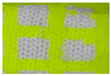 Figure 6
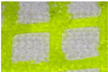 Figure 7
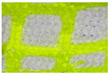 Figure 8
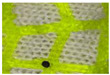 Figure 9
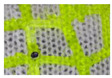 Figure 10
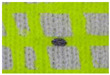 Figure 11
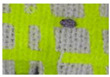 Figure 12
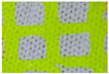 Figure 13
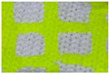 Figure 14
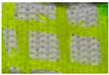 Figure 15
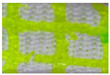 Figure 16
Peer Reviews
No public reviews on file for this paper yet. If you reviewed it on a platform where reviews are public (OpenReview, ICLR, NeurIPS, ICML), you can paste yours below so the community can read it here.
Videos
No videos yet. Explain this paper in a talk, walkthrough, or lecture? Add one.
Taxonomy
TopicsAdvanced Sensor and Energy Harvesting Materials · Mechanical Behavior of Composites · Textile materials and evaluations