Relationship Between the Degree of Diabetic Retinopathy and Serum Fractalkine (CX3CL1) in Patients with Type 2 Diabetes: A Single-Center Cross-Sectional Study
Ozgur Yilmaz, Mehmet Erdogan, Murvet Algemi, Ibrahim Kocak, Sengul Aydin Yoldemir, Murat Akarsu

TL;DR
This study found that higher levels of a protein called fractalkine in the blood are linked to the presence and severity of diabetic retinopathy in type 2 diabetes patients.
Contribution
The study demonstrates that serum fractalkine is independently associated with diabetic retinopathy after adjusting for traditional risk factors.
Findings
Serum fractalkine levels were significantly higher in patients with diabetic retinopathy compared to those without.
Fractalkine levels increased with the severity of non-proliferative diabetic retinopathy.
Serum fractalkine showed moderate diagnostic performance for detecting diabetic retinopathy and severe non-proliferative retinopathy.
Abstract
Background and Objectives: Diabetic retinopathy (DR) is a leading microvascular complication of type 2 diabetes (T2D). Fractalkine (CX3CL1), a chemokine involved in inflammation, angiogenesis, and microglial activation, may play a role in DR pathogenesis. This study investigated the association between serum fractalkine levels, the presence of DR, and disease severity. Materials and Methods: In this cross-sectional study, 140 adults with T2D were classified as non-DR (n = 32) or DR (n = 108) according to ICDR and ETDRS criteria; DR cases were further categorized into NPDR (n = 76) and PDR (n = 32), with NPDR staged as mild, moderate, or severe. Serum fractalkine concentrations were measured using ELISA. Results: Serum fractalkine levels were significantly higher in patients with DR than in those without retinopathy (0.7 vs. 0.4 ng/mL, p < 0.001). Within NPDR stages, fractalkine levels…
Genes, proteins, chemicals, diseases, species, mutations and cell lines named across the full text — each resolved to its canonical identifier and authoritative record.
Click any figure to enlarge with its caption.
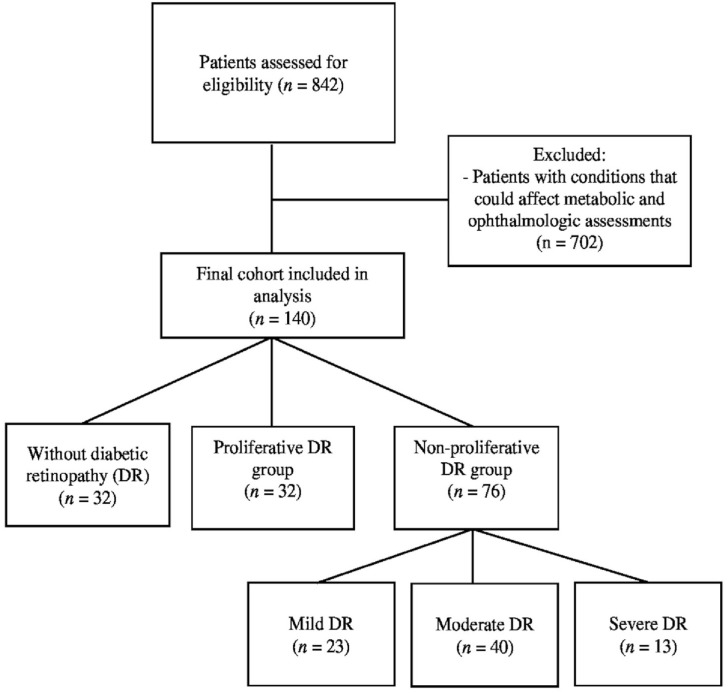 Figure 1
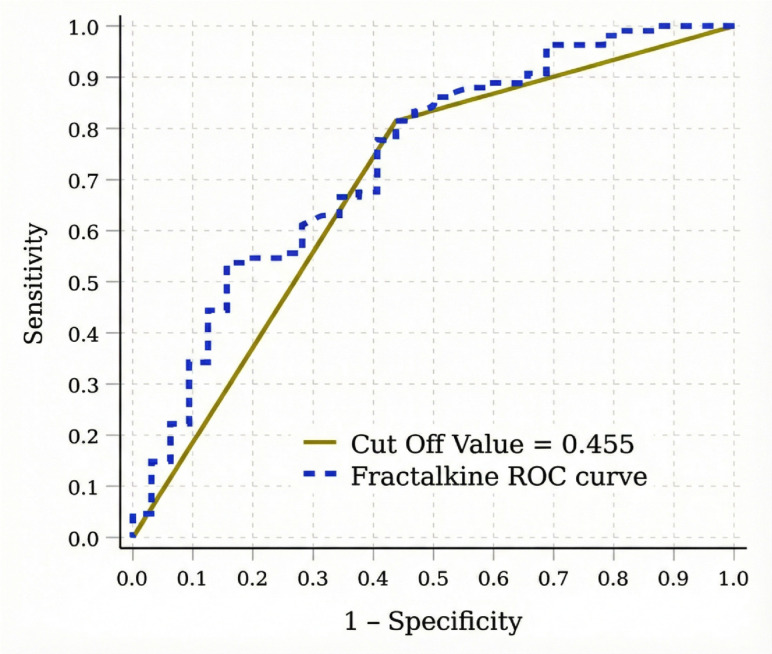 Figure 2
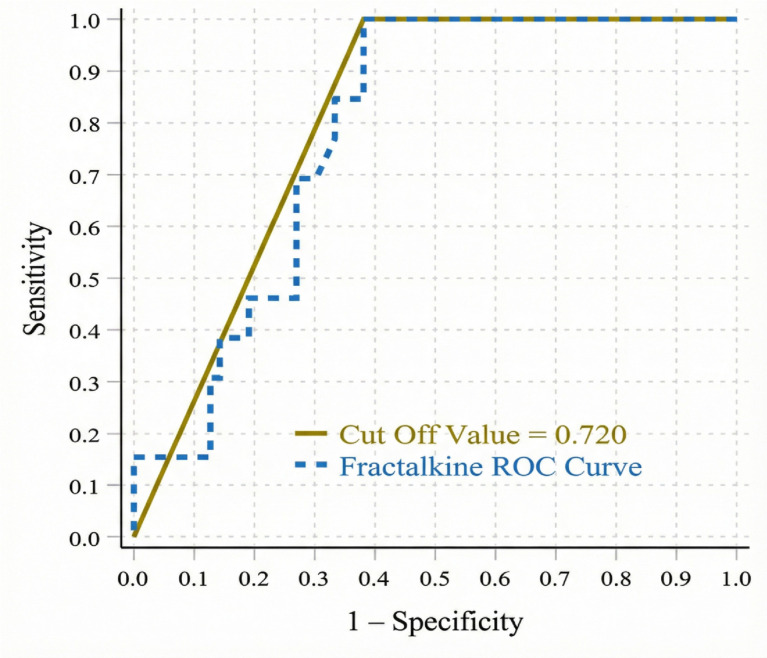 Figure 3
Peer Reviews
No public reviews on file for this paper yet. If you reviewed it on a platform where reviews are public (OpenReview, ICLR, NeurIPS, ICML), you can paste yours below so the community can read it here.
Videos
No videos yet. Explain this paper in a talk, walkthrough, or lecture? Add one.
Taxonomy
TopicsChemokine receptors and signaling · Retinal Diseases and Treatments · Retinal Imaging and Analysis