Did Cold Resistance Influence the Success of the Halobiont Darkling Beetle Centorus rufipes (Coleoptera, Tenebrionidae) During the Pleistocene?
Roman Yu. Dudko, Anna A. Gurina, Arcady V. Alfimov, Natalia I. Agrikolyanskaya, Ilya I. Lyubechanskii, Ekaterina N. Meshcheryakova, Sergei V. Reshetnikov, Andrei A. Legalov, Daniil I. Berman

TL;DR
This study explores how the darkling beetle Centorus rufipes survived cold Pleistocene climates by measuring its cold resistance and comparing it to other beetles.
Contribution
The study provides new evidence that C. rufipes had exceptional cold resistance, supporting its success in Pleistocene environments.
Findings
The supercooling point of C. rufipes was around −31 °C, allowing survival in extreme cold.
The death temperature of 50% of beetles was −27 °C, significantly lower than other darkling beetles.
C. rufipes did not rely on habitat warming but instead had high cold resistance.
Abstract
We studied the cold resistance of the darkling beetle Centorus rufipes, the only species of darkling beetle abundant in the late Pleistocene mammoth steppes of western Siberia. In contrast, darkling beetles are one of the leading groups in the modern analog of the mammoth steppes. Insufficient cold resistance has been suggested as the reason for the low prevalence of darkling beetles in the Pleistocene. However, this is insufficiently substantiated without understanding the peculiarities of C. rufipes. Therefore, the following hypotheses were tested: C. rufipes either has high cold resistance that allows it to survive at low temperatures, or it successfully selects microhabitats with relatively mild conditions. The supercooling point for most of the sampled beetles was around −31 °C, and the death temperature of 50% of individuals was approximately −27 °C. These values were at least 5…
Genes, proteins, chemicals, diseases, species, mutations and cell lines named across the full text — each resolved to its canonical identifier and authoritative record.
Click any figure to enlarge with its caption.
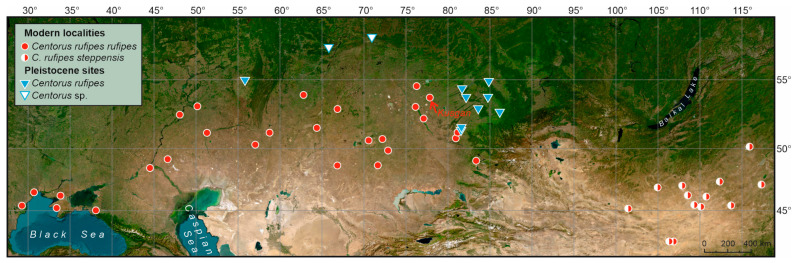 Figure 1
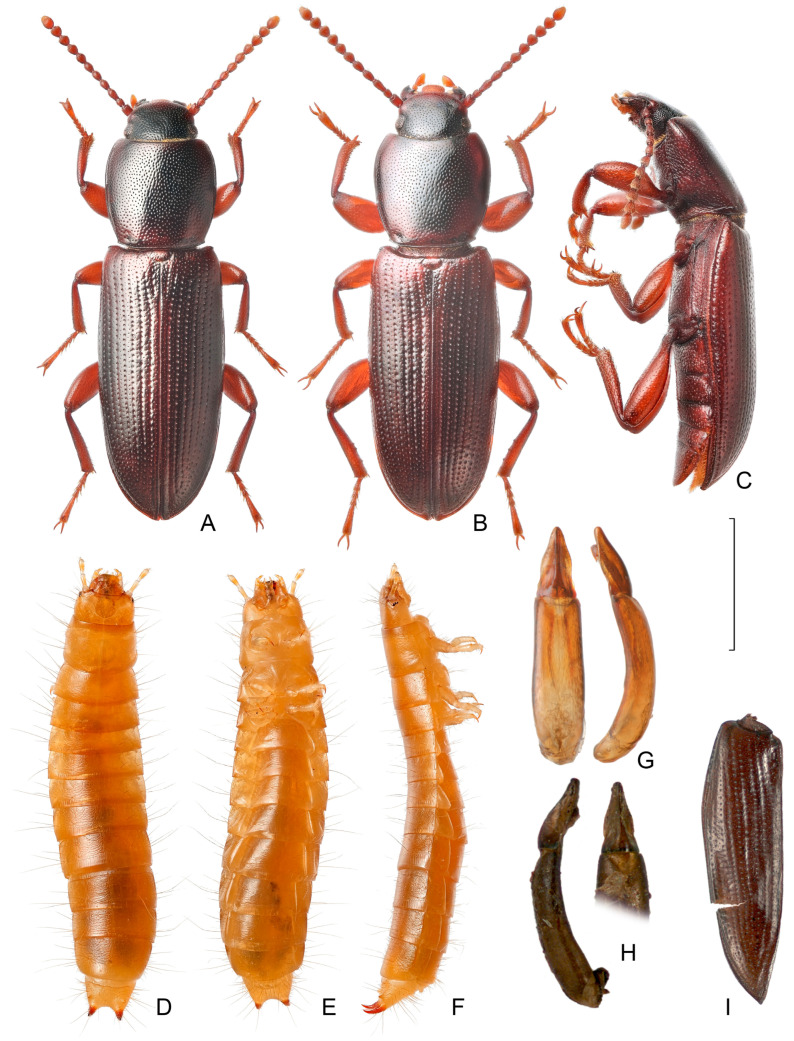 Figure 2
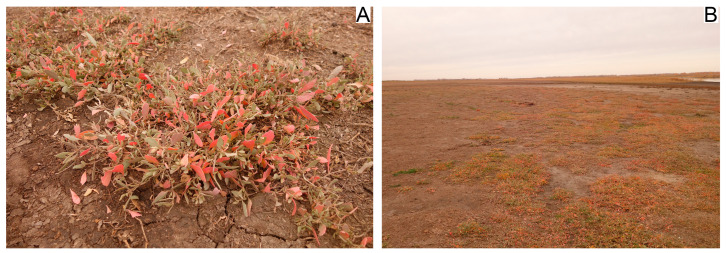 Figure 3
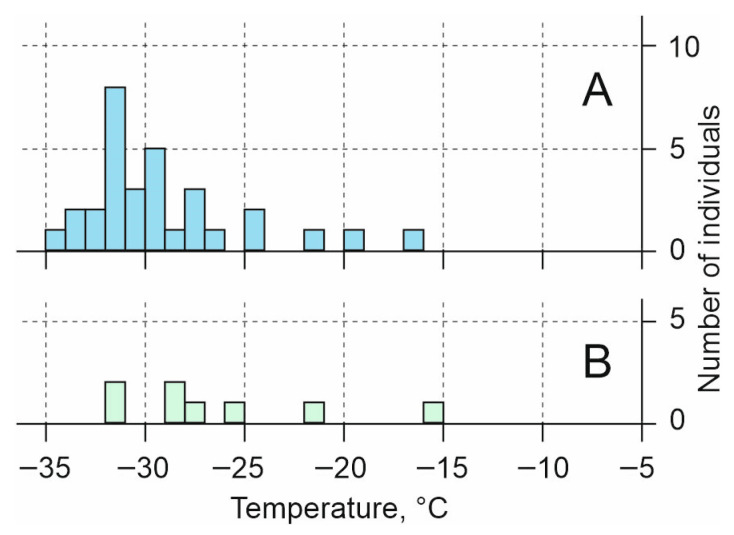 Figure 4
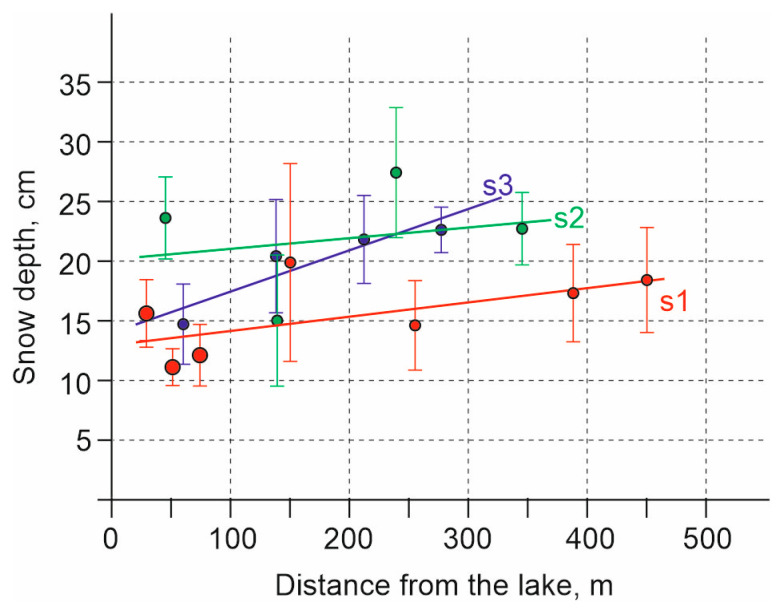 Figure 5
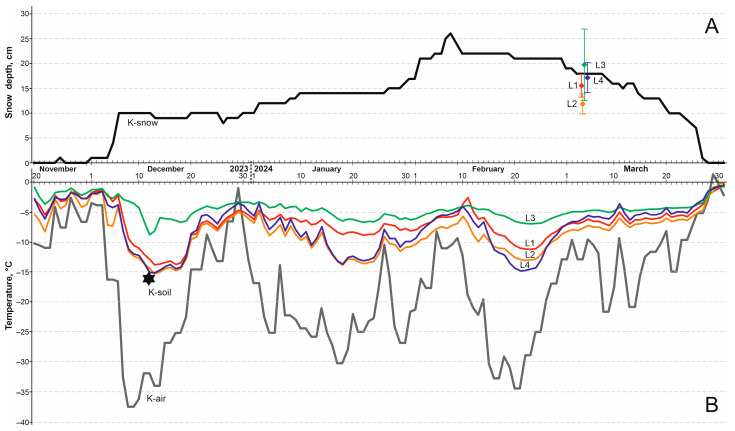 Figure 6
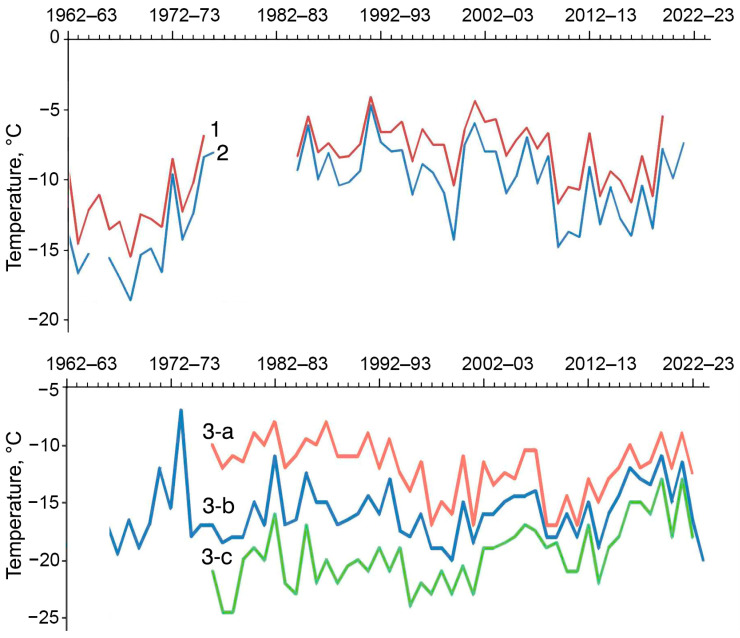 Figure 7
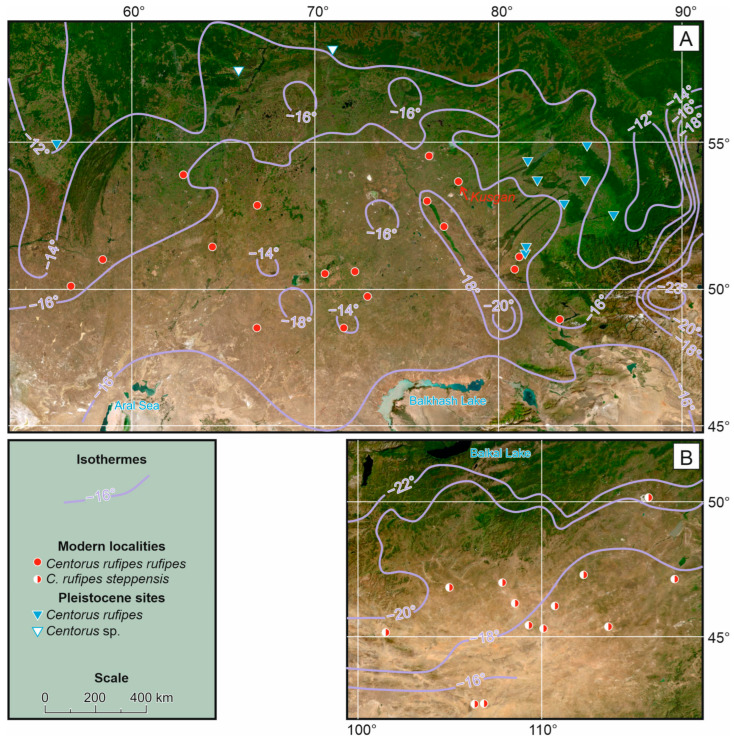 Figure 8
Peer Reviews
No public reviews on file for this paper yet. If you reviewed it on a platform where reviews are public (OpenReview, ICLR, NeurIPS, ICML), you can paste yours below so the community can read it here.
Videos
No videos yet. Explain this paper in a talk, walkthrough, or lecture? Add one.
Taxonomy
TopicsPhysiological and biochemical adaptations · Animal Ecology and Behavior Studies · Coleoptera Taxonomy and Distribution