Minimally Invasive Surgical Strategies in Intraventricular Tumors: Preliminary Experience with Tubular Retractors for a Personalized Approach in Intraventricular Meningiomas
Alessio Iacoangeli, Valentina Liverotti, Mario Chiapponi, Denis Aiudi, Andrea Mattioli, Lucia di Somma, Andrea Carai, Michele Luzi, Roberto Trignani, Hani A. Mahboob, Gustavo Luzardo, Alberto Feletti, Carlo Efisio Marras, Maurizio Iacoangeli, Maurizio Gladi

TL;DR
This paper explores the use of minimally invasive tubular retractor techniques for safely removing intraventricular meningiomas, especially in elderly patients.
Contribution
The study presents a novel application of tubular retractors in neurosurgery for intraventricular meningiomas, emphasizing a personalized and minimally invasive approach.
Findings
Gross total resection was achieved in all 11 cases of intraventricular meningiomas.
Most patients did not experience major complications or permanent neurological deficits.
Patients were discharged within 5–7 days, indicating a quick recovery.
Abstract
Background: Intraventricular tumors represent a minority in the context of brain tumors, but their surgical treatment is particularly complex due to their vascularization and visualization, especially in deep localization. The characteristics of these tumors make them ideal candidates for minimally invasive surgical strategies such as the tubular retractor technique, above all in the elderly population. Objectives: A 1-year multi-center, retrospective case series was performed: the authors describe their preliminary experience using a neuronavigated tubular retractor in the management of 11 cases of intraventricular meningiomas. Methods: Clinical and radiological findings were examined to define the outcomes. We used an alternative tubular retractor system obtained using a modified preexisting general surgery trocar (ENDOPATH XCEL 15 mm trocar) or the NICO System BrainPath. Results:…
Genes, proteins, chemicals, diseases, species, mutations and cell lines named across the full text — each resolved to its canonical identifier and authoritative record.
Click any figure to enlarge with its caption.
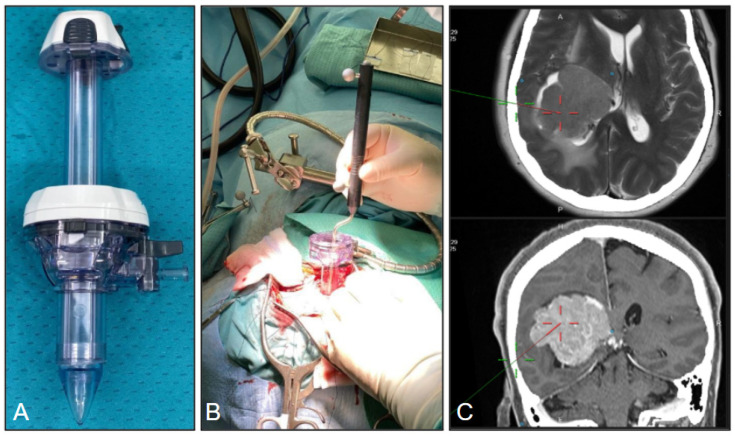 Figure 1
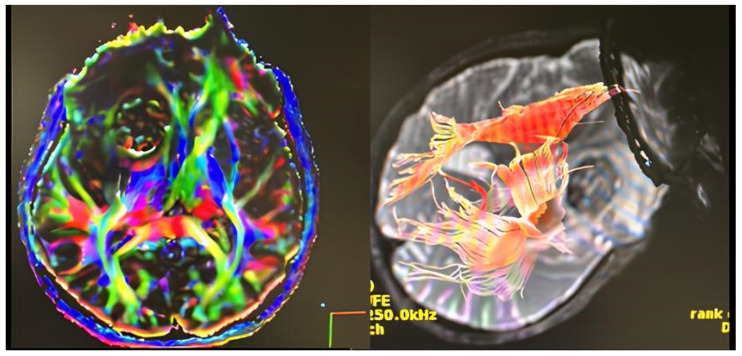 Figure 2
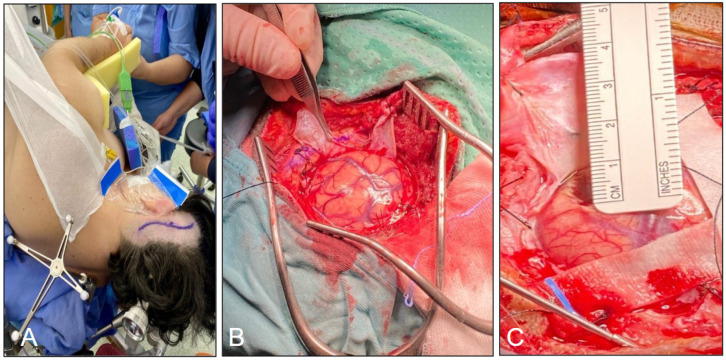 Figure 3
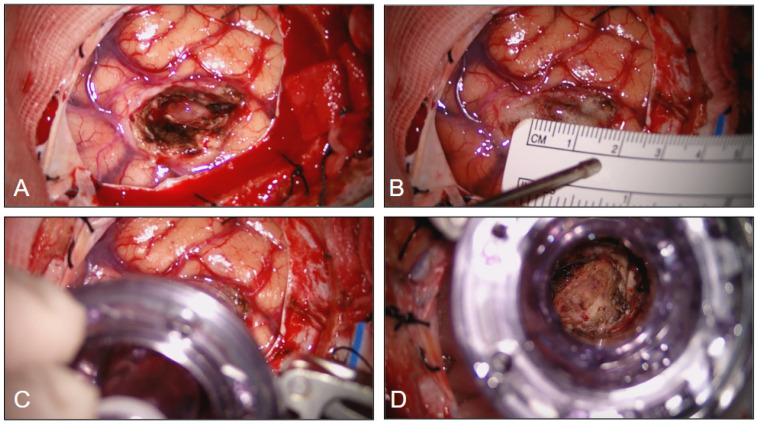 Figure 4
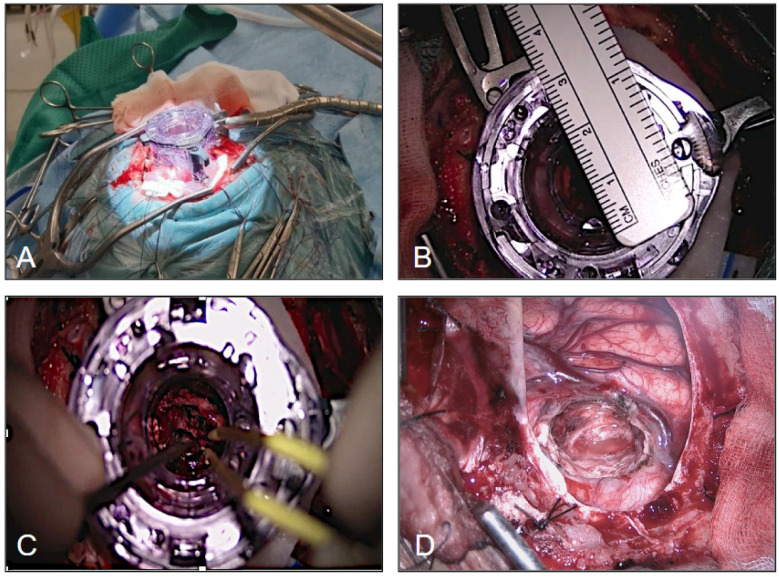 Figure 5
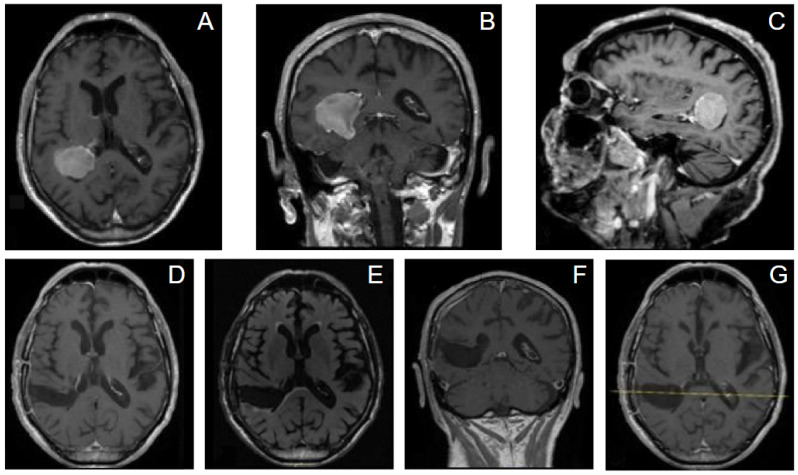 Figure 6
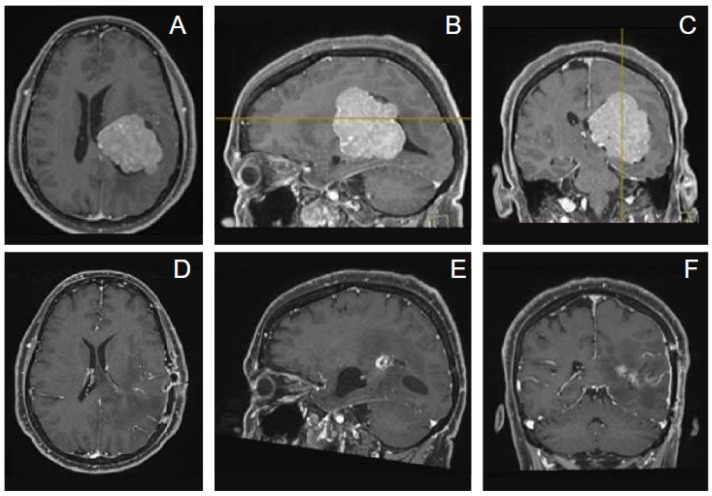 Figure 7
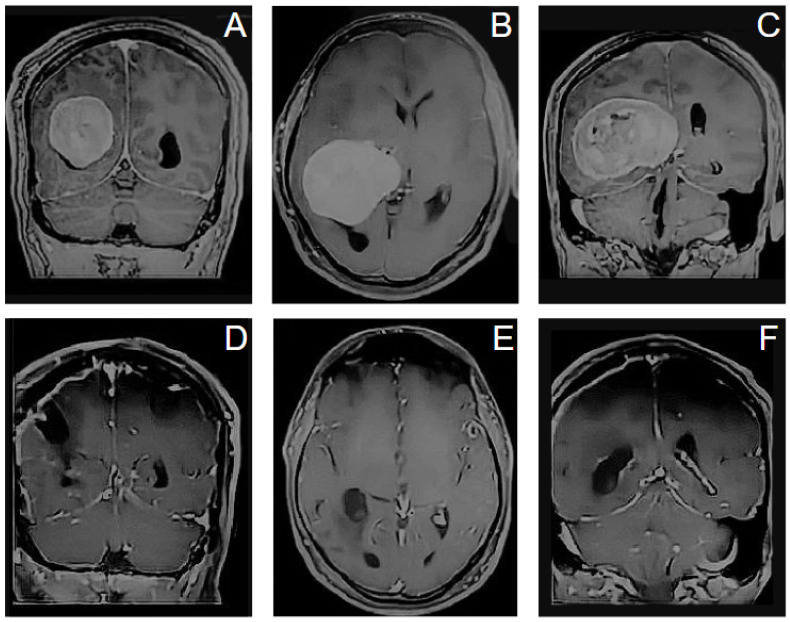 Figure 8
Peer Reviews
No public reviews on file for this paper yet. If you reviewed it on a platform where reviews are public (OpenReview, ICLR, NeurIPS, ICML), you can paste yours below so the community can read it here.
Videos
No videos yet. Explain this paper in a talk, walkthrough, or lecture? Add one.
Taxonomy
TopicsMeningioma and schwannoma management · Cerebrospinal fluid and hydrocephalus · Glioma Diagnosis and Treatment