Honey Bees Reduce Pollen Viability While Foraging
Alex C. Kurtt, Fernando de la Torre, Anna F. Edlund, Juan E. Zalapa, Shawn A. Steffan

TL;DR
Honey bees reduce pollen viability while foraging, making it less likely to contribute to plant fertilization.
Contribution
This study is the first to show that corbicular pollen becomes nonviable during foraging, explaining its minimal role in pollination.
Findings
Bee-collected pollen had significantly lower germination than fresh floral pollen.
Pollen viability decreased even when mixed with a nectar substitute, suggesting other compounds reduce viability.
Corbicular pollen contributes little to plant fertilization, emphasizing the role of body pollen in pollination.
Abstract
Foraging honey bees consolidate pollen within ‘pollen baskets’ (corbiculae), dual structures on their hind legs that facilitate large pollen loads. The bees mix pollen with nectar and other compounds, creating a sticky mass that keeps the pollen affixed to their corbiculae. While foraging, pollen grains on the corbiculae may contact the floral stigma, but the viability of corbicular pollen is largely unknown. This question is important not only because honey bees are critical pollinators in agriculture globally, but also because the vast majority of collected pollen is consolidated on their corbiculae. Here, we examined corbicular pollen while honey bees were actively foraging. Such pollen exhibited significantly lower viability than pollen from the floral anther. Further, bee-collected pollen exhibited lower germination than pollen mixed with a nectar substitute, suggesting that…
Genes, proteins, chemicals, diseases, species, mutations and cell lines named across the full text — each resolved to its canonical identifier and authoritative record.
Click any figure to enlarge with its caption.
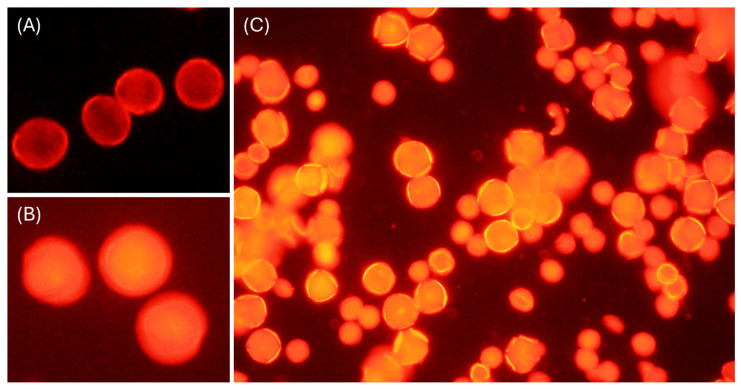 Figure 1
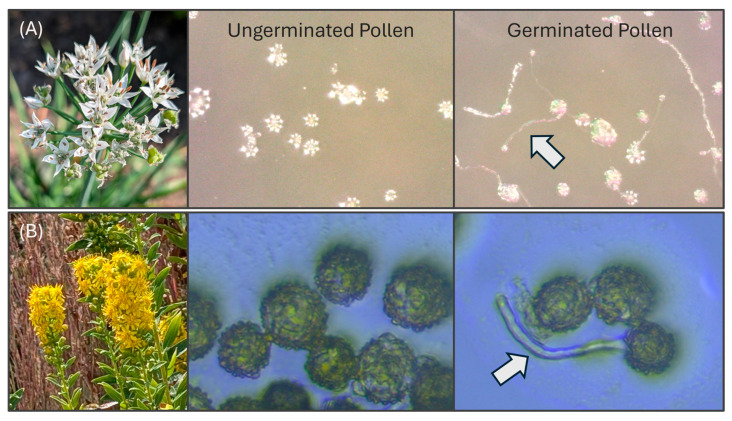 Figure 2
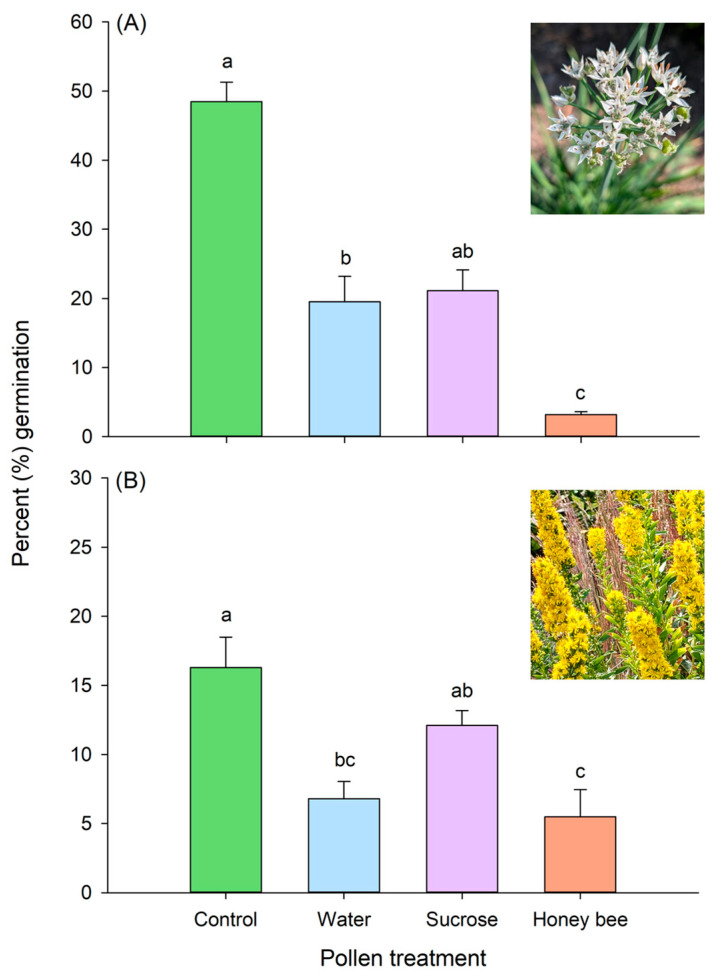 Figure 3
Peer Reviews
No public reviews on file for this paper yet. If you reviewed it on a platform where reviews are public (OpenReview, ICLR, NeurIPS, ICML), you can paste yours below so the community can read it here.
Videos
No videos yet. Explain this paper in a talk, walkthrough, or lecture? Add one.
Taxonomy
TopicsPlant and animal studies · Insect and Pesticide Research · Insect and Arachnid Ecology and Behavior