Fungal Sphingolipids: Biosynthesis Pathways, Structural Features and Biological Functions
Zixin Xue, Liuxi Wang, Chunmei Du

TL;DR
This review explores fungal sphingolipids, their structure, biosynthesis, and roles in cell function and disease, highlighting their potential for antifungal drug development.
Contribution
The paper provides a comprehensive overview of fungal sphingolipid biology and their therapeutic potential.
Findings
Fungal sphingolipids are involved in cell membrane structure, development, and pathogenicity.
They play roles in apoptosis and cellular homeostasis.
Targeting sphingolipid pathways offers potential for antifungal therapies.
Abstract
Sphingolipids are a class of amphipathic lipids characterized by a sphingoid base backbone, which can be classified into glycosphingolipids and sphingomyelins. They exhibit structural complexity and functional diversity, being widely distributed in eukaryotes and some bacterial species. Sphingolipids are important regulators of signal transduction and cellular homeostasis and are involved in numerous biological processes, including cell polarity establishment, energy metabolism, proliferation, and differentiation. However, research on fungal sphingolipids remains limited. This review provides an overview of sphingolipid species, structural features, and their biosynthesis and degradation in fungi. It also summarizes their essential functions in maintaining cell membrane structure, influencing morphological development, pathogenicity, and homeostasis, and participating in apoptosis.…
Genes, proteins, chemicals, diseases, species, mutations and cell lines named across the full text — each resolved to its canonical identifier and authoritative record.
Click any figure to enlarge with its caption.
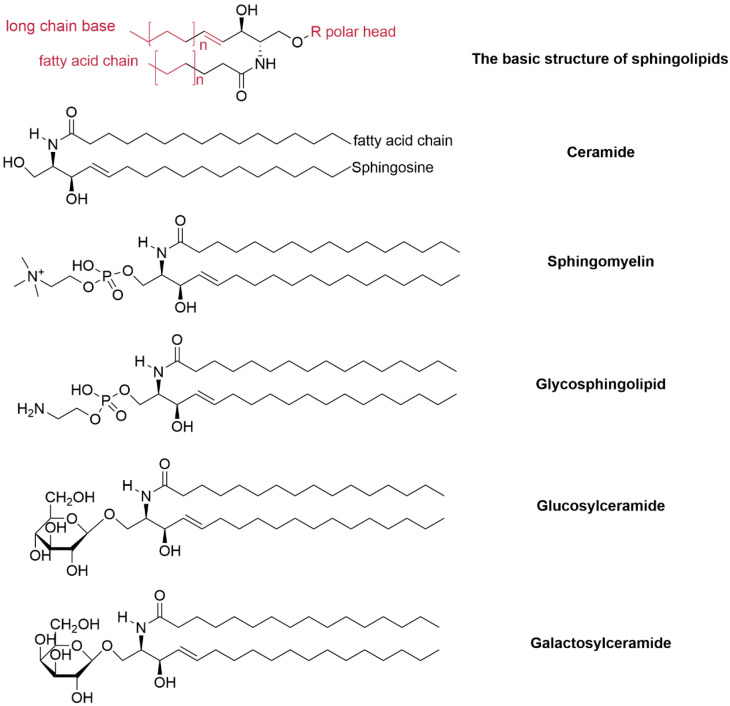 Figure 1
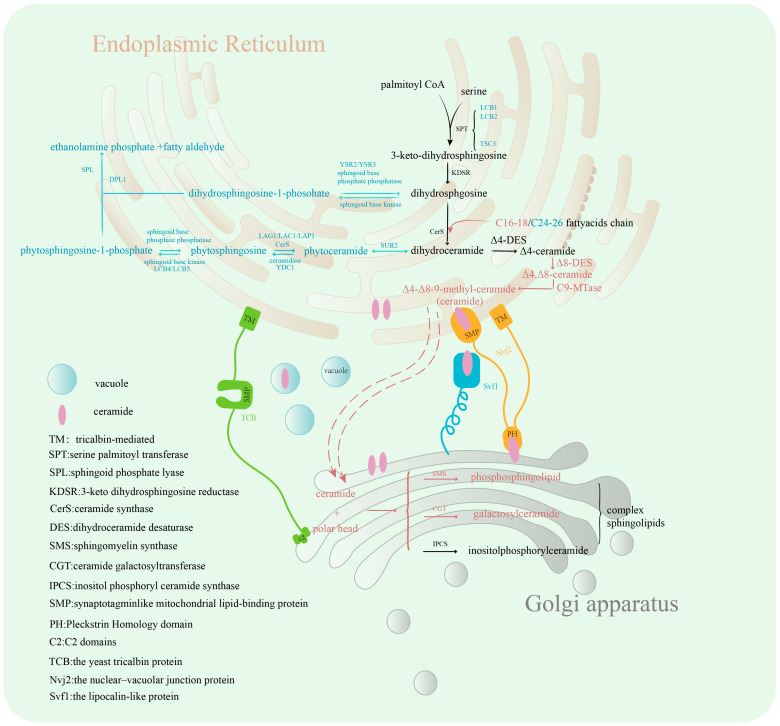 Figure 2
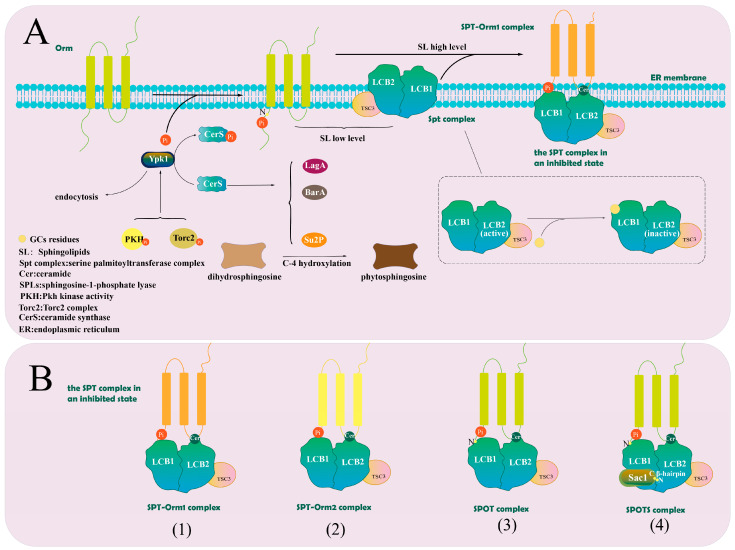 Figure 3
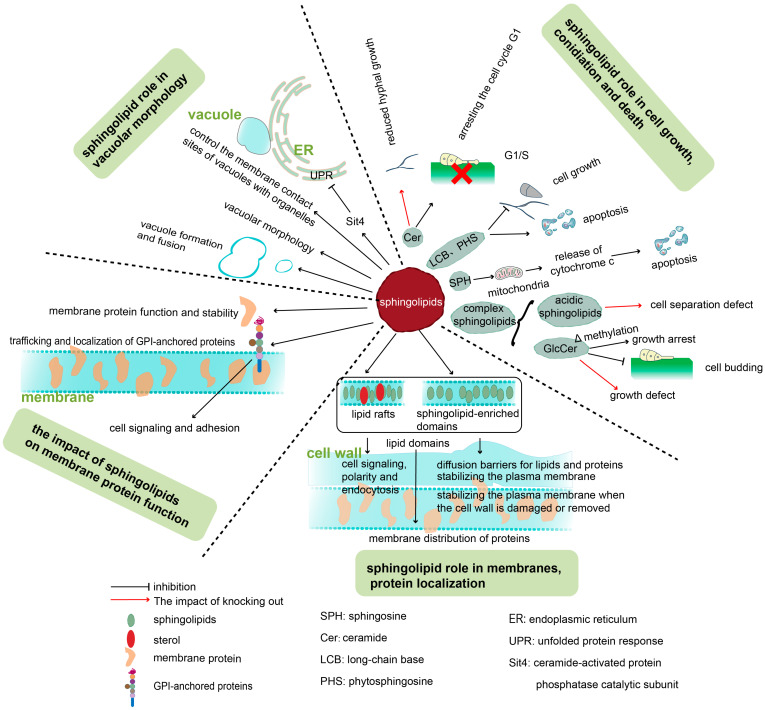 Figure 4
Peer Reviews
No public reviews on file for this paper yet. If you reviewed it on a platform where reviews are public (OpenReview, ICLR, NeurIPS, ICML), you can paste yours below so the community can read it here.
Videos
No videos yet. Explain this paper in a talk, walkthrough, or lecture? Add one.
Taxonomy
TopicsSphingolipid Metabolism and Signaling · Microbial Natural Products and Biosynthesis · Pharmacological Receptor Mechanisms and Effects