Interactions Between the Gut Microbiome and Genetic and Clinical Risk Factors for Metabolic Dysfunction-Associated Steatotic Liver Disease (MASLD) in Patients with Type 2 Diabetes Mellitus from Different Geographical Regions of Argentina
Bárbara Suarez, Adriana Mabel Álvarez, María Florencia Mascardi, Ana Laura Manzano Ramos, Dong Hoon Woo, María Mercedes Gutiérrez, Guillermo Alzueta, María del Carmen Basbus, Santiago Bruzone, Patricia Cuart, Guillermo Dieuzeide, Teresita García, Olga Escobar

TL;DR
This study explores how gut microbes and genetic factors interact to influence liver disease risk in diabetic patients from different regions of Argentina.
Contribution
The study identifies region-specific gut microbiome and genetic signatures associated with liver disease risk in diabetic patients in Argentina.
Findings
MASLD prevalence was 77.9% across all regions studied.
The PNPLA3 GG genotype was a risk factor for liver fibrosis but protective against high blood sugar and cholesterol.
Certain gut bacteria, like Negativibacillus and Catenibacterium, were linked to MASLD and liver fibrosis markers.
Abstract
Background: Local specific biomarkers for MASLD risk stratification are urgently needed in Argentina. Aim: The aim of the study was to characterize the interaction of gut microbiome signatures and genetic and clinical risk factors for MASLD in patients with diabetes from different regions of Argentina. Materials and Methods: We recruited 214 patients with diabetes from different regions of Argentina. Anthropometric, clinical, and lifestyle data were obtained from all participants, who also underwent abdominal ultrasound for MASLD diagnosis and oral swabbing. The PNPLA3 gene was amplified by PCR from the swabs, and the rs738409 genotype was determined via bidirectional sequencing. To profile the MASLD-associated microbiome, stool was collected from 170 participants. V4 16S rRNA gene sequencing was performed, and reads were analyzed using QIIME2 2024.10.1. R Studio 2023.05.1 was used for…
Genes, proteins, chemicals, diseases, species, mutations and cell lines named across the full text — each resolved to its canonical identifier and authoritative record.
Click any figure to enlarge with its caption.
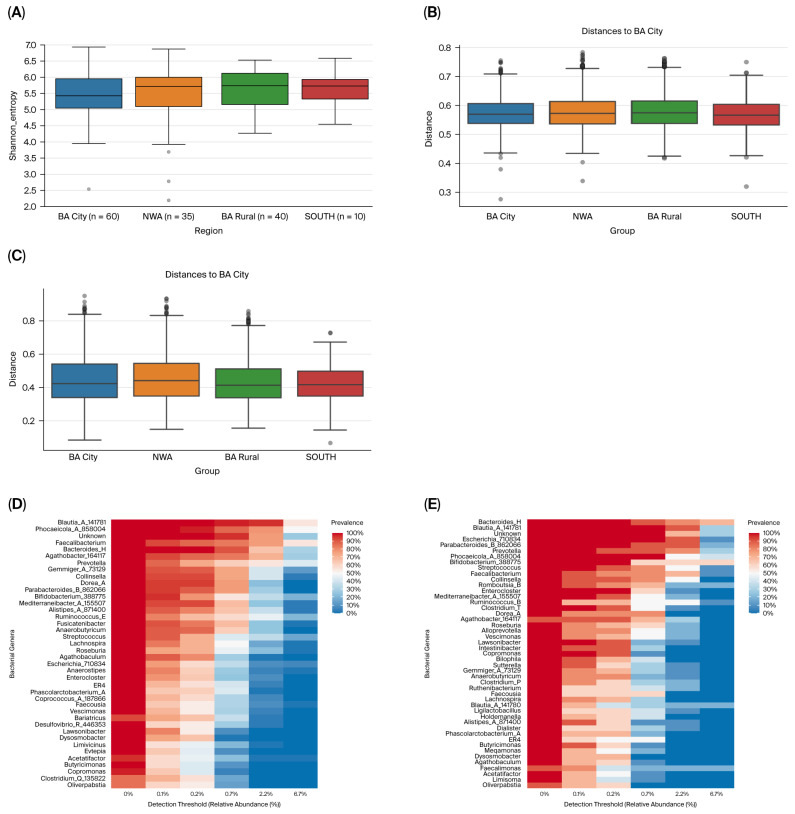 Figure 1
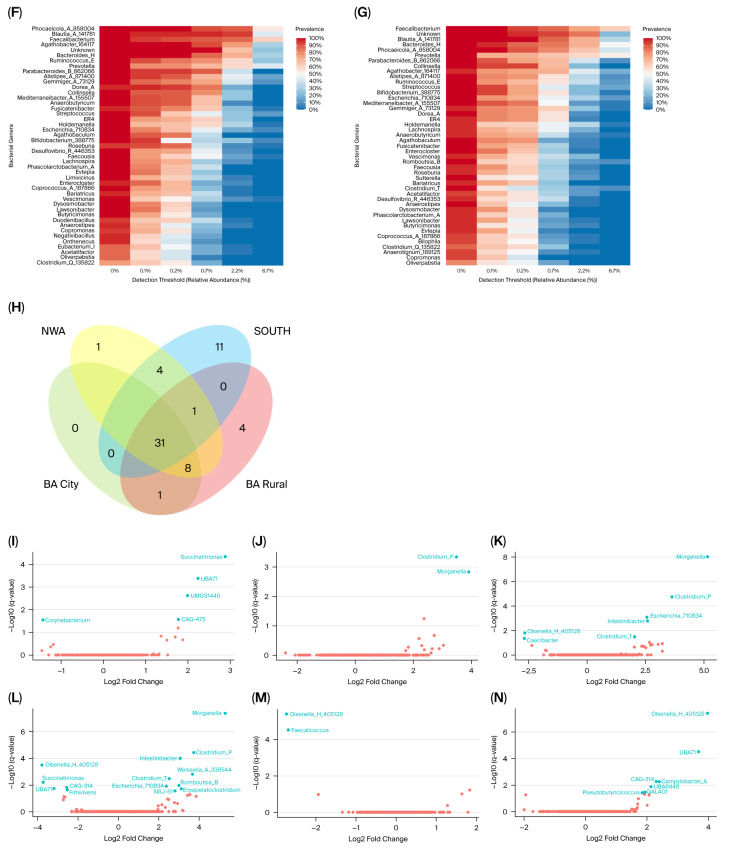 Figure 2
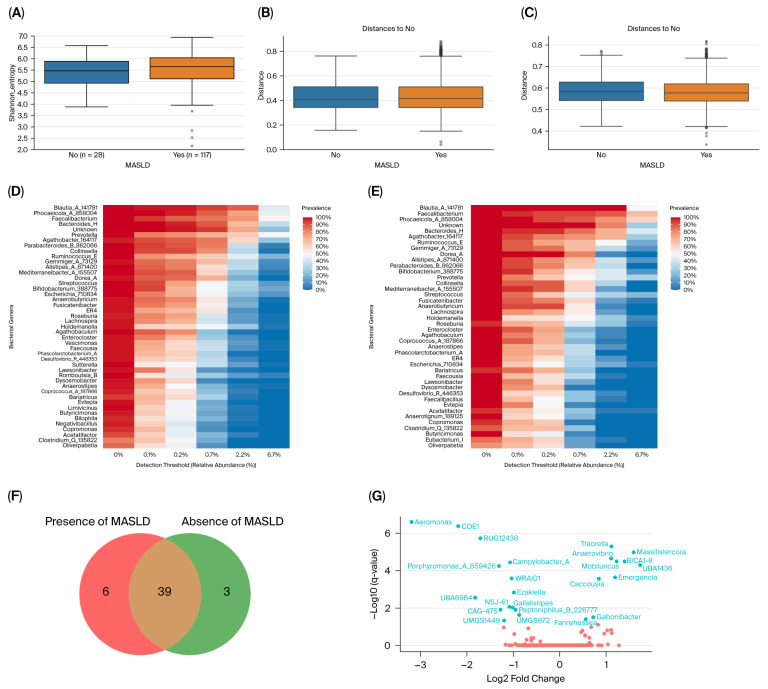 Figure 3
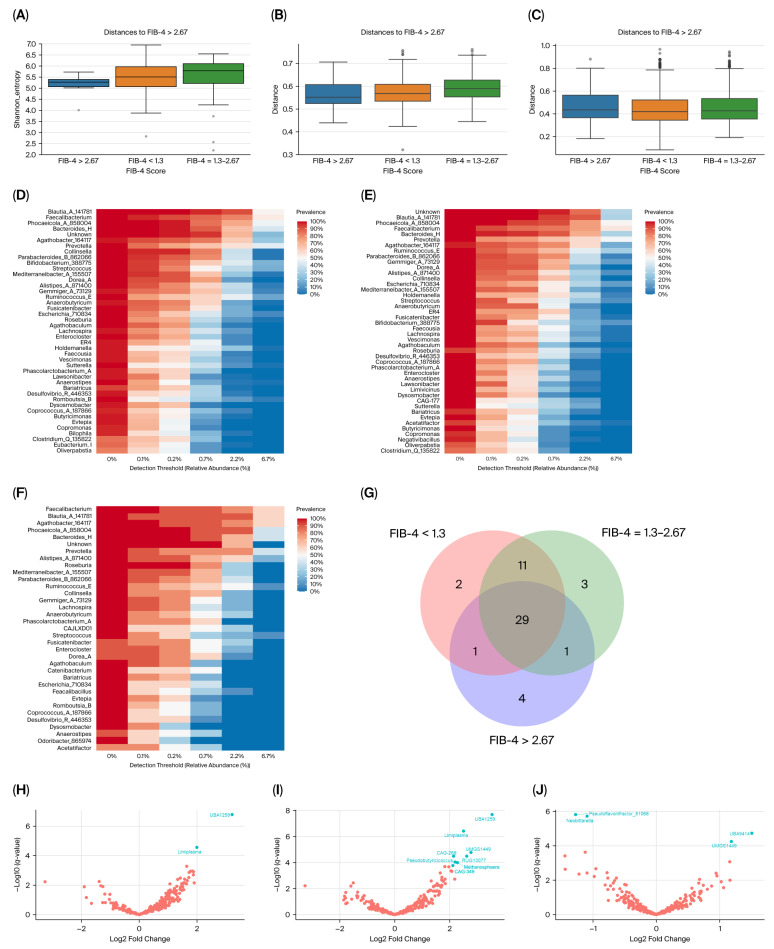 Figure 4
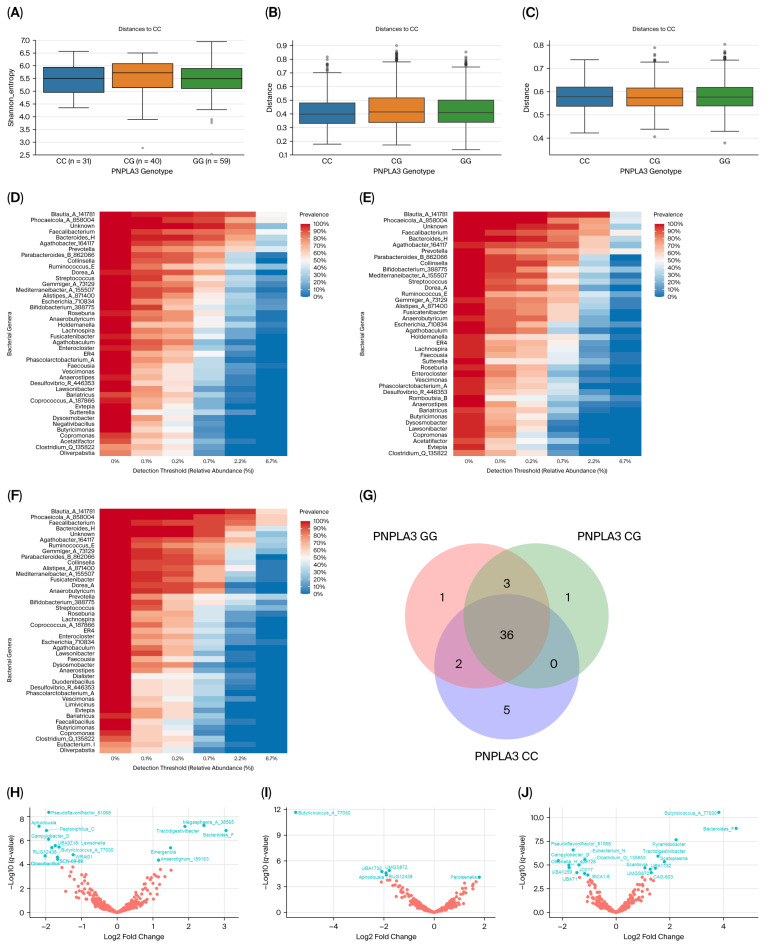 Figure 5
Peer Reviews
No public reviews on file for this paper yet. If you reviewed it on a platform where reviews are public (OpenReview, ICLR, NeurIPS, ICML), you can paste yours below so the community can read it here.
Videos
No videos yet. Explain this paper in a talk, walkthrough, or lecture? Add one.
Taxonomy
TopicsGut microbiota and health · Liver Disease Diagnosis and Treatment · Oral microbiology and periodontitis research