Effects of Prey-Mediated Sublethal Exposure to Imidacloprid and Nitenpyram on the Fitness and Predation Capacity in Chrysopa pallens
Ting Chen, Shengwei Deng, Wei Wang, Ju Yao, Weifeng Guo, Yongsheng Yao

TL;DR
This study shows how insecticides used to control cotton aphids can harm beneficial green lacewings, even at low doses, by reducing their ability to reproduce and hunt prey.
Contribution
The study reveals novel sublethal effects of imidacloprid and nitenpyram on green lacewings via prey exposure, impacting their predatory and reproductive performance.
Findings
Sublethal insecticide exposure via aphids reduced green lacewing adult body size, fecundity, and prey-capture efficiency.
Imidacloprid suppressed predatory behavior more than nitenpyram, while nitenpyram more strongly delayed development and population growth.
Both insecticides increased handling time and reduced searching efficiency in lacewings, following a Holling type II functional response.
Abstract
The control of cotton aphids, a major pest of cotton, often relies on insecticide applications. This practice, however, can adversely affect non-target beneficial insects that provide essential biological control services. Among these, the green lacewing (Chrysoperla pallens) is a key aphid predator whose role in maintaining field health may be compromised by such insecticide-mediated effects. This study investigated the effects of sublethal doses of imidacloprid and nitenpyram on green lacewings, mediated indirectly through the consumption of exposed aphids. Our results demonstrated that low-dose insecticide exposure mediated by aphids not only delayed larval development and reduced adult body size and fecundity, but also compromised the lacewings’ prey-capture efficiency. The two insecticides affected lacewings in different ways. Imidacloprid significantly compromised foraging…
Genes, proteins, chemicals, diseases, species, mutations and cell lines named across the full text — each resolved to its canonical identifier and authoritative record.
Click any figure to enlarge with its caption.
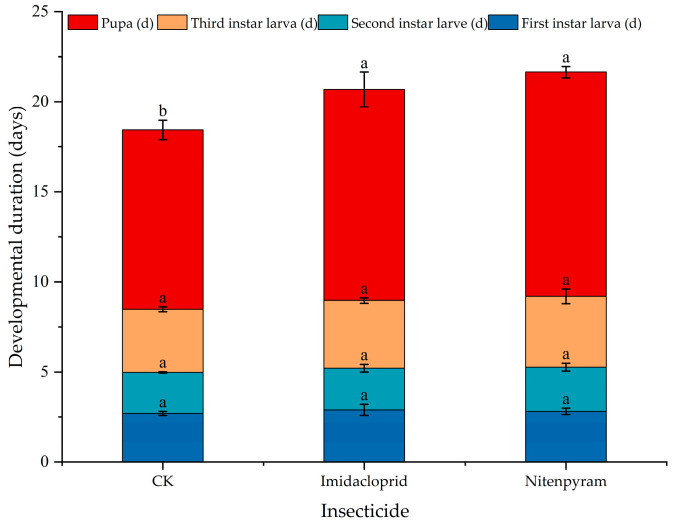 Figure 1
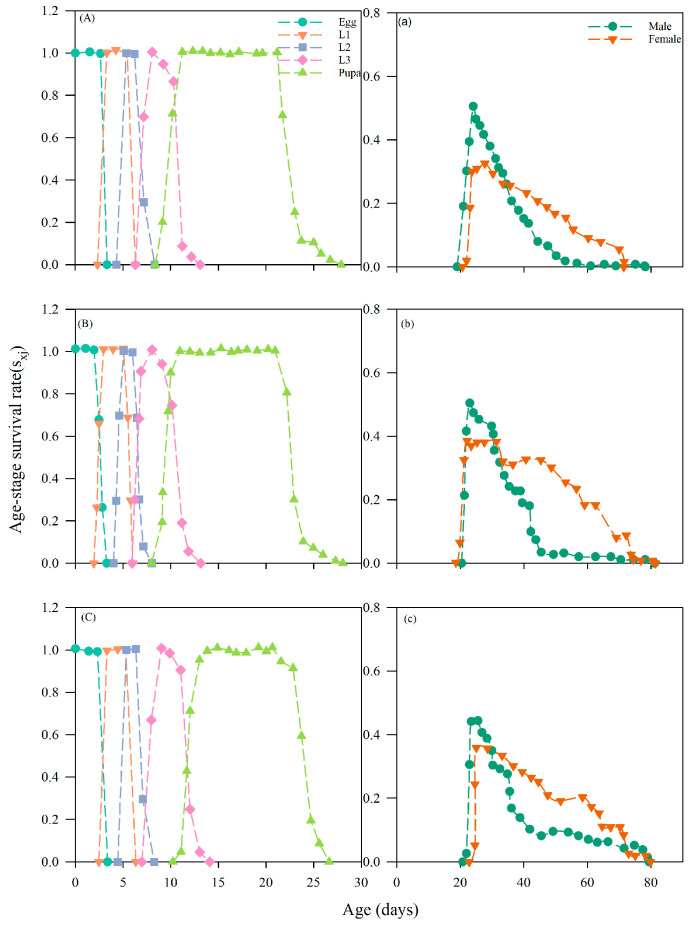 Figure 2
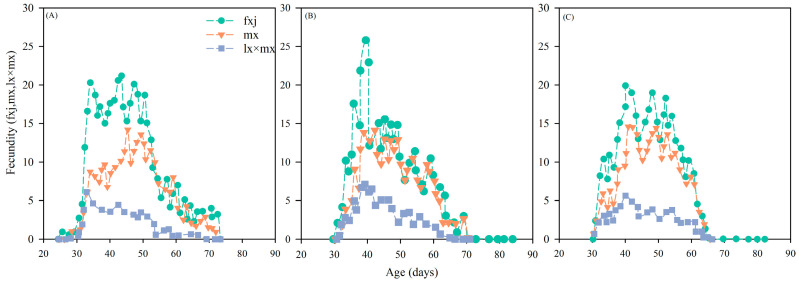 Figure 3
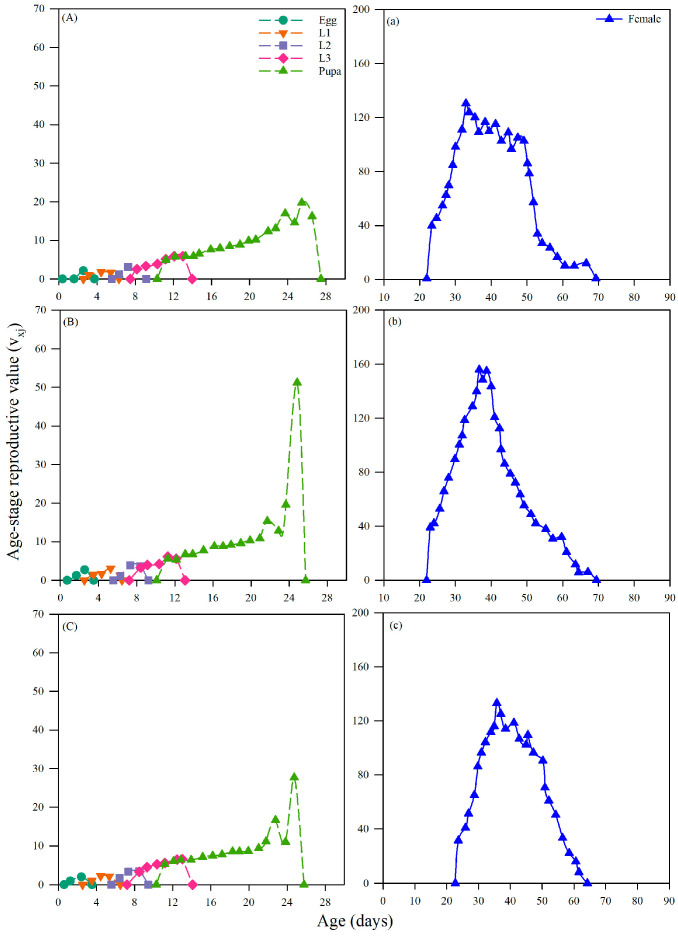 Figure 4
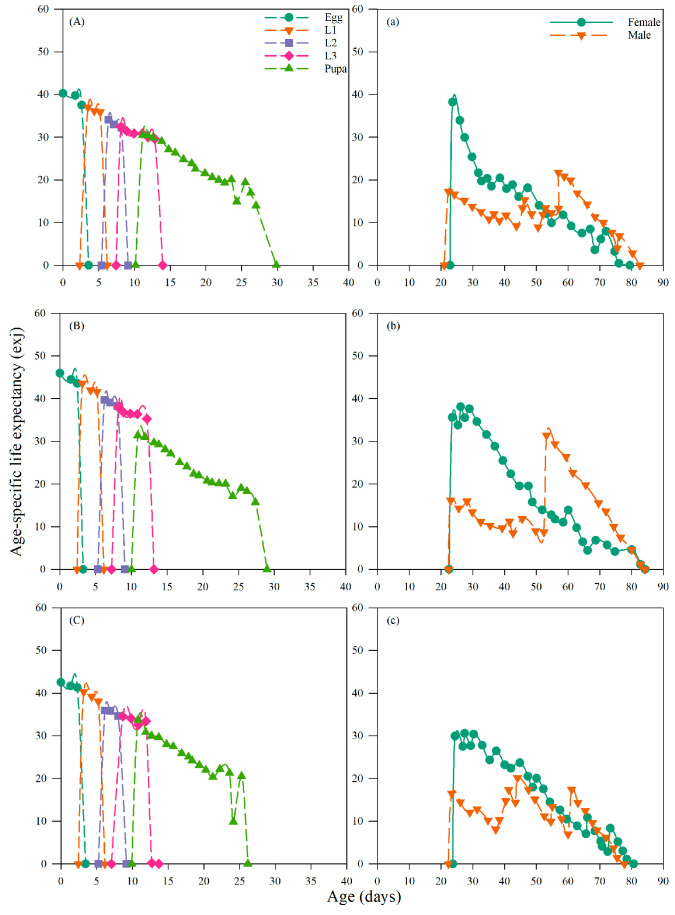 Figure 5
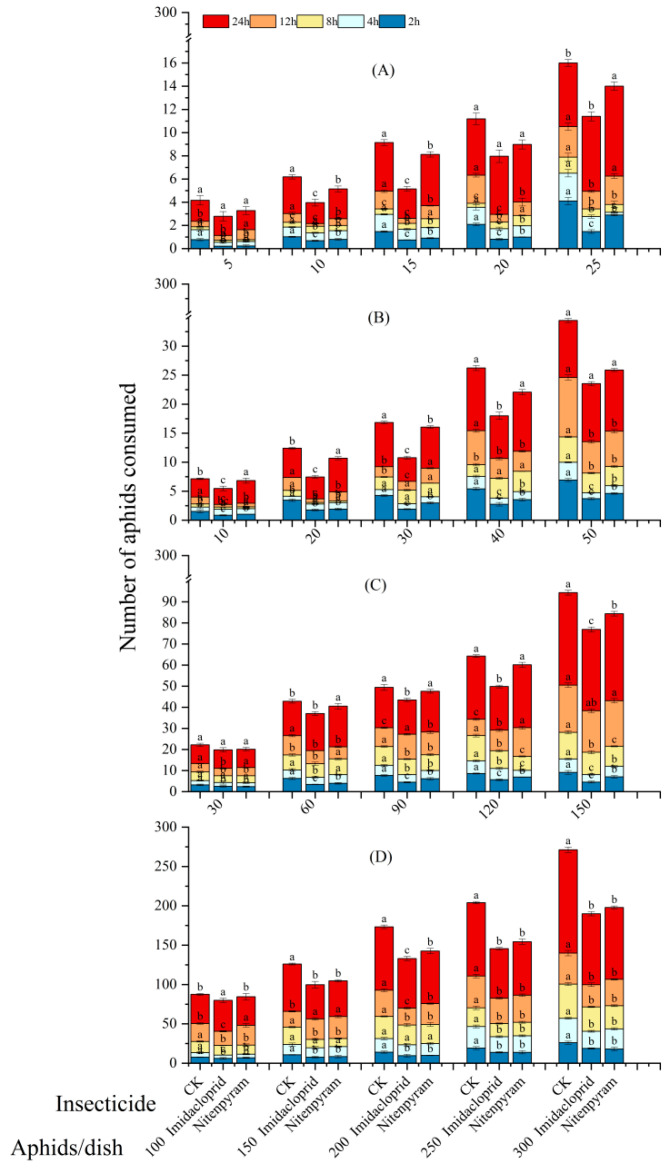 Figure 6
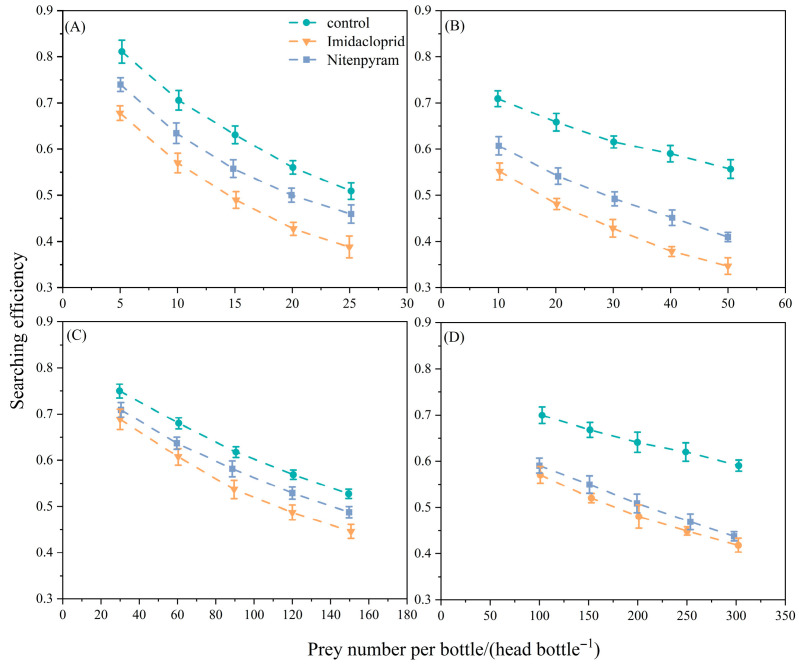 Figure 7
Peer Reviews
No public reviews on file for this paper yet. If you reviewed it on a platform where reviews are public (OpenReview, ICLR, NeurIPS, ICML), you can paste yours below so the community can read it here.
Videos
No videos yet. Explain this paper in a talk, walkthrough, or lecture? Add one.
Taxonomy
TopicsInsect-Plant Interactions and Control · Insect and Pesticide Research · Insect Resistance and Genetics