Exercise-Induced Desaturation in Patent Foramen Ovale: Mechanisms, Diagnostic Approach, and Resolution After Closure—A Narrative Review with an Illustrative Case
Martina Podolec, Jiří Dostál, Petr Volf, Aneta Dvořáková, Martin Mates

TL;DR
Exercise can cause low oxygen levels in people with a patent foramen ovale, a heart condition that can be diagnosed and treated effectively.
Contribution
This review highlights the under-recognized role of patent foramen ovale in exercise-induced hypoxia and presents a case showing resolution after closure.
Findings
Exercise-induced desaturation can occur due to right-to-left shunting in patent foramen ovale.
Percutaneous closure resolved exercise-induced desaturation without improving exercise tolerance.
Integrated imaging and physiological provocation are essential for diagnosis.
Abstract
Exercise-induced desaturation is an uncommon but clinically significant manifestation of patent foramen ovale, which is present in approximately one-quarter of the general population. Although patent foramen ovale is usually asymptomatic, exertion may provoke transient right-to-left shunting when dynamic changes in venous return and intrathoracic pressure favour intermittent right-to-left transit across the interatrial septum. This narrative review synthesises current evidence on exertion-provoked shunting and its contribution to otherwise unexplained dyspnoea and hypoxaemia. To illustrate these concepts, we present an illustrative case with marked exercise-induced desaturation in the absence of pulmonary disease. The evaluation combined contrast transthoracic and transoesophageal echocardiography with cardiopulmonary exercise testing, and the shunt magnitude was quantified invasively…
Genes, proteins, chemicals, diseases, species, mutations and cell lines named across the full text — each resolved to its canonical identifier and authoritative record.
Click any figure to enlarge with its caption.
 Figure 1
 Figure 2
 Figure 3
 Figure 4
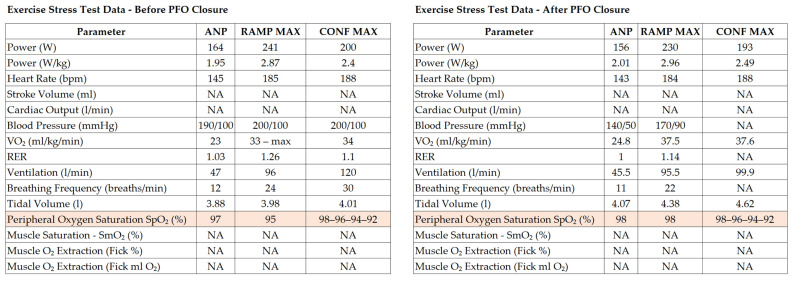 Figure 5
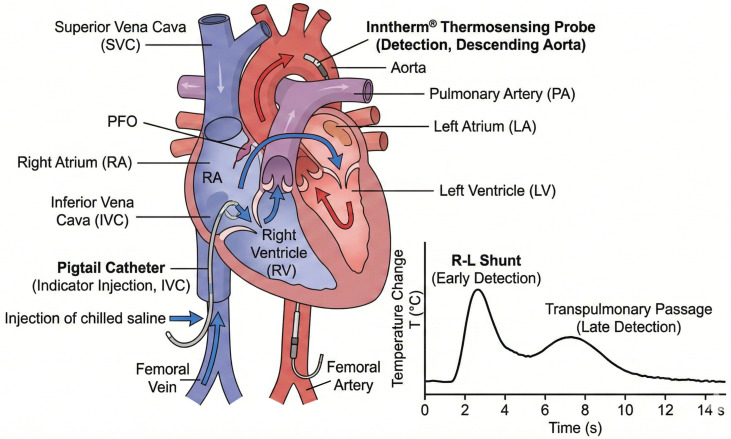 Figure 6
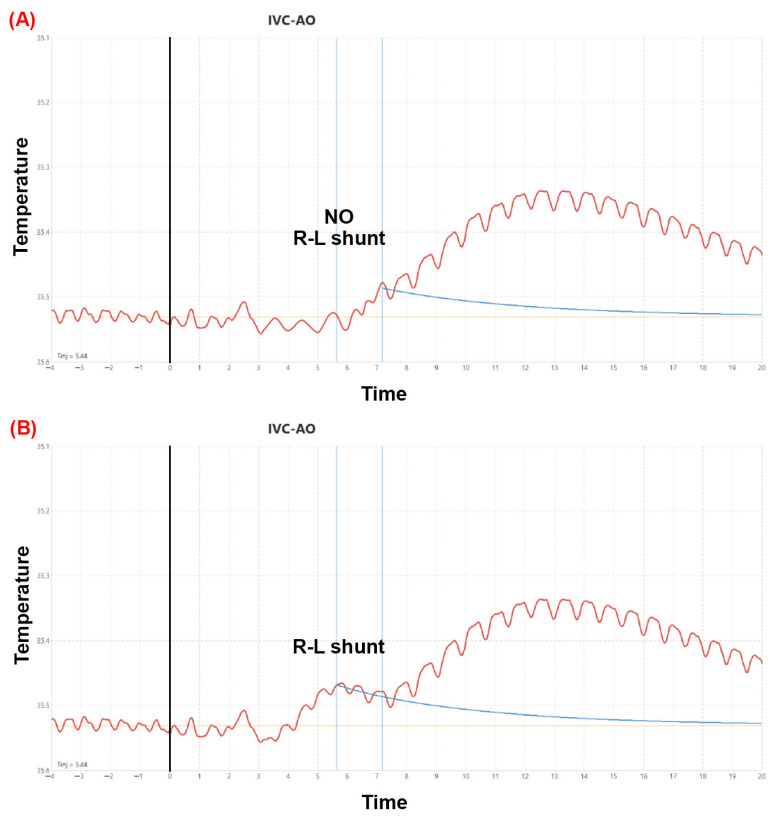 Figure 7
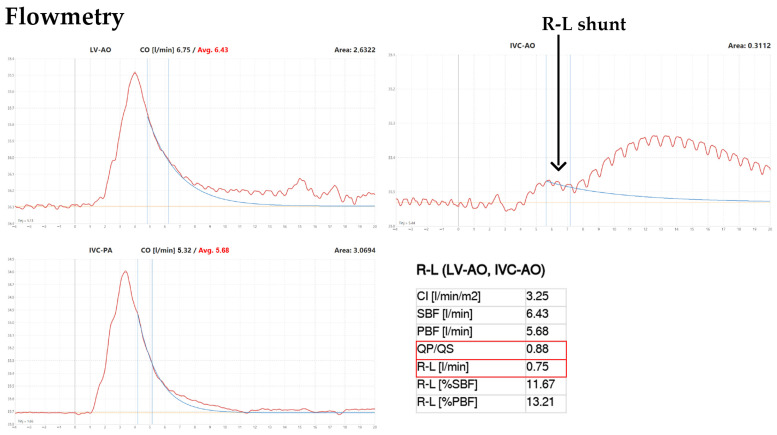 Figure 8
Peer Reviews
No public reviews on file for this paper yet. If you reviewed it on a platform where reviews are public (OpenReview, ICLR, NeurIPS, ICML), you can paste yours below so the community can read it here.
Videos
No videos yet. Explain this paper in a talk, walkthrough, or lecture? Add one.
Taxonomy
TopicsCardiovascular and Diving-Related Complications · Vascular Anomalies and Treatments · Cardiovascular Conditions and Treatments