Neuro-Geometric Graph Transformers with Differentiable Radiographic Geometry for Spinal X-Ray Image Analysis
Vuth Kaveevorayan, Rapeepan Pitakaso, Thanatkij Srichok, Natthapong Nanthasamroeng, Chutchai Kaewta, Peerawat Luesak

TL;DR
This paper introduces SpineNeuroSym, a new framework for spinal X-ray analysis that combines geometry-aware learning and symbolic reasoning to improve accuracy and explainability in medical imaging.
Contribution
The novel contribution is the integration of a differentiable radiographic geometry module and neuro-symbolic constraints for interpretable spinal X-ray analysis.
Findings
SpineNeuroSym achieved 89.4% classification accuracy on a dataset of 1613 spinal radiographs.
The framework outperformed eight state-of-the-art imaging baselines in classification metrics.
The model computes clinically relevant indices like slip ratio and disc asymmetry for interpretable predictions.
Abstract
Radiographic imaging remains a cornerstone of diagnostic practice. However, accurate interpretation faces challenges from subtle visual signatures, anatomical variability, and inter-observer inconsistency. Conventional deep learning approaches, such as convolutional neural networks and vision transformers, deliver strong predictive performance but often lack anatomical grounding and interpretability, limiting their trustworthiness in imaging applications. To address these challenges, we present SpineNeuroSym, a neuro-geometric imaging framework that unifies geometry-aware learning and symbolic reasoning for explainable medical image analysis. The framework integrates weakly supervised keypoint and region-of-interest discovery, a dual-stream graph–transformer backbone, and a Differentiable Radiographic Geometry Module (dRGM) that computes clinically relevant indices (e.g., slip ratio,…
Genes, proteins, chemicals, diseases, species, mutations and cell lines named across the full text — each resolved to its canonical identifier and authoritative record.
Click any figure to enlarge with its caption.
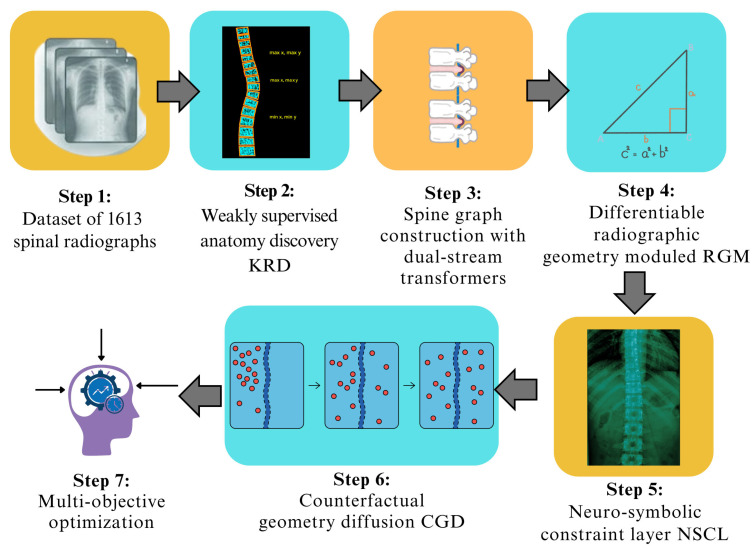 Figure 1
 Figure 2
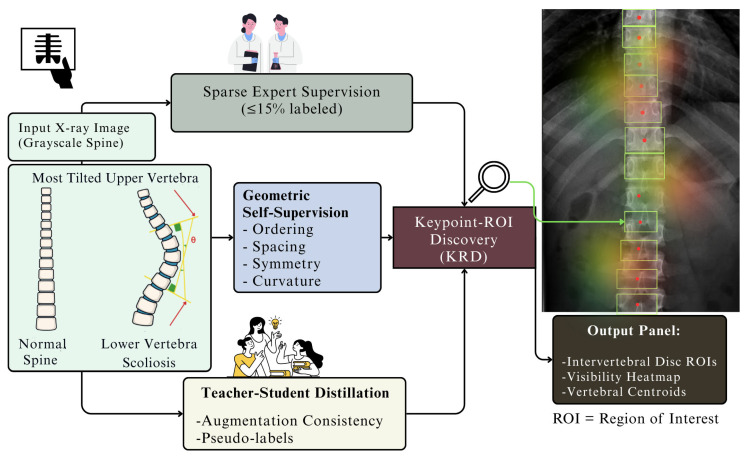 Figure 3
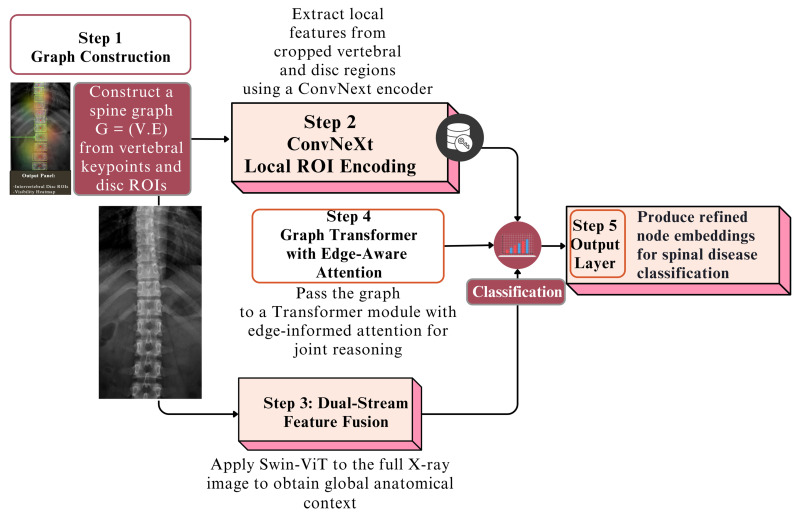 Figure 4
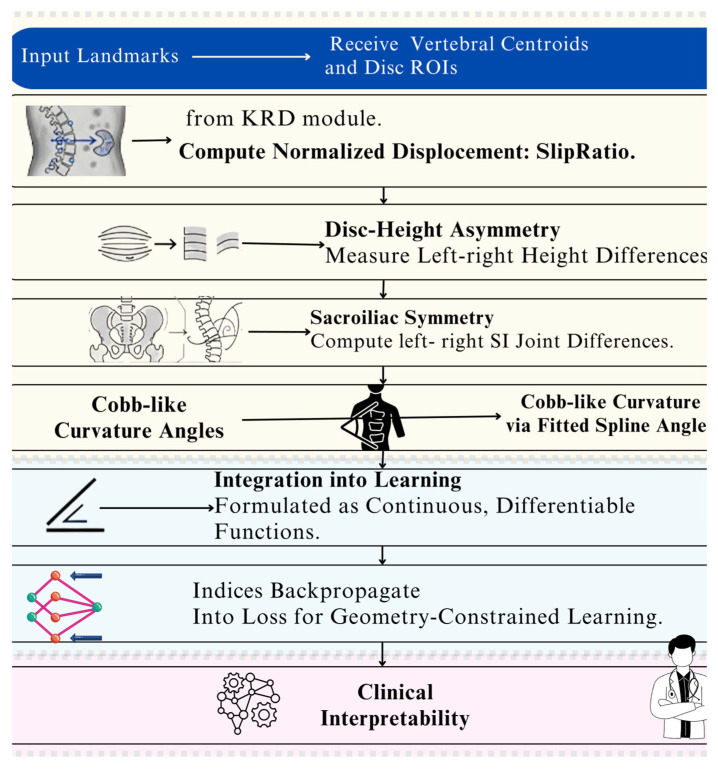 Figure 5
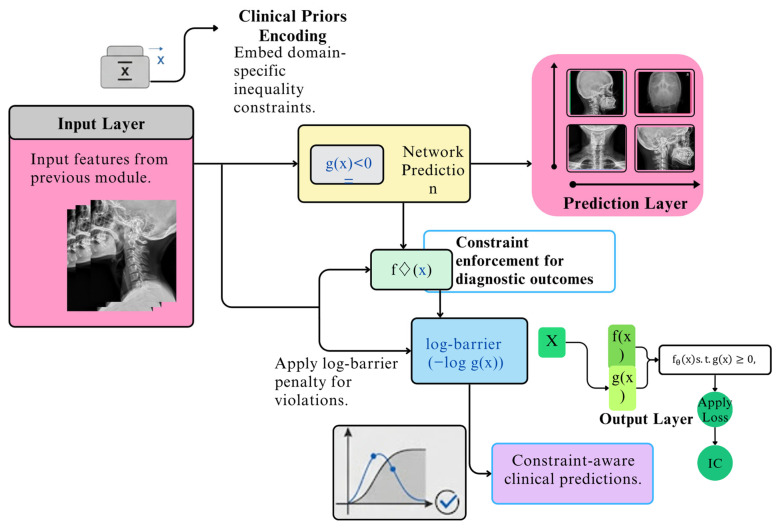 Figure 6
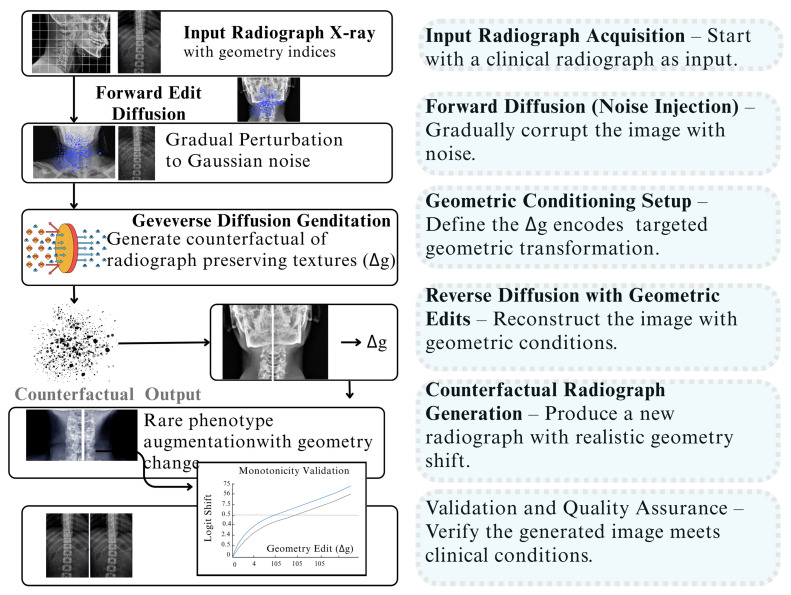 Figure 7
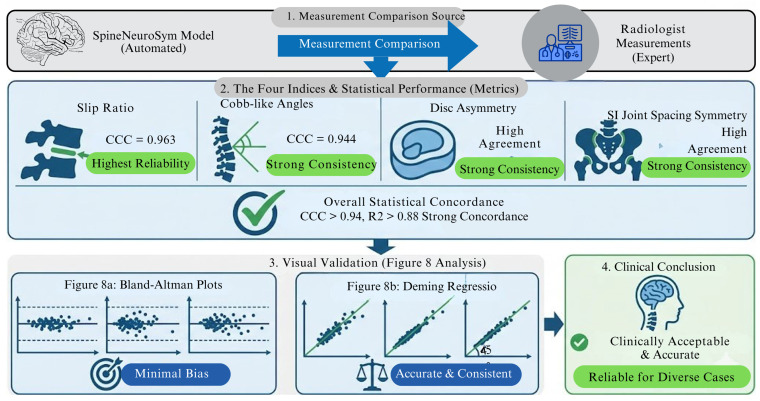 Figure 8
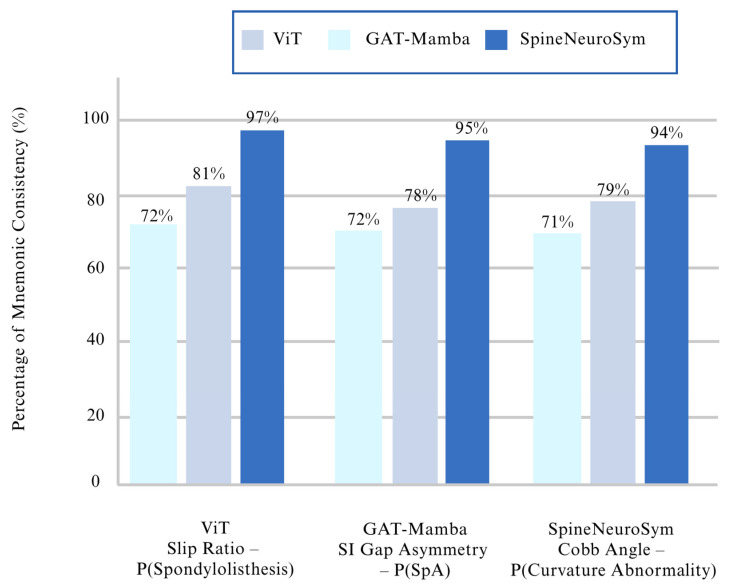 Figure 9
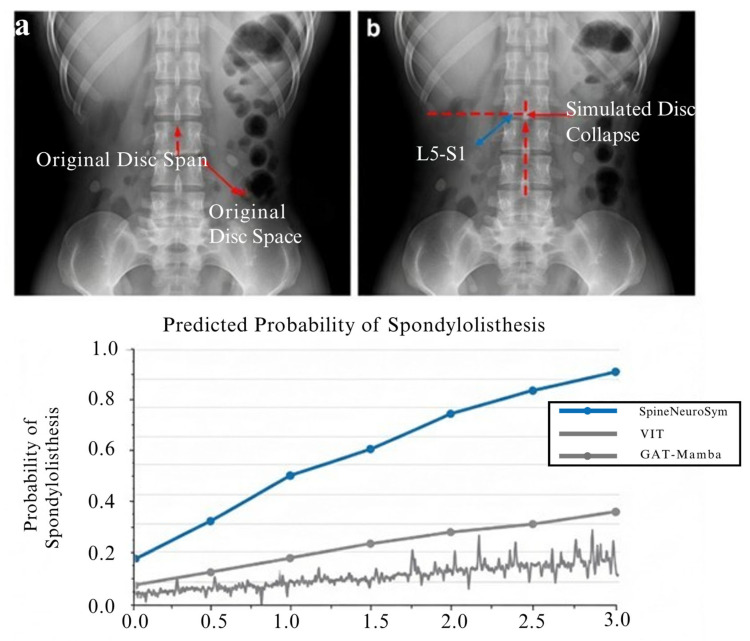 Figure 10
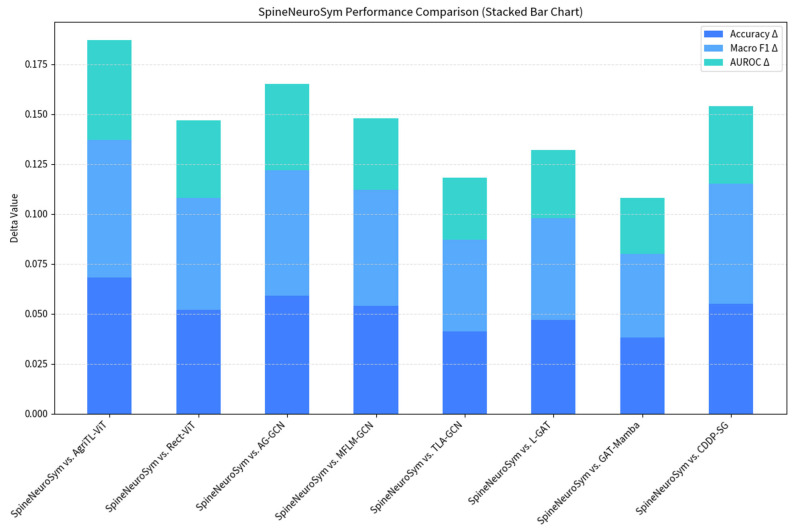 Figure 11
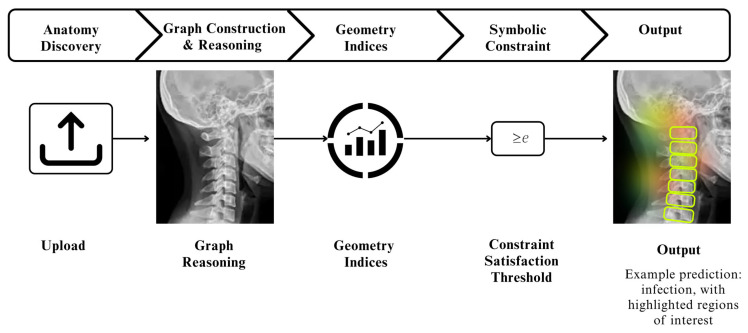 Figure 12
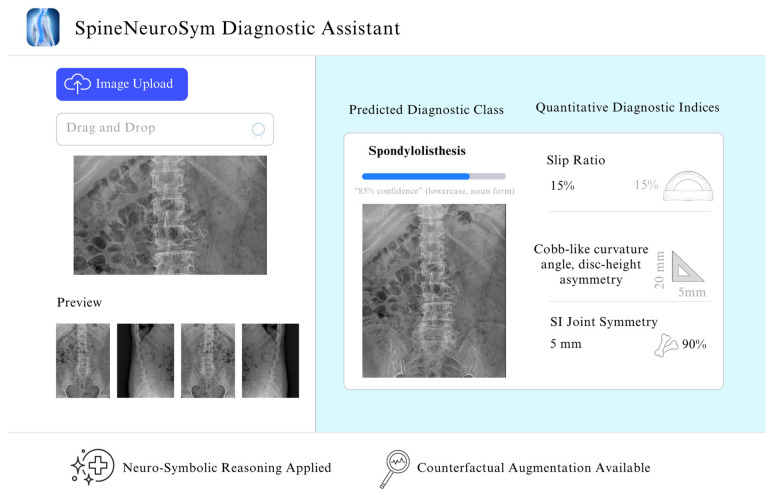 Figure 13
Peer Reviews
No public reviews on file for this paper yet. If you reviewed it on a platform where reviews are public (OpenReview, ICLR, NeurIPS, ICML), you can paste yours below so the community can read it here.
Videos
No videos yet. Explain this paper in a talk, walkthrough, or lecture? Add one.
Taxonomy
TopicsMedical Imaging and Analysis · Machine Learning in Healthcare · Artificial Intelligence in Healthcare and Education