Medial Pterygoid Muscles Penetration by Tubero-Pterygoid Implants: Clinical, Anatomical and Statistical Insights Regarding Temporo-Mandibular Disorders (TMDs)
Łukasz Pałka, Vivek Gaur, Calin Fodor, Magdalena Gębska, Mehul Jani, Marta Bieńkowska, Bartosz Dalewski

TL;DR
This study shows that implants penetrating the medial pterygoid muscle do not cause pain or TMD symptoms, challenging previous assumptions about muscle sensitivity.
Contribution
The study provides new clinical and statistical evidence that transmuscular implant penetration of the MPM is safe and well-tolerated.
Findings
All patients remained free of pain and TMD symptoms regardless of implant penetration depth.
Statistical analysis found no link between penetration depth and adverse outcomes.
Findings suggest that MPM sensitivity may be overestimated in traditional assumptions.
Abstract
Background: The medial pterygoid muscle (MPM) is frequently implicated in pain and dysfunction in patients with temporomandibular disorders (TMDs), owing to its functional complexity, susceptibility to overload, and rich neuromuscular control. Paradoxically, in patients rehabilitated with tubero-pterygoid implants, whose apices often penetrate or traverse the MPM attachment, no pain, trismus, or TMD-related symptoms are typically observed. Objective: The aim of this study was to evaluate the impact of implant penetration into the medial pterygoid muscle using CBCT and clinical examination after surgery and during follow-up visits. Methods: A retrospective observational study was conducted on 56 patients receiving a total of 116 tubero-pterygoid implants protruding beyond the pterygoid process of the sphenoid bone. Patients were divided into two groups according to implant penetration…
Genes, proteins, chemicals, diseases, species, mutations and cell lines named across the full text — each resolved to its canonical identifier and authoritative record.
Click any figure to enlarge with its caption.
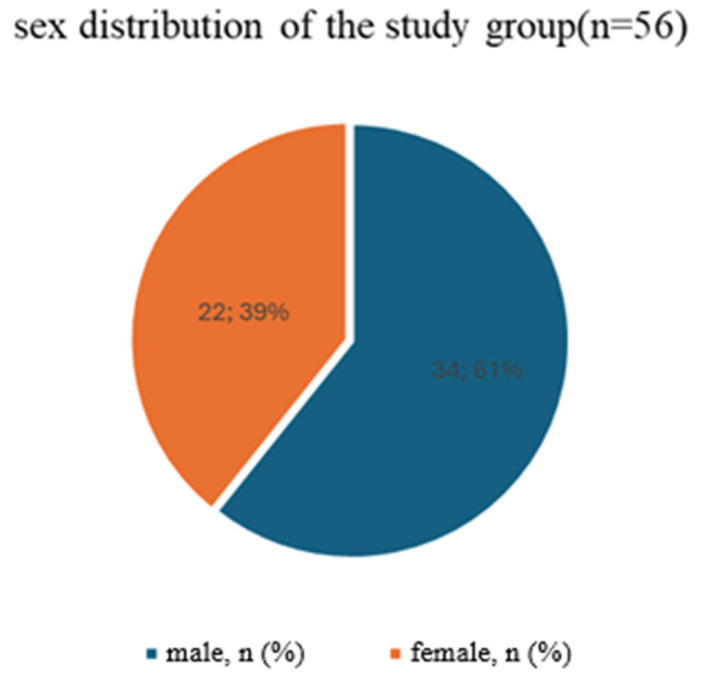 Figure 1
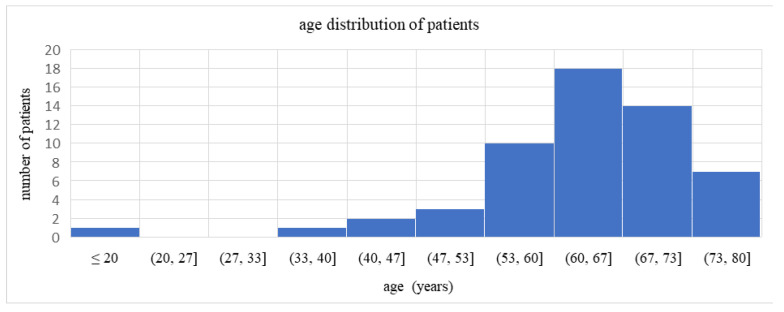 Figure 2
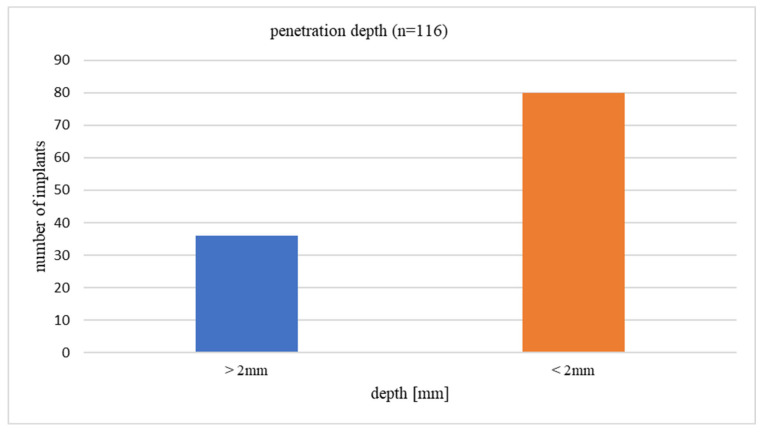 Figure 3
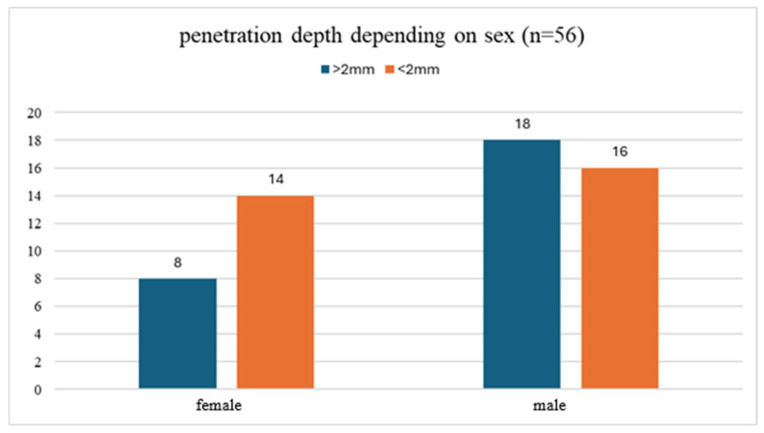 Figure 4
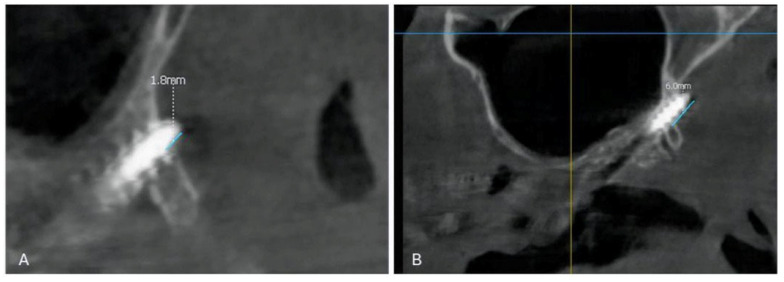 Figure 5
Peer Reviews
No public reviews on file for this paper yet. If you reviewed it on a platform where reviews are public (OpenReview, ICLR, NeurIPS, ICML), you can paste yours below so the community can read it here.
Videos
No videos yet. Explain this paper in a talk, walkthrough, or lecture? Add one.
Taxonomy
TopicsTemporomandibular Joint Disorders · Facial Trauma and Fracture Management · Orthodontics and Dentofacial Orthopedics